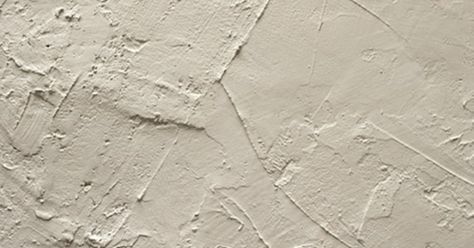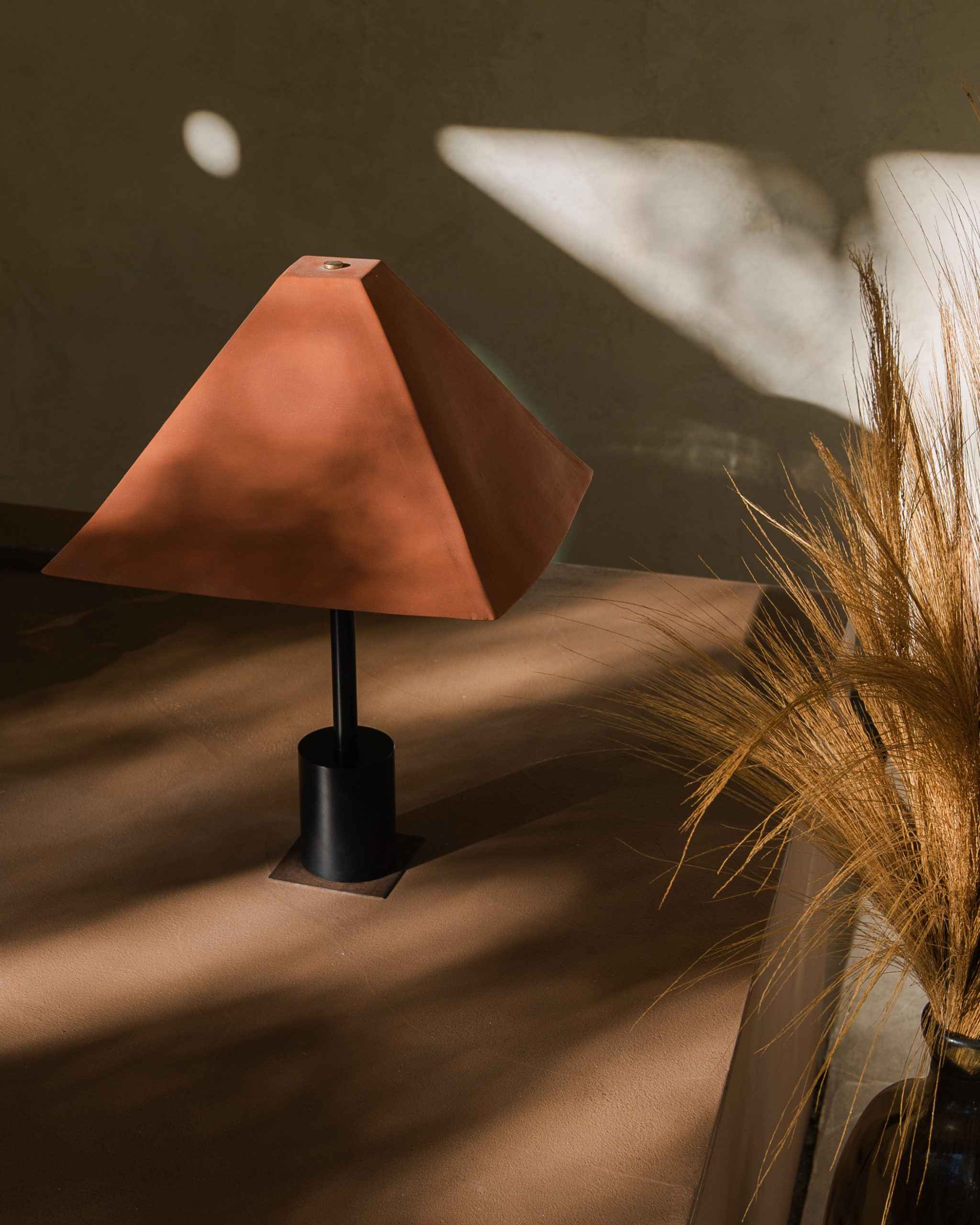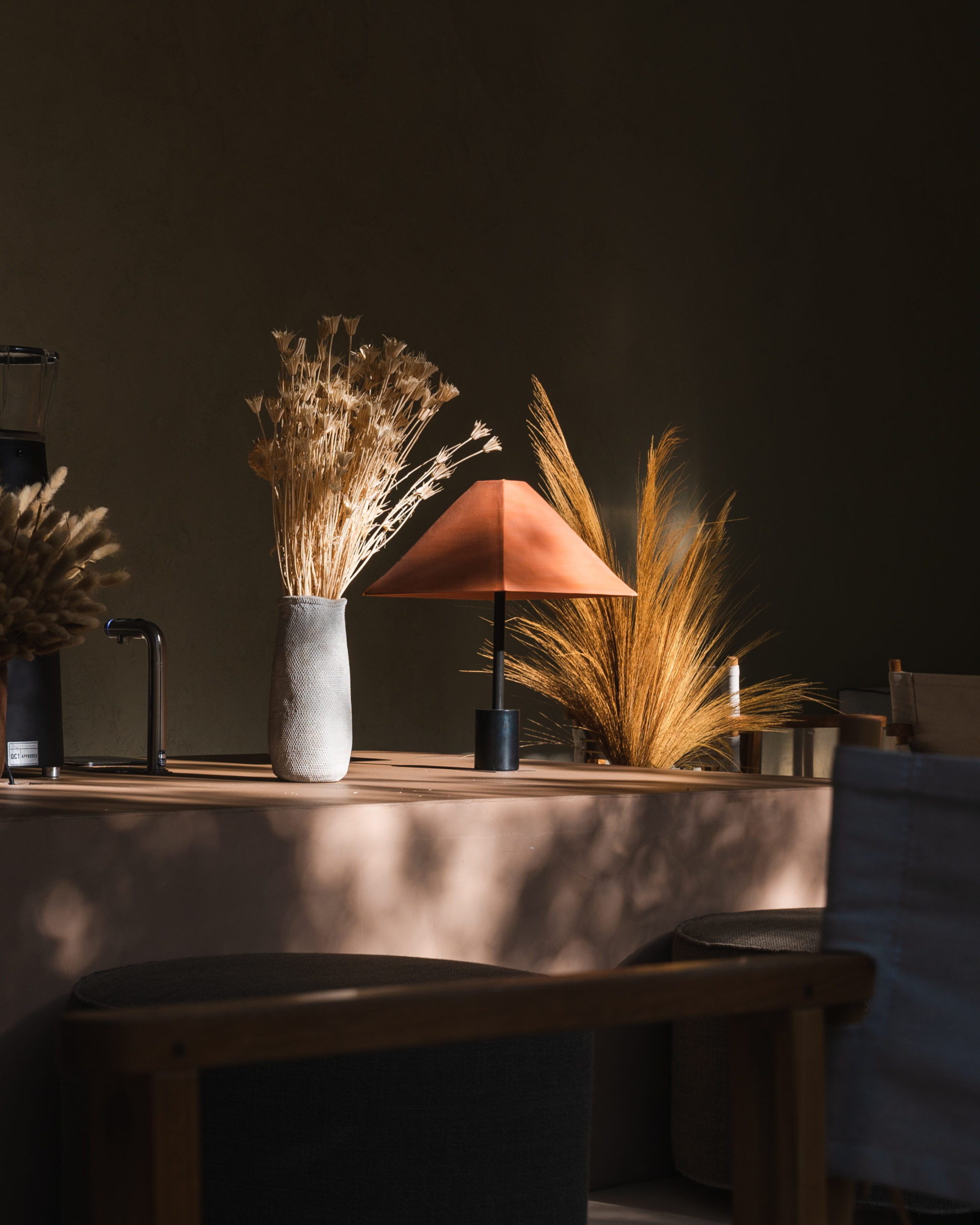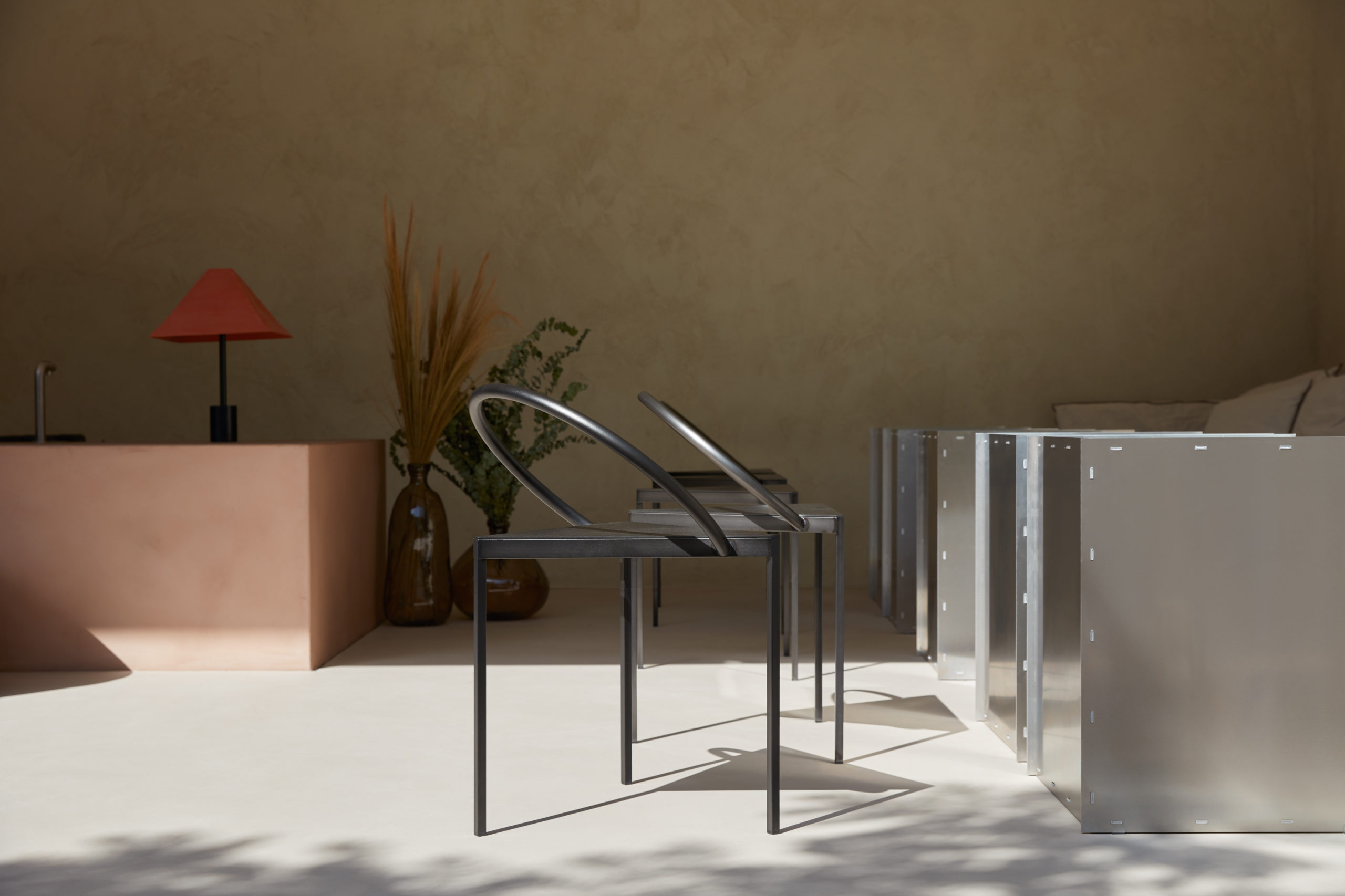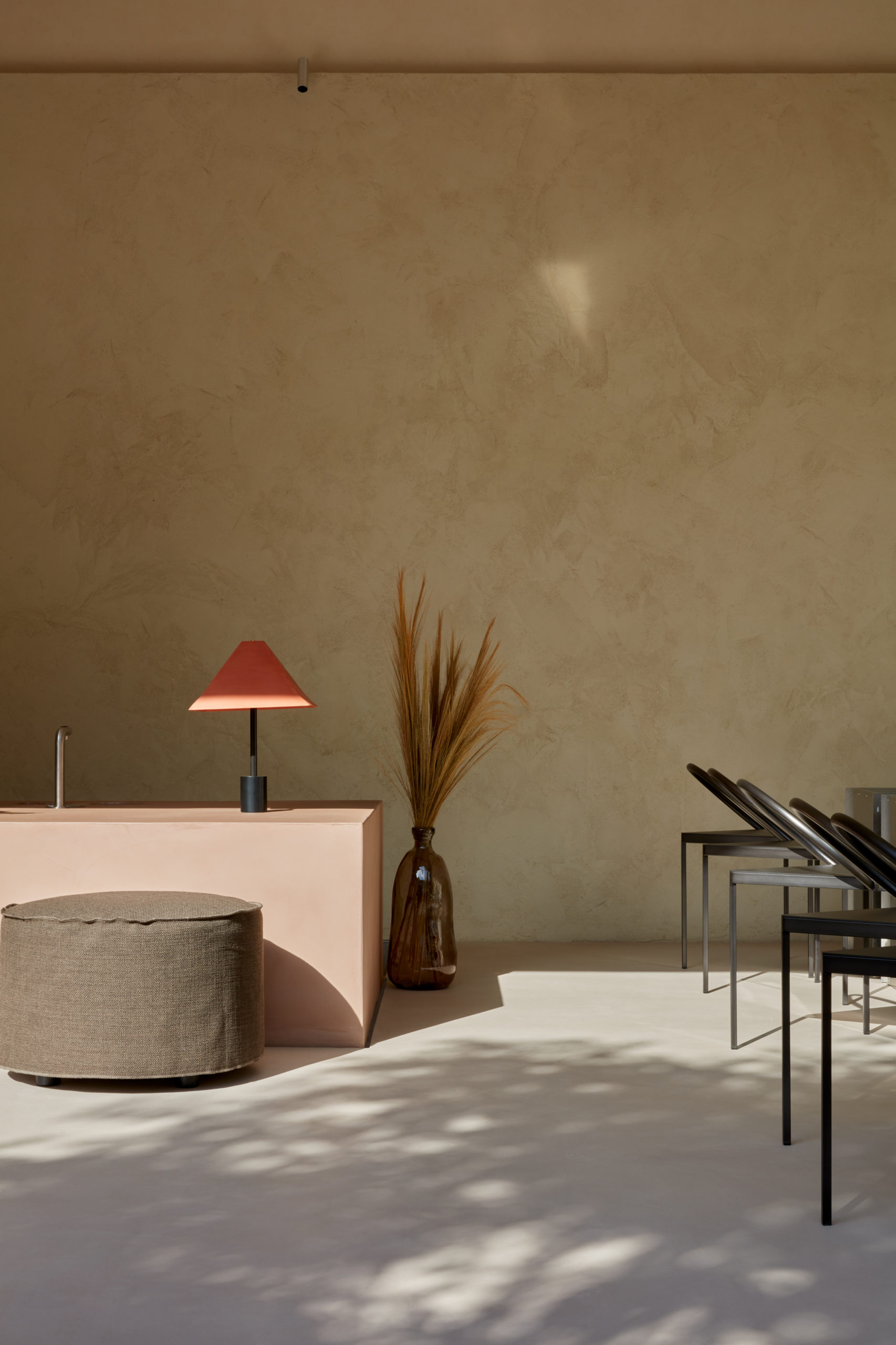
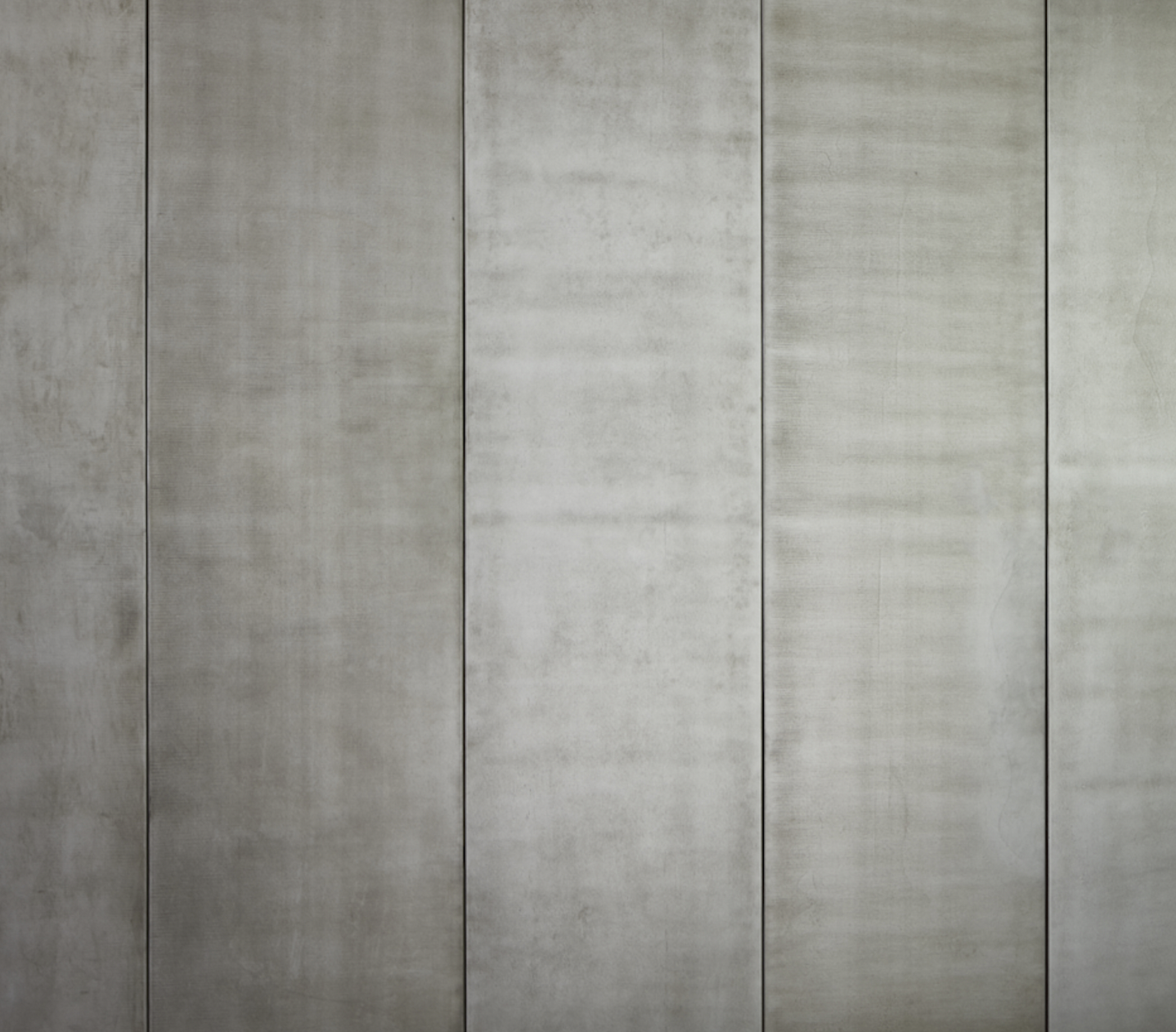
Clay walls and FloorsMatteo Brioni
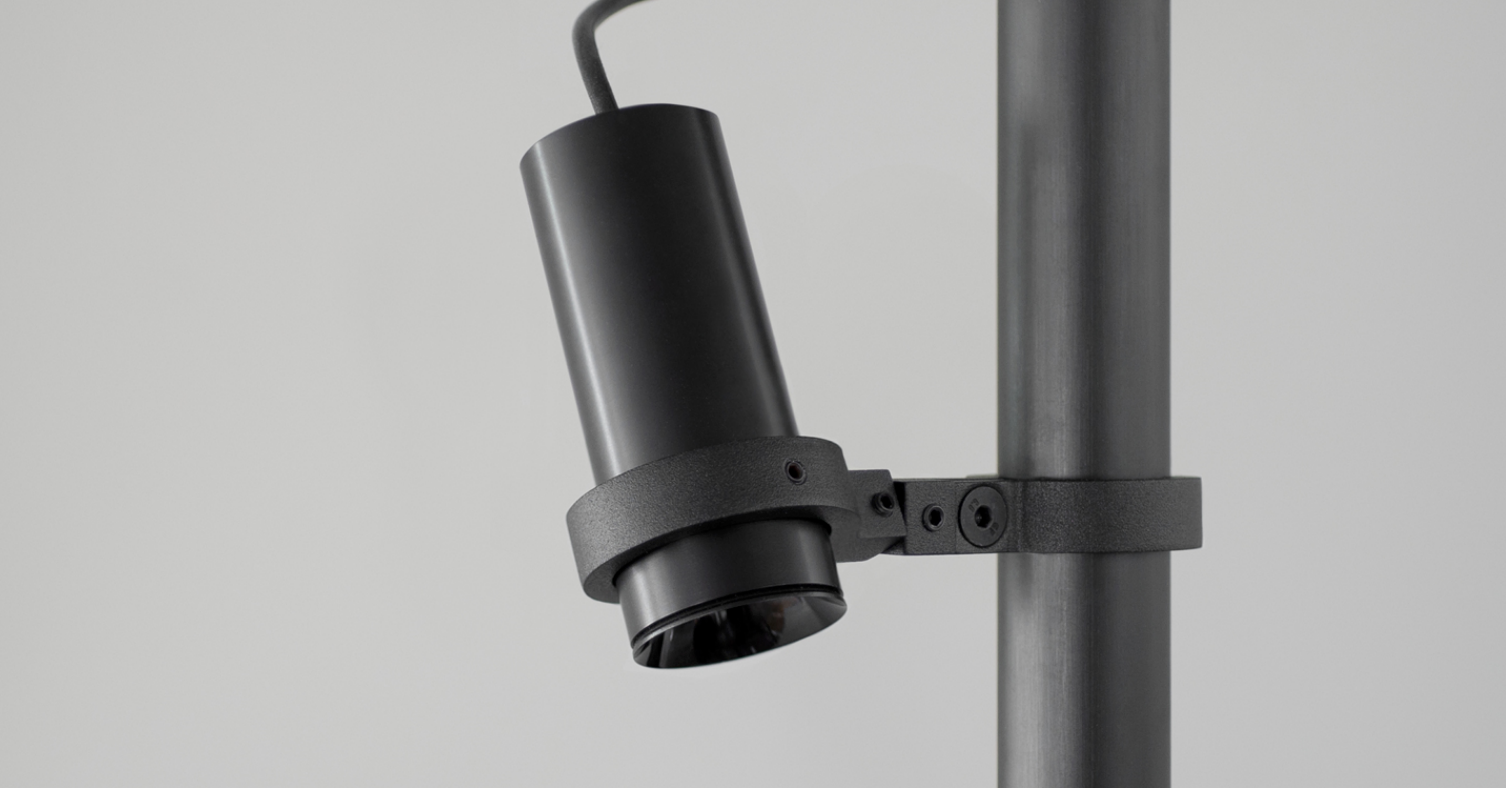
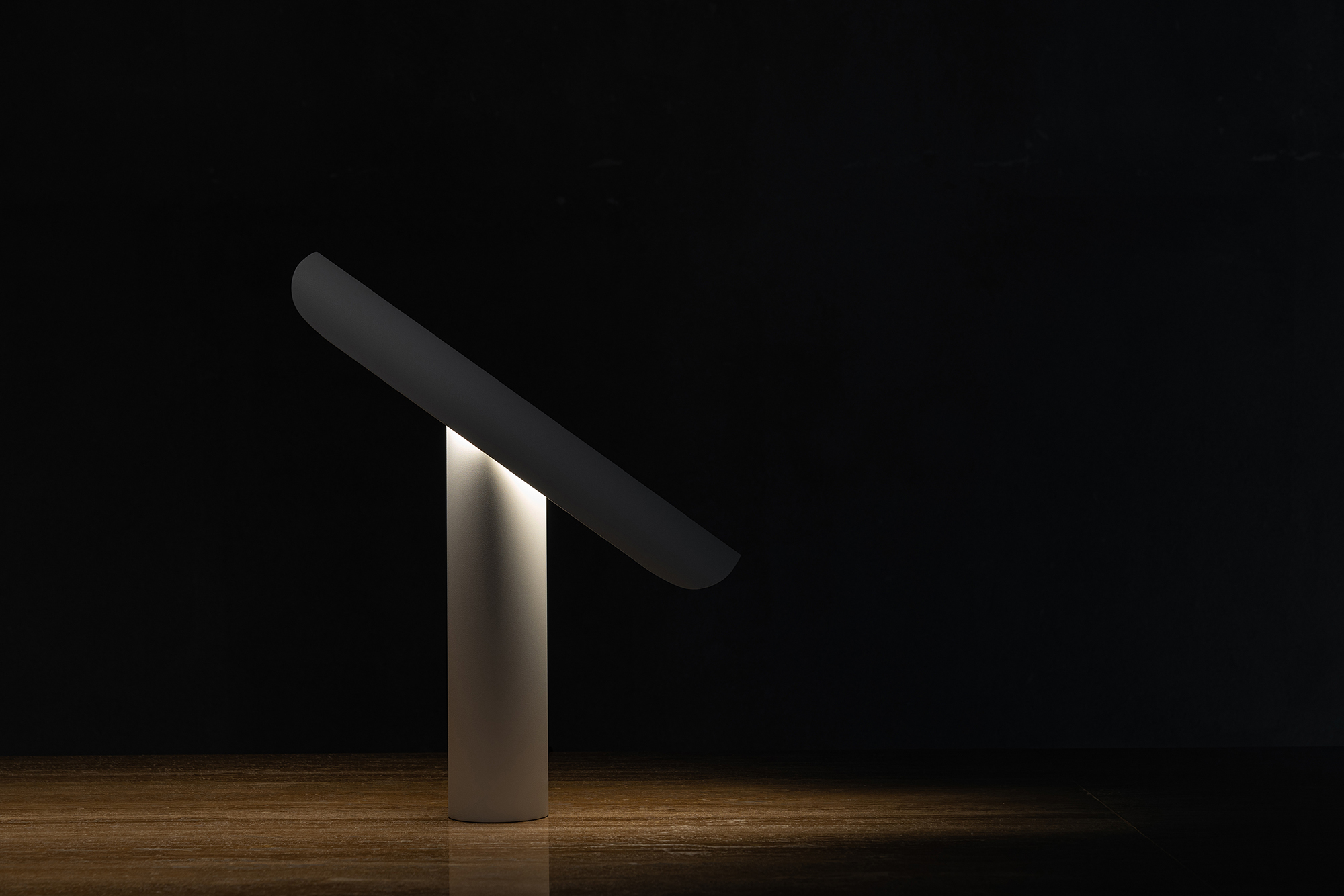
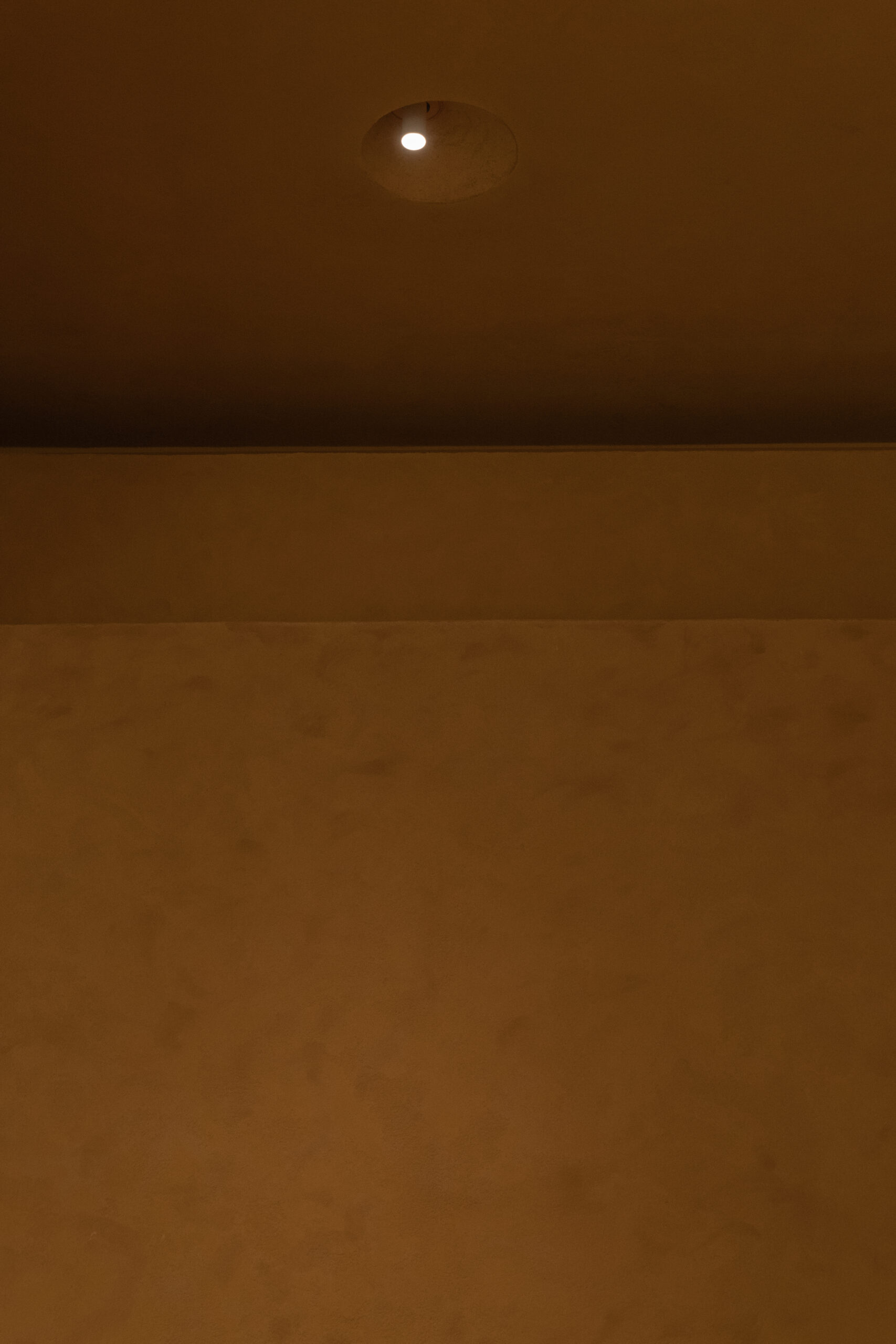
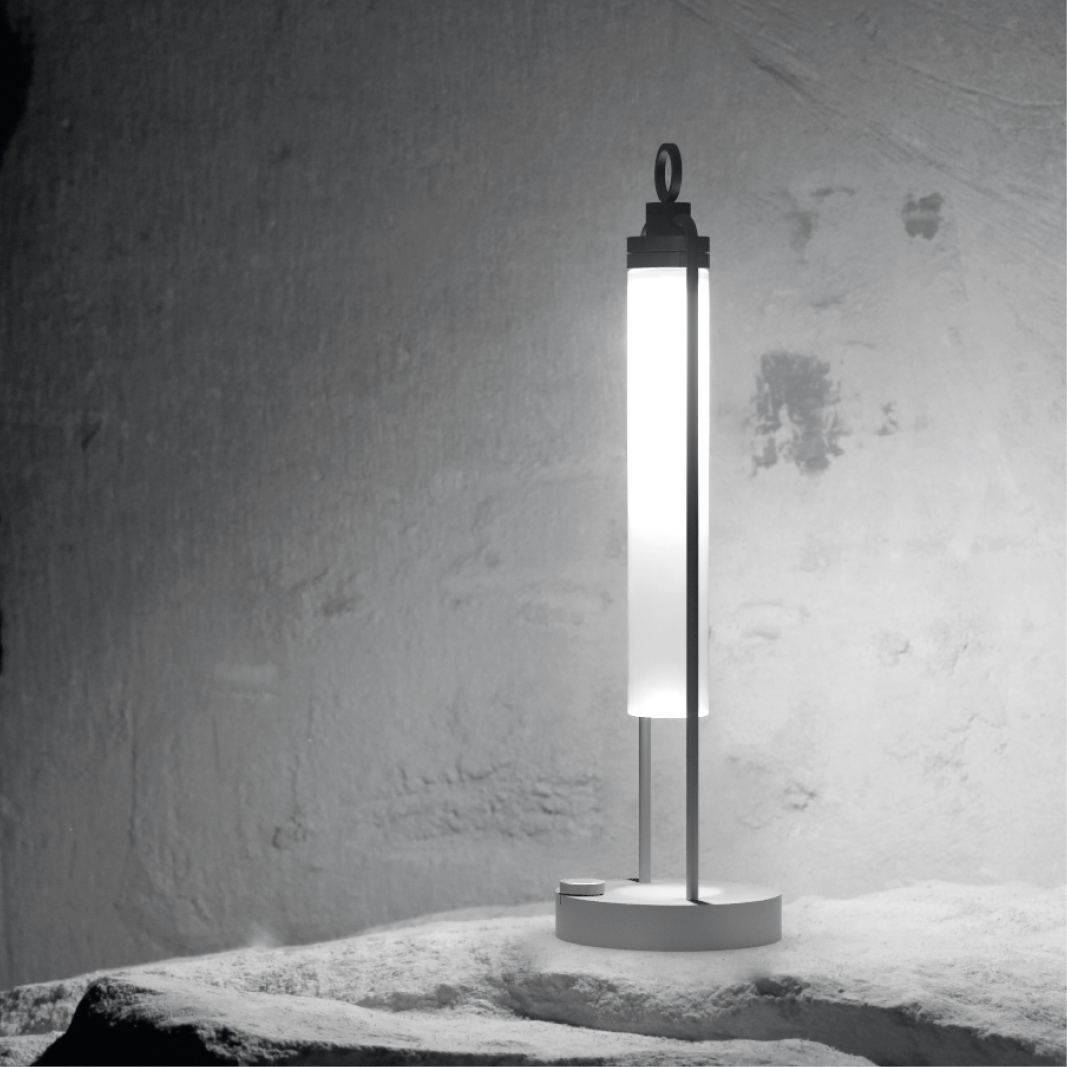
LightingPS Lab and Viabizzuno
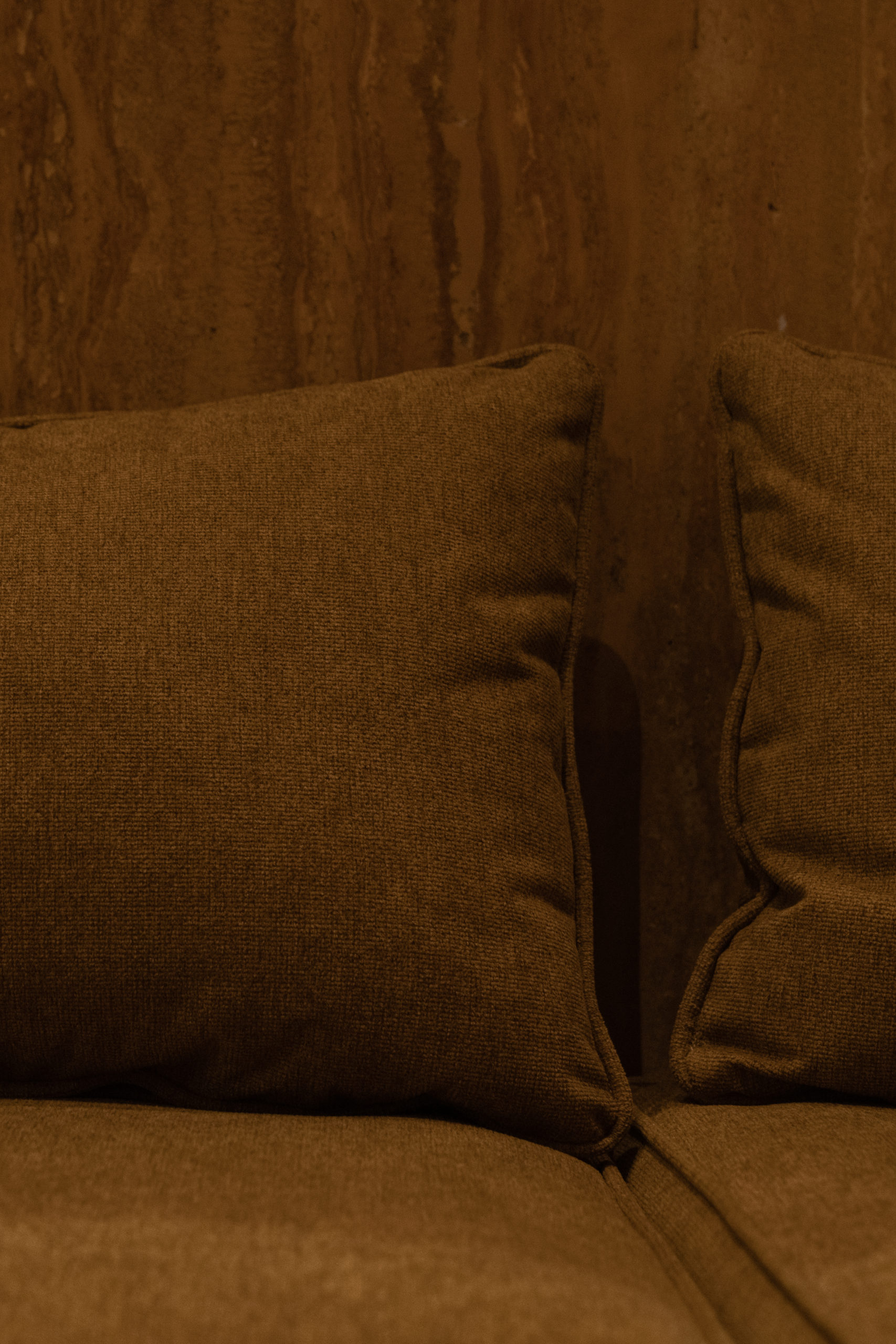
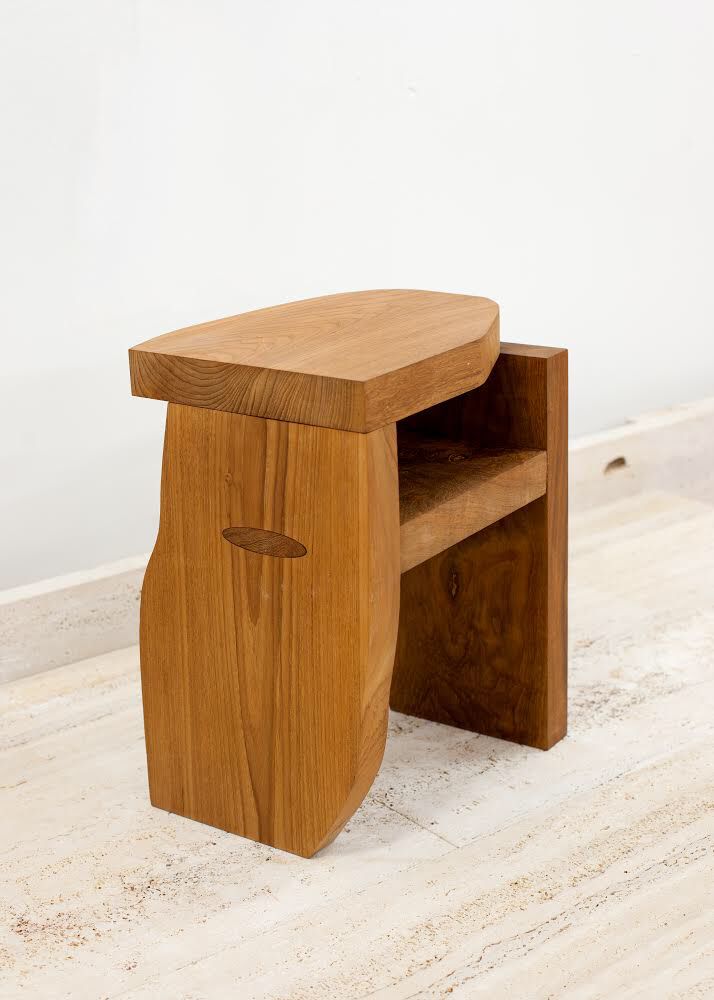
FurnitureAljoud Lootah, Khalid Shafar, Zuleya, Toru and Bahraini Danish
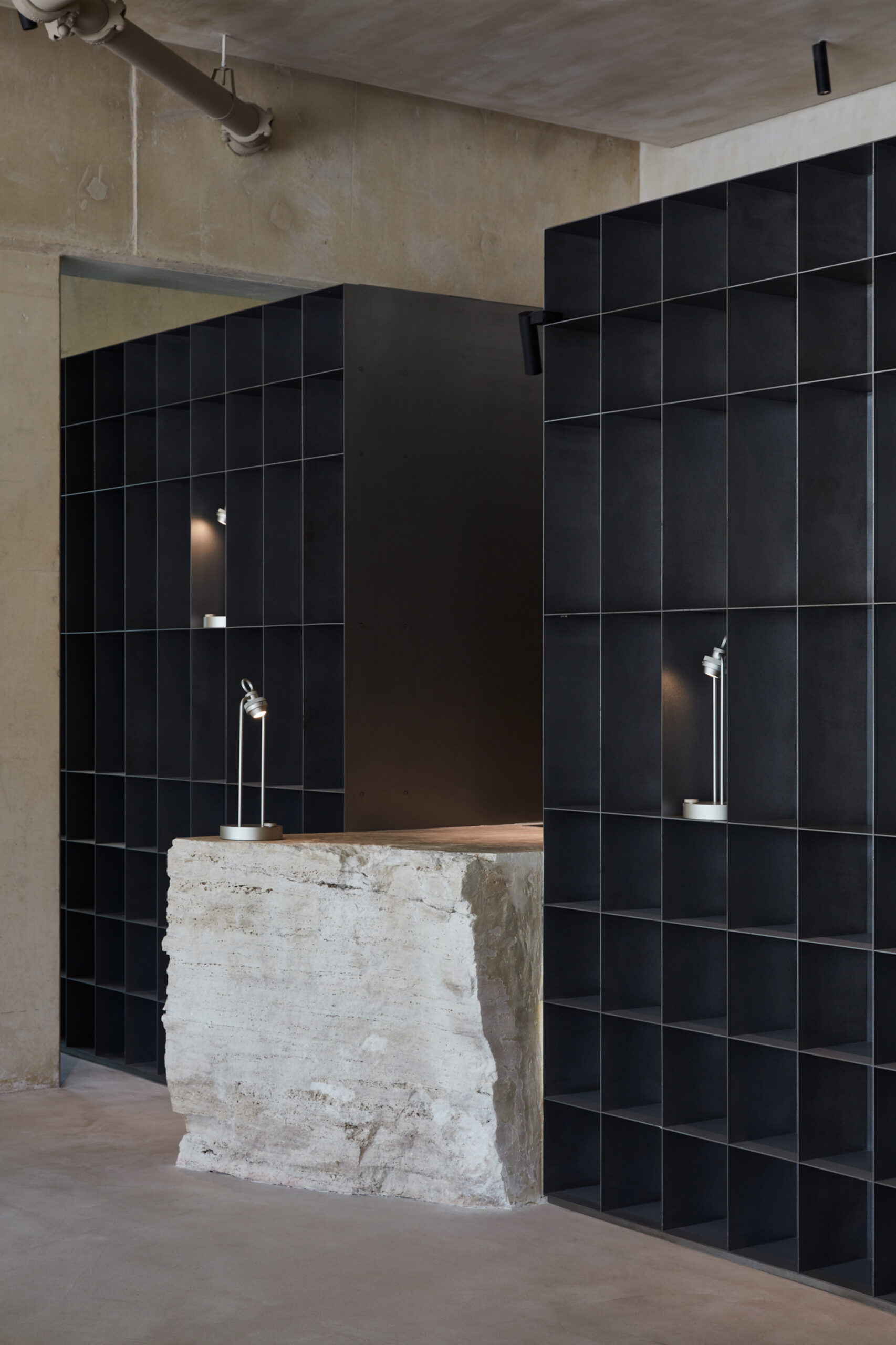
Metal Metal Fabrik

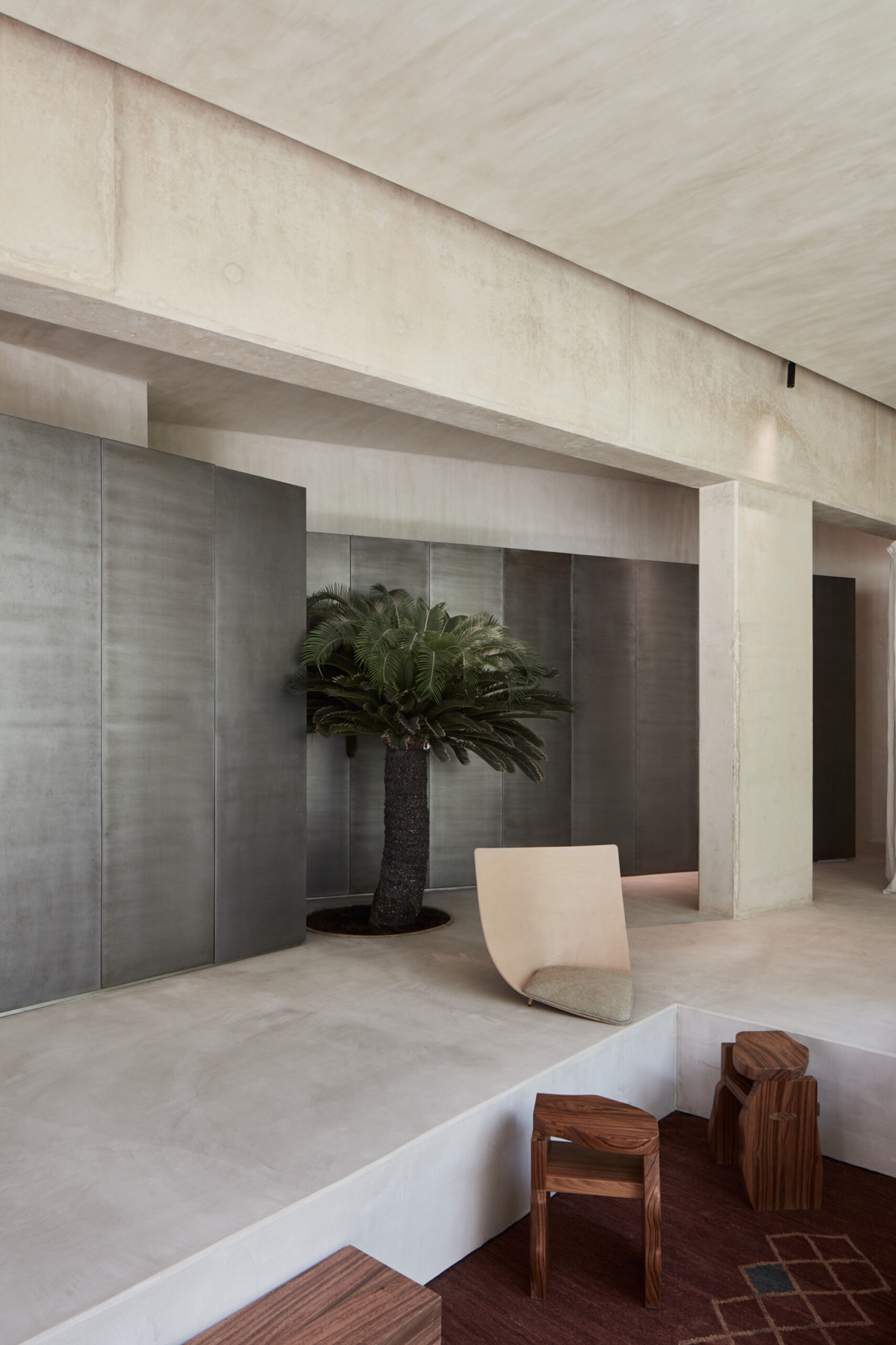
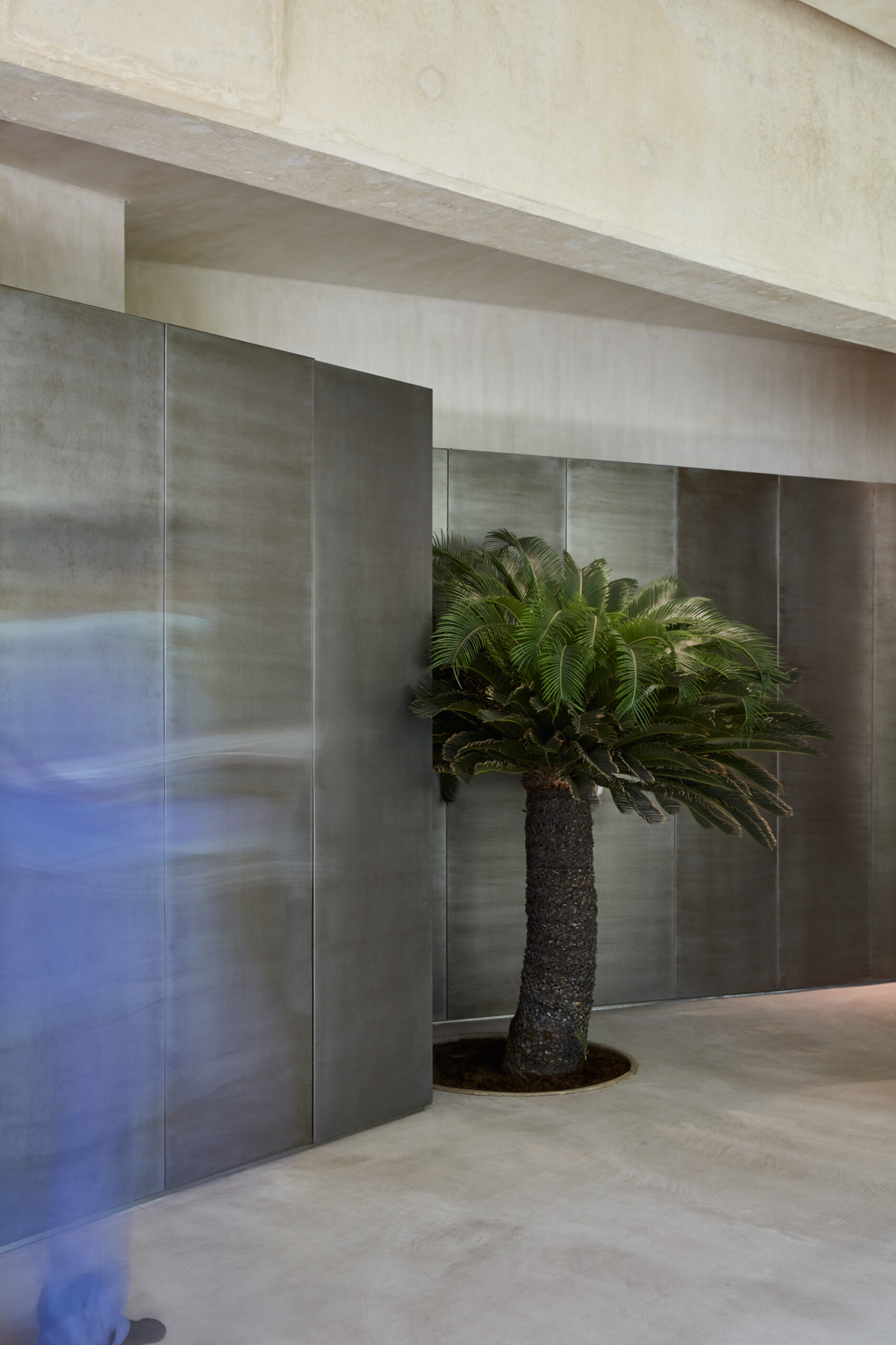
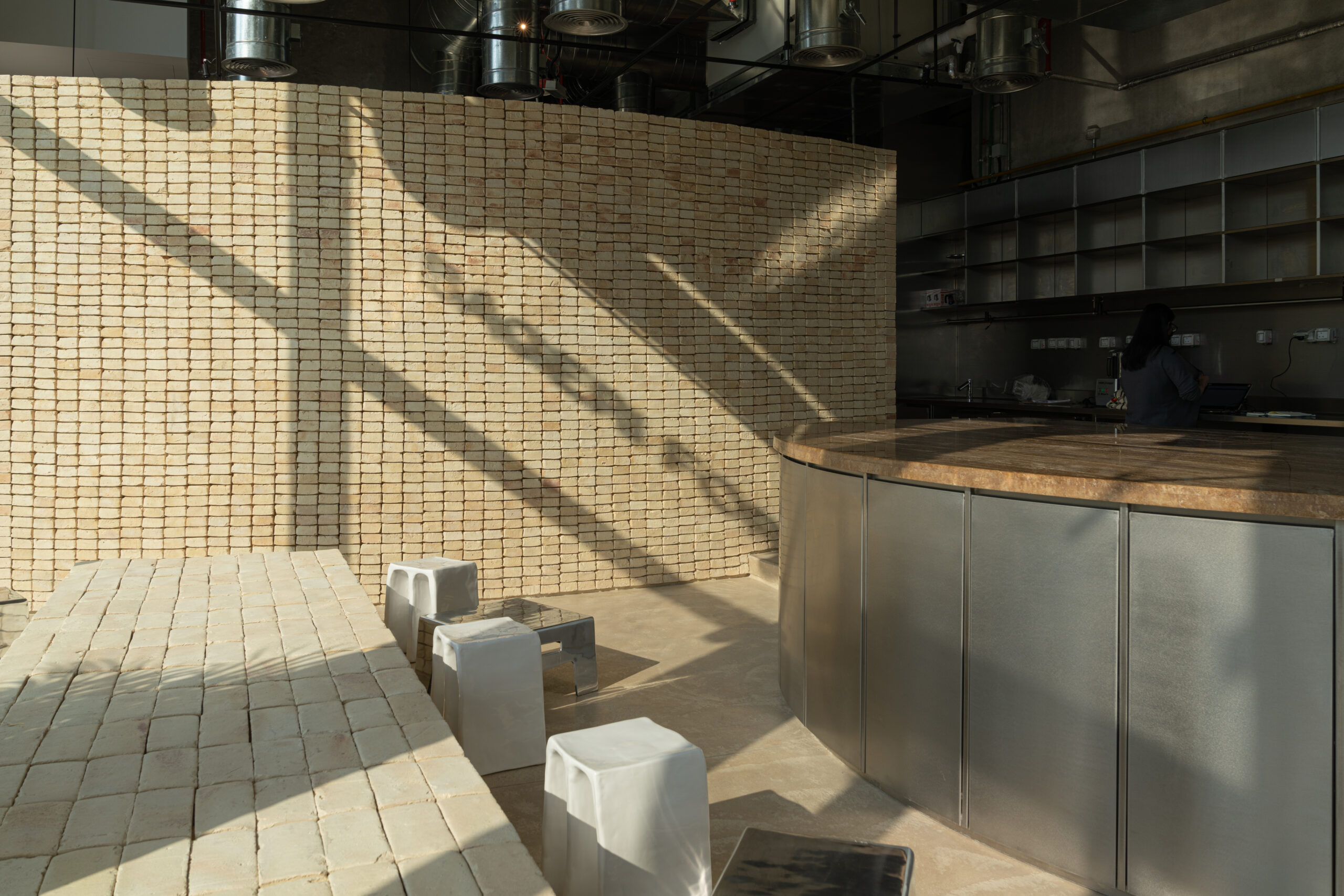
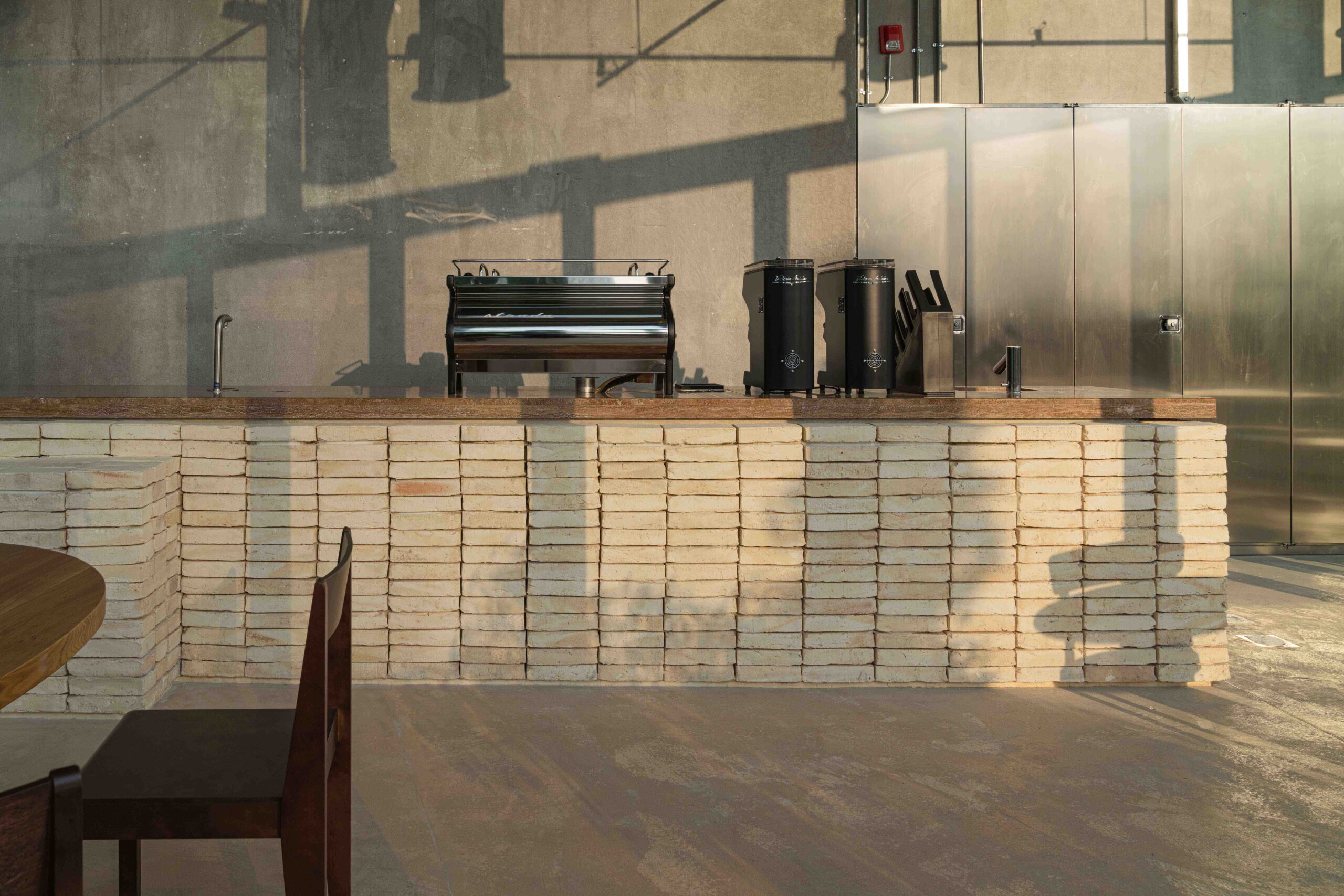
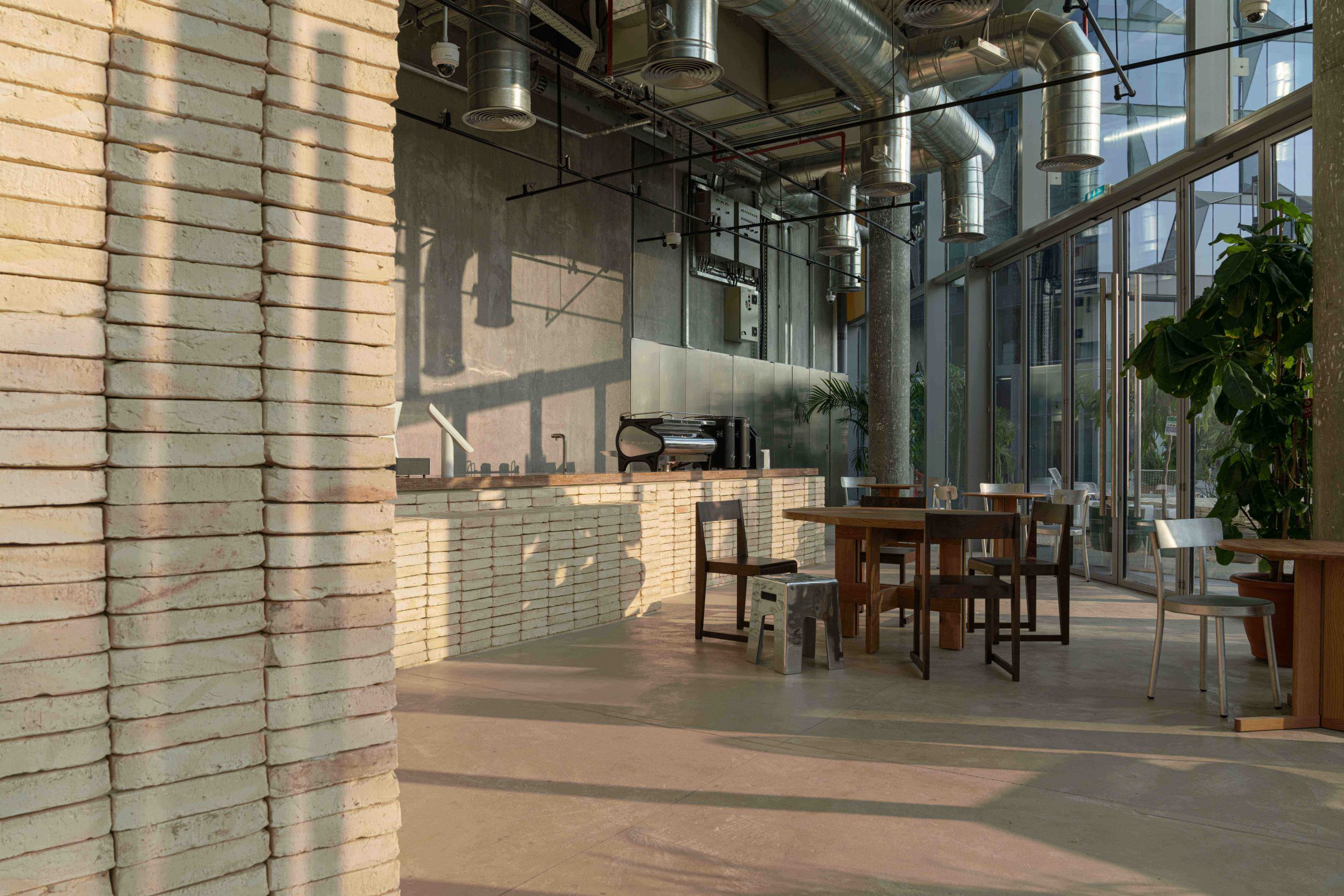
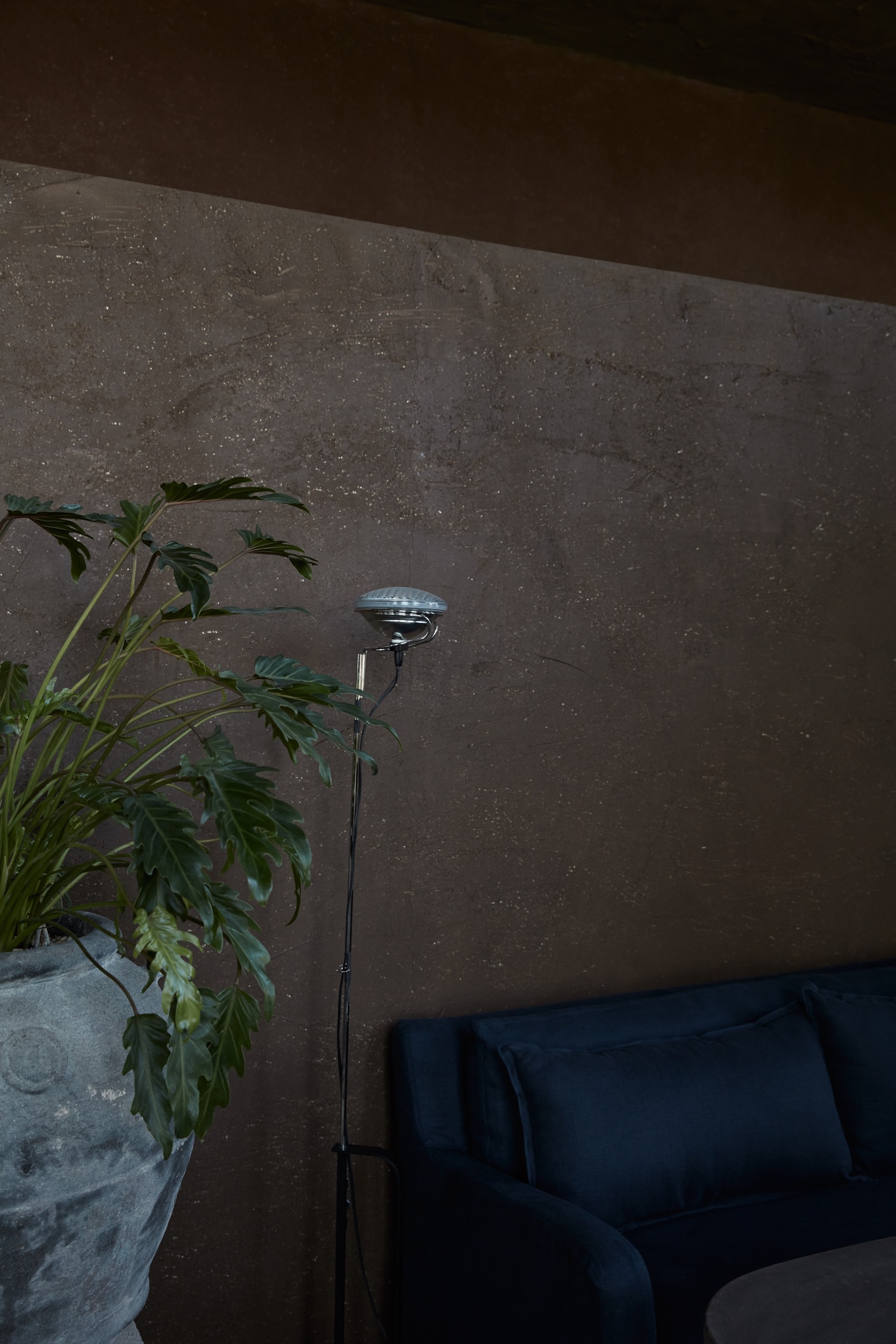
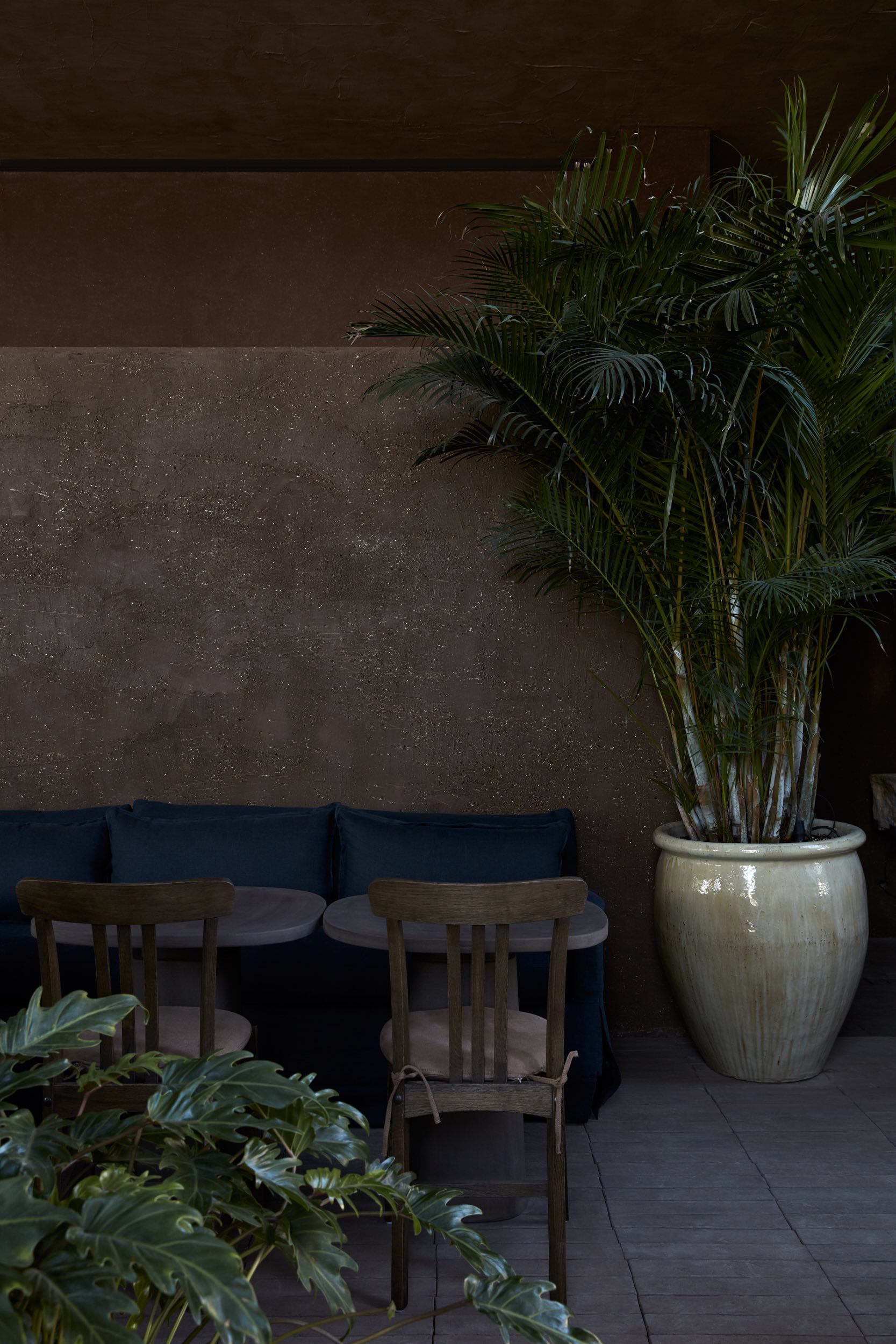
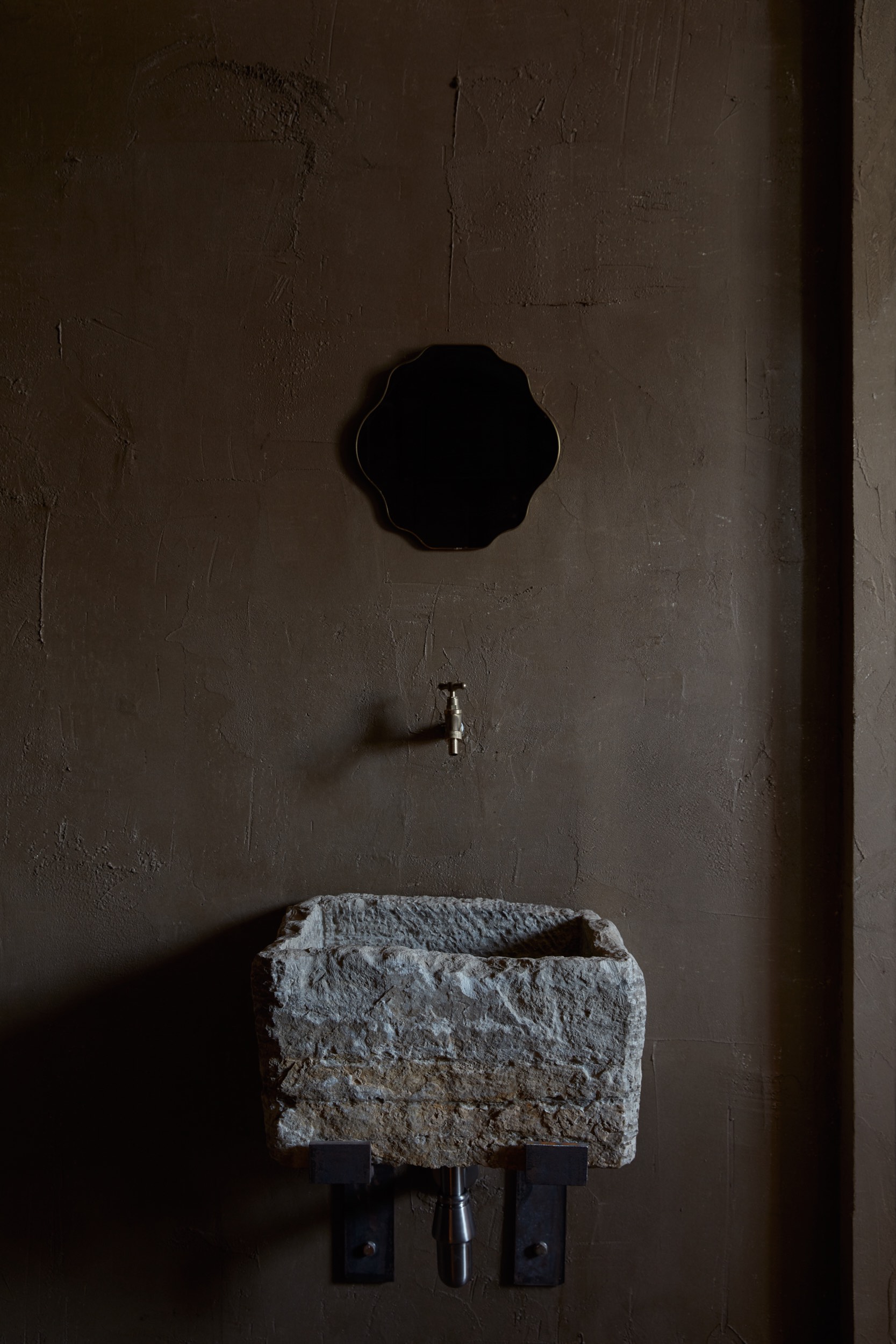
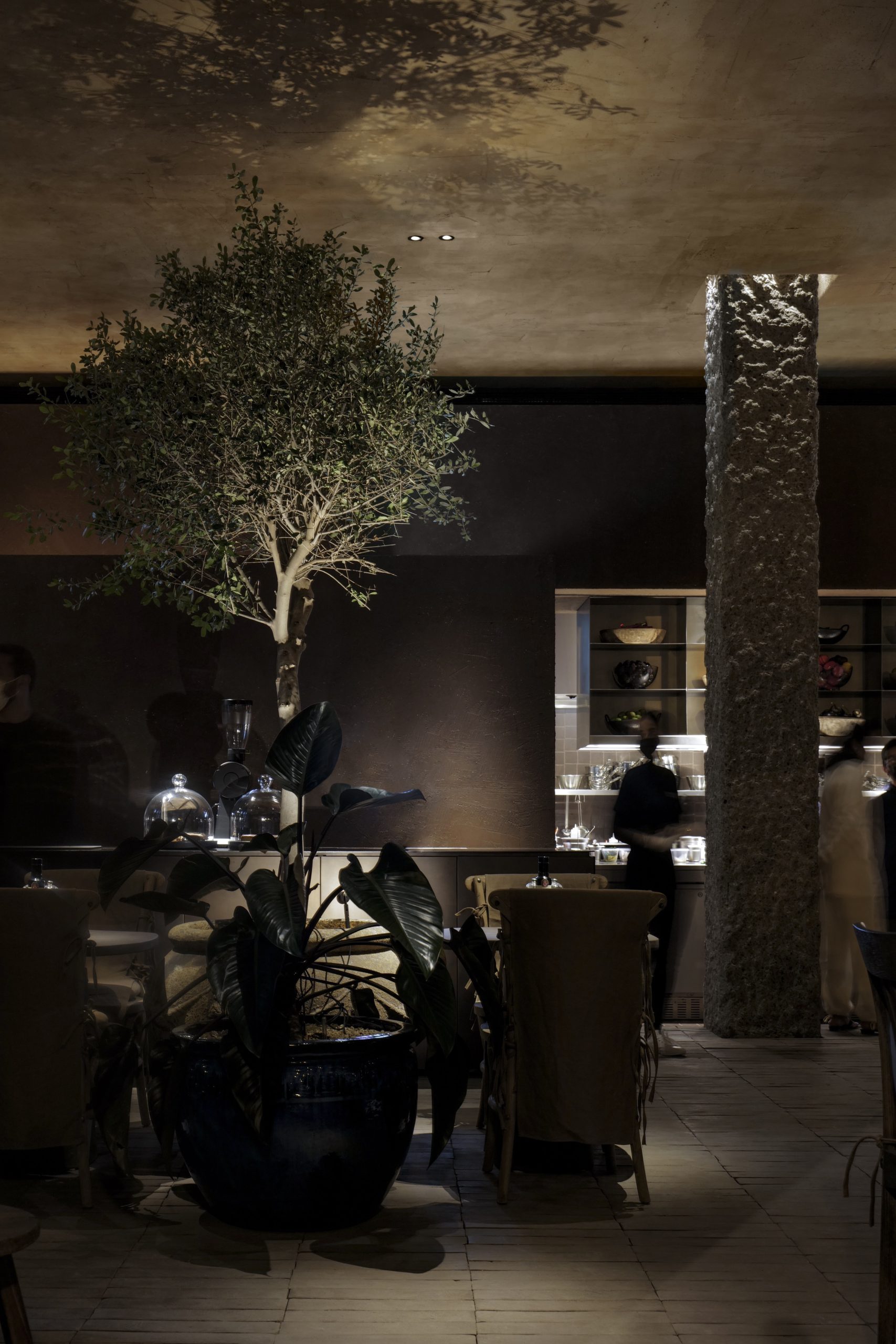
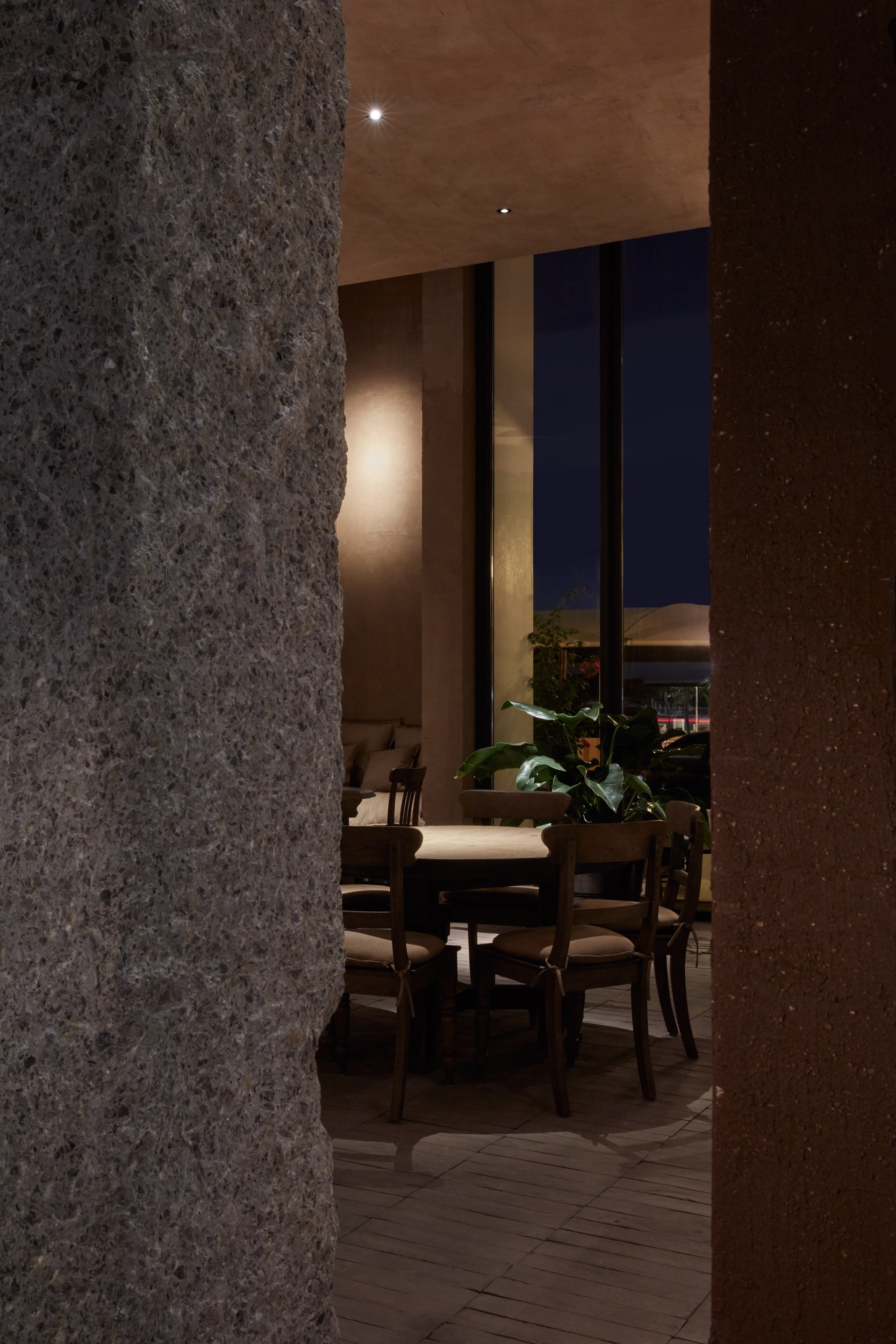
Erth is an immersive dining experience of Emirati Cuisine located in Qasr Al Hosn. It pays homage to the humility and generosity of old Emirati culinary and cultural practices. Emirati cooking processes played a significant role in influencing the design direction of the space as it helped reinterpret the conventional restaurant typology into one that accommodates for the dynamic nature of Emirati cooking.

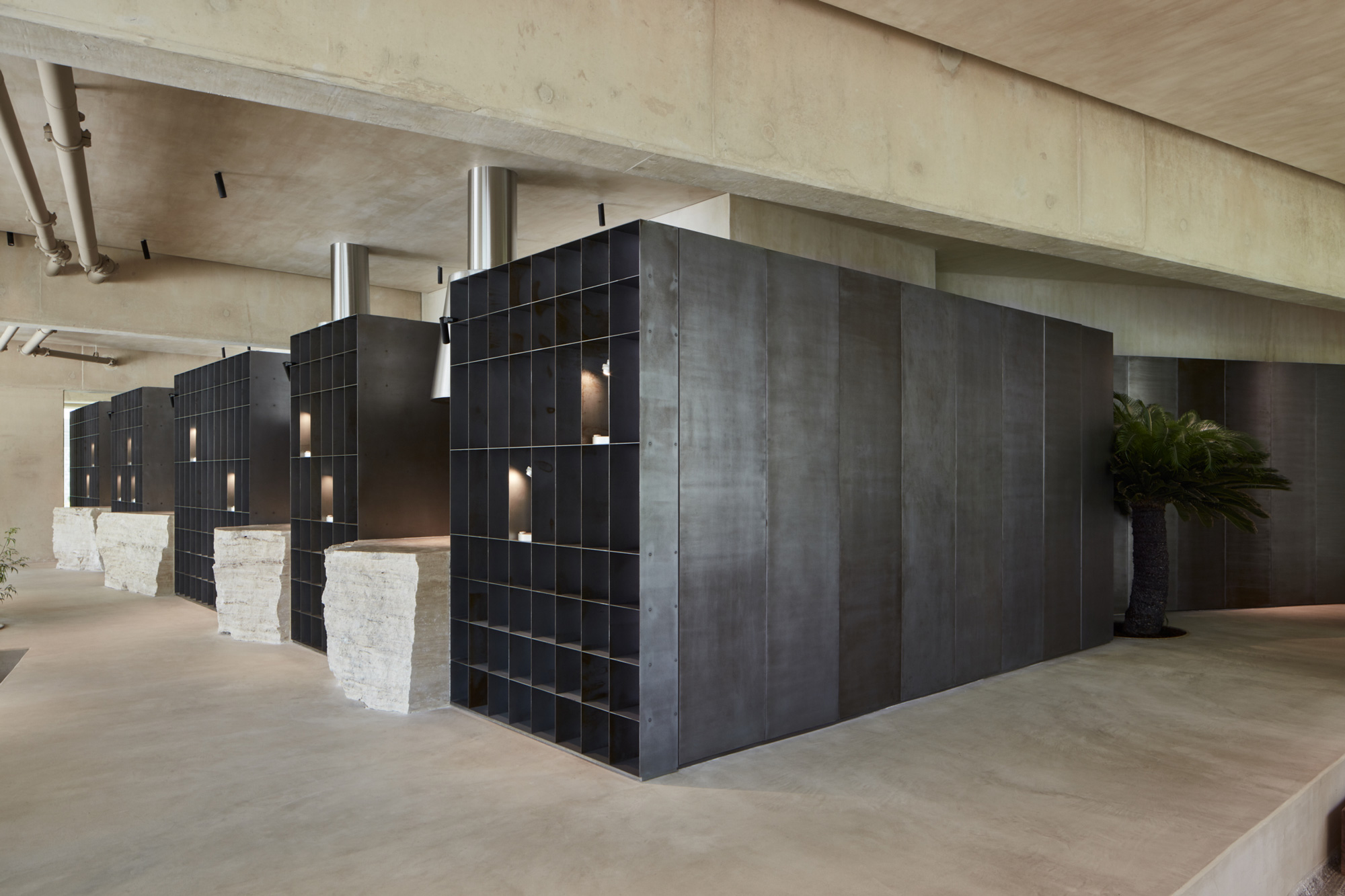
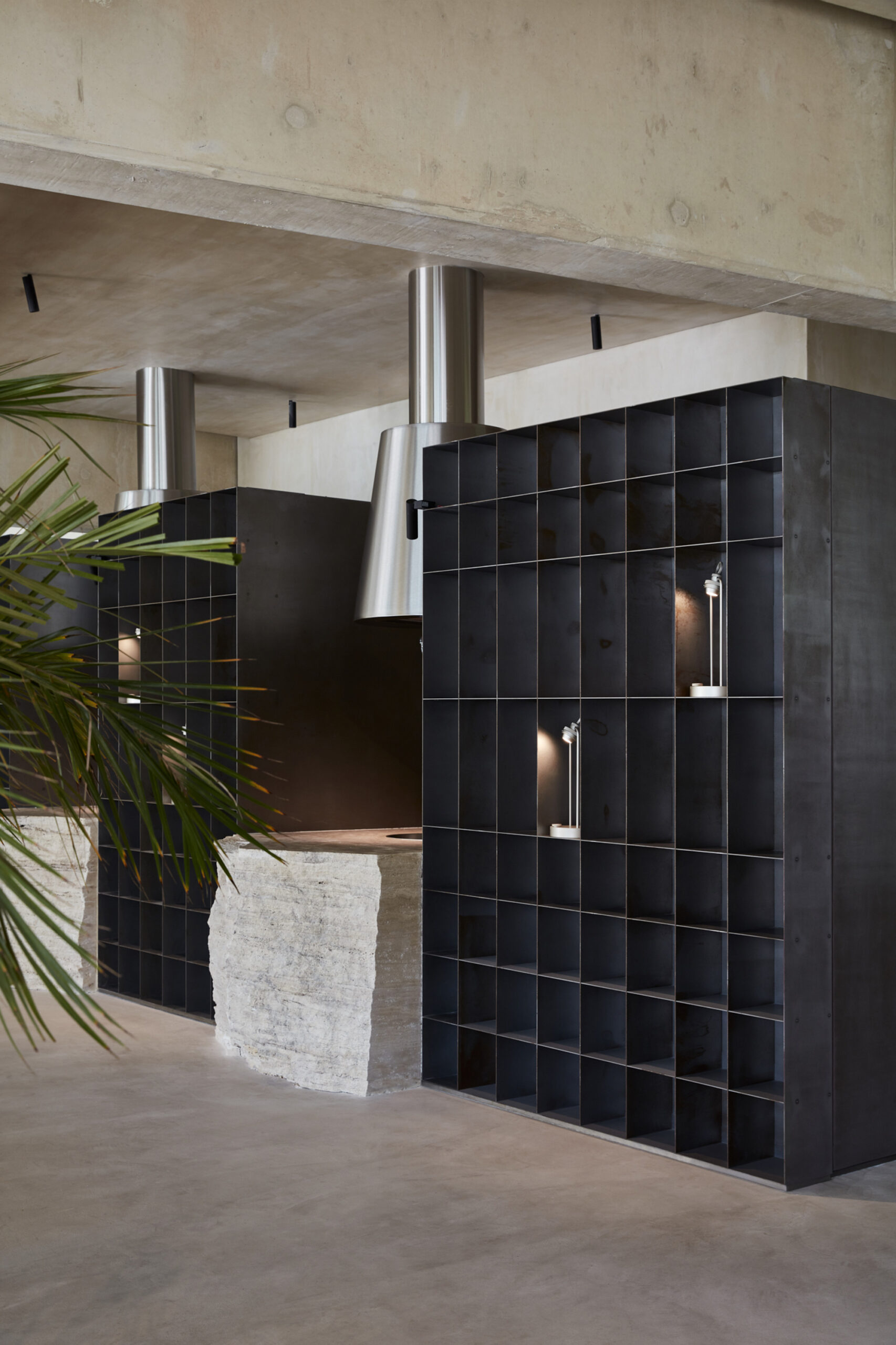
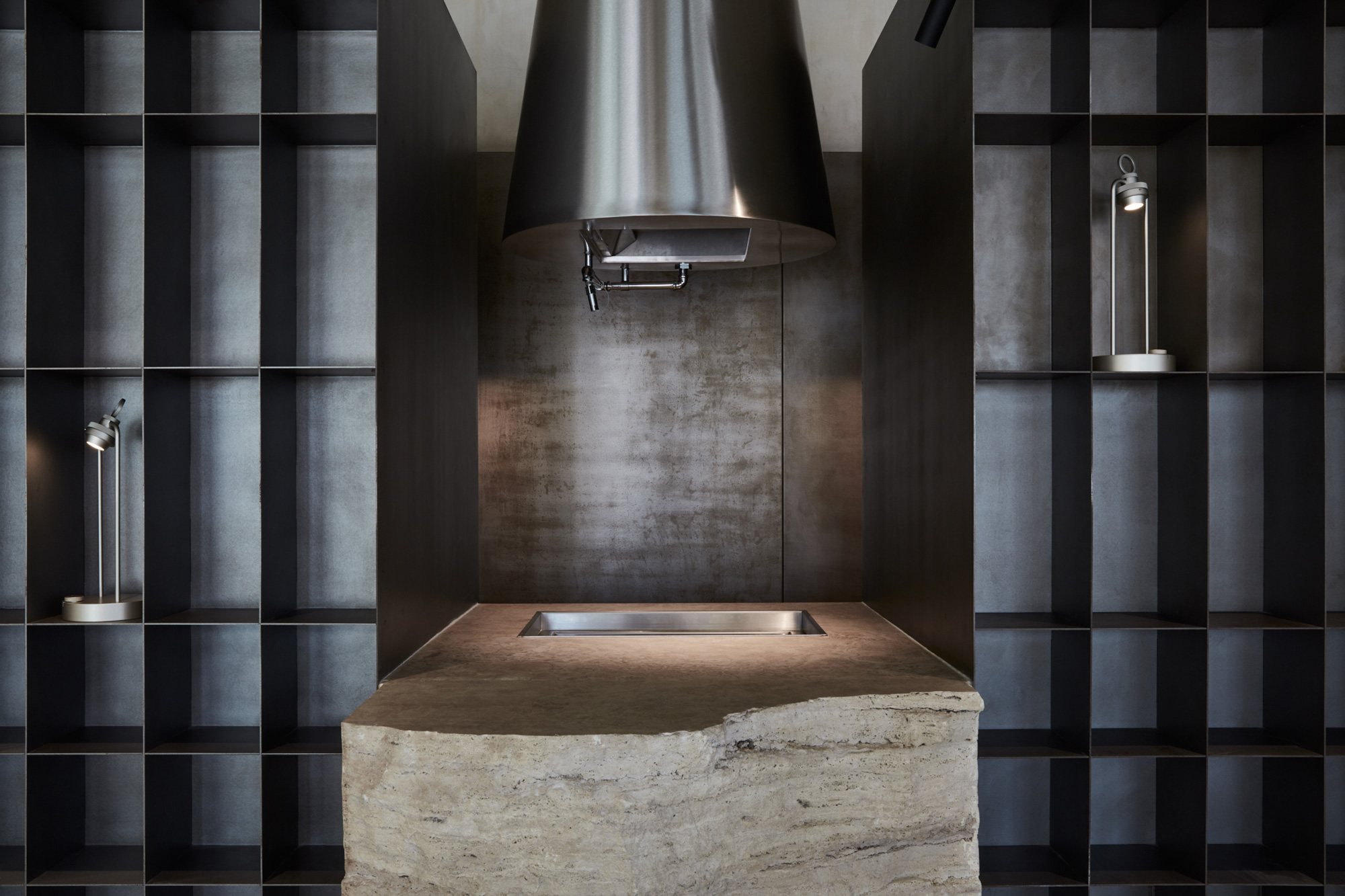
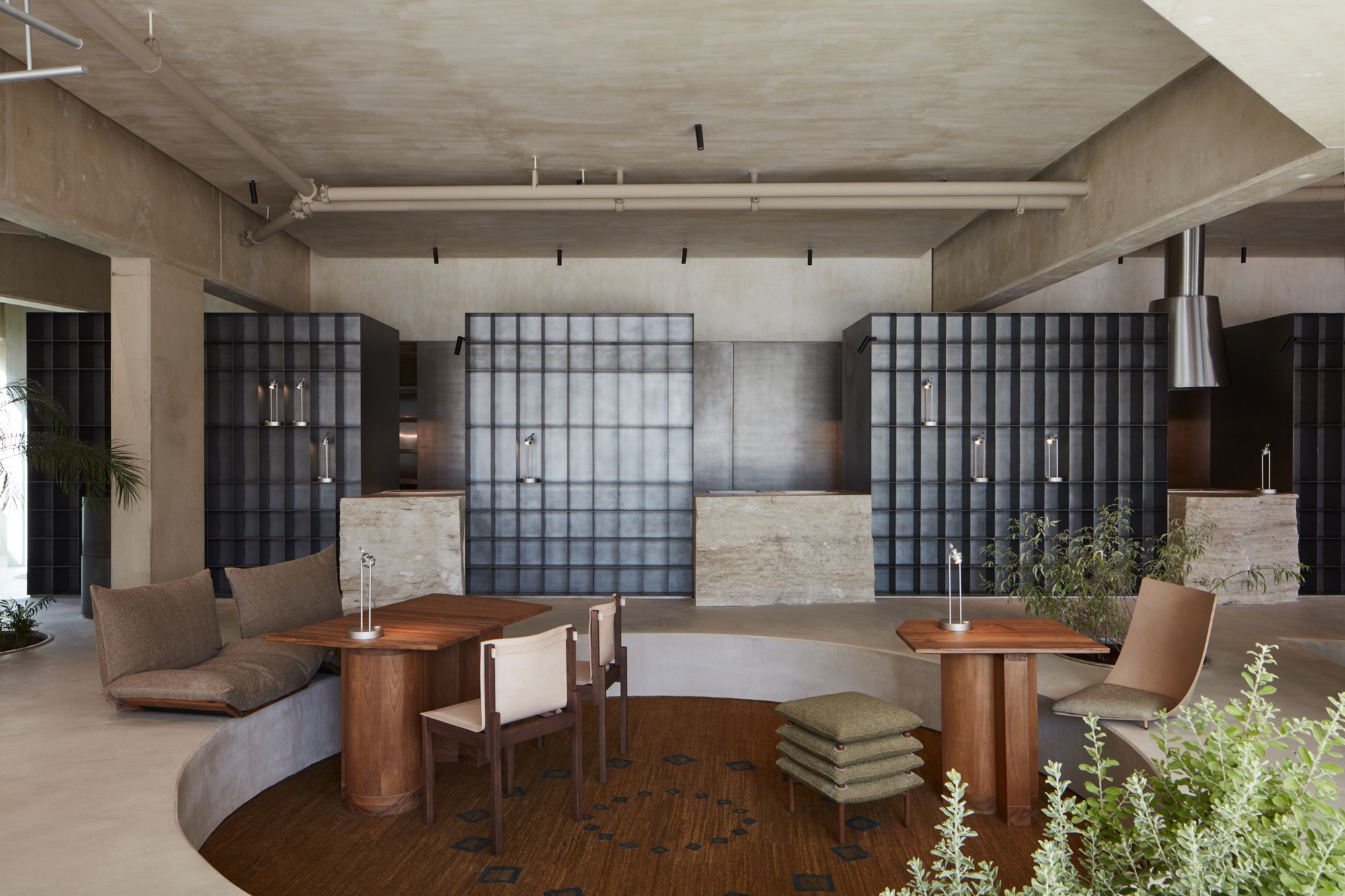
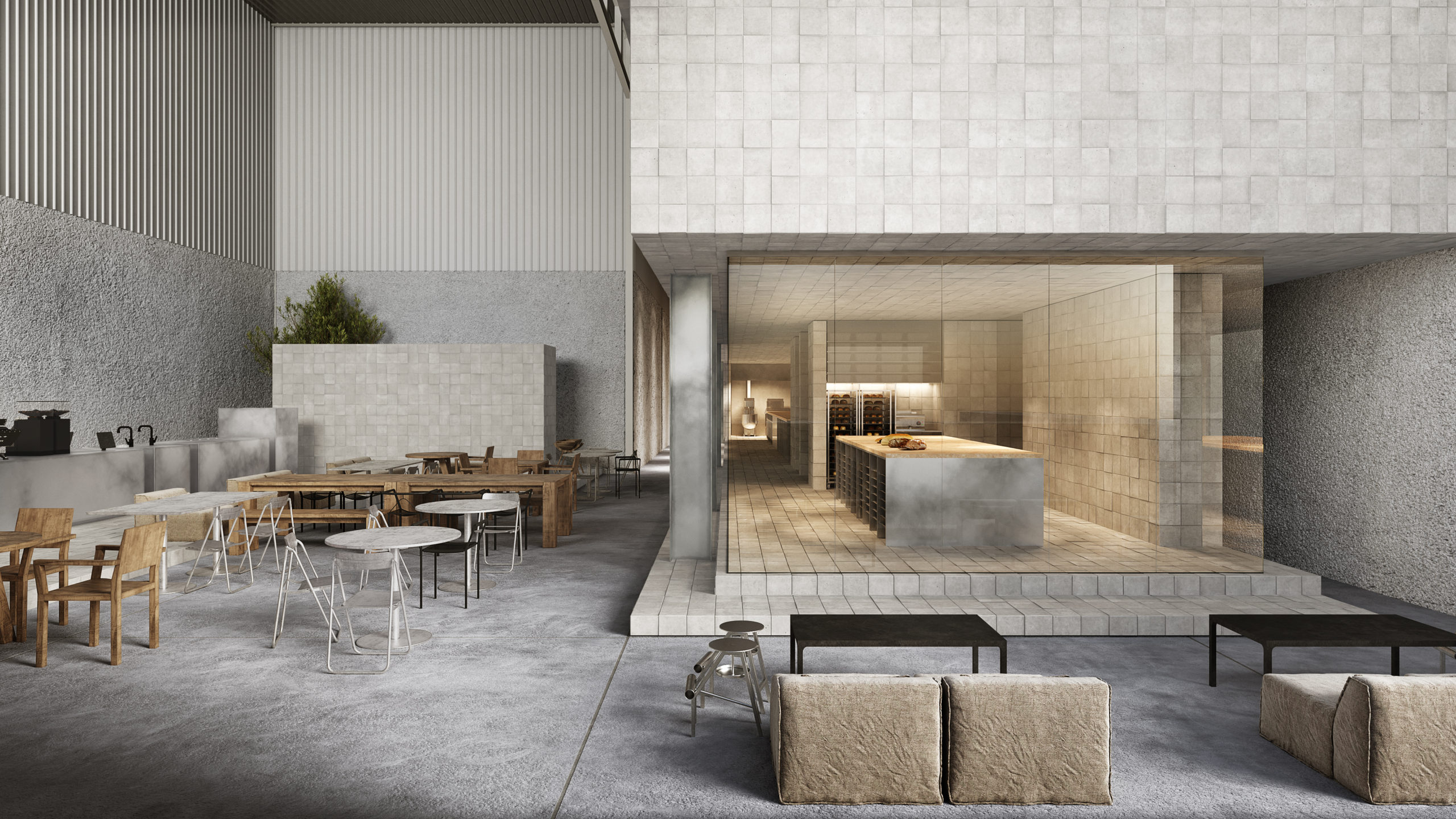
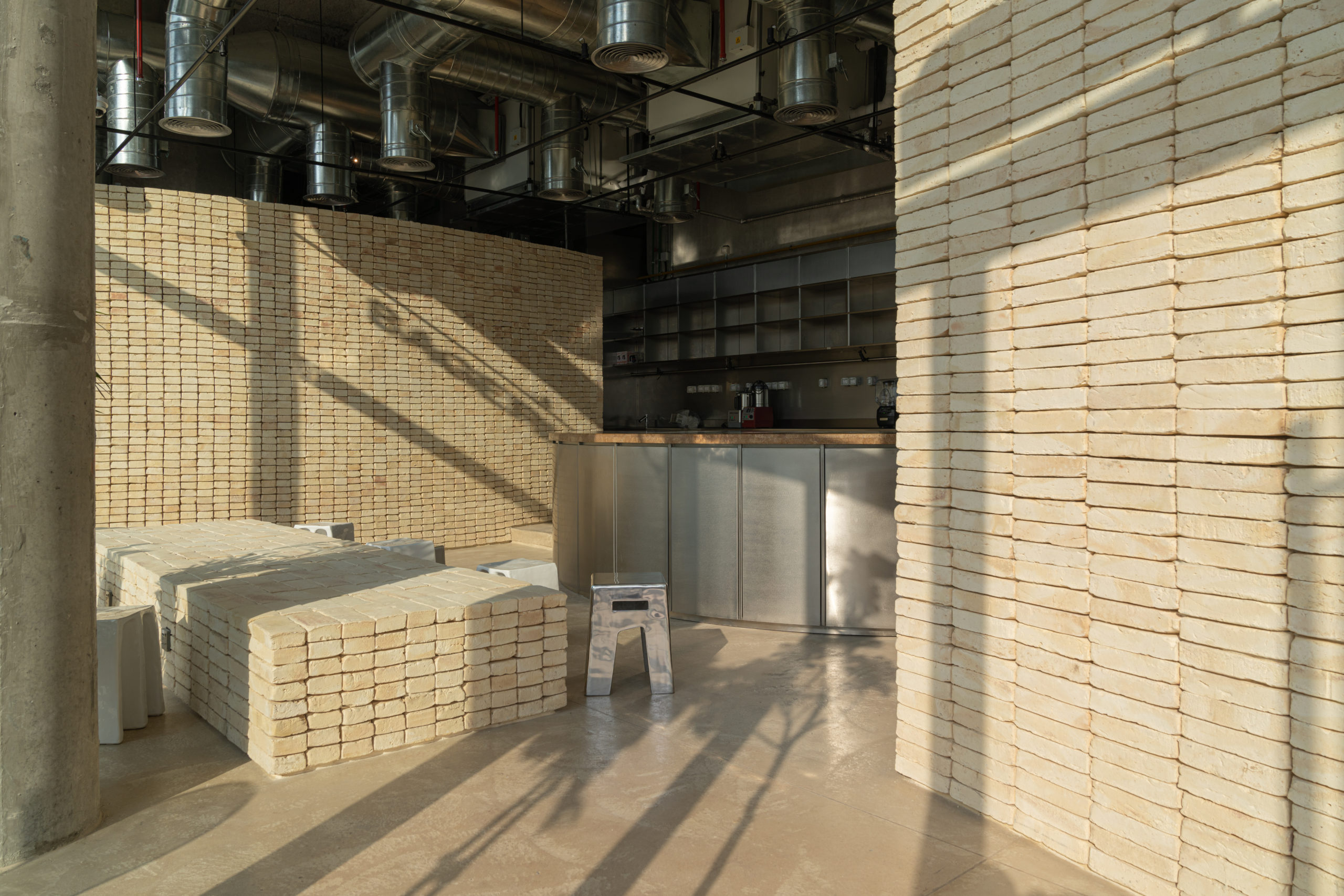
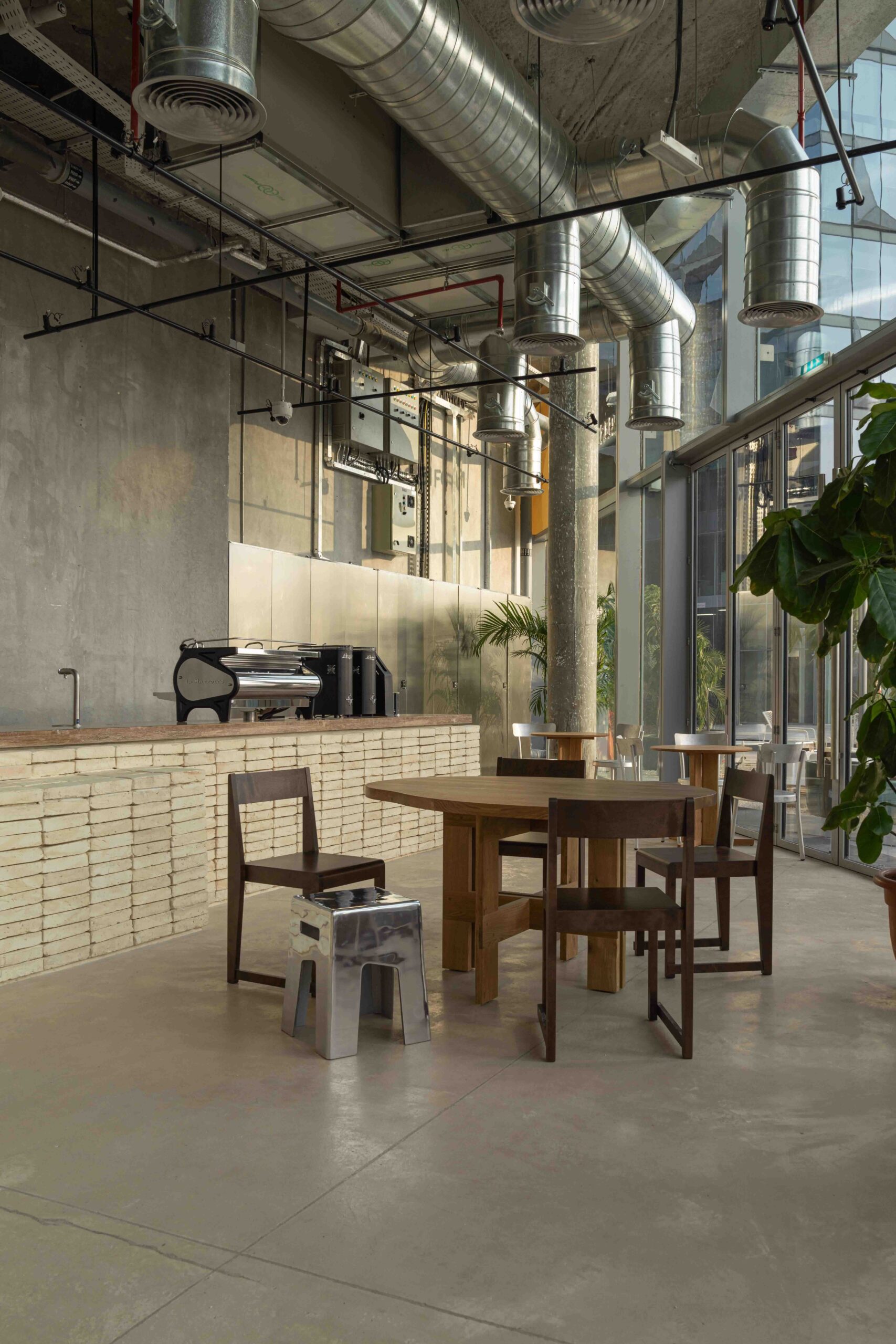
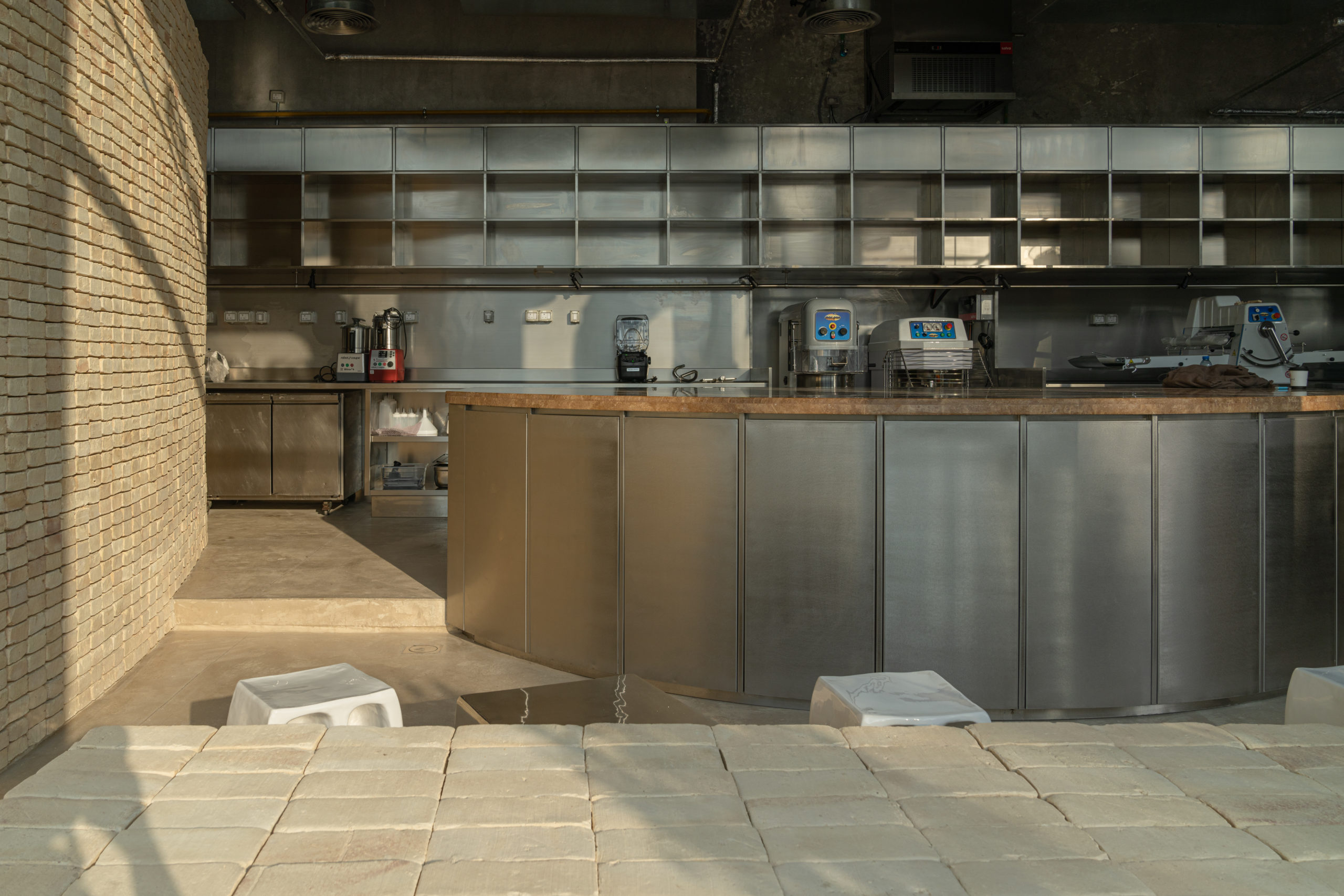
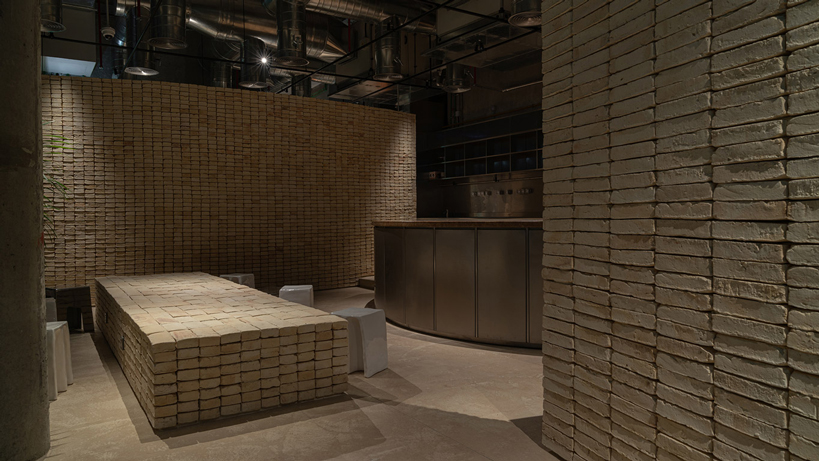
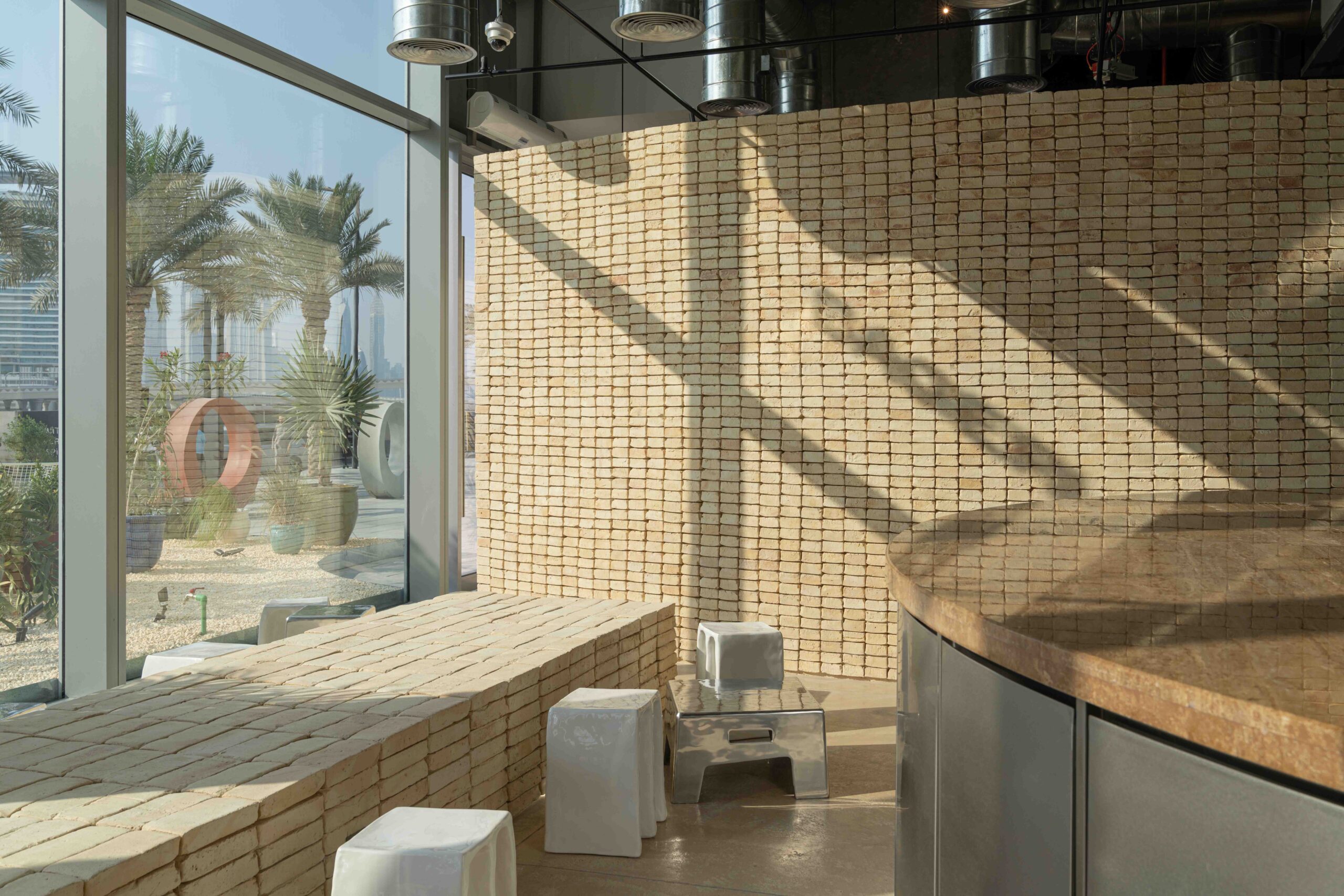
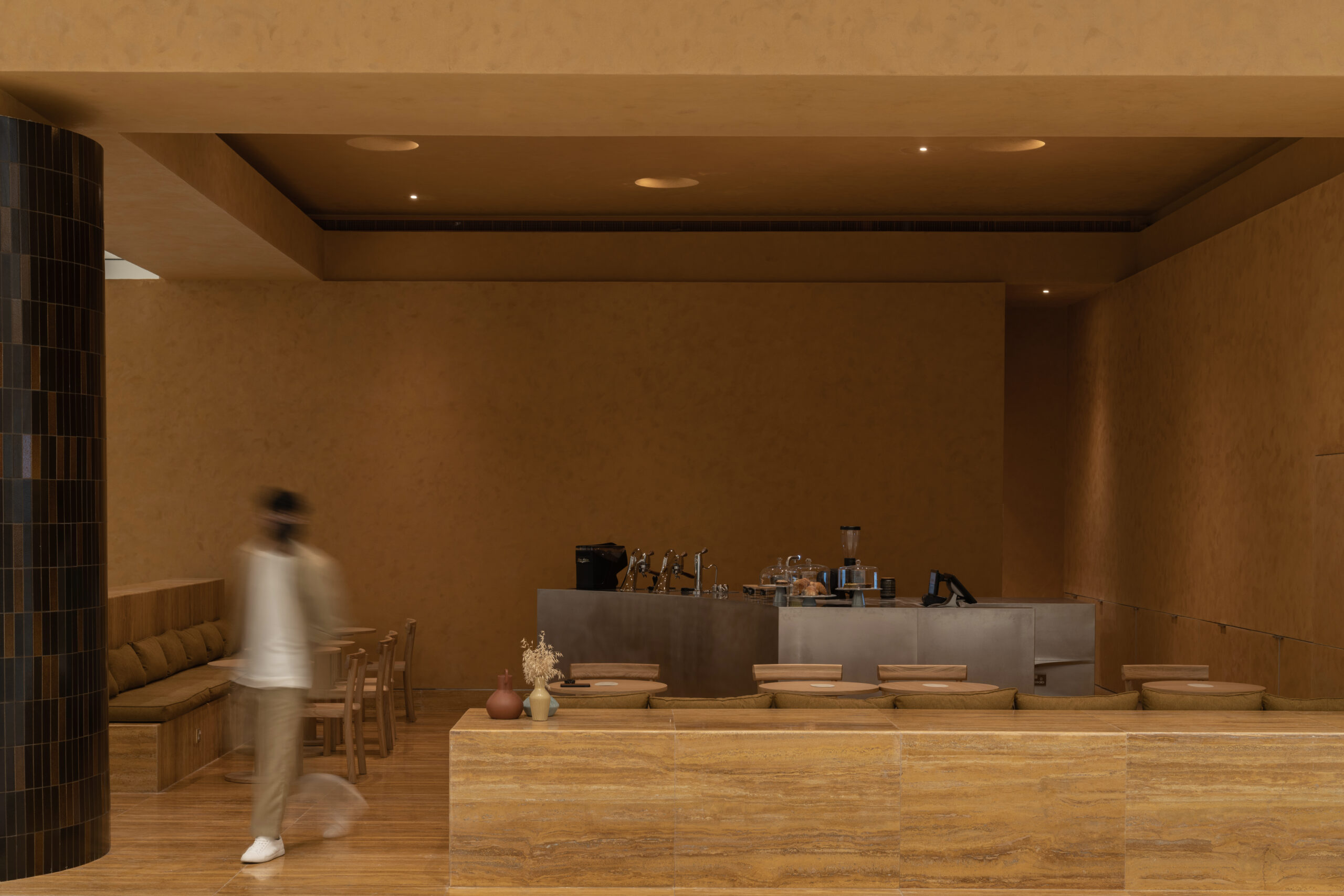
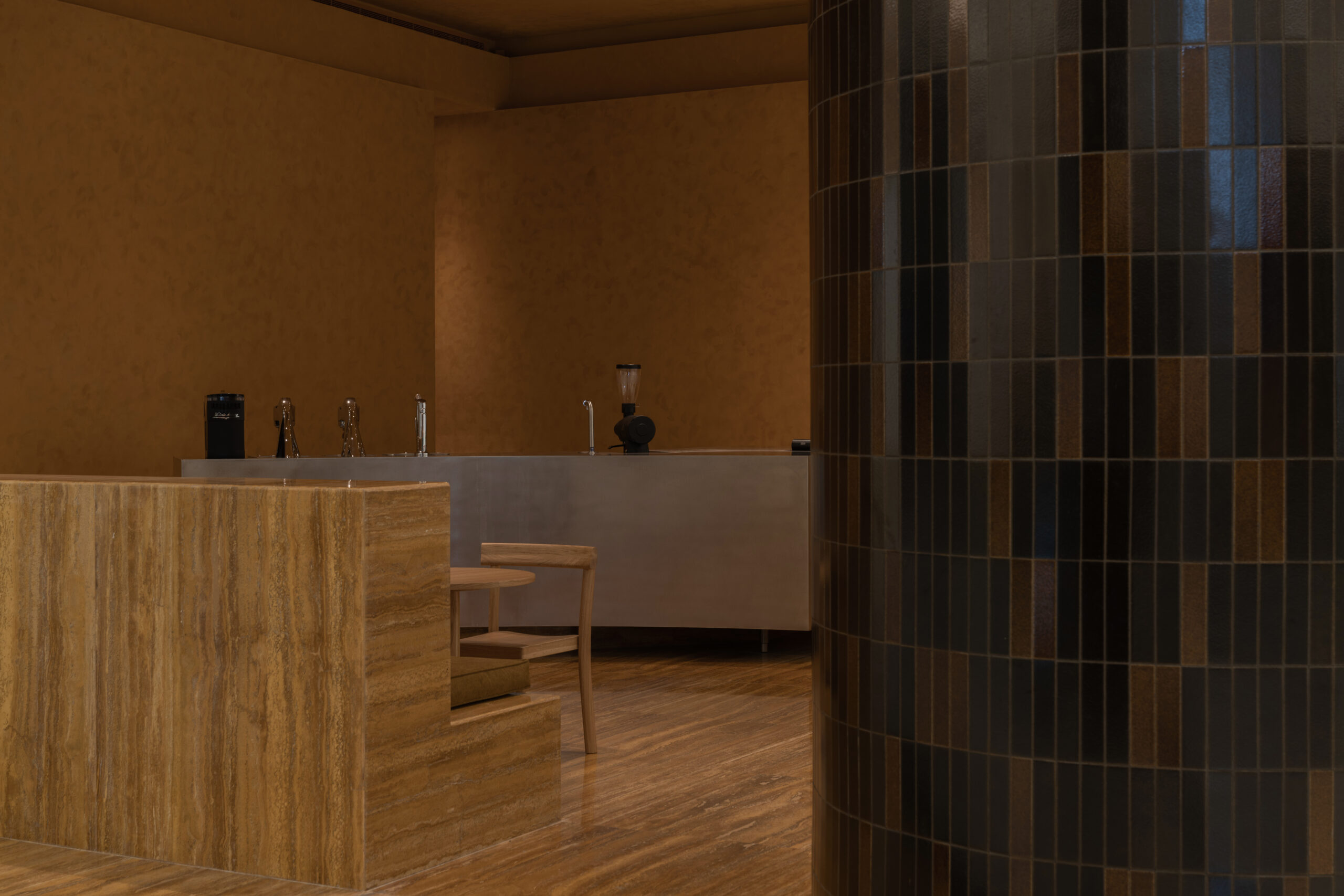
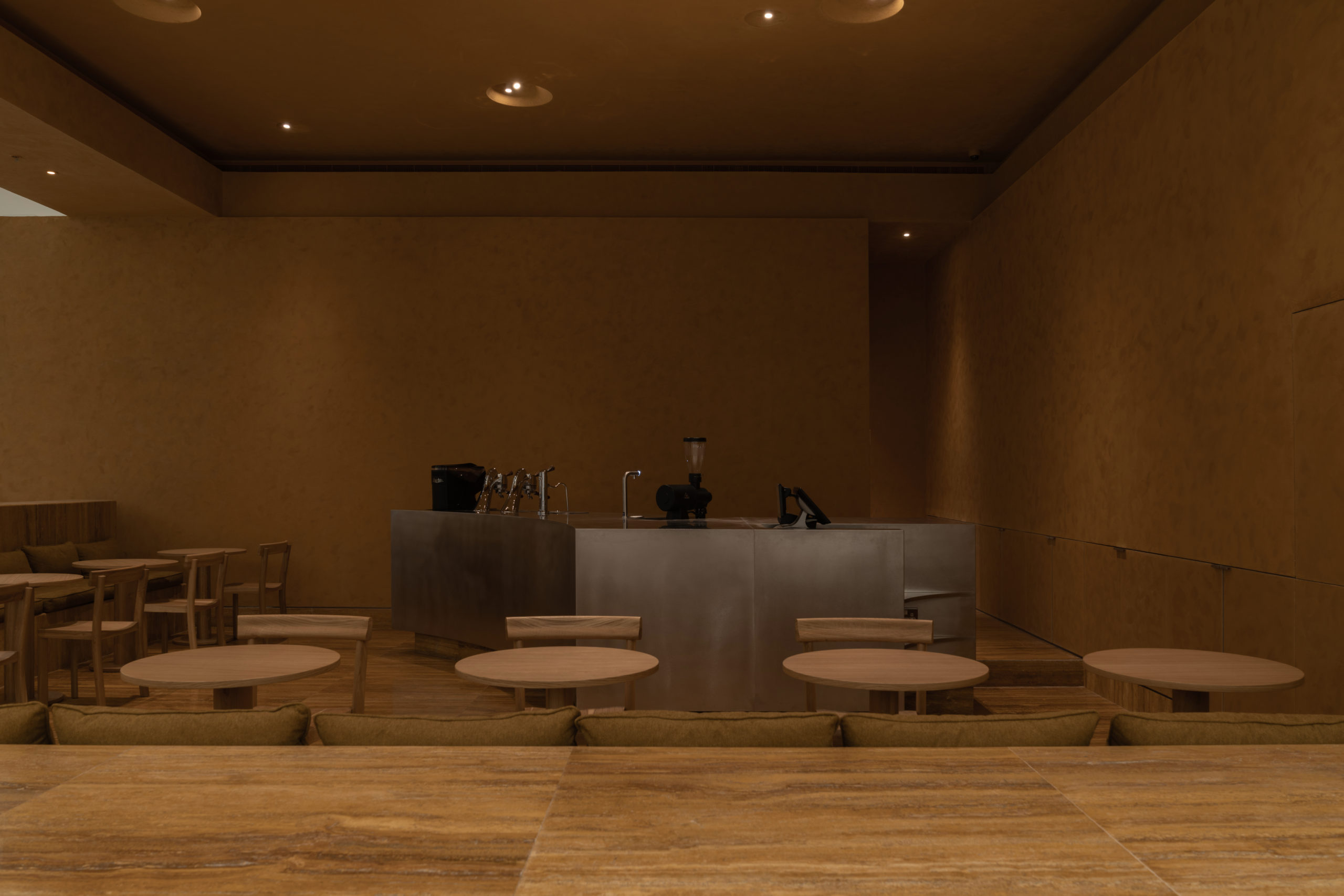
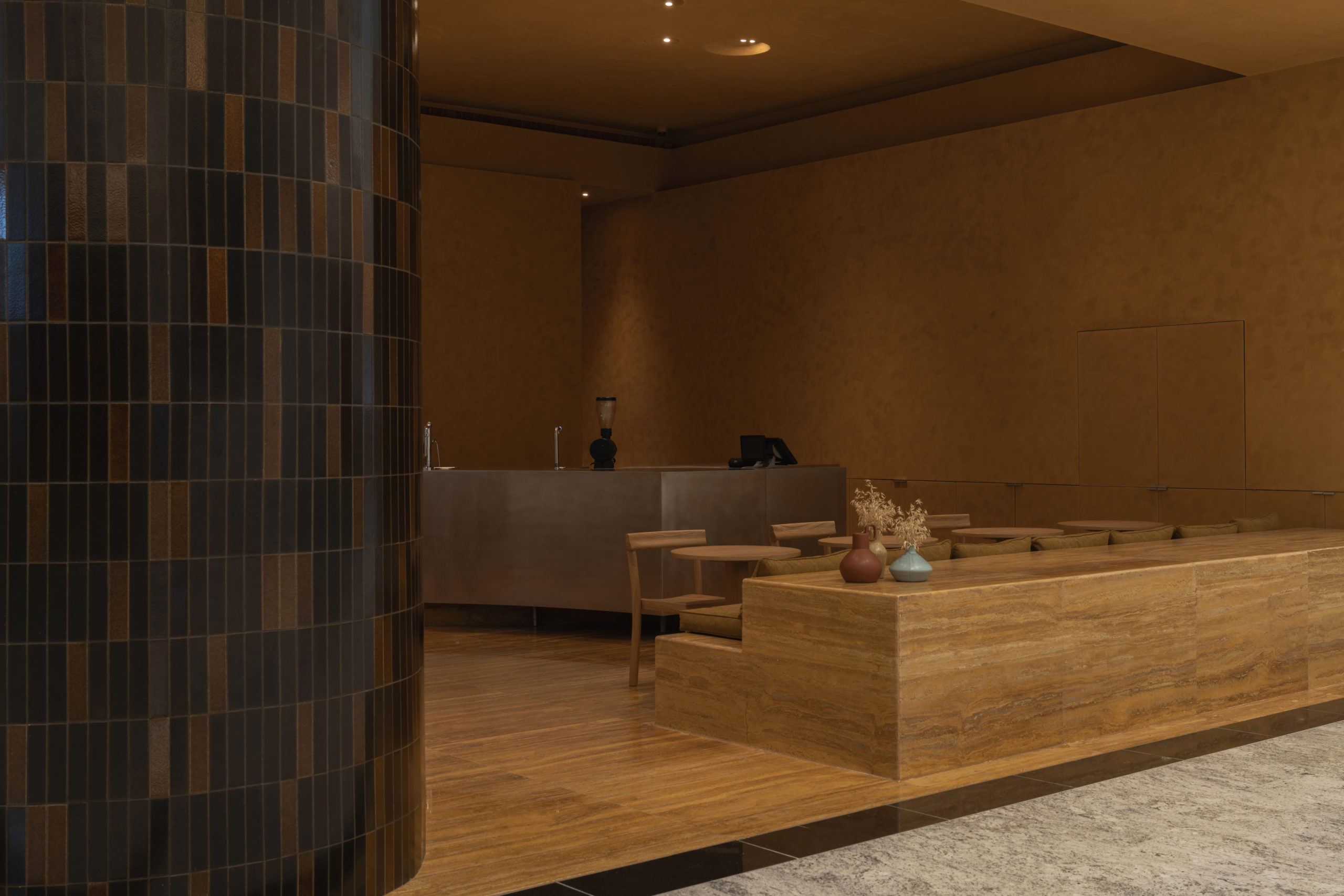
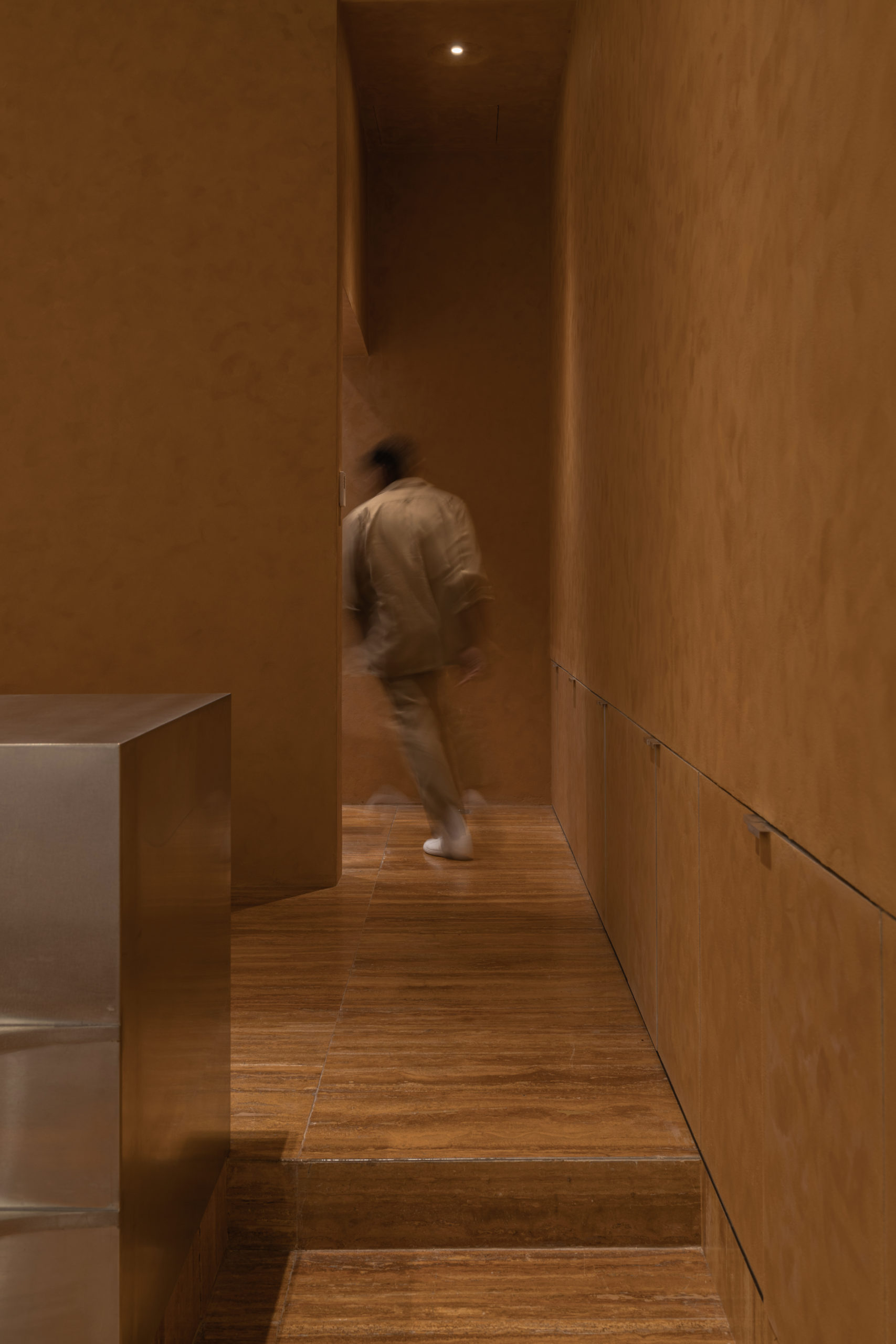
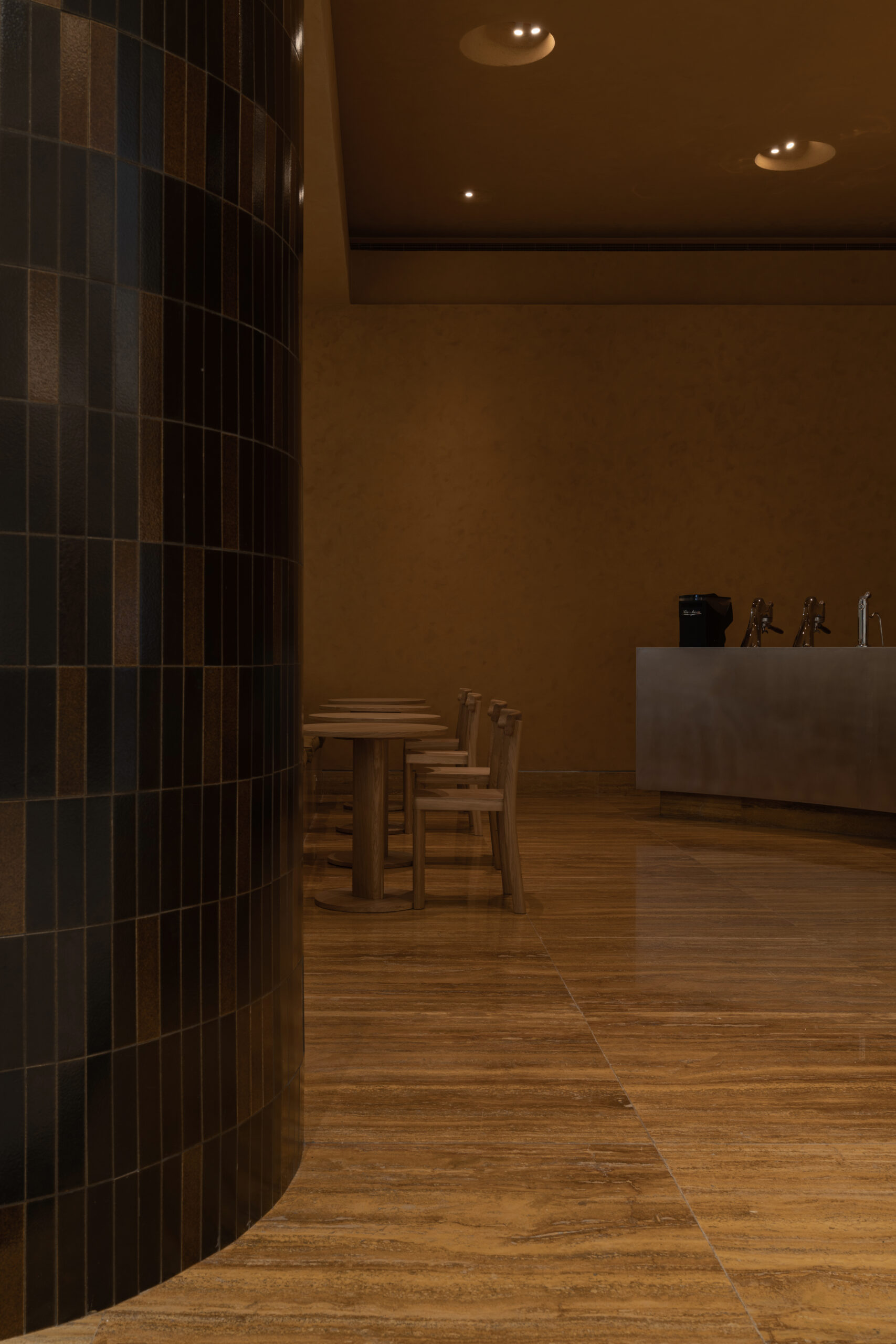
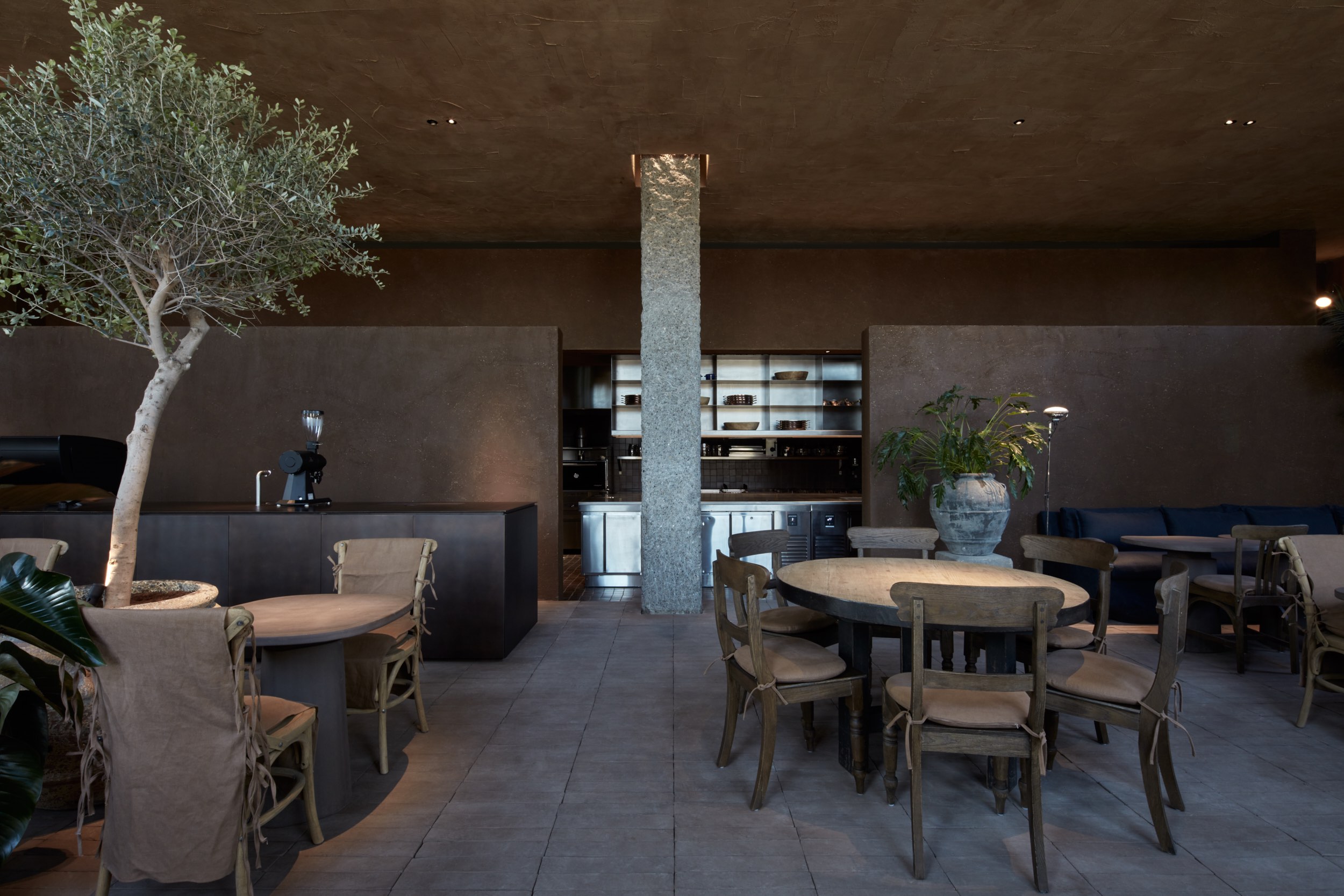
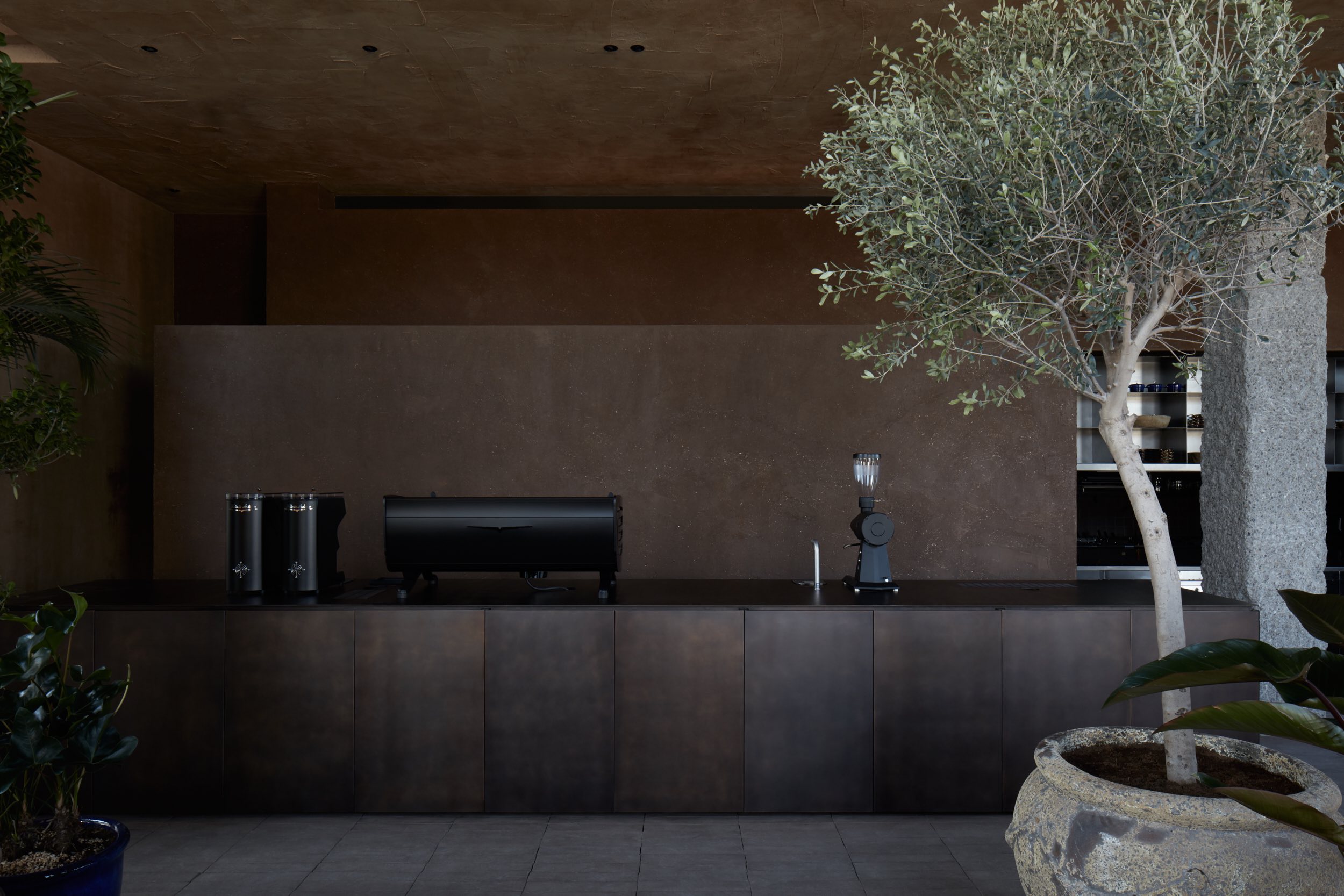
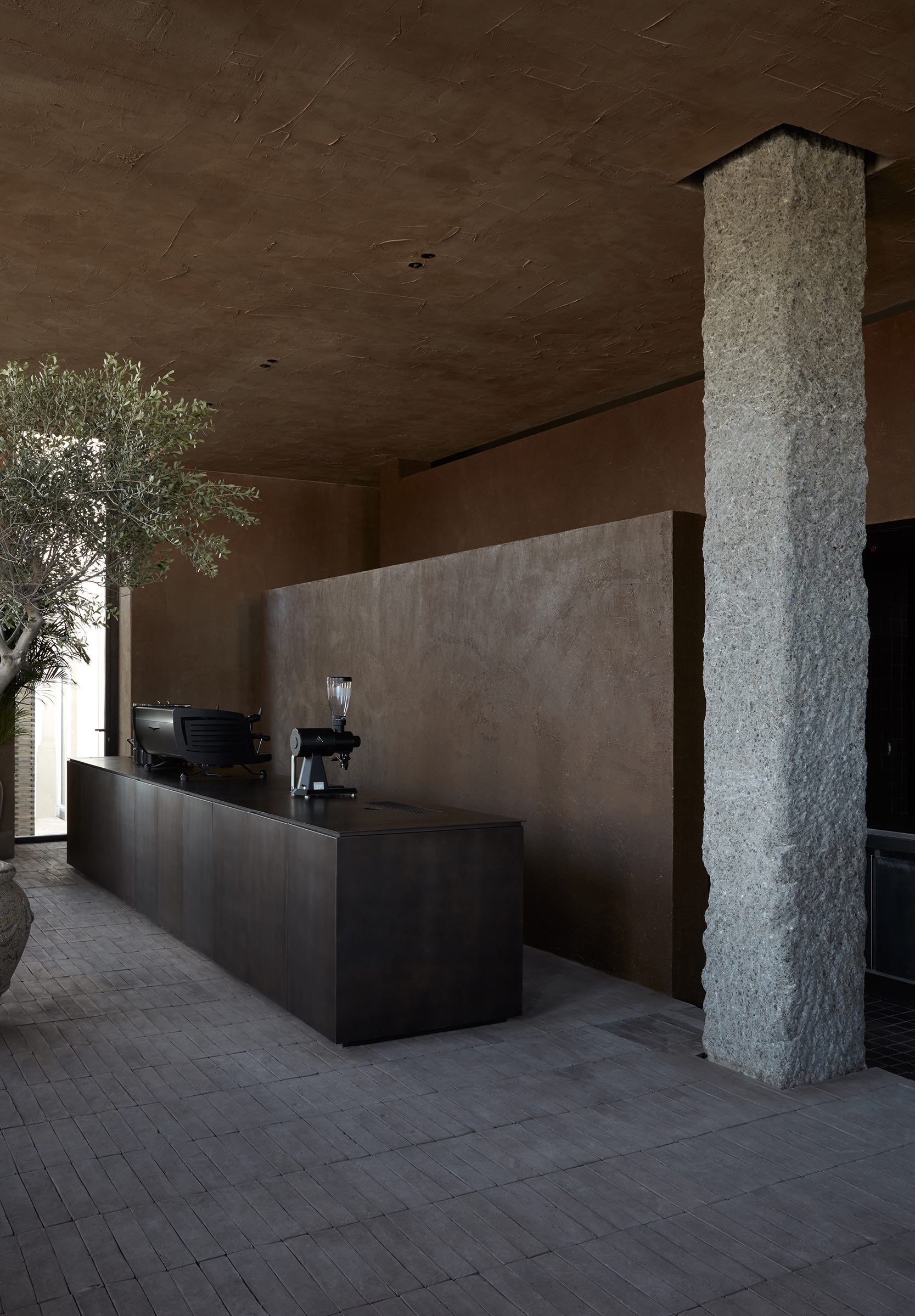
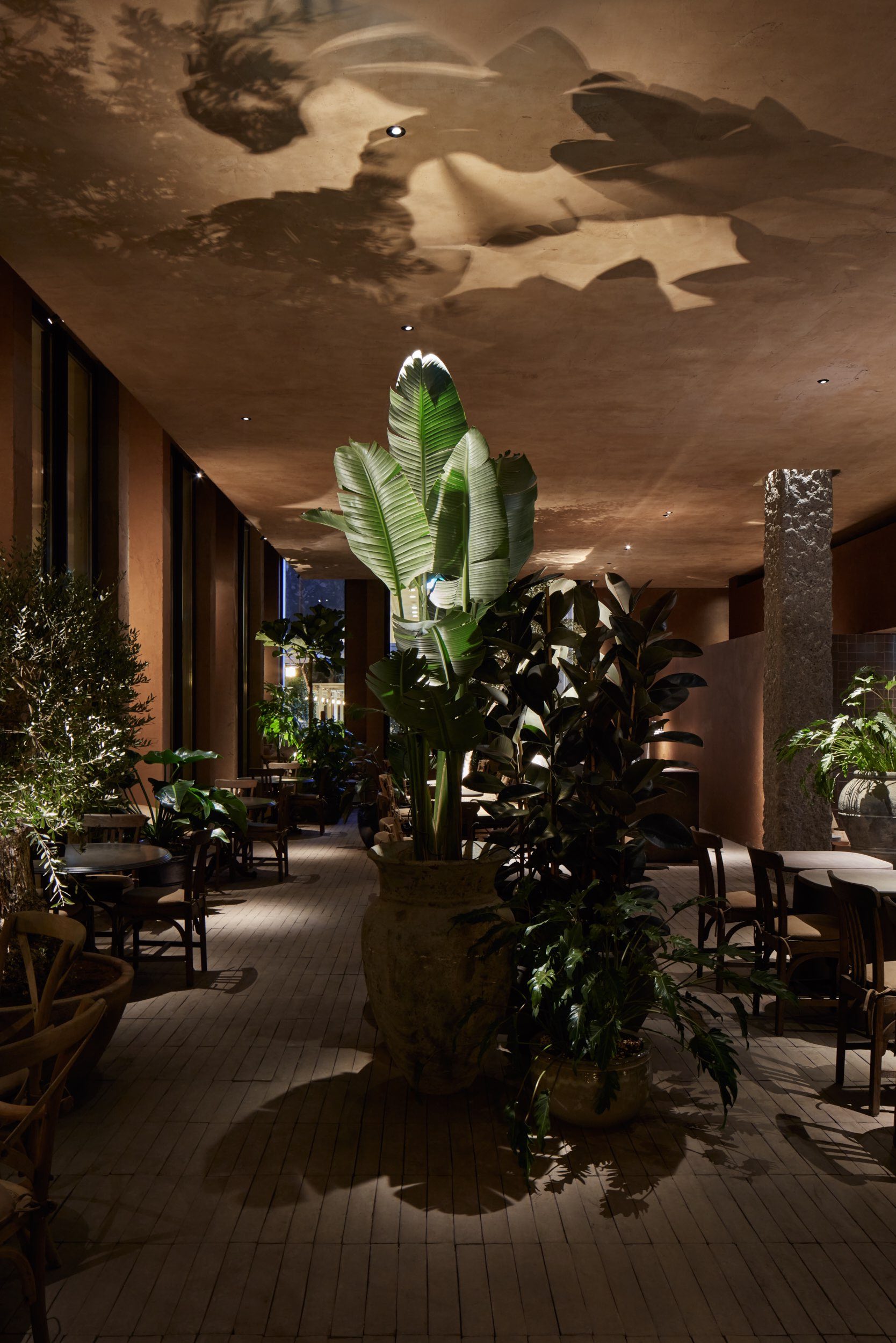
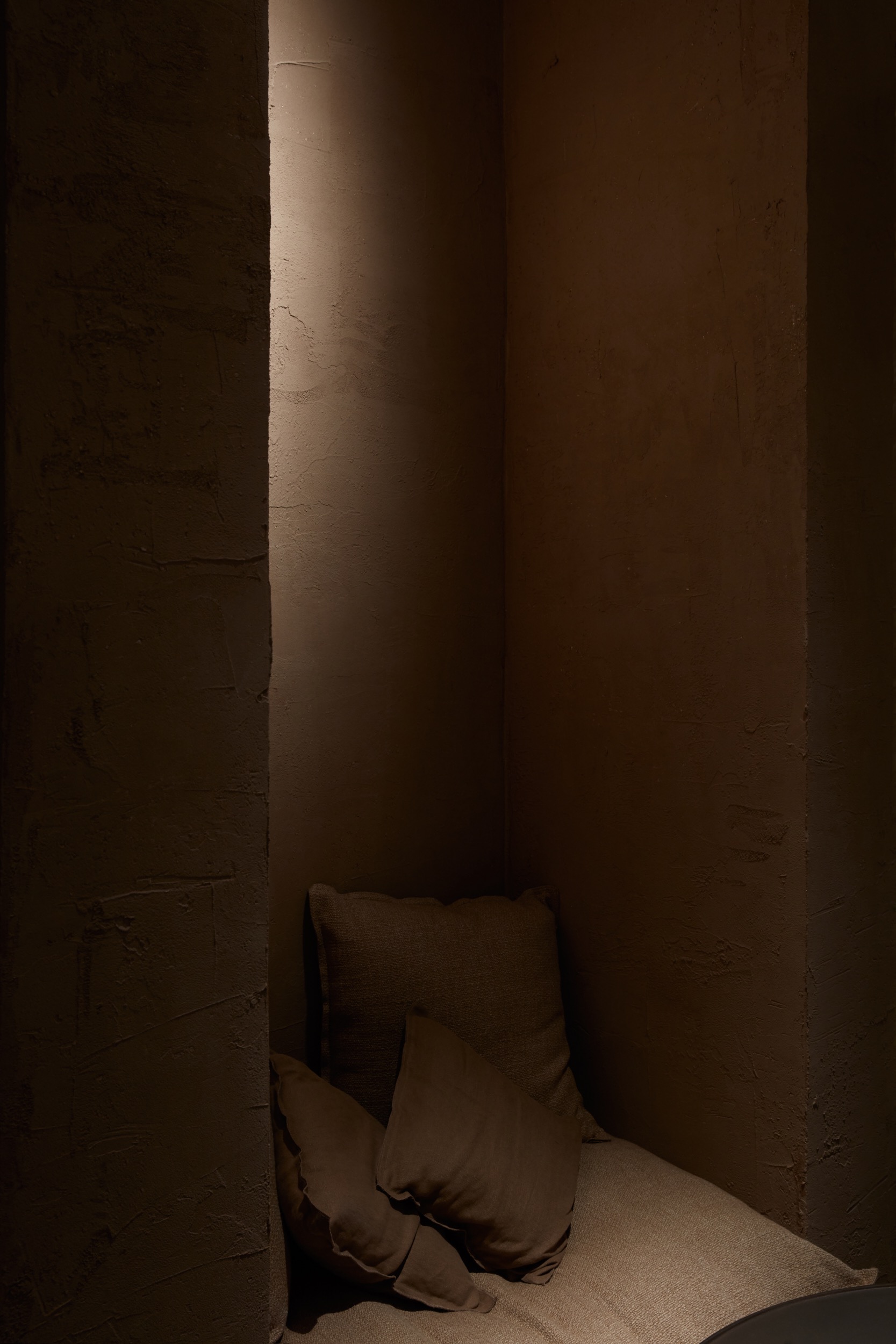
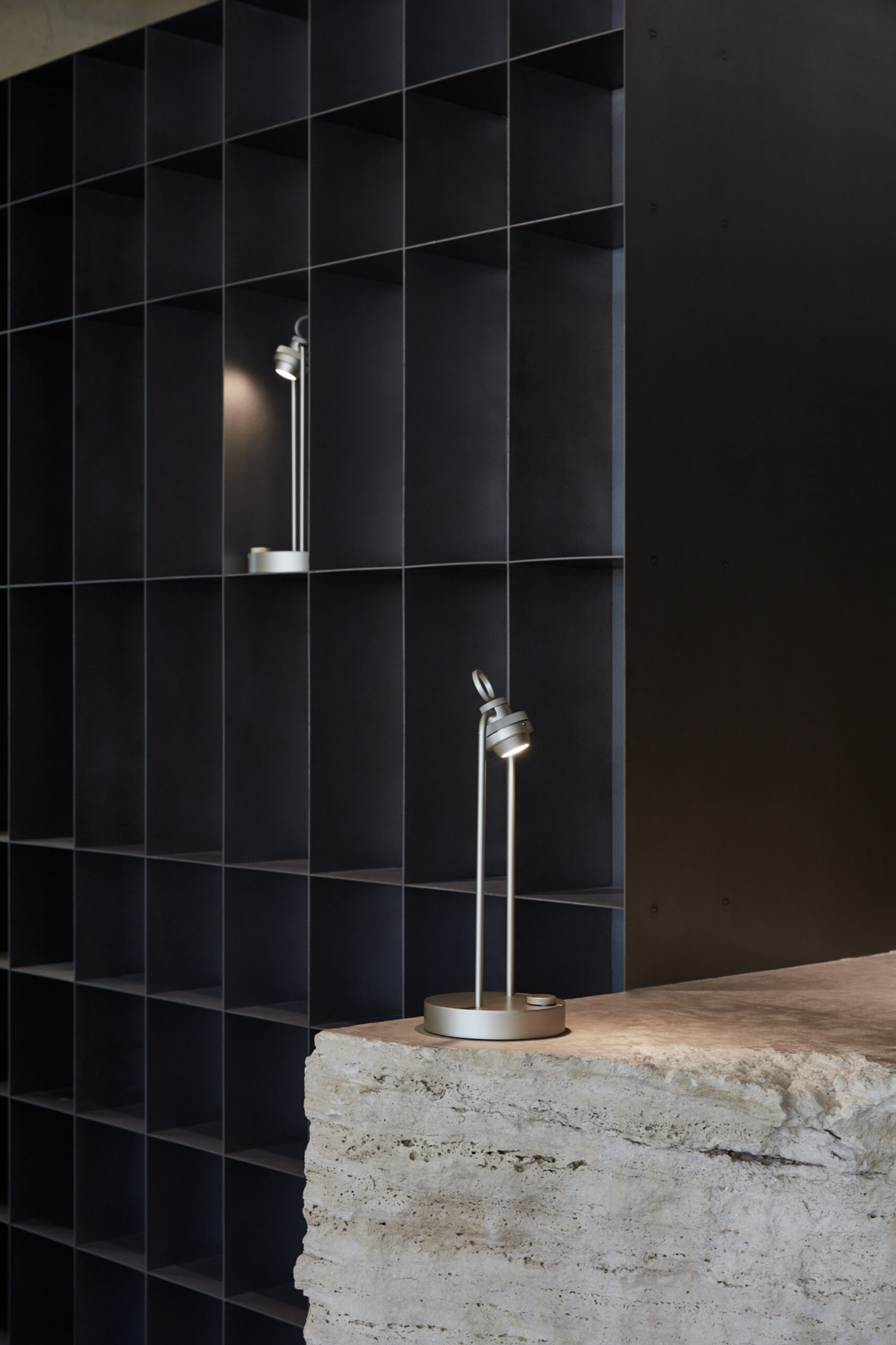
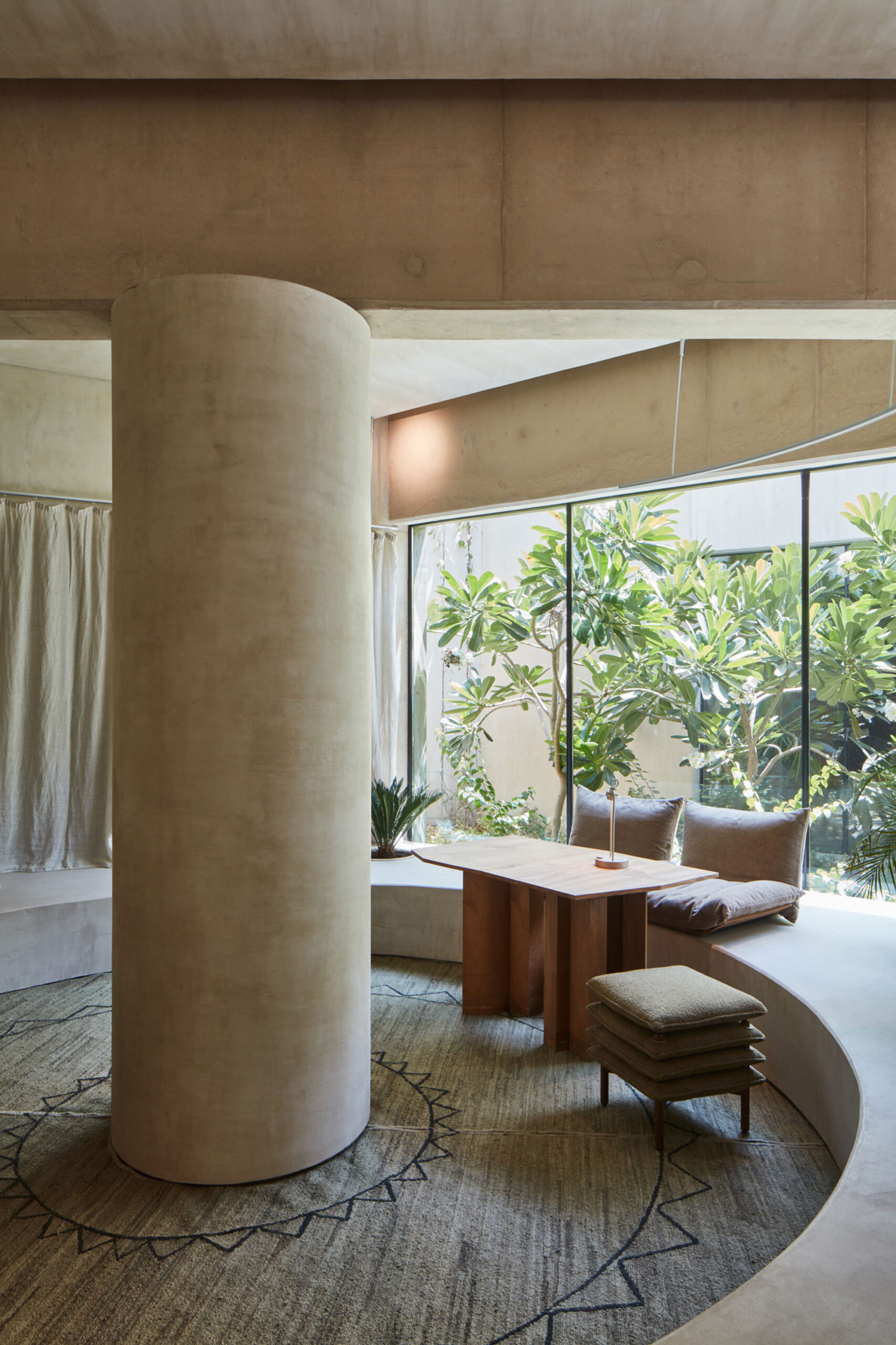
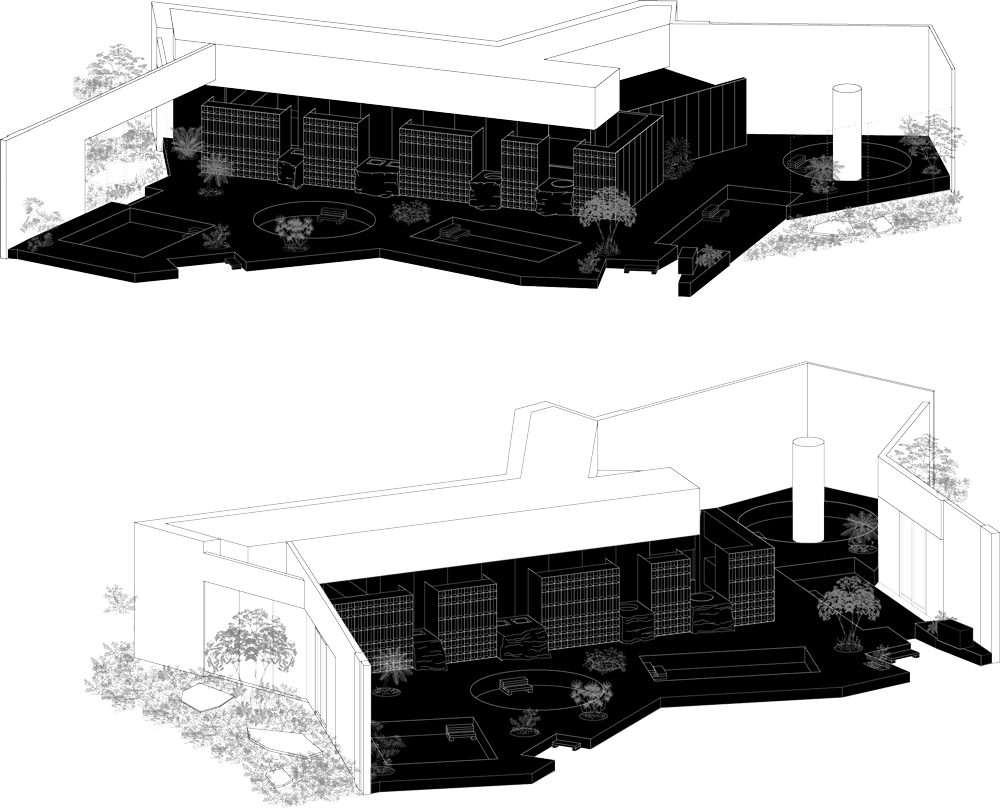
The approach was to create a space that celebrates cooking as a performance and the restaurant’s eclectic take on traditional Emirati cooking. The kitchen is introduced into the space as a volume with pockets revealing the workings of the kitchen and framing moments of food preparation. The intention behind the dining area was to revisit the traditional majlis seating and reintroduce it in an elevated dining context. Spaces are carved out of a raised floor to contain seating areas, creating an experience reminiscent of the old majlis seating typology.

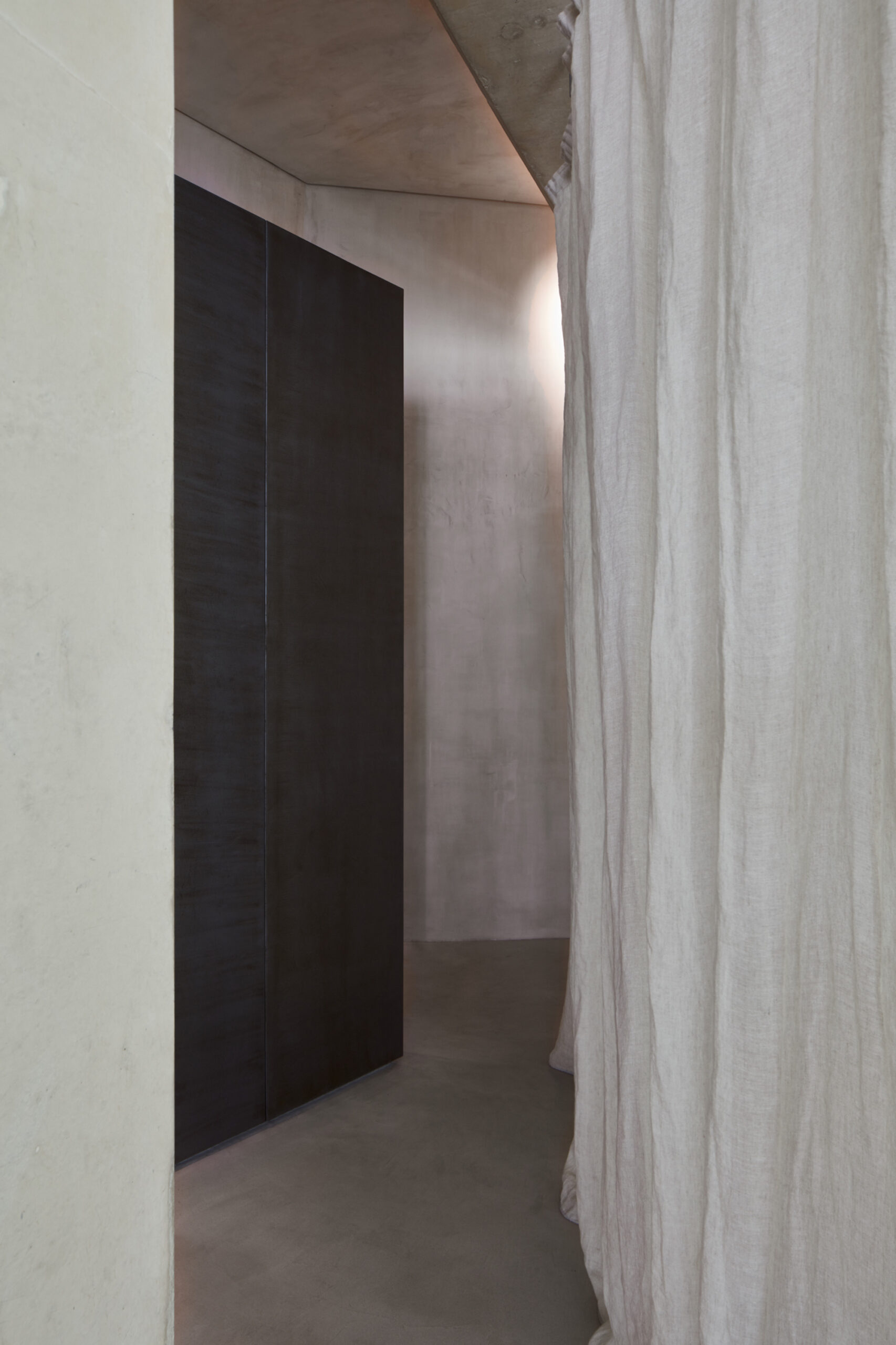
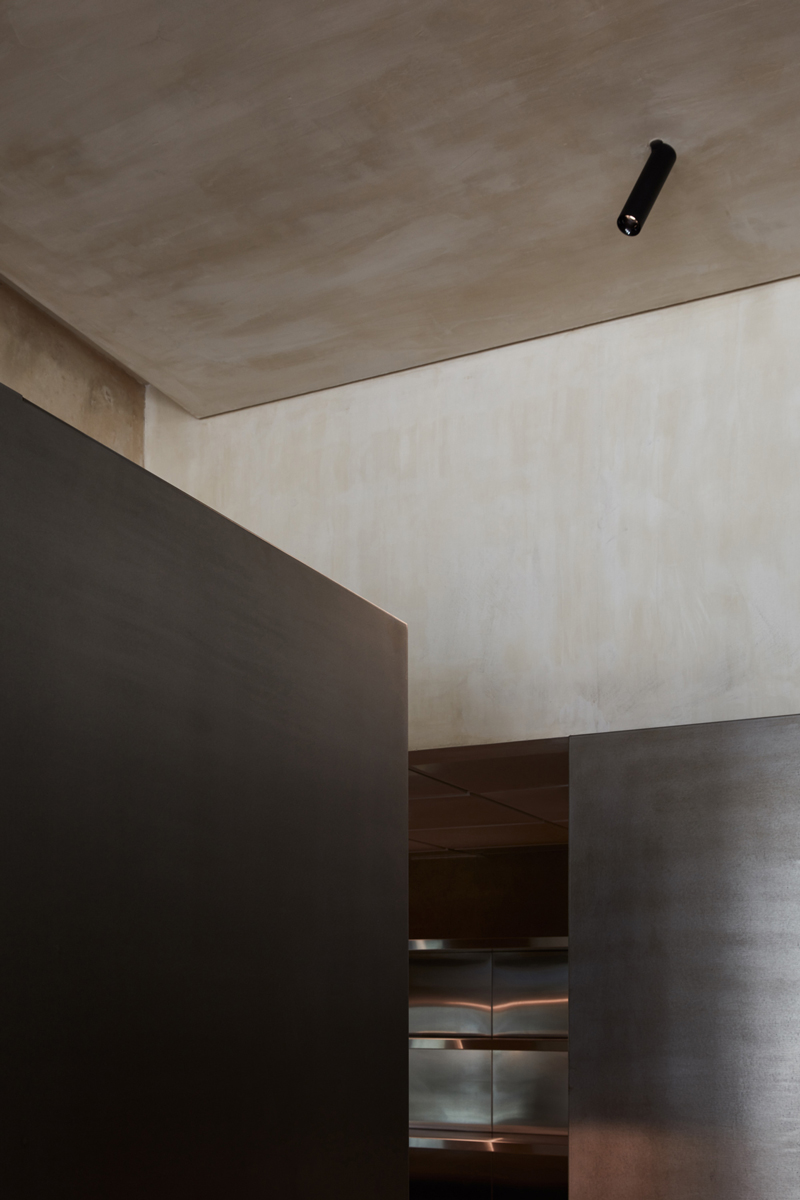
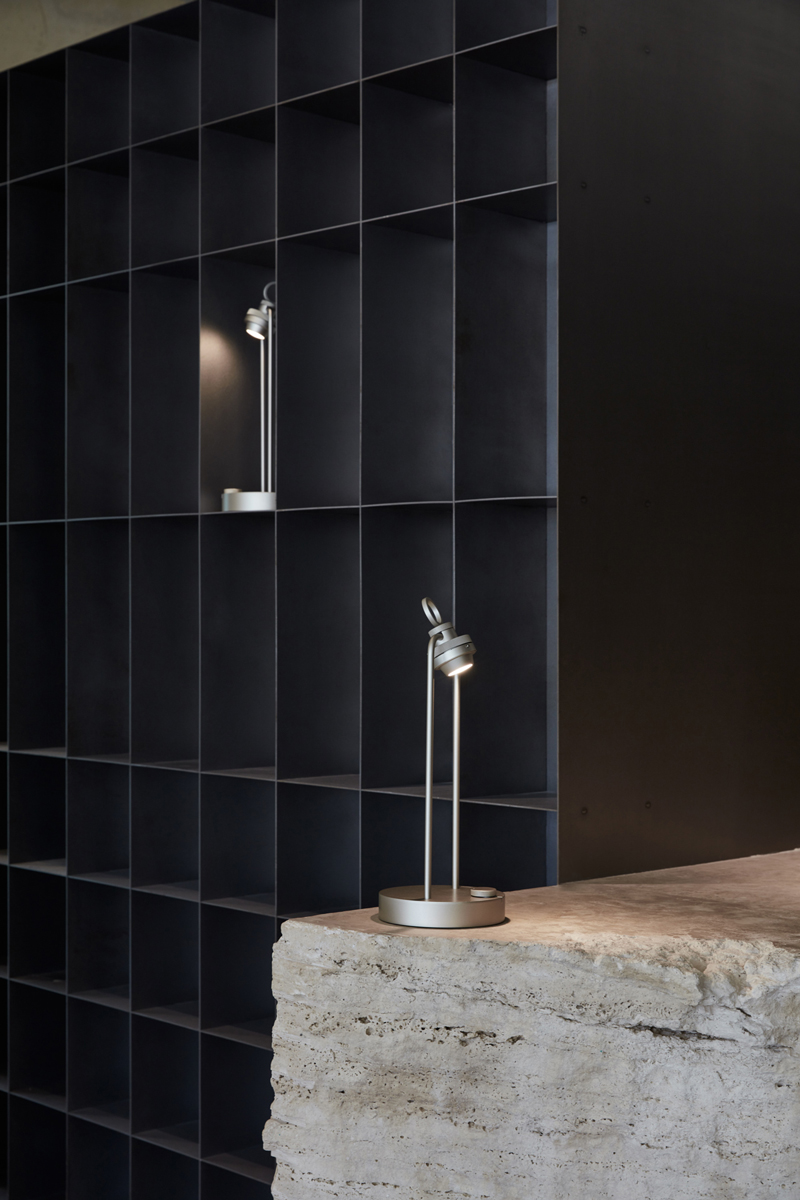
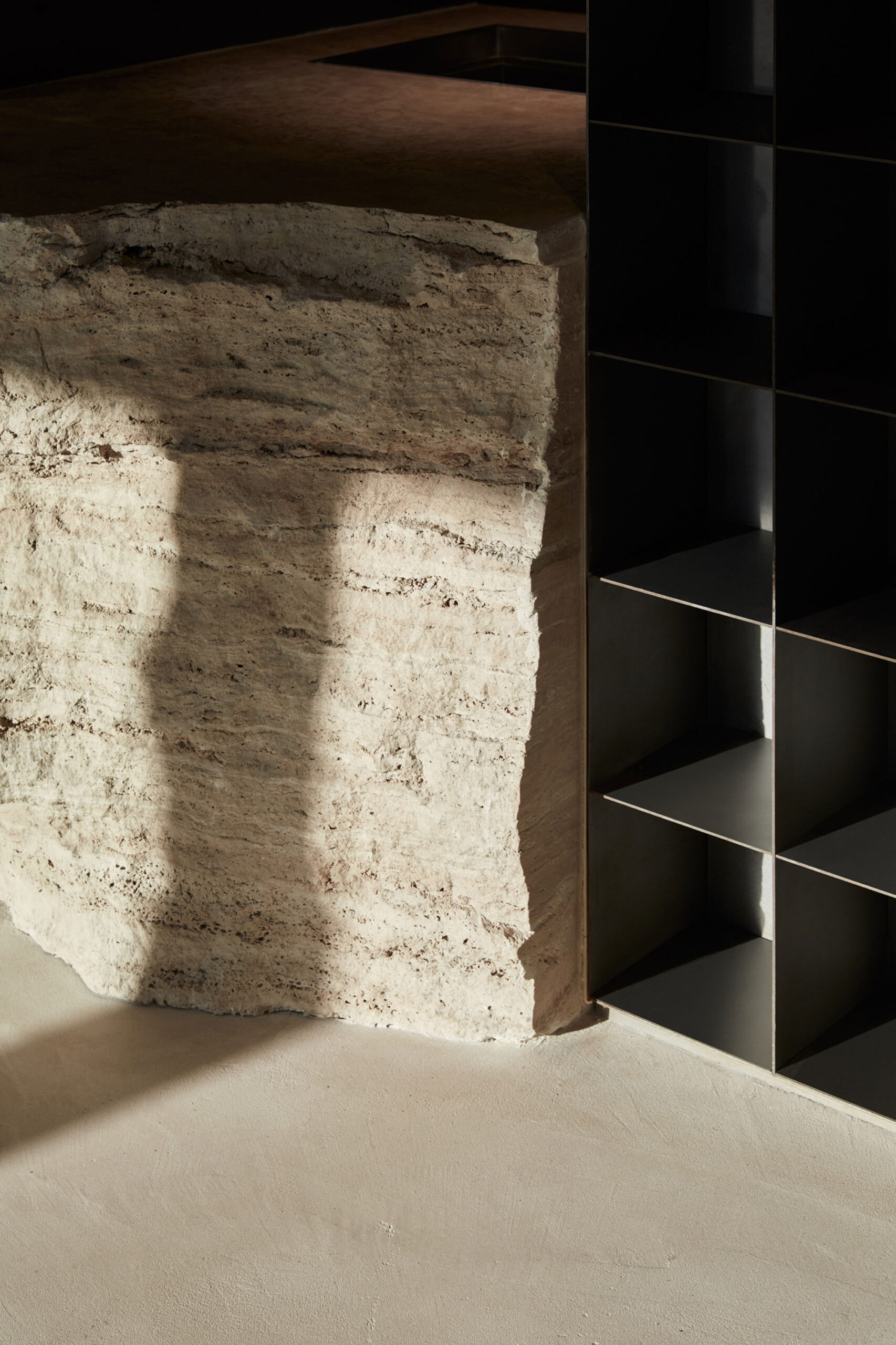
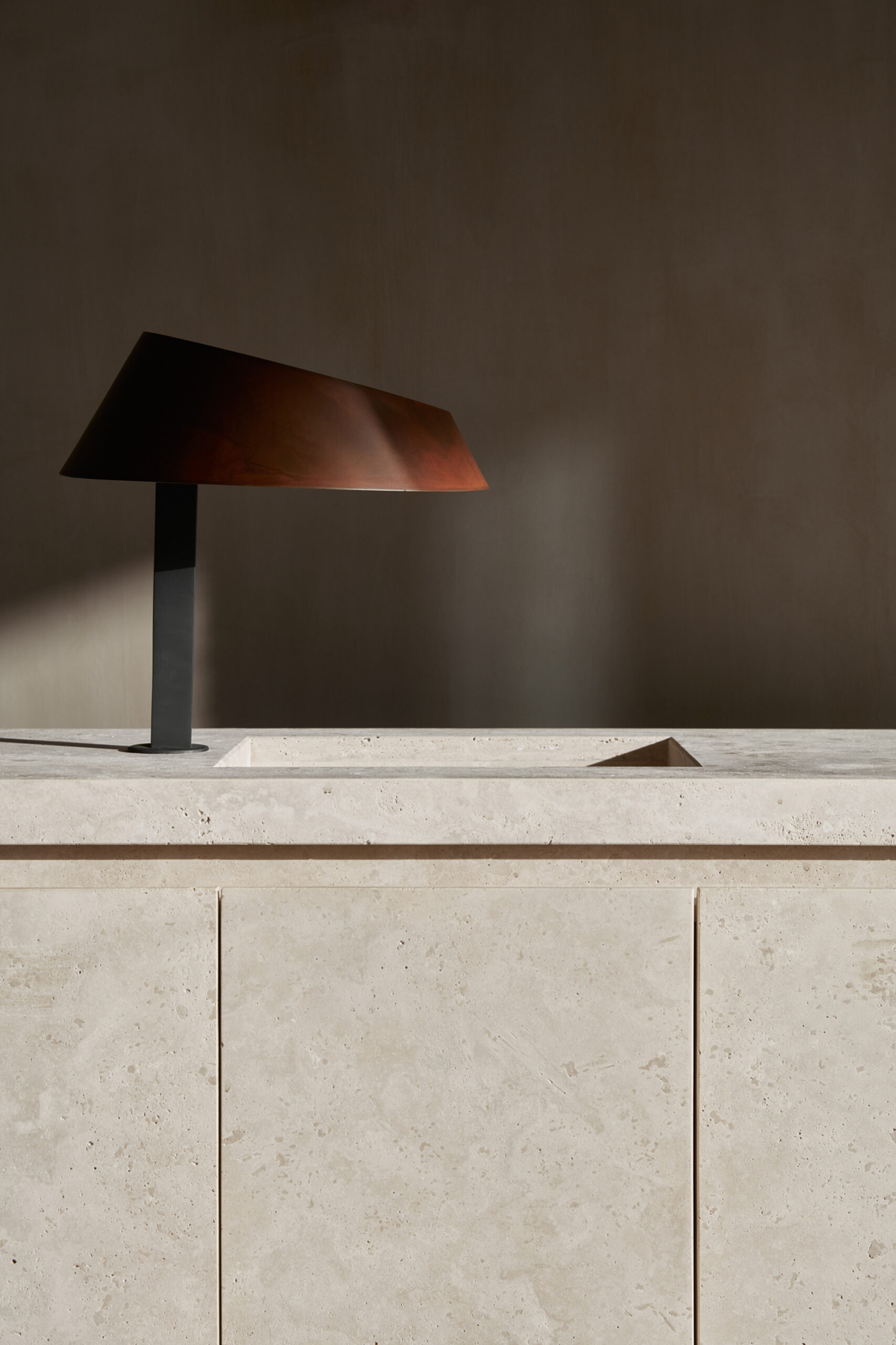
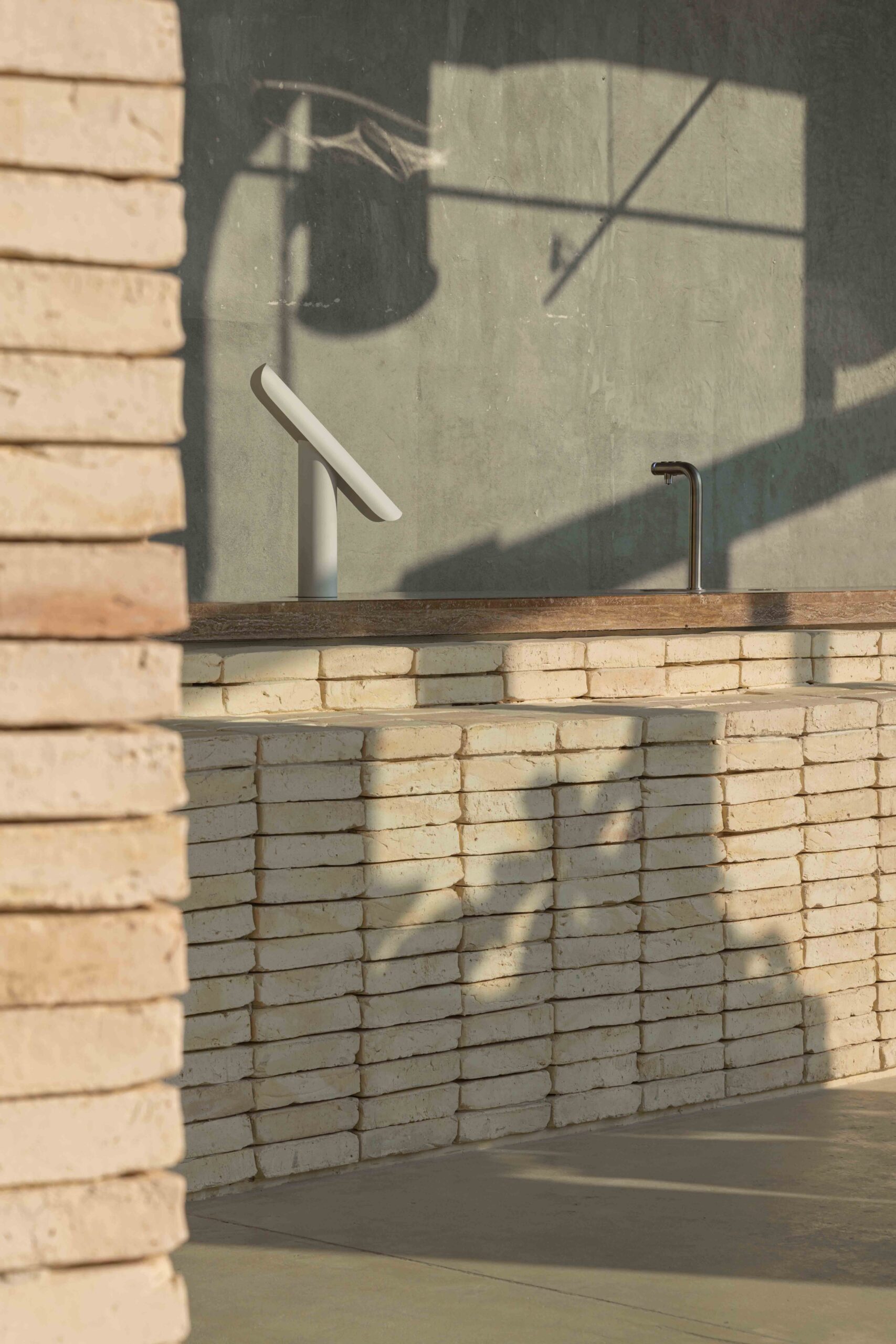
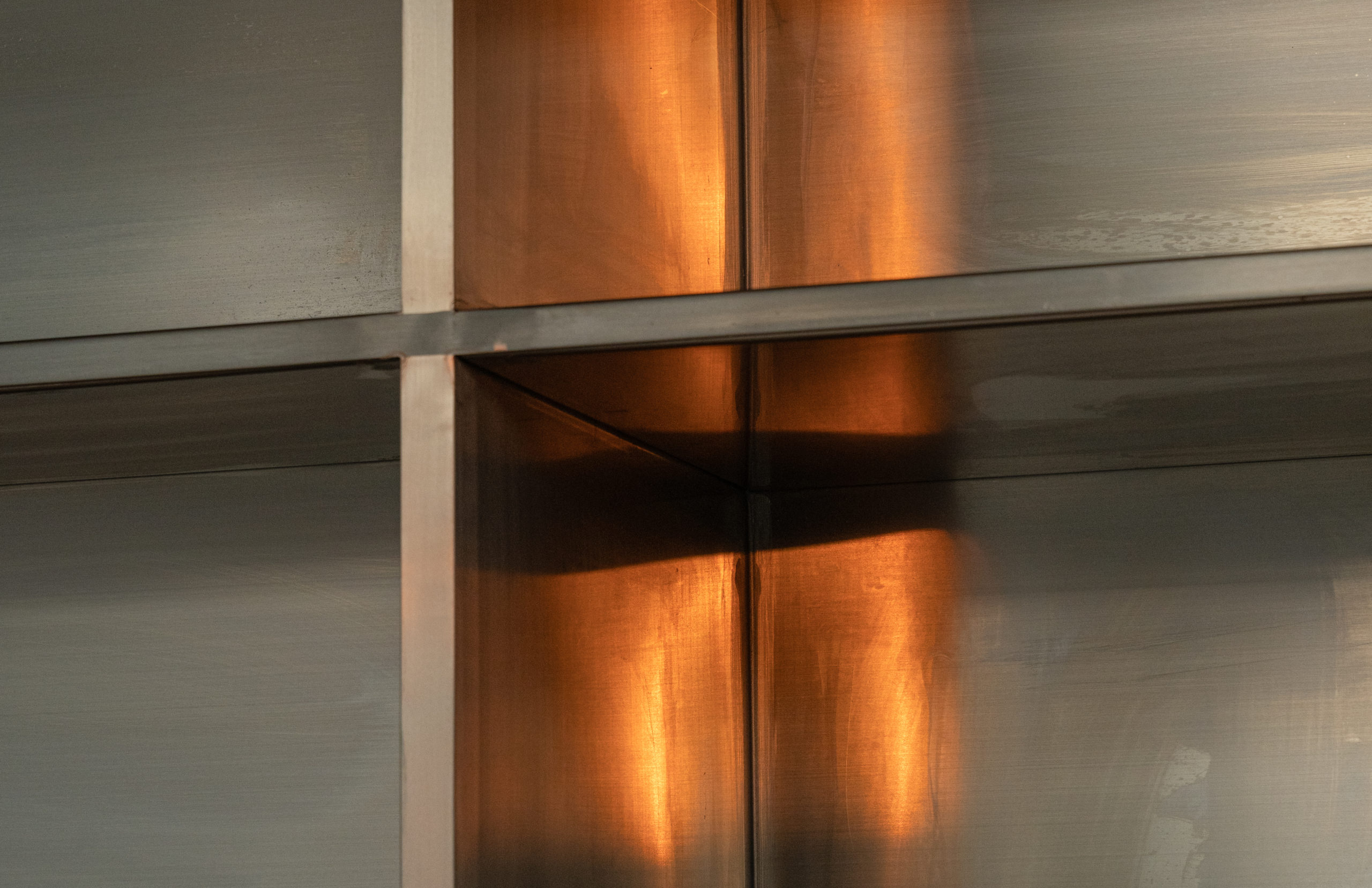
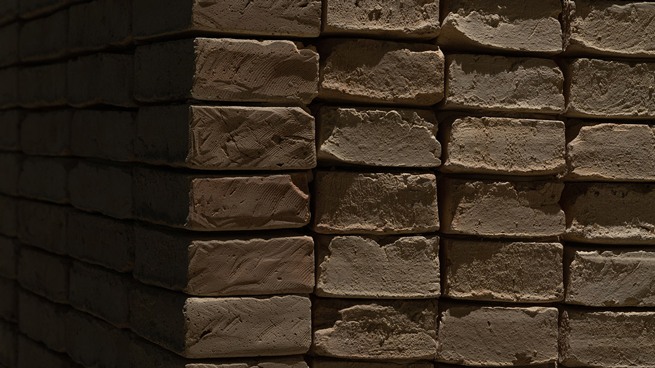
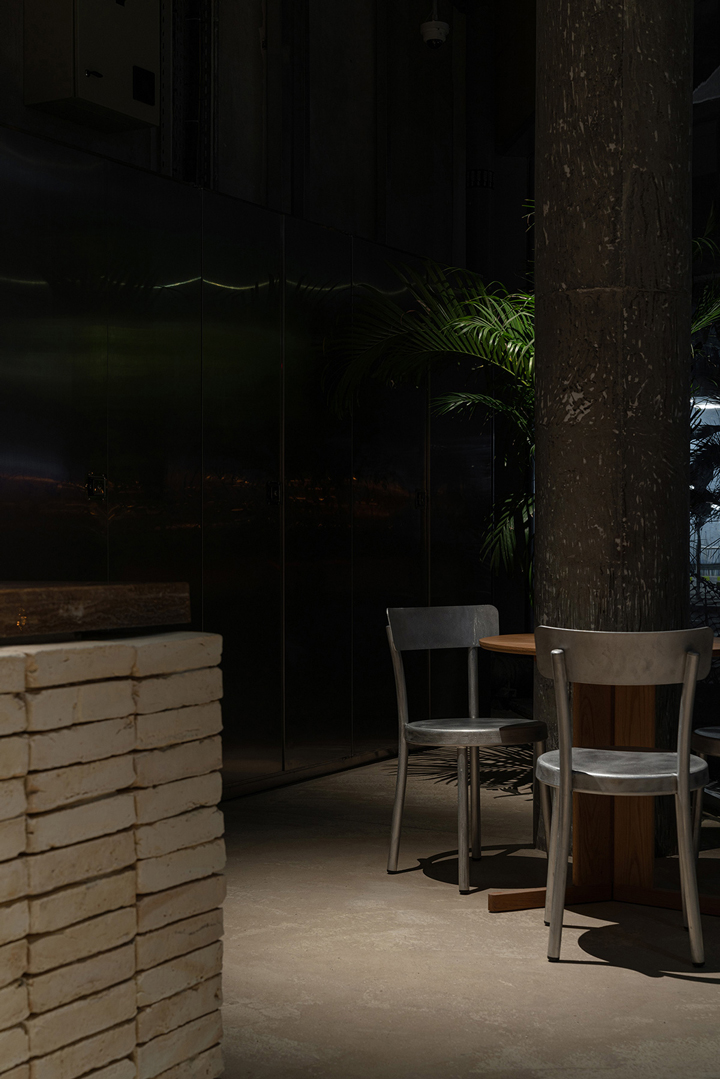
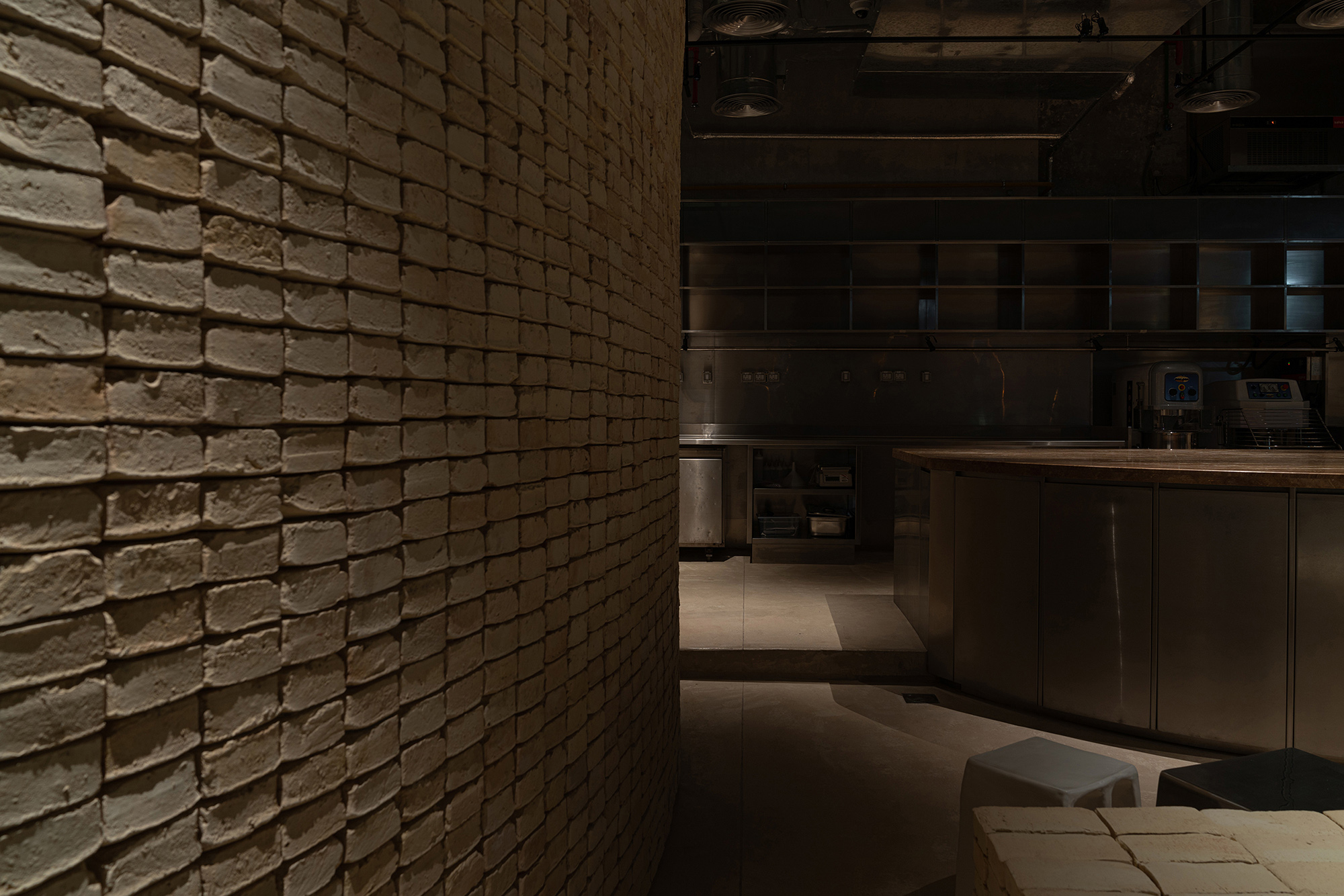
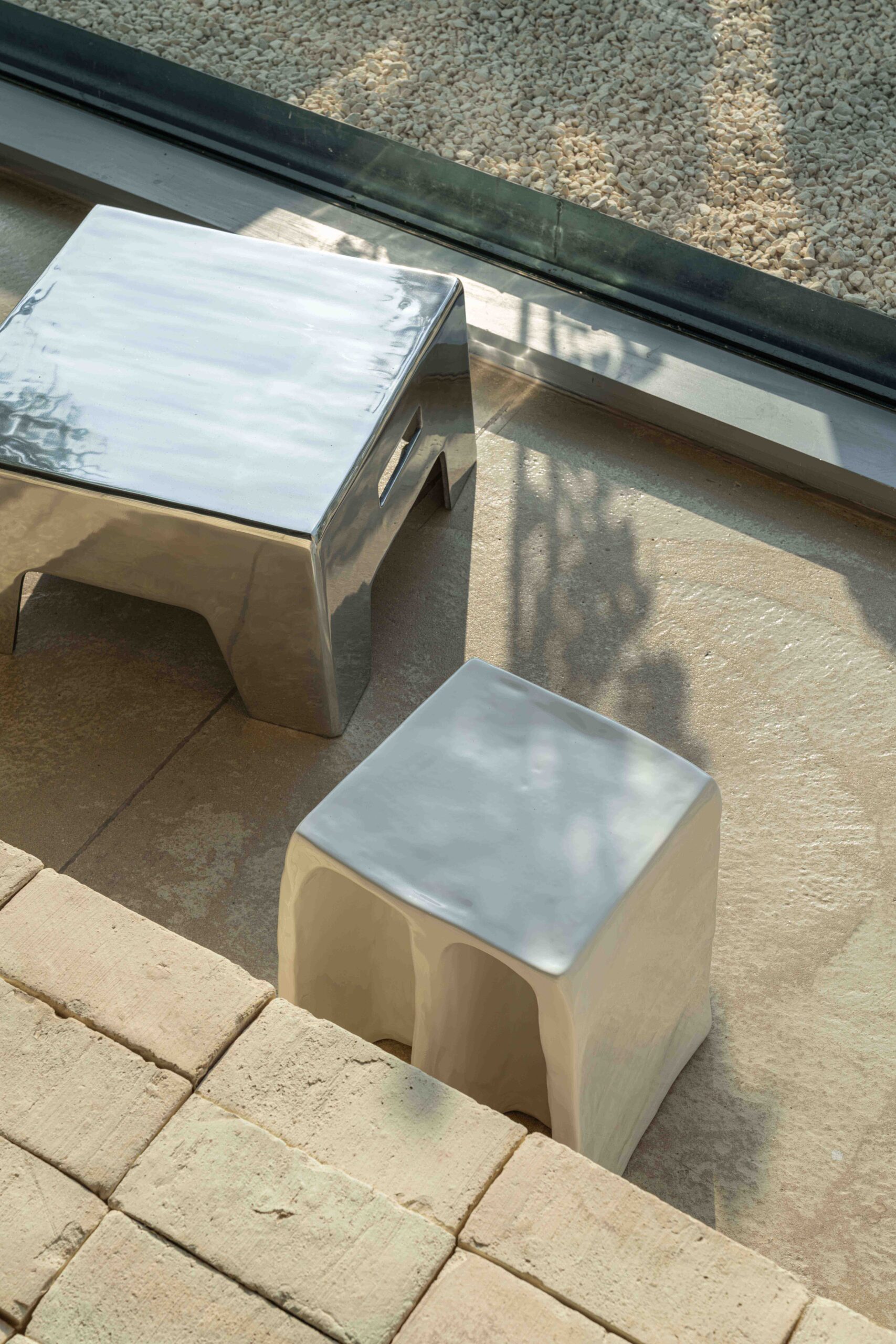
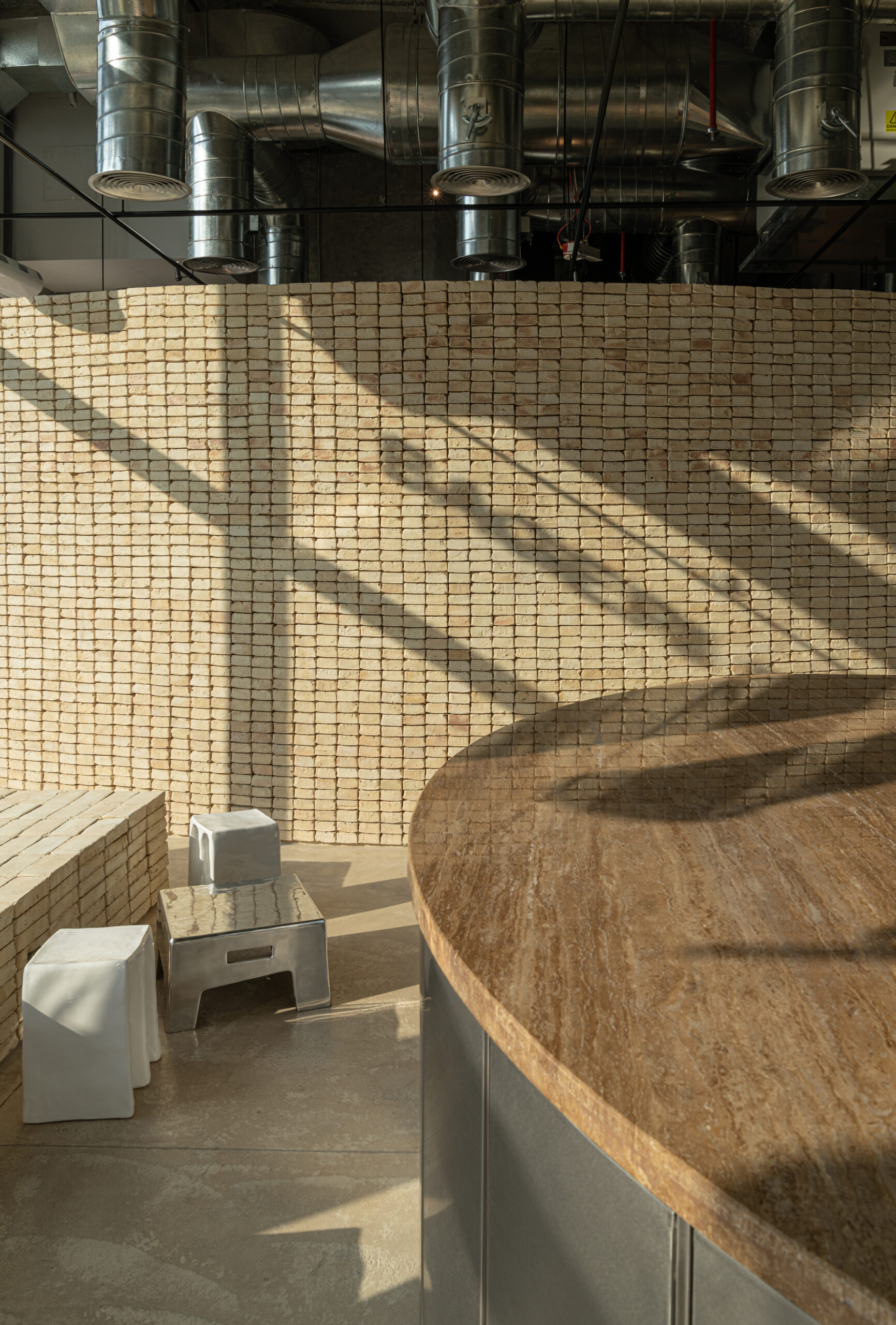
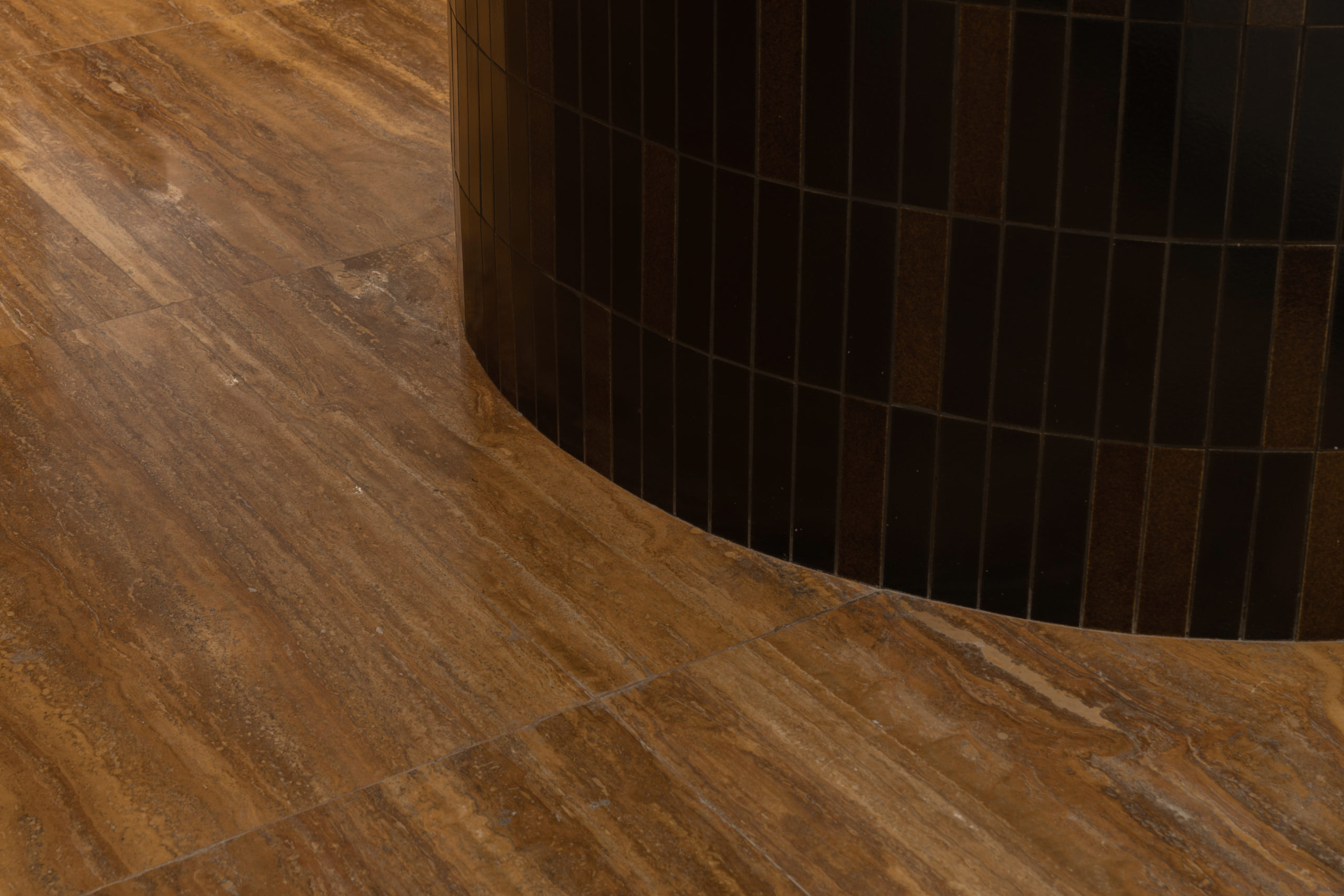
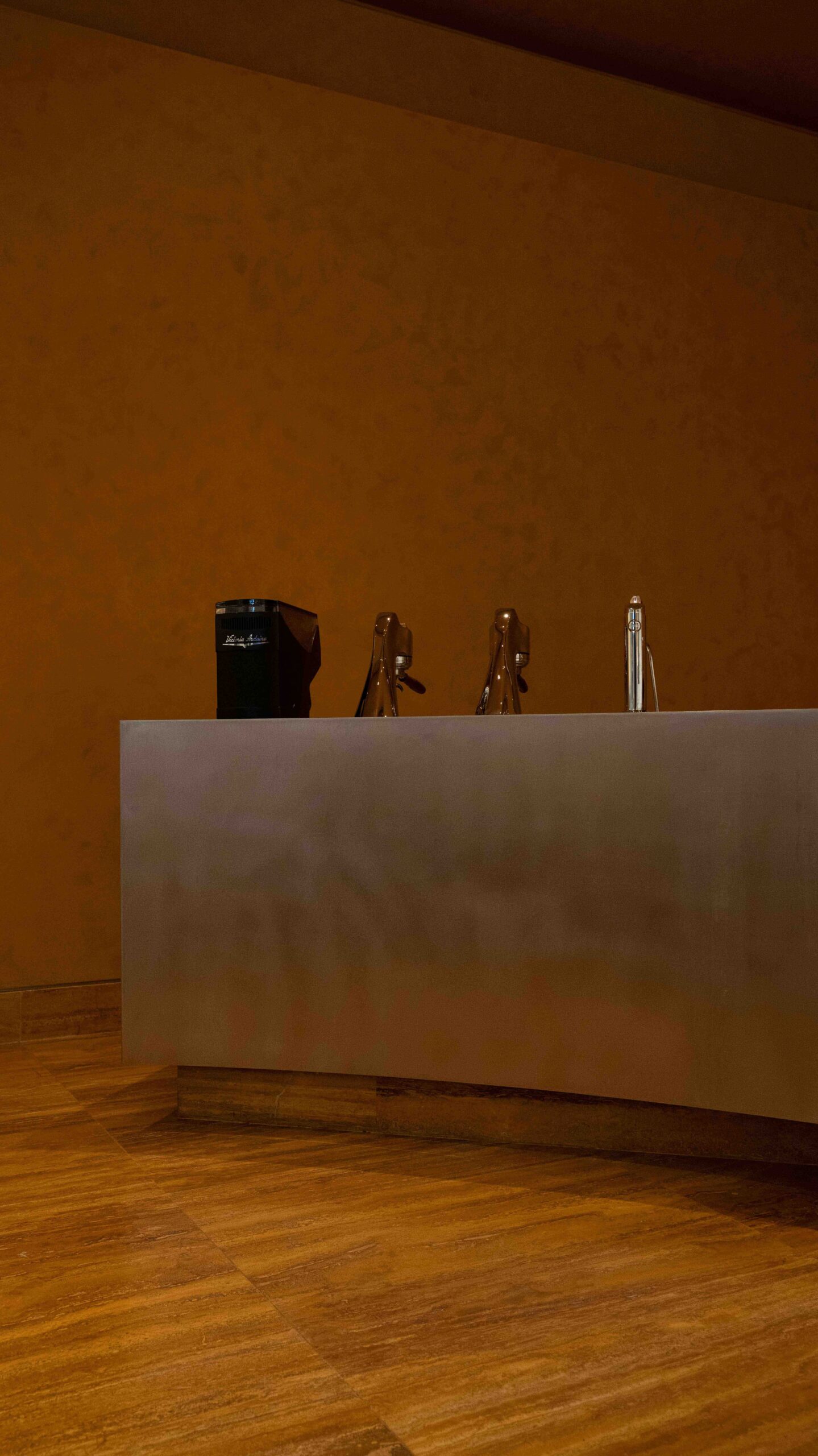
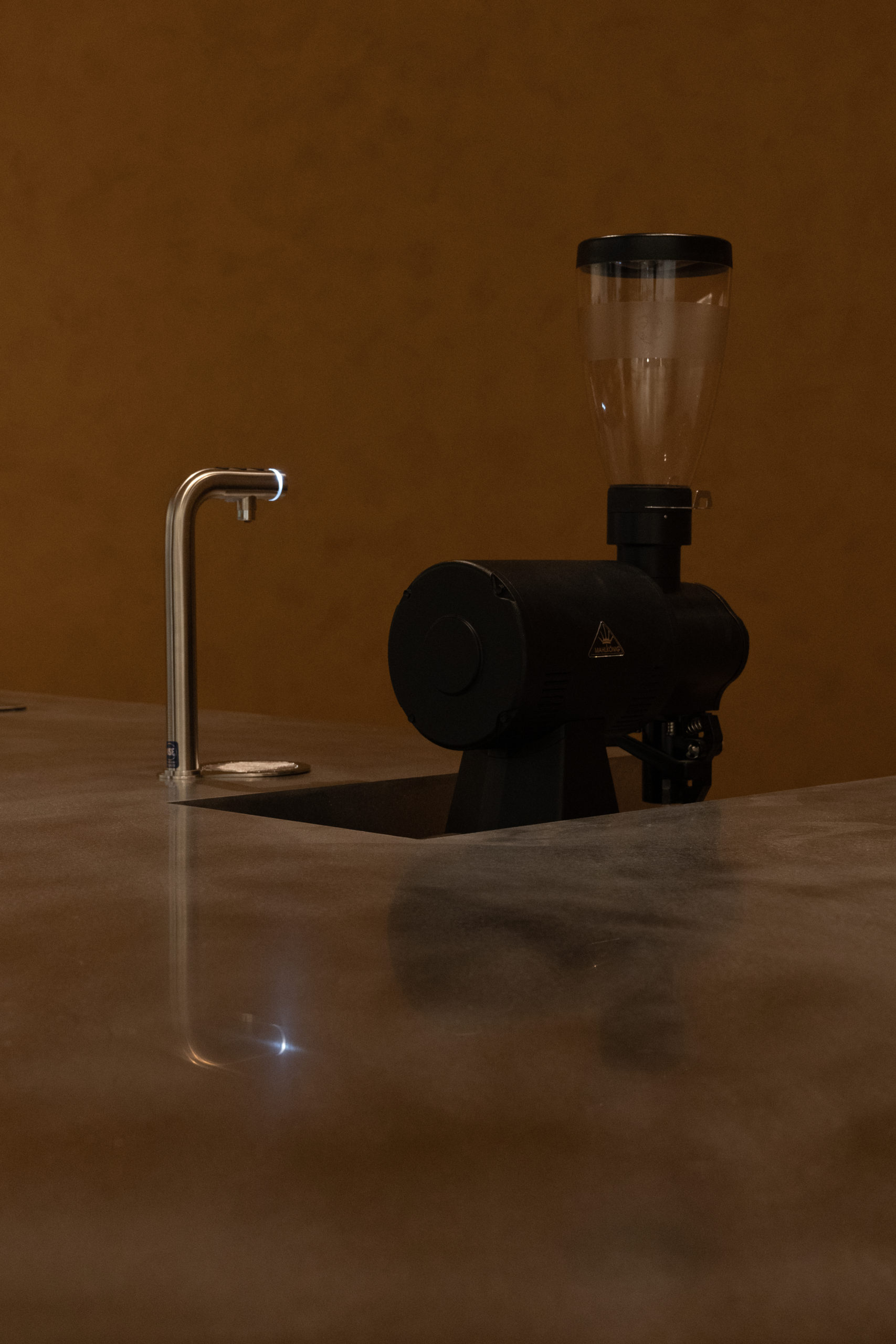
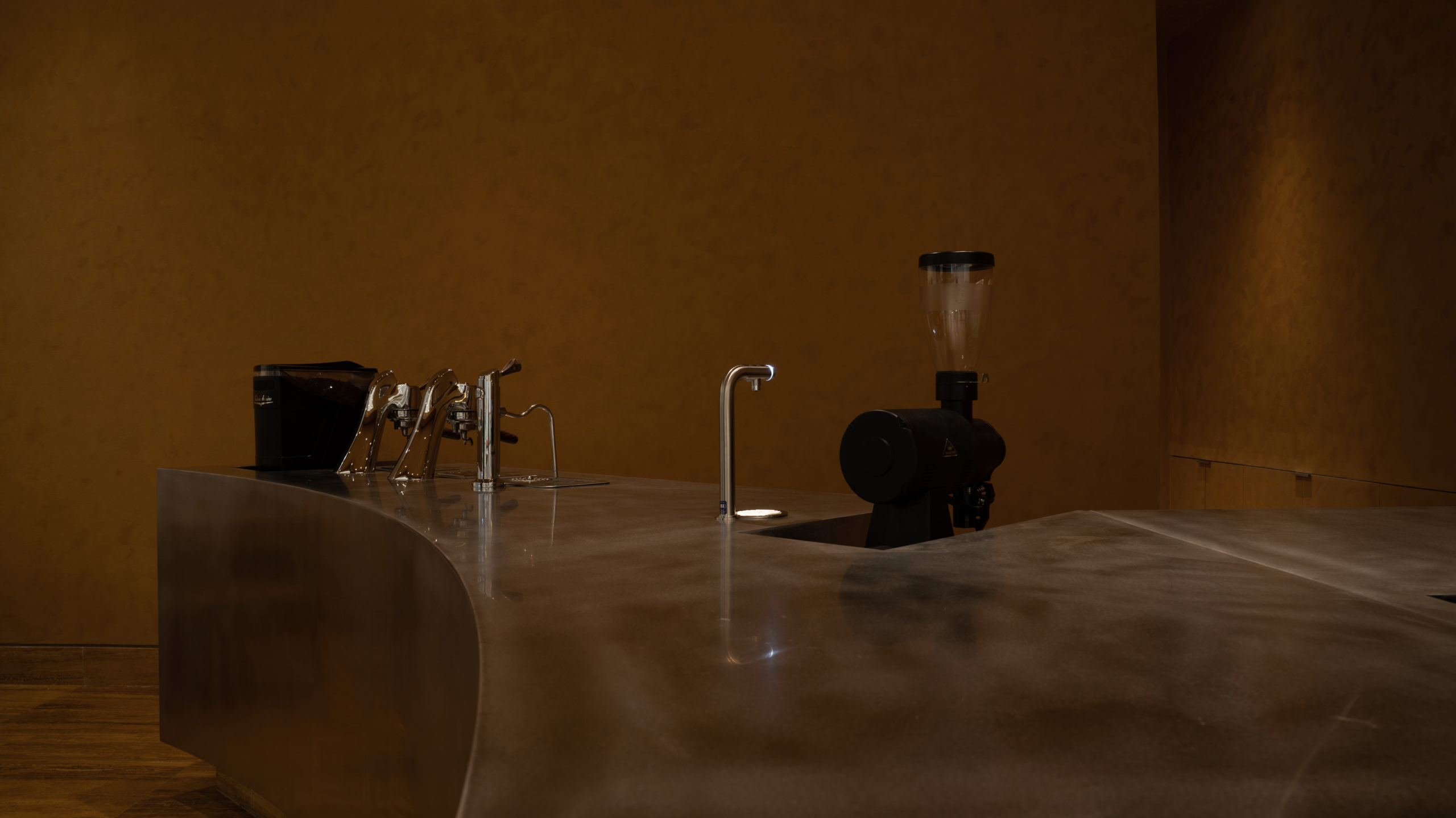
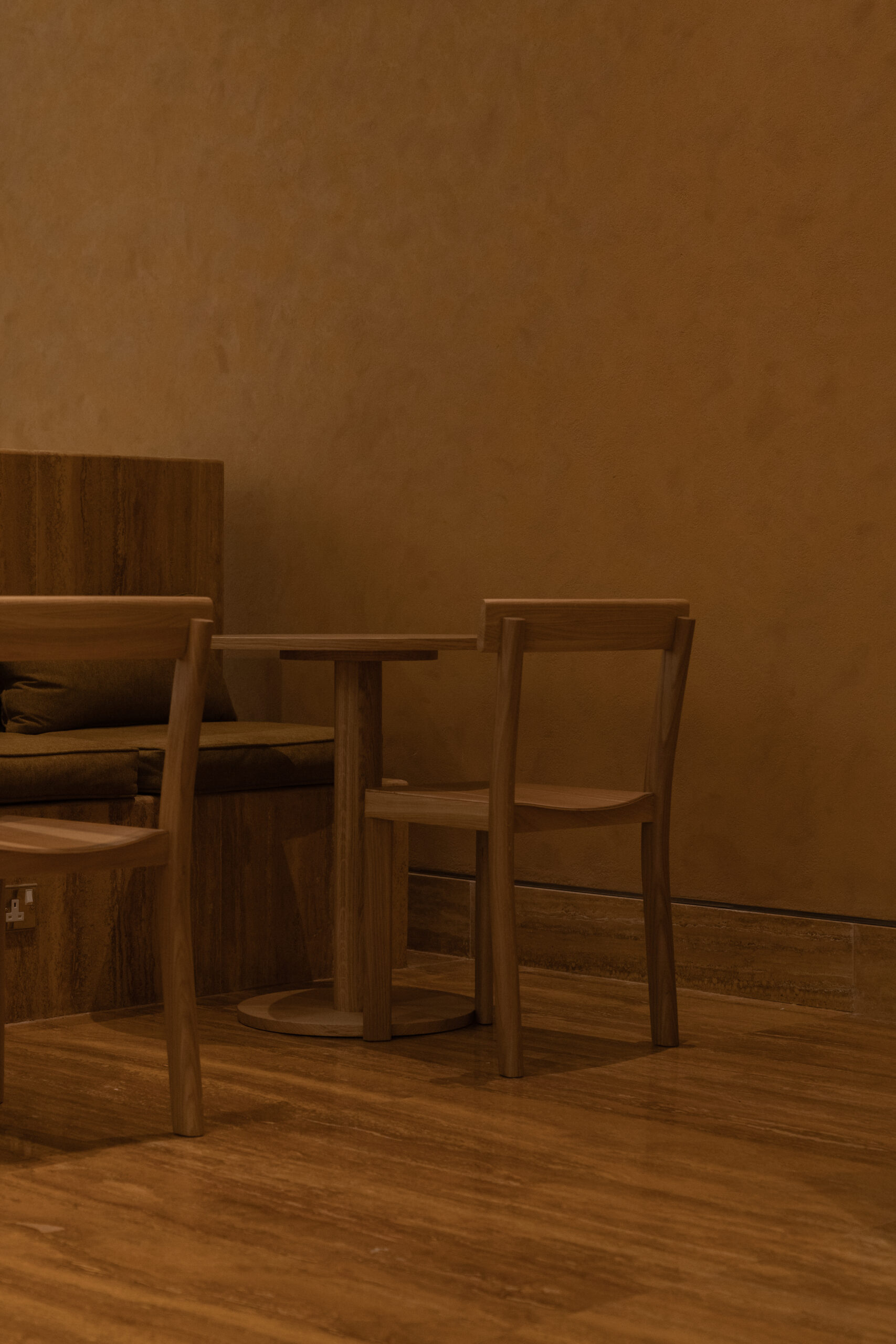
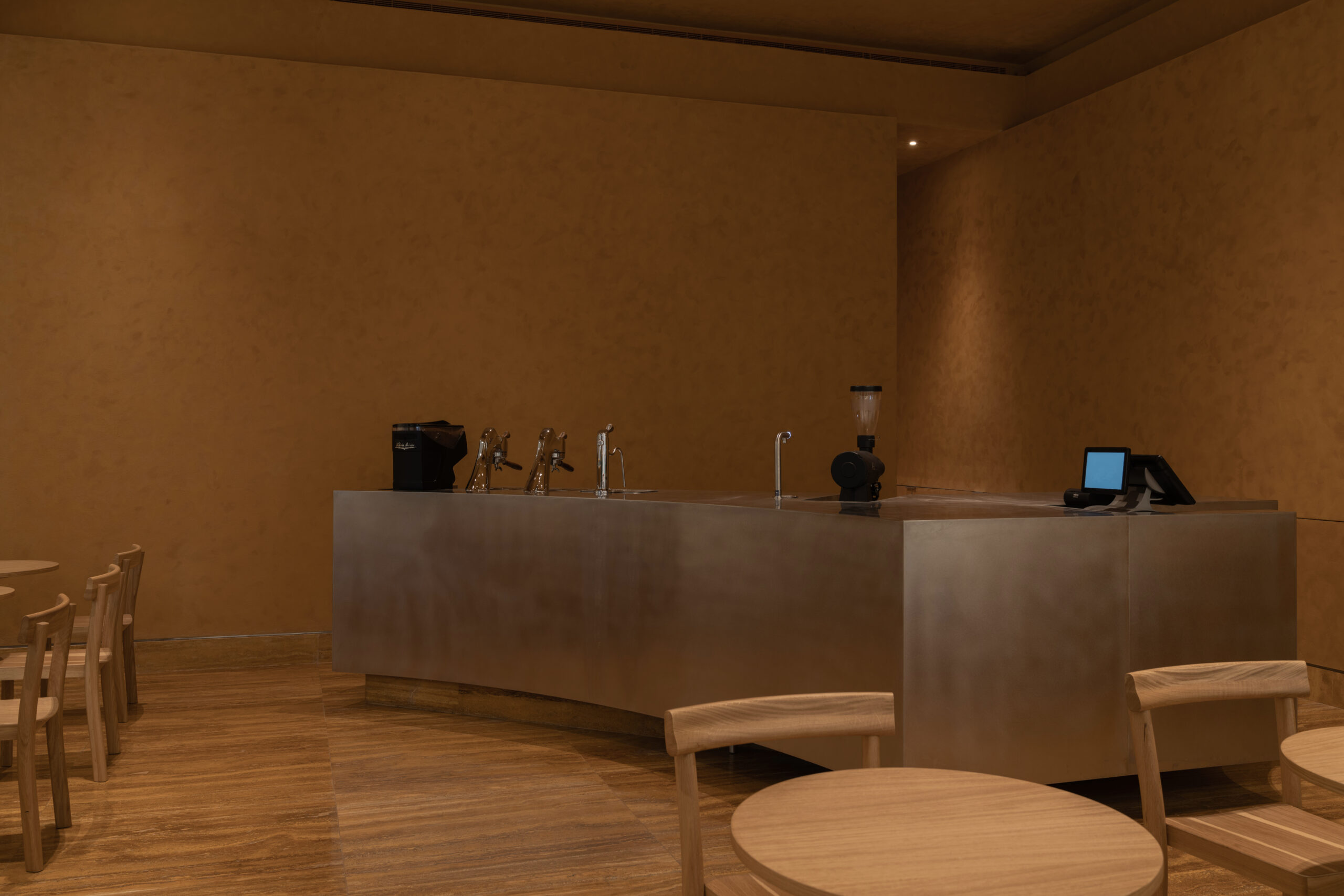
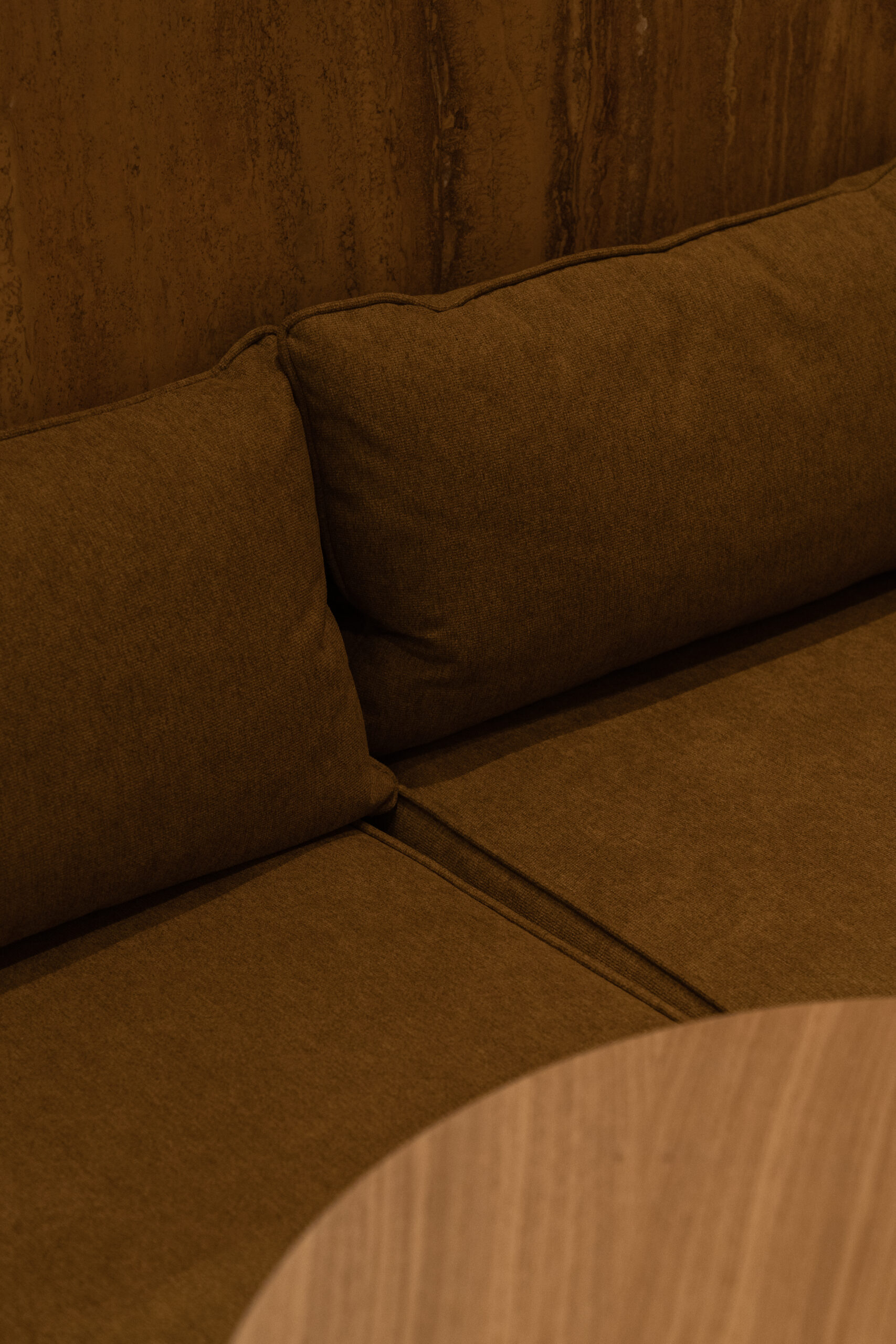
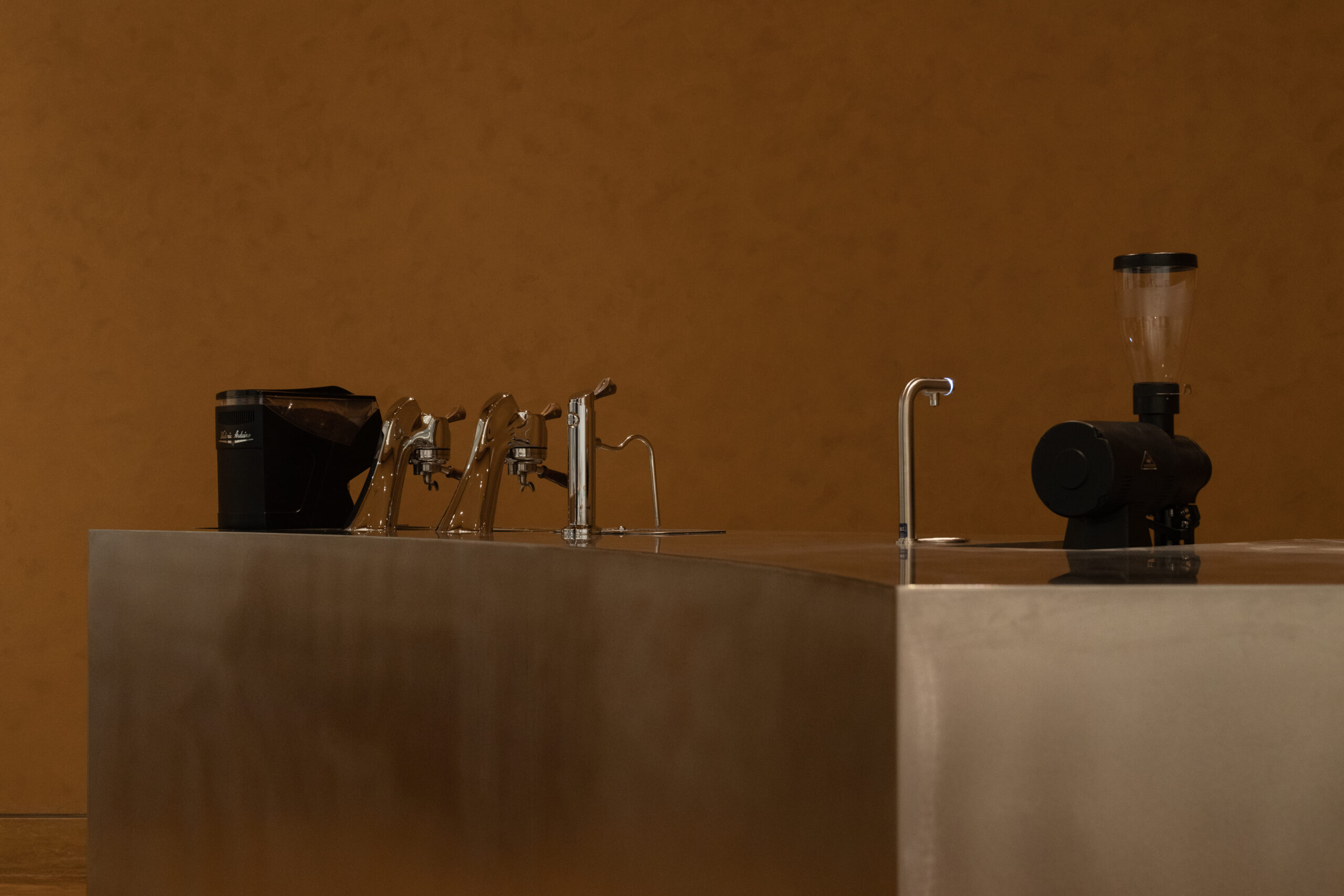
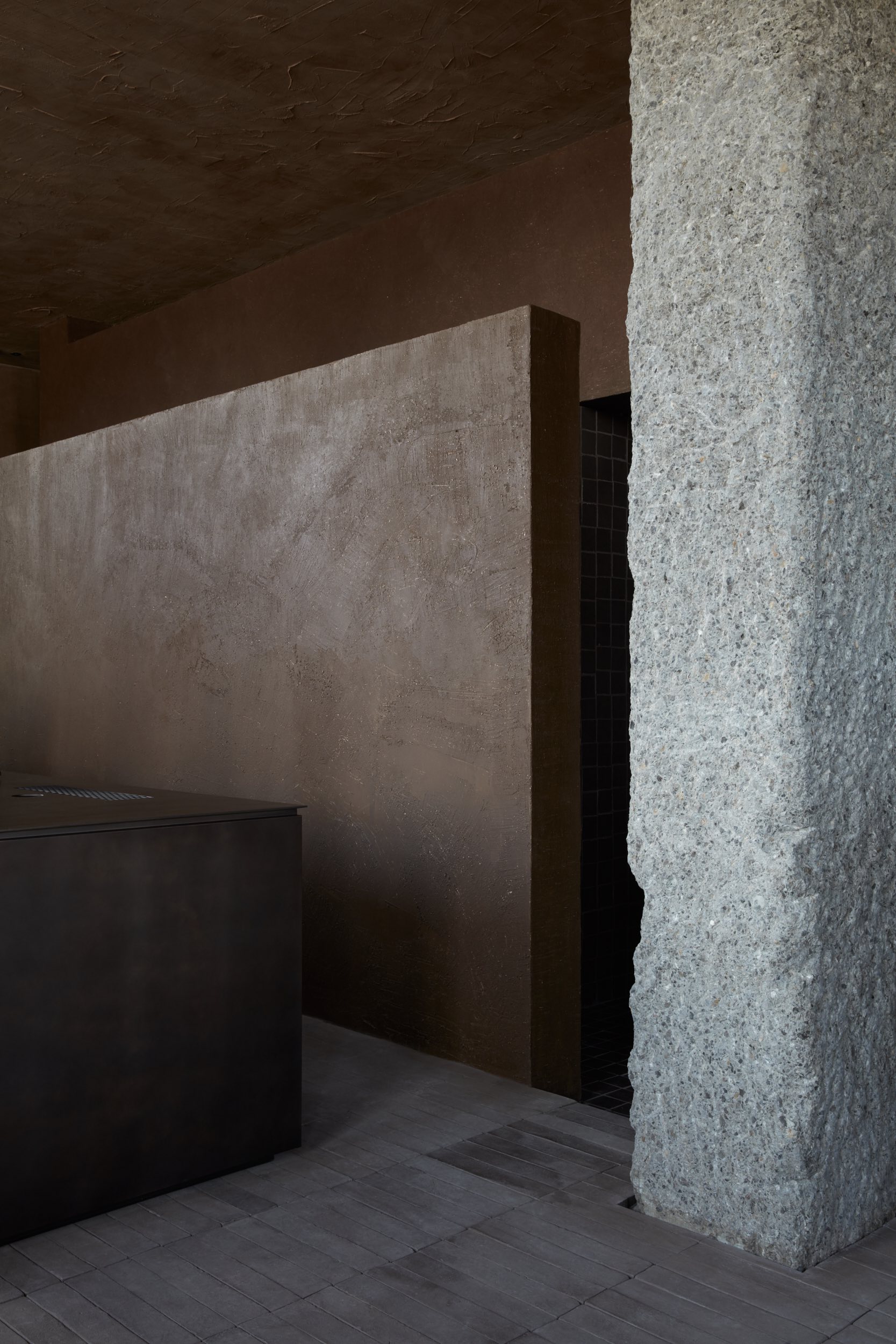
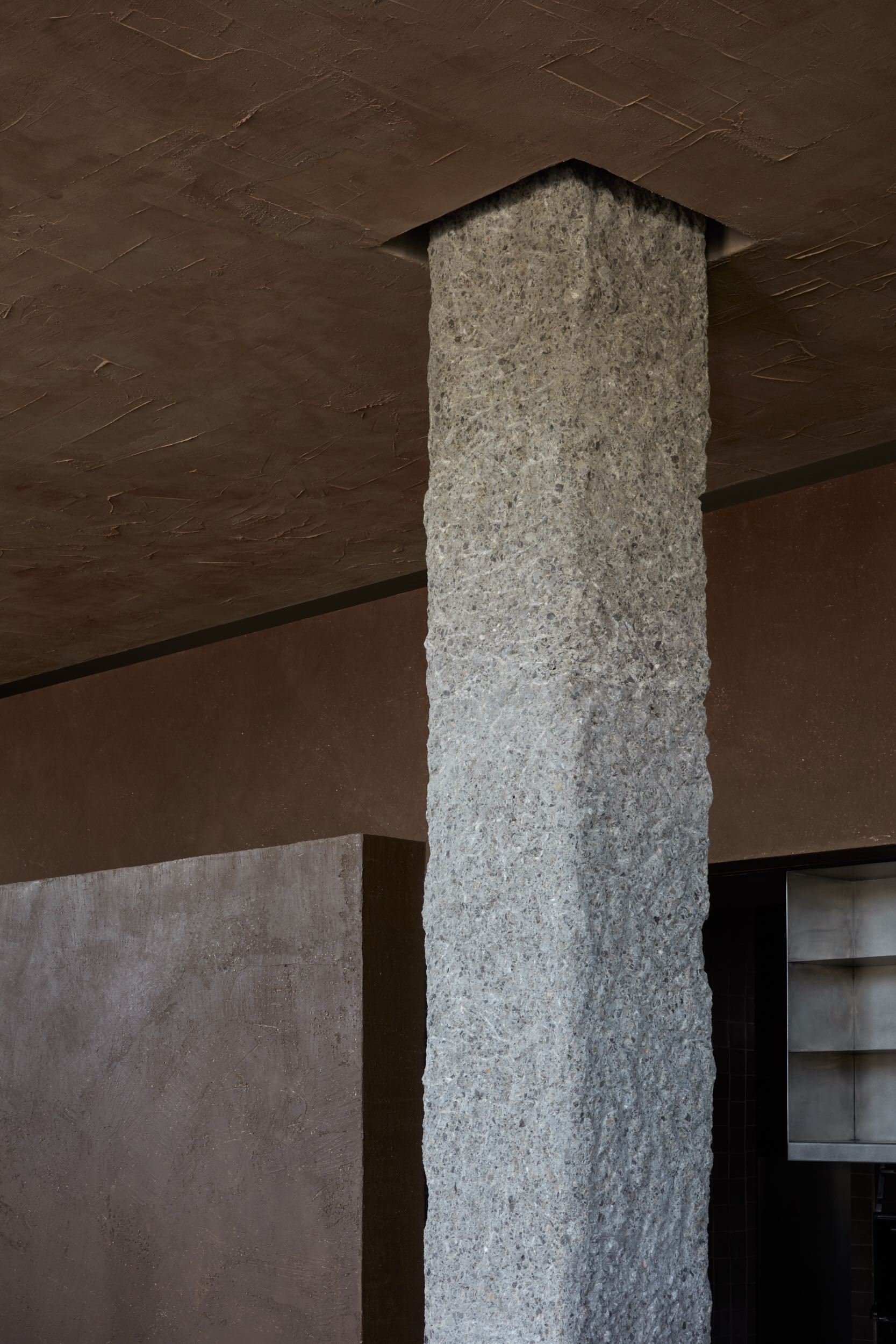
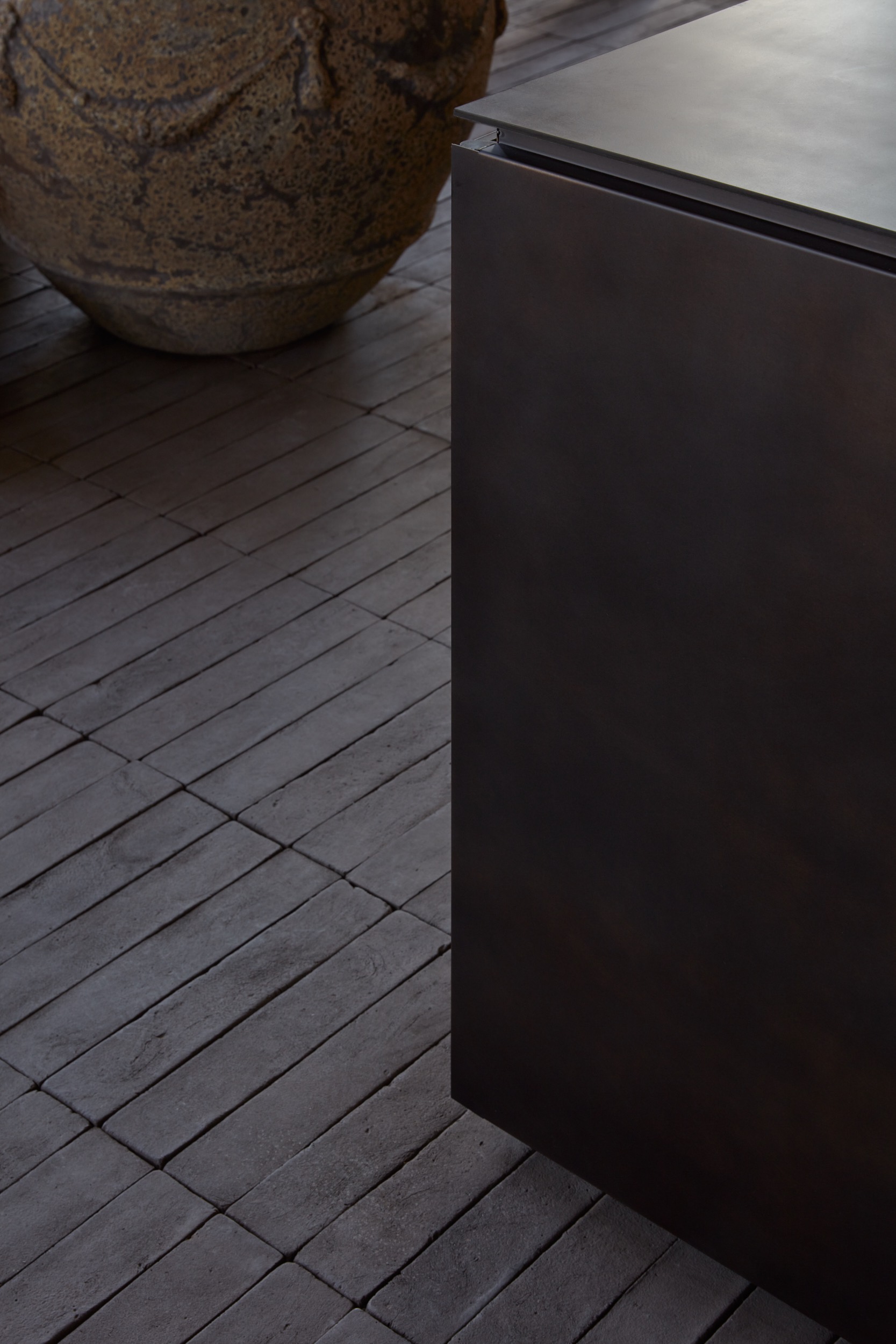
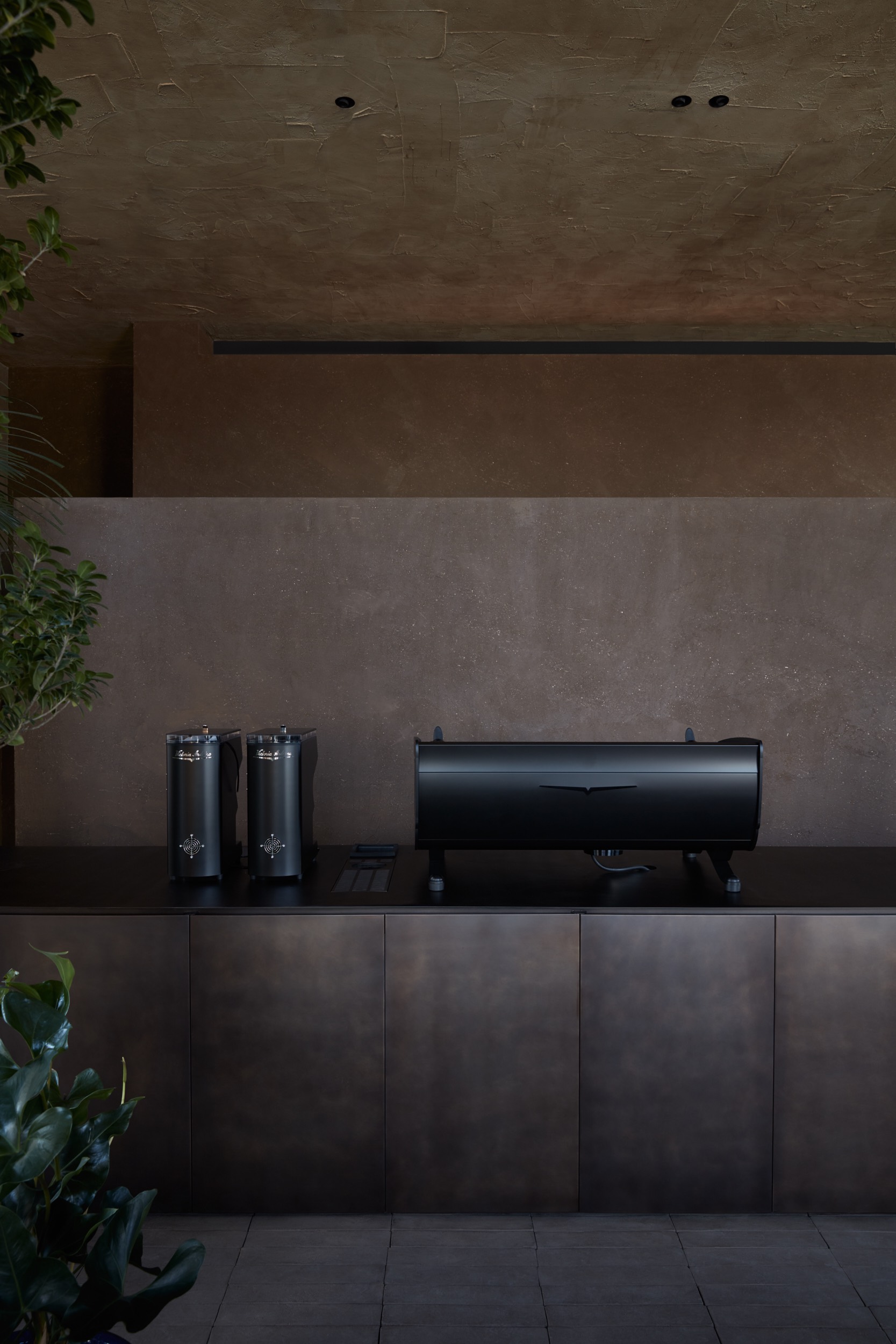
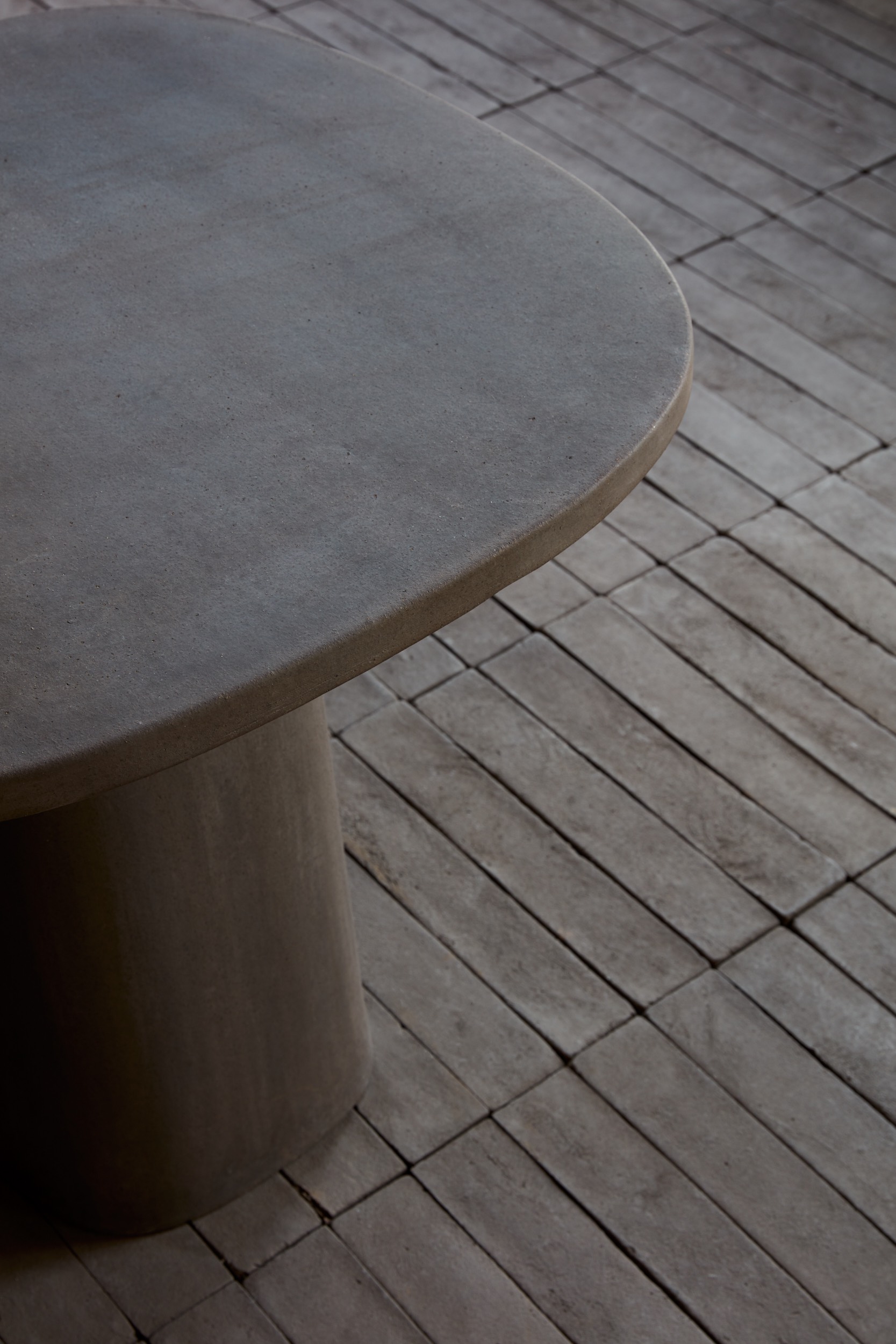
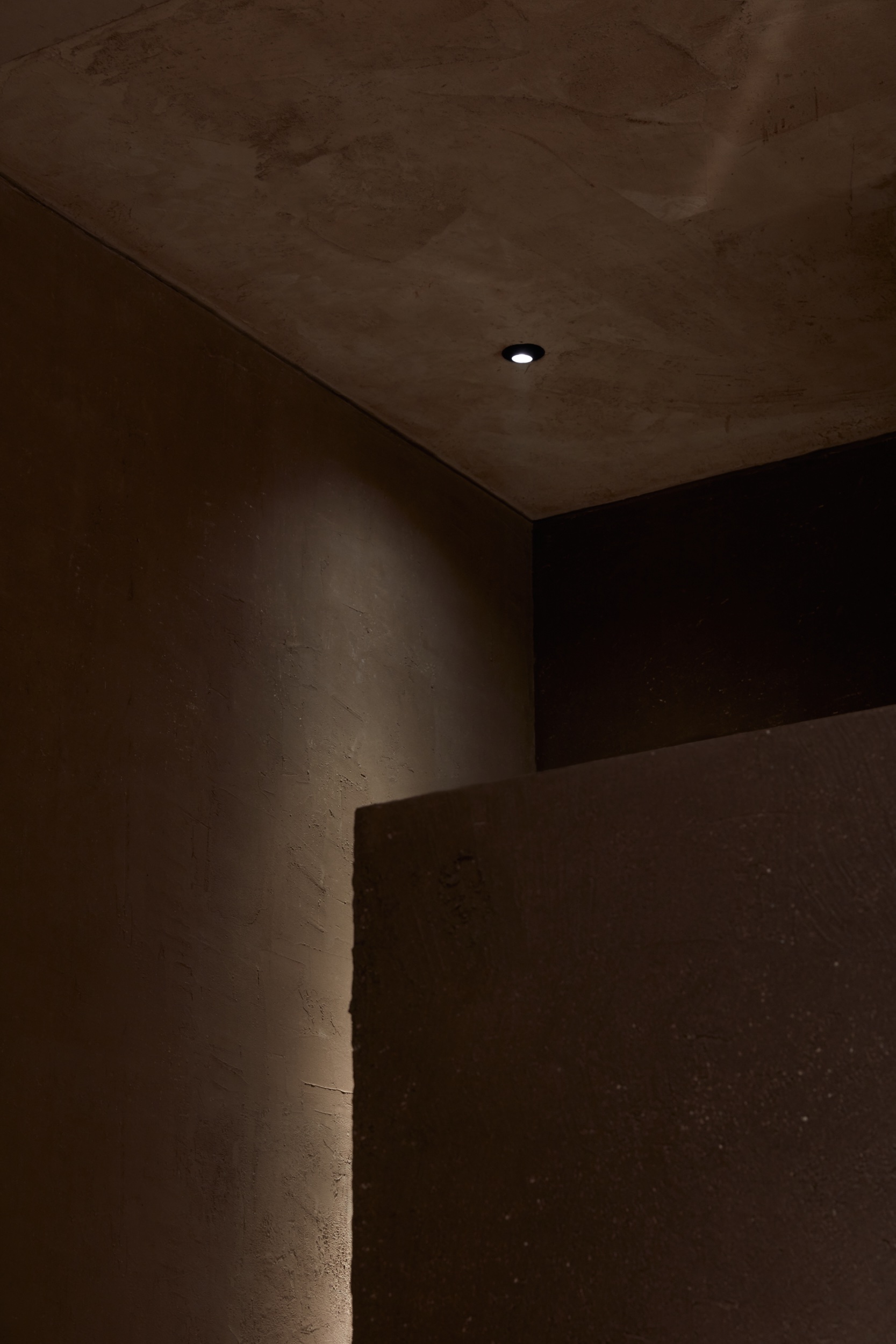
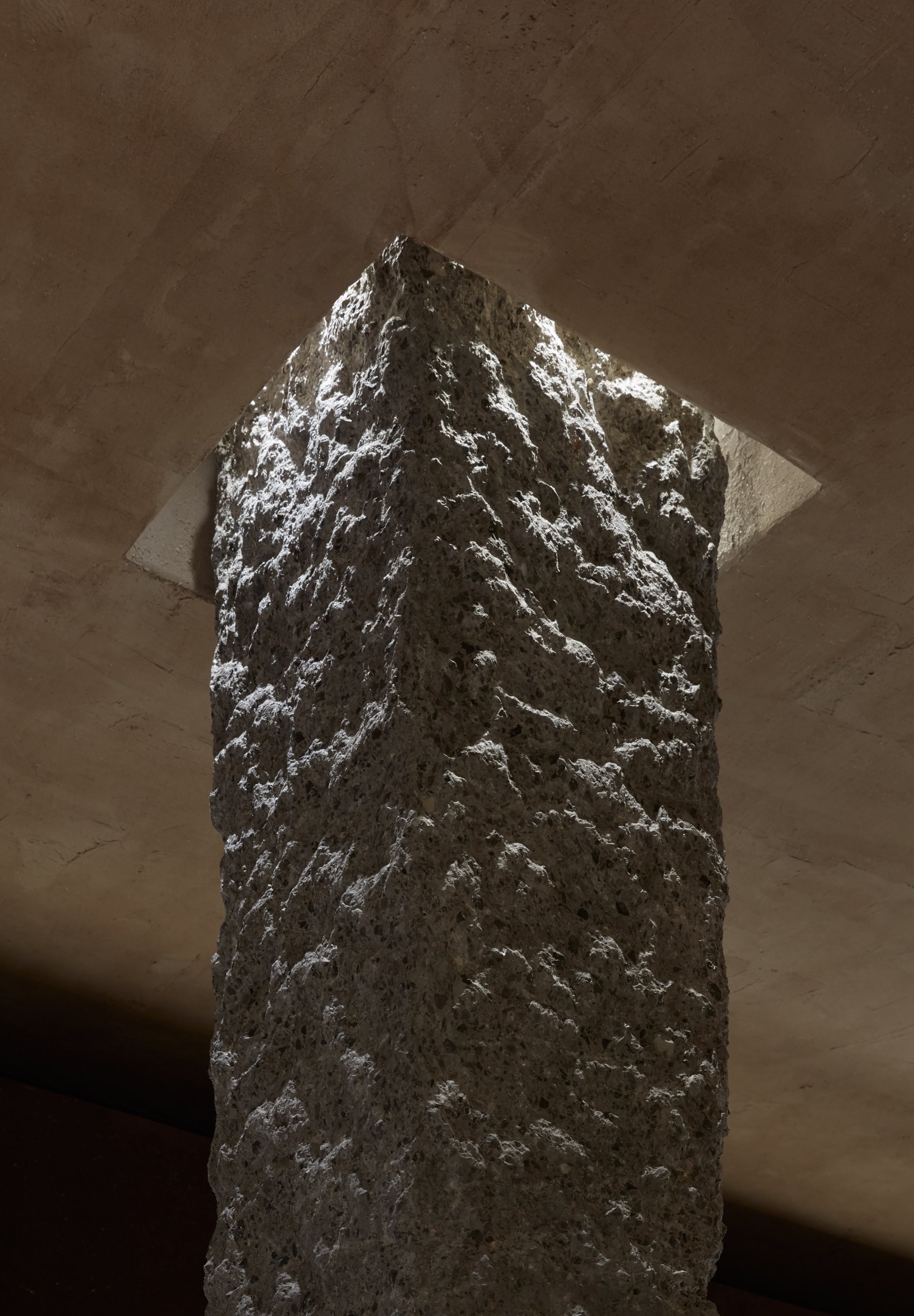
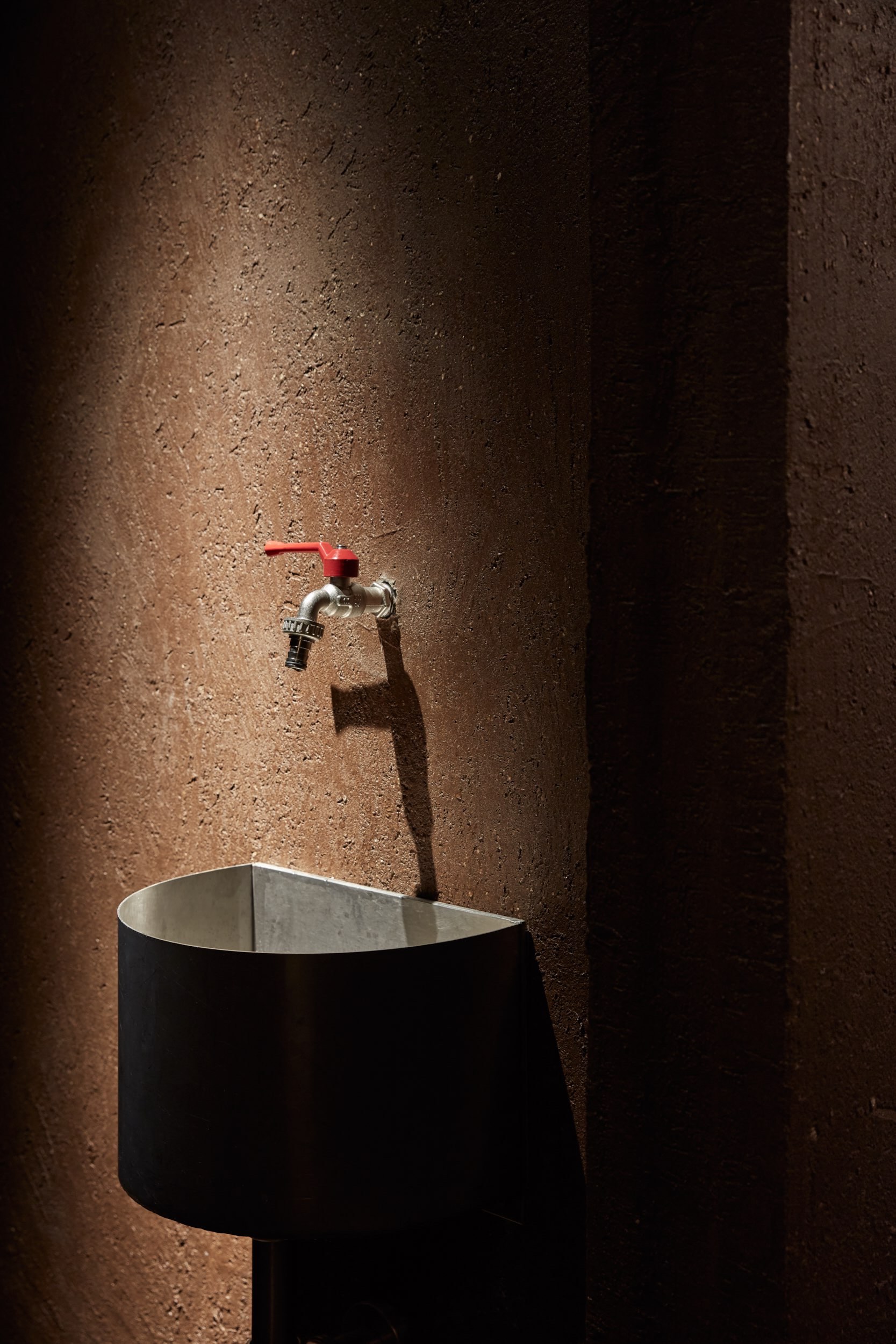
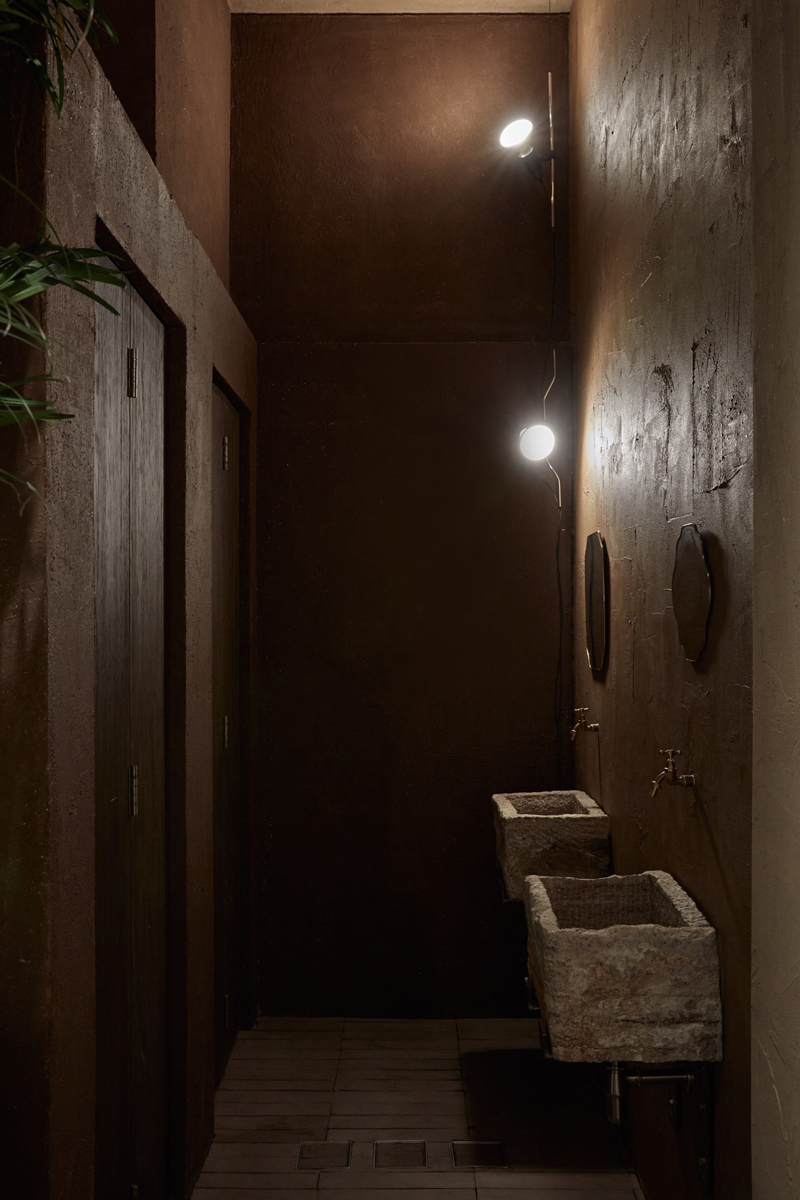
Given the approach to tie the space back to the origins of Emirati culture, the choice of materials celebrates the natural and the raw. The material intervention remained minimal by maintaining the site’s original concrete skeleton in the interior. The raised floor was treated as a thickened slab finished with natural clay from which seating spaces were carved out of. The kitchen volume was made with acid washed steel and natural cut travertine; further enhancing the raw approach of composing the space. Softer elements such as fabric and plants were utilized to augment the intimacy of the space by creating areas of enclosure.
VISUALIZATIONZORKA STUDIO

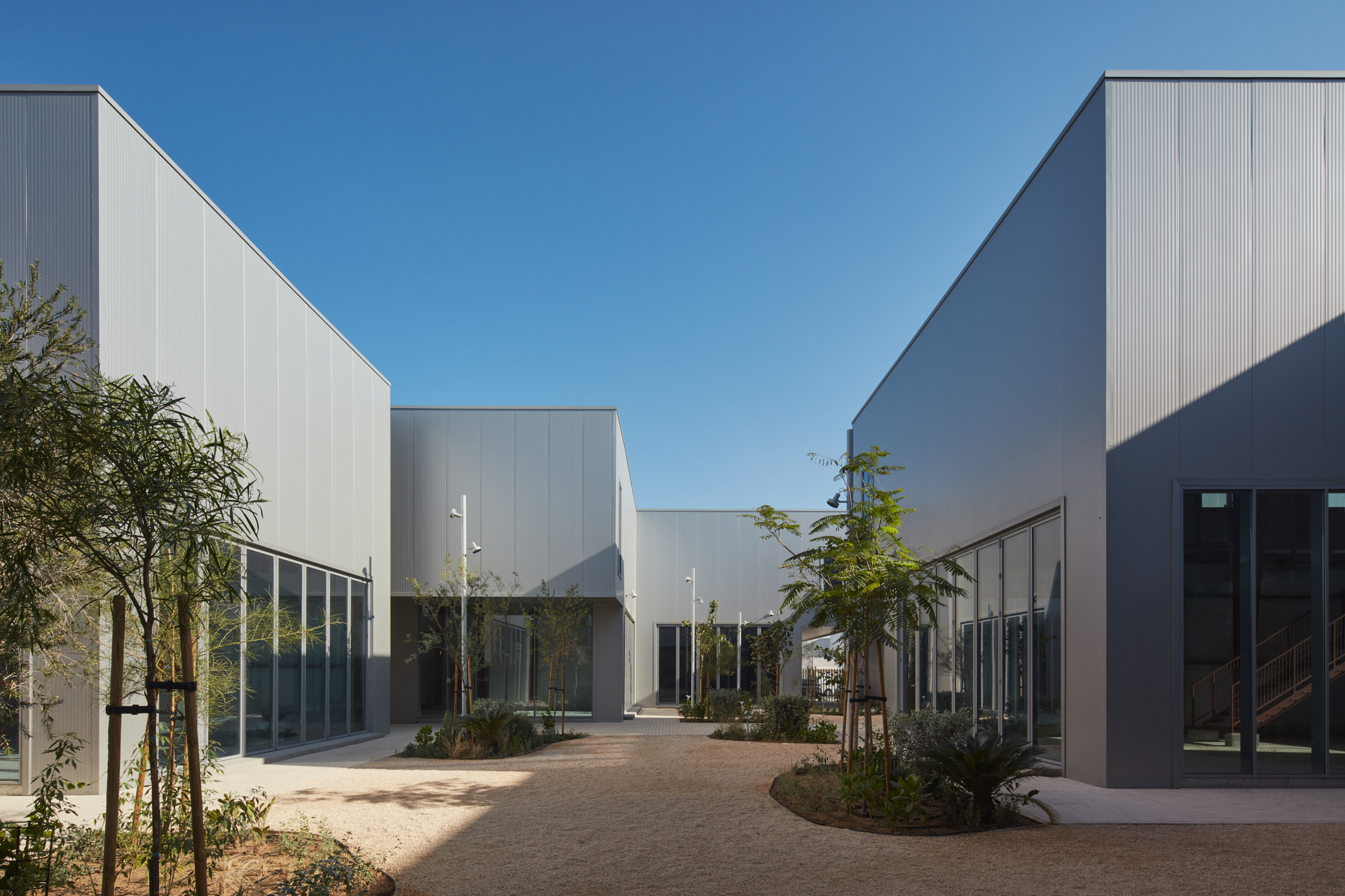
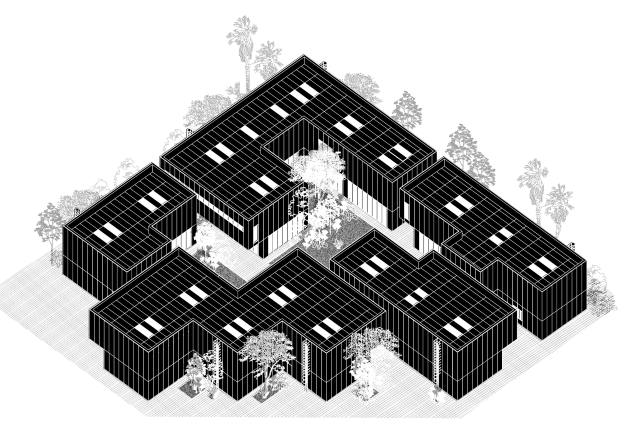
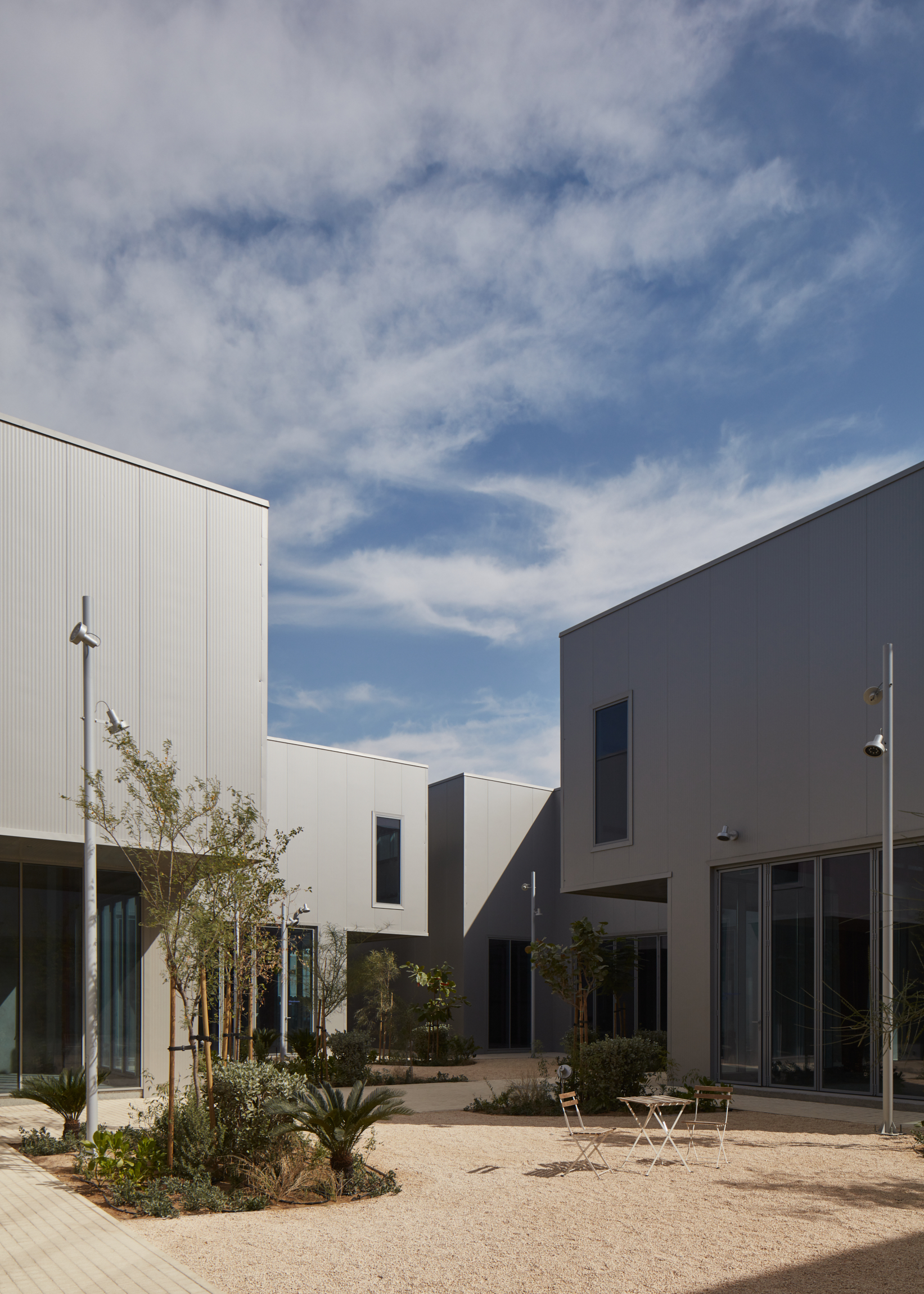
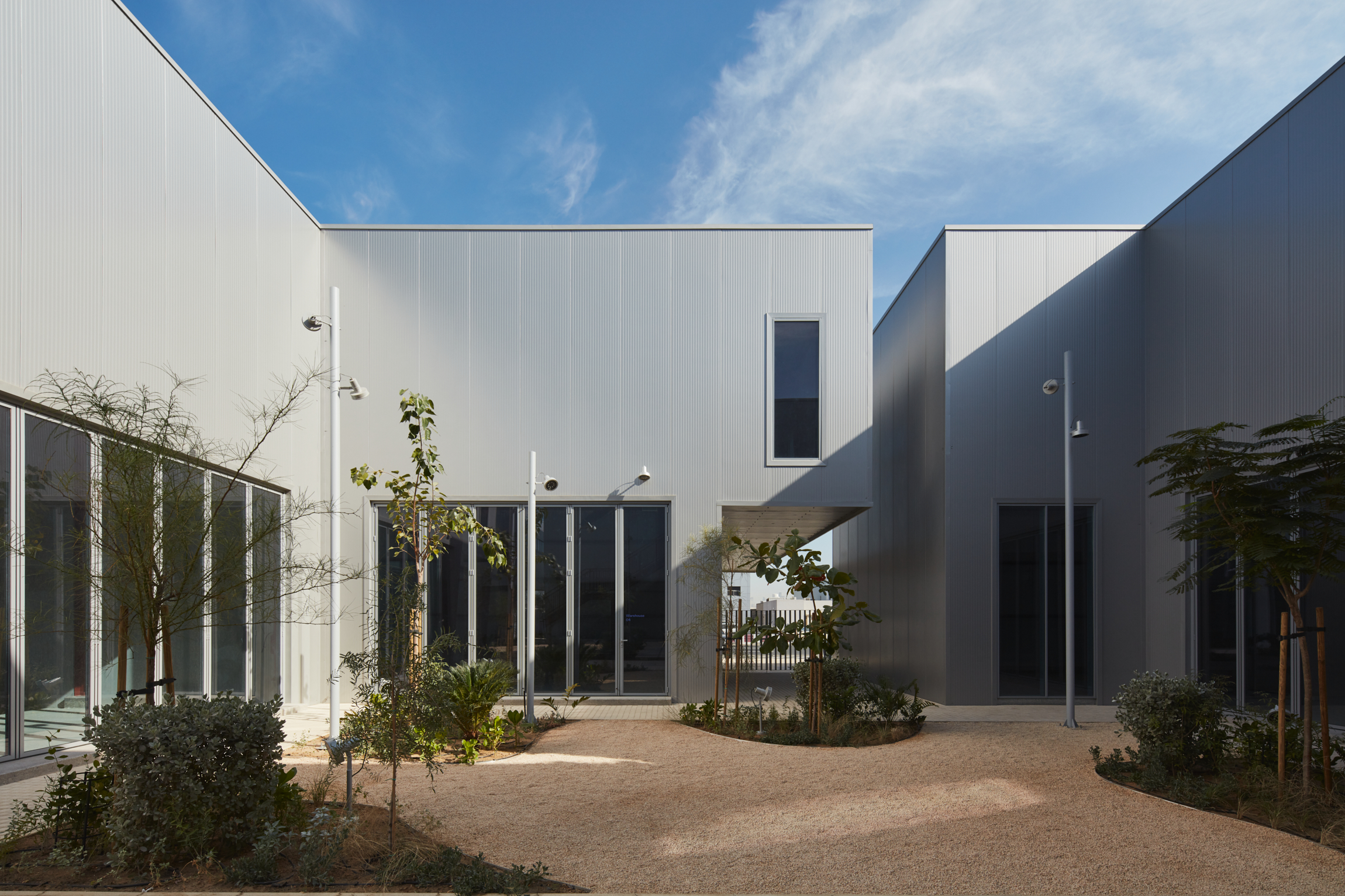
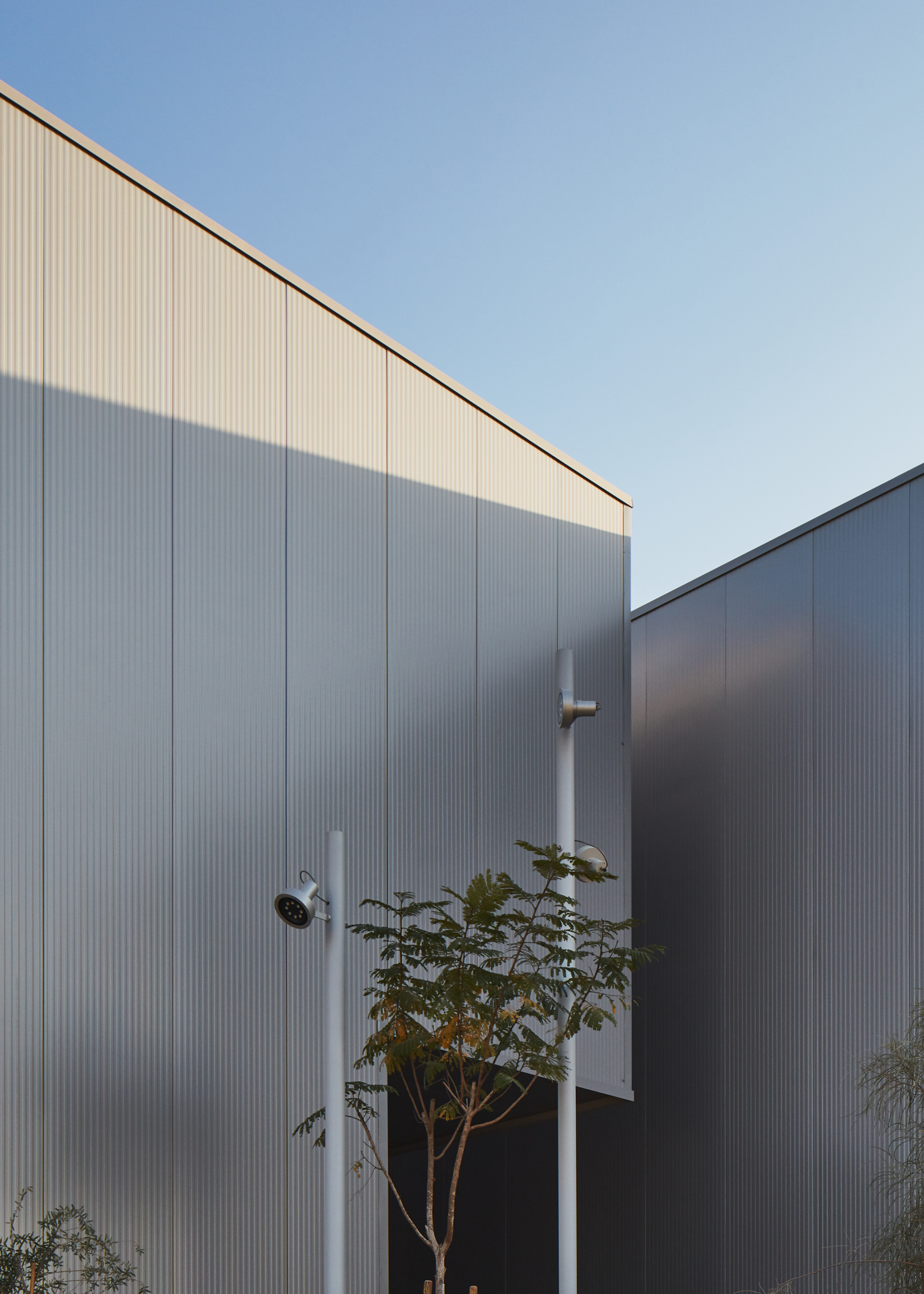
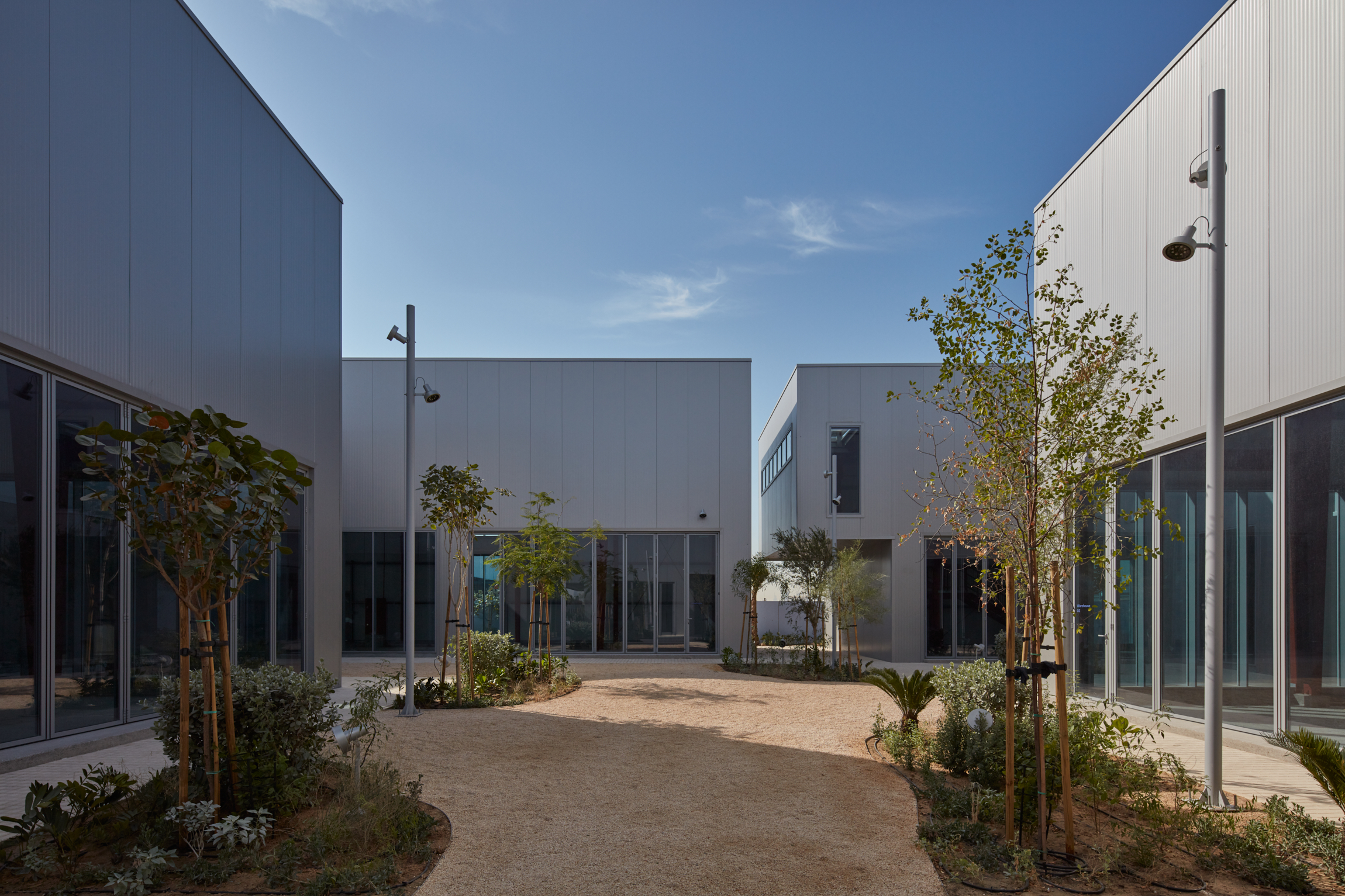
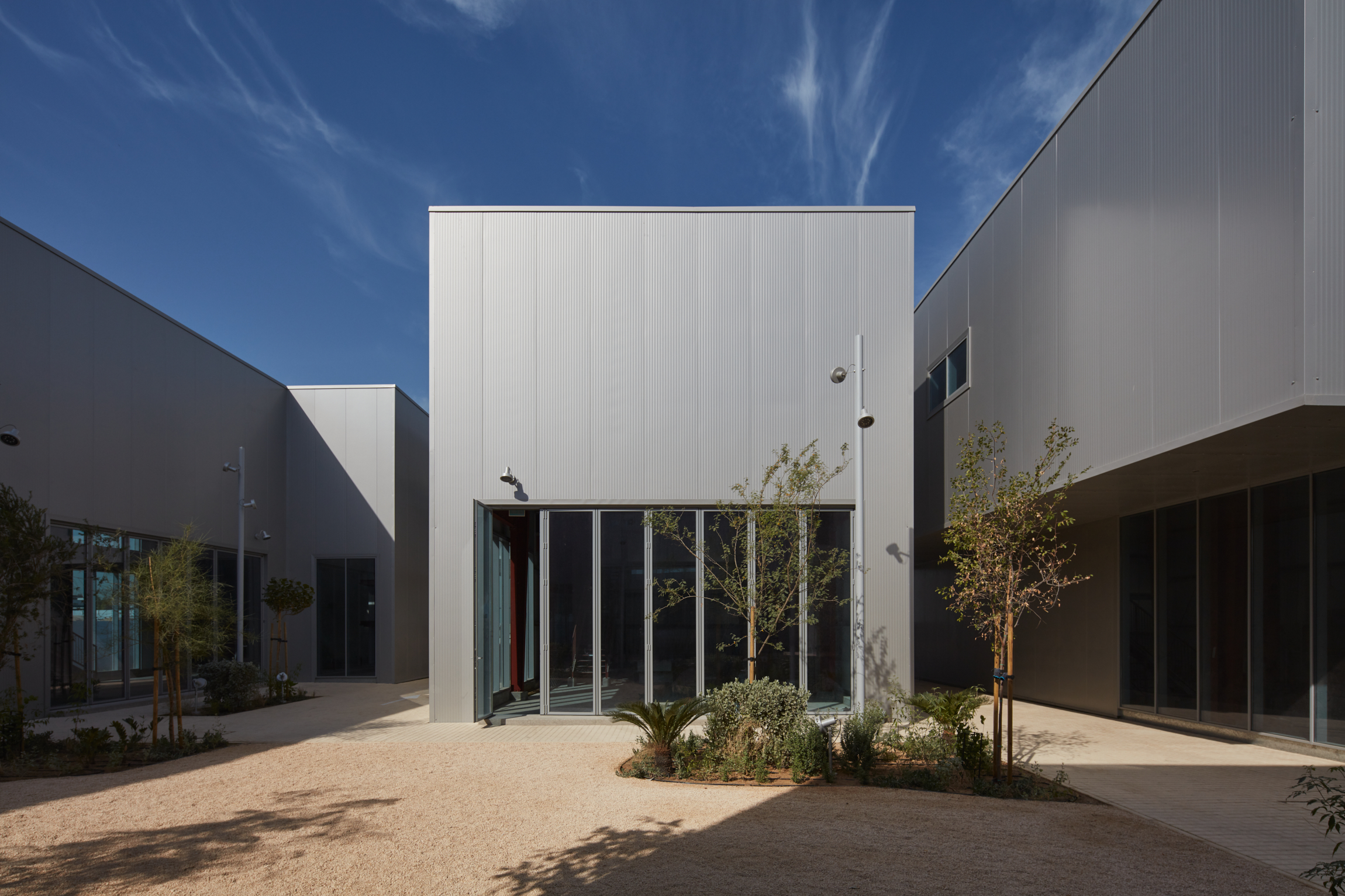
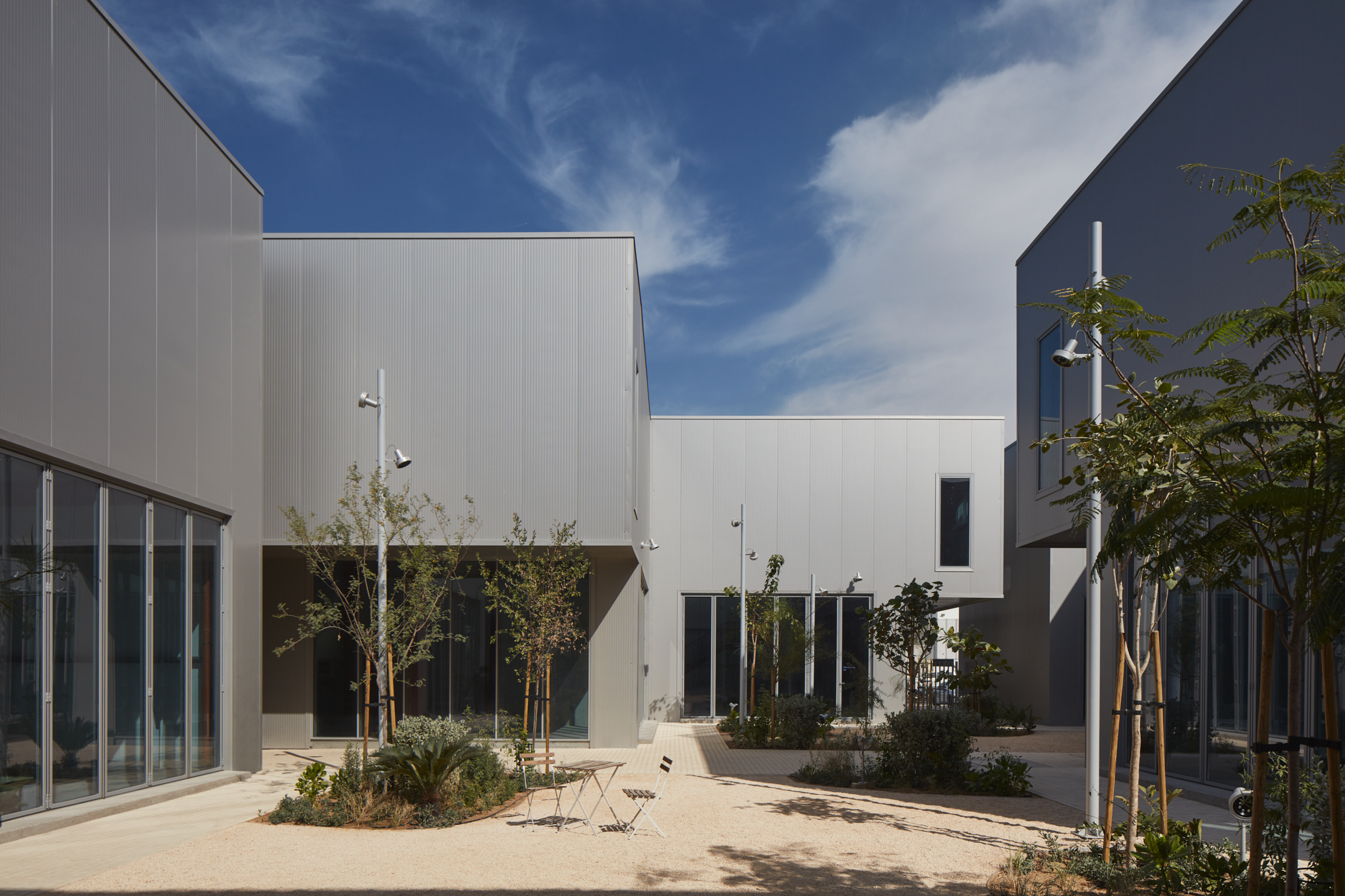
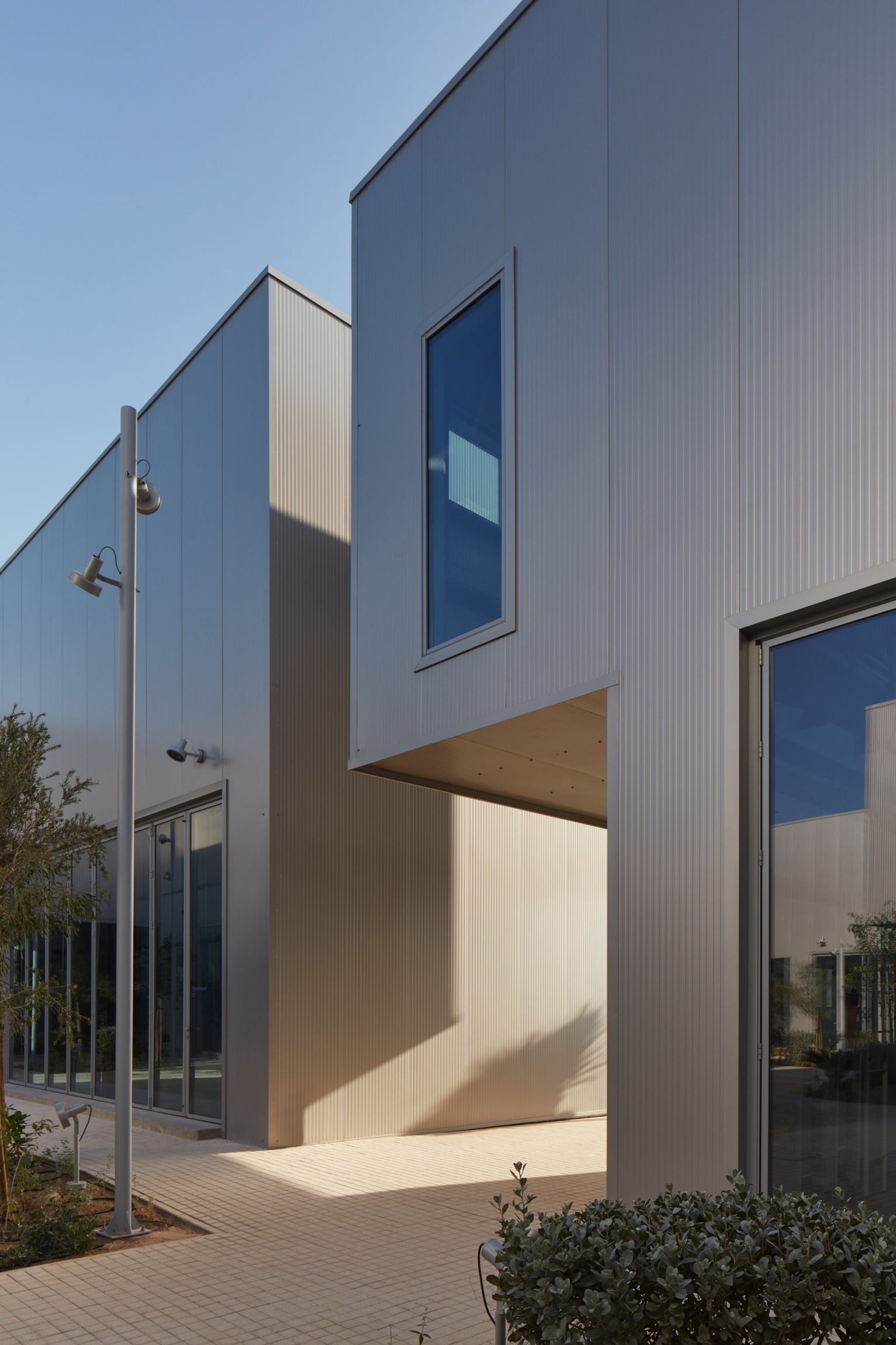
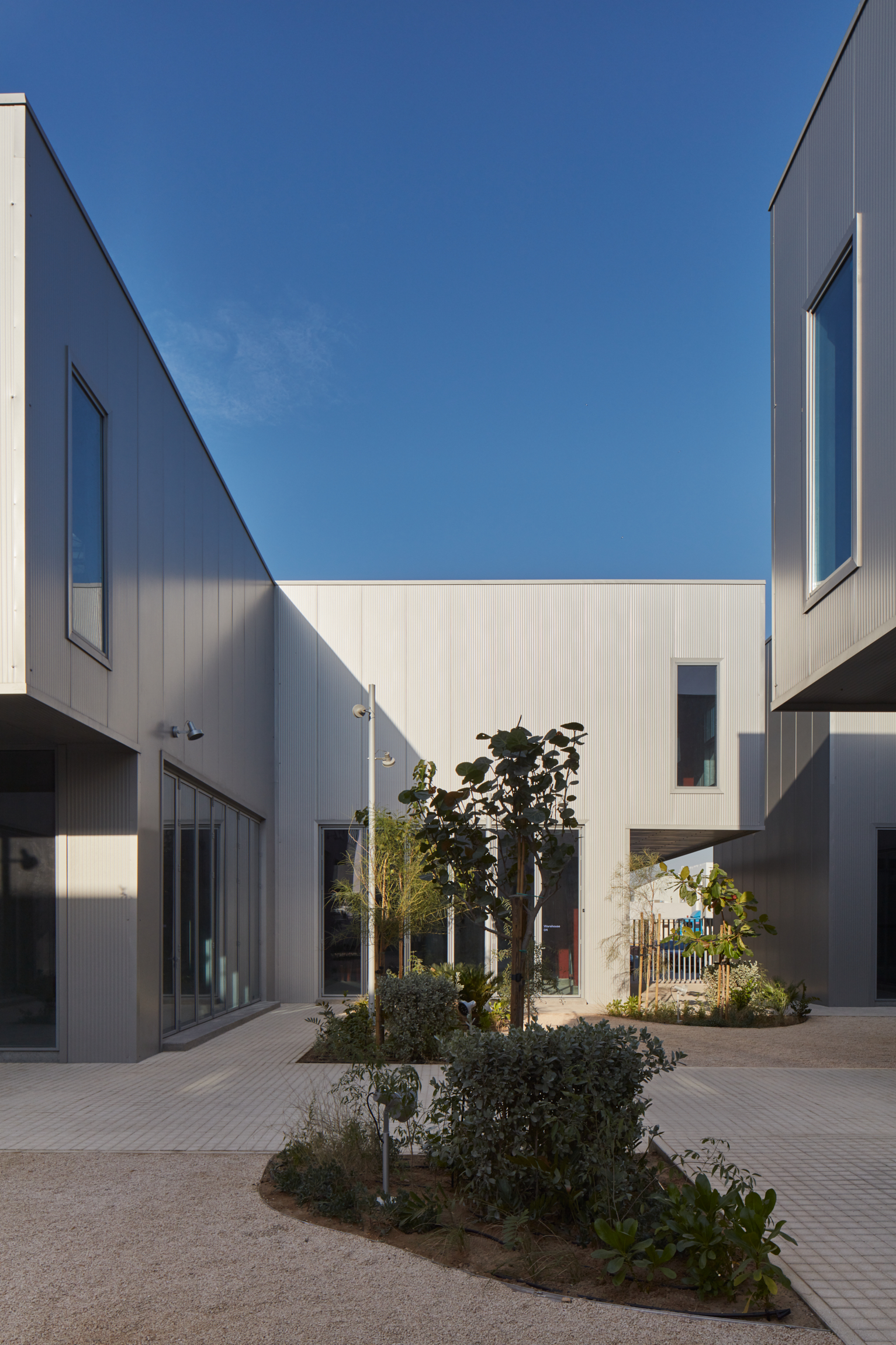
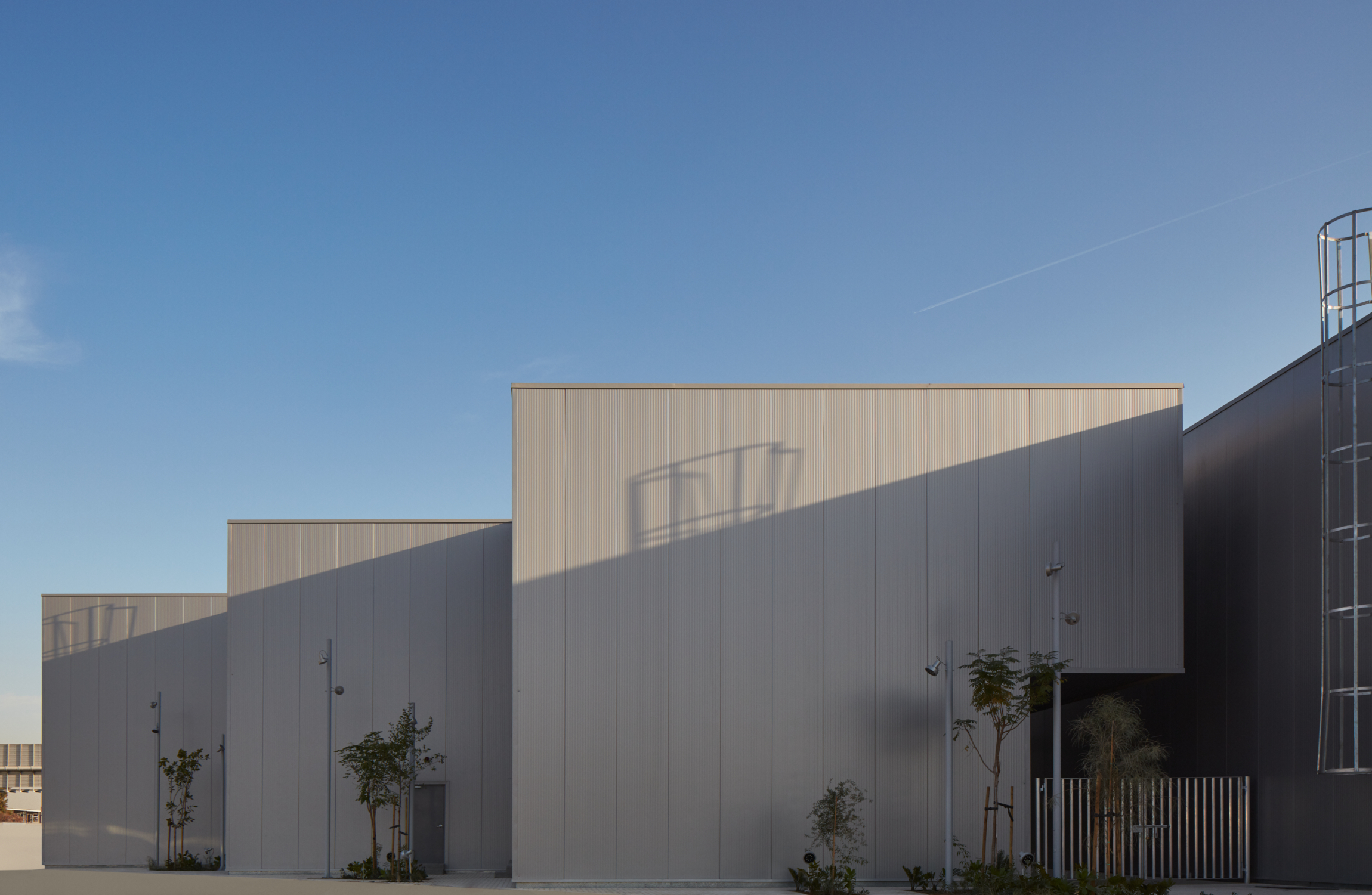
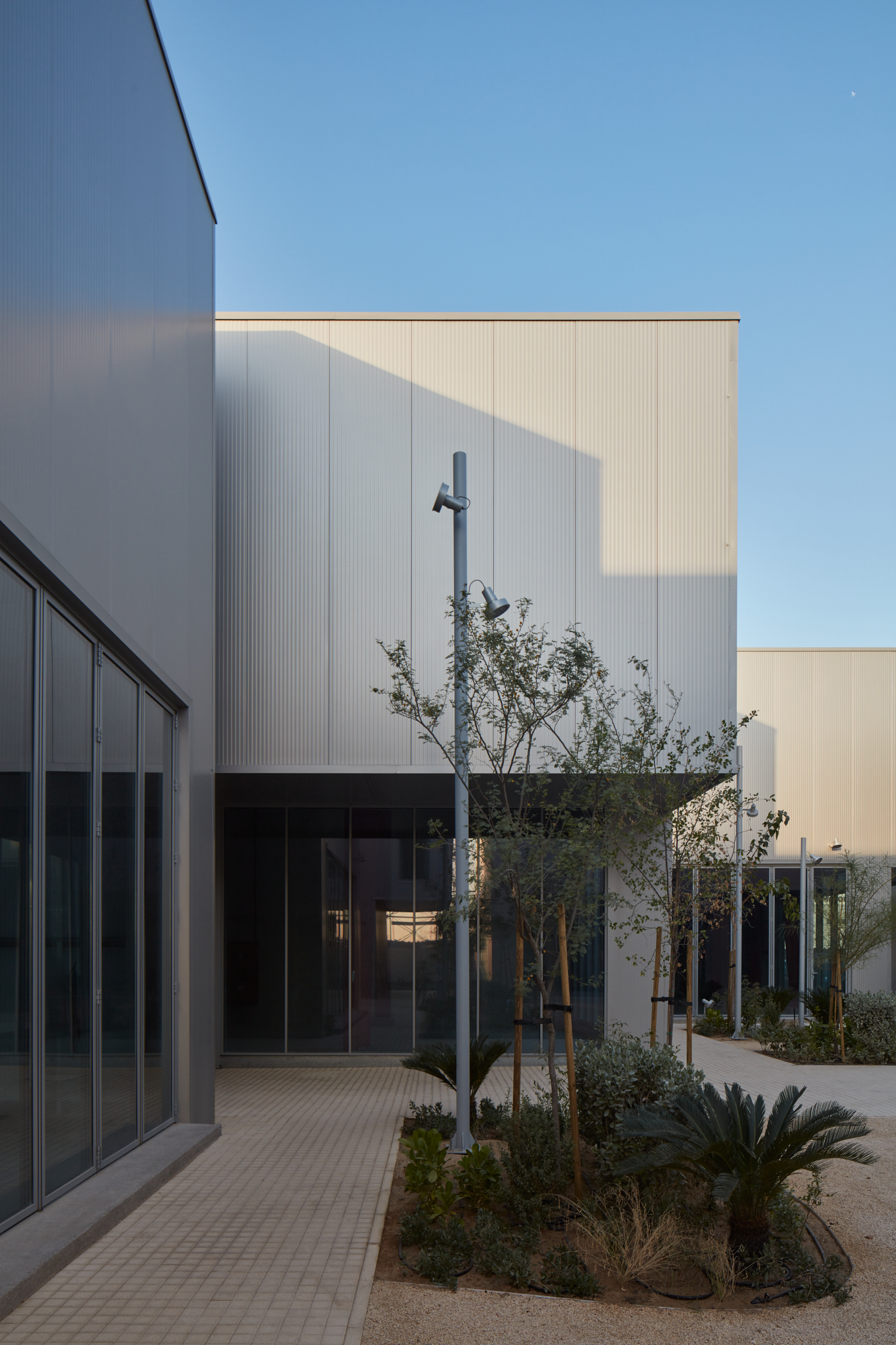
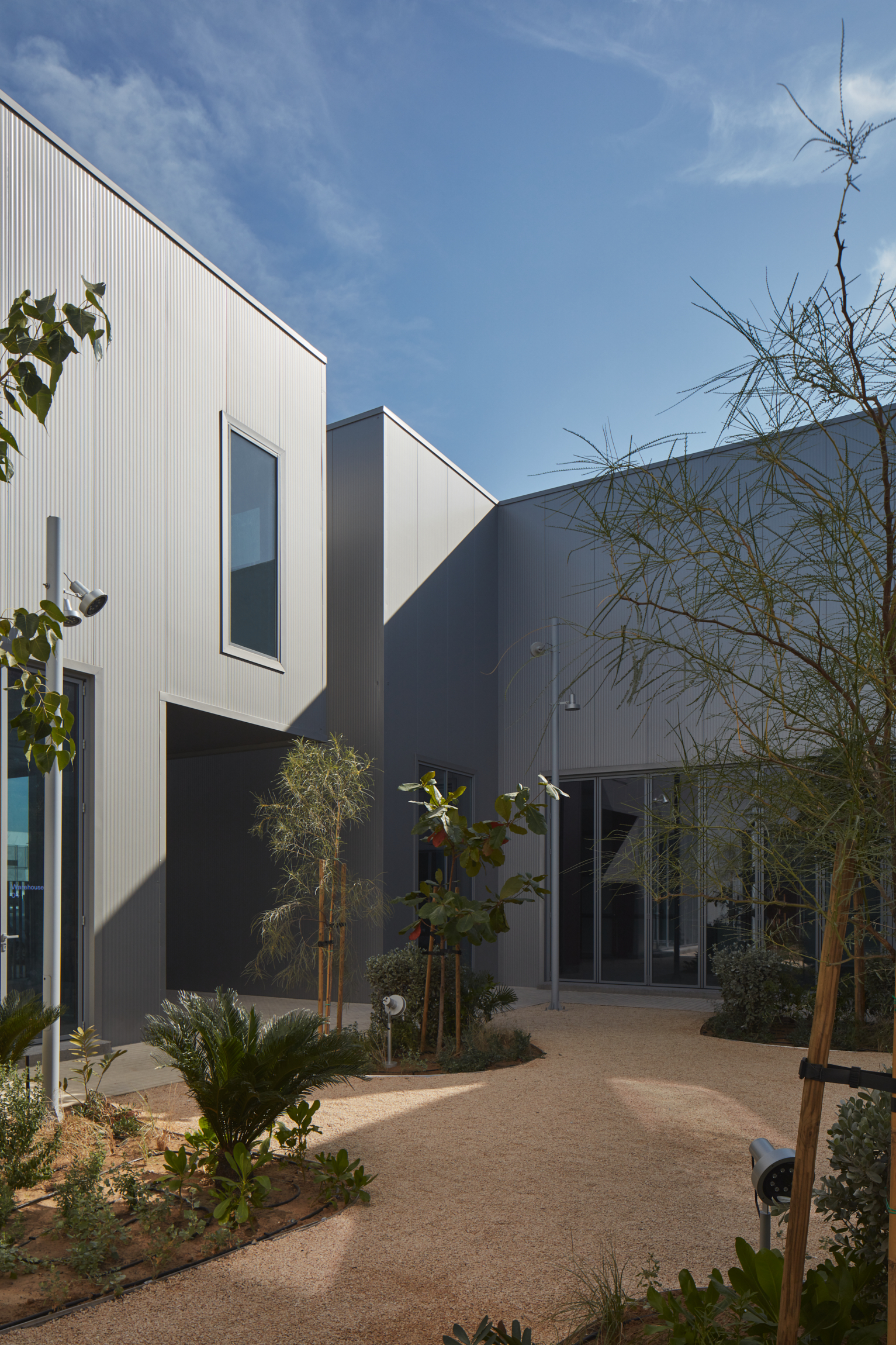
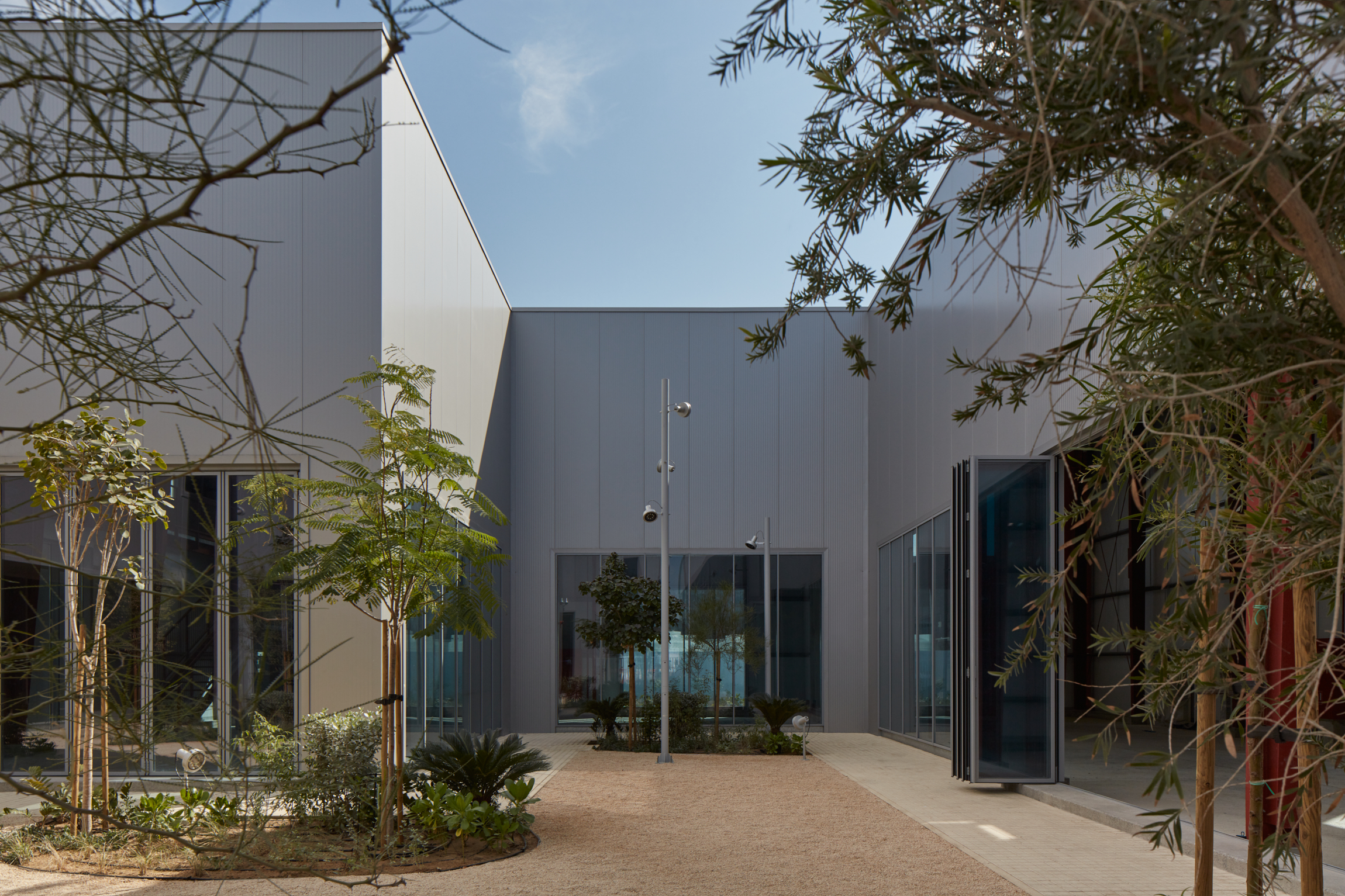
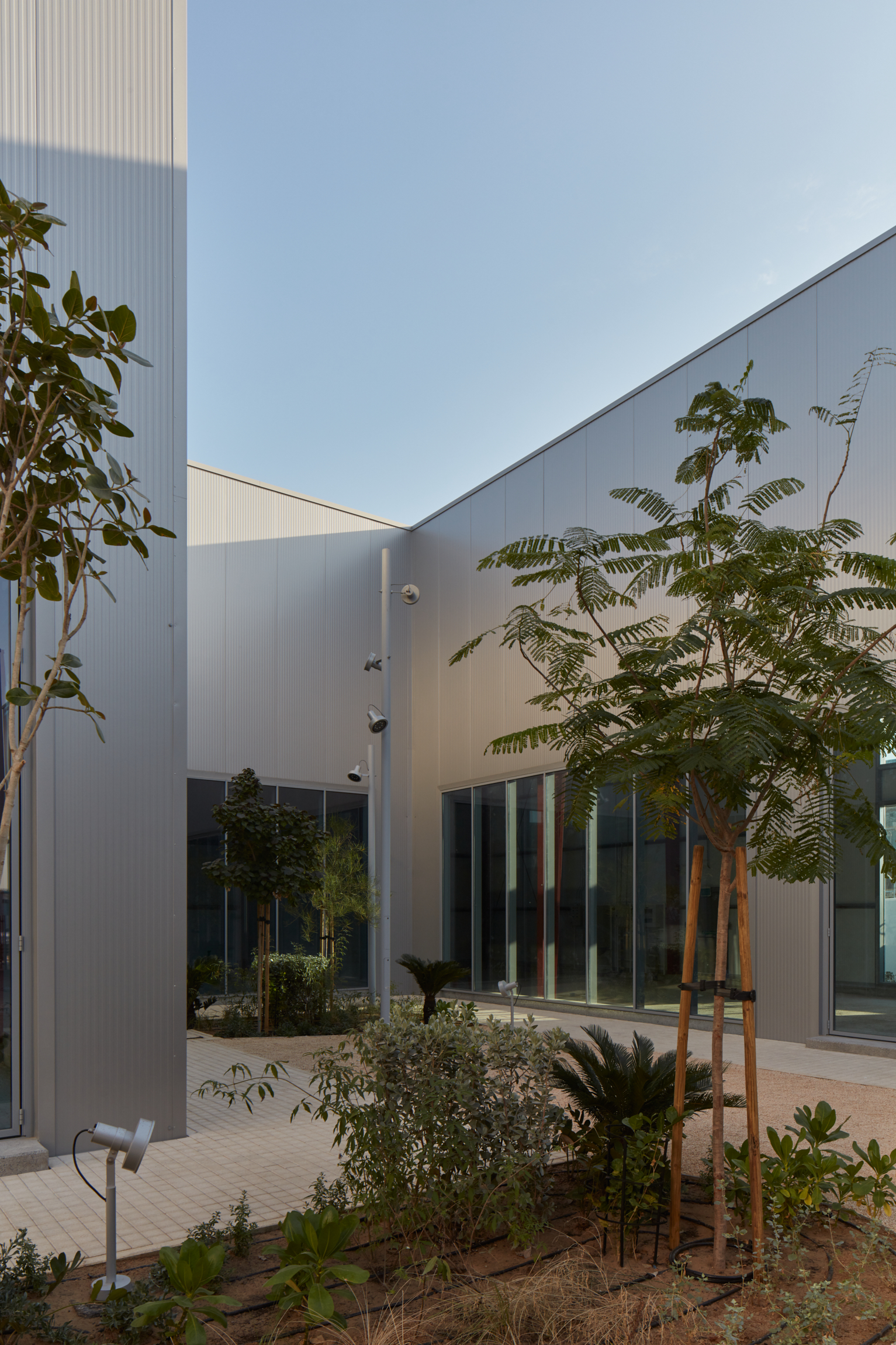
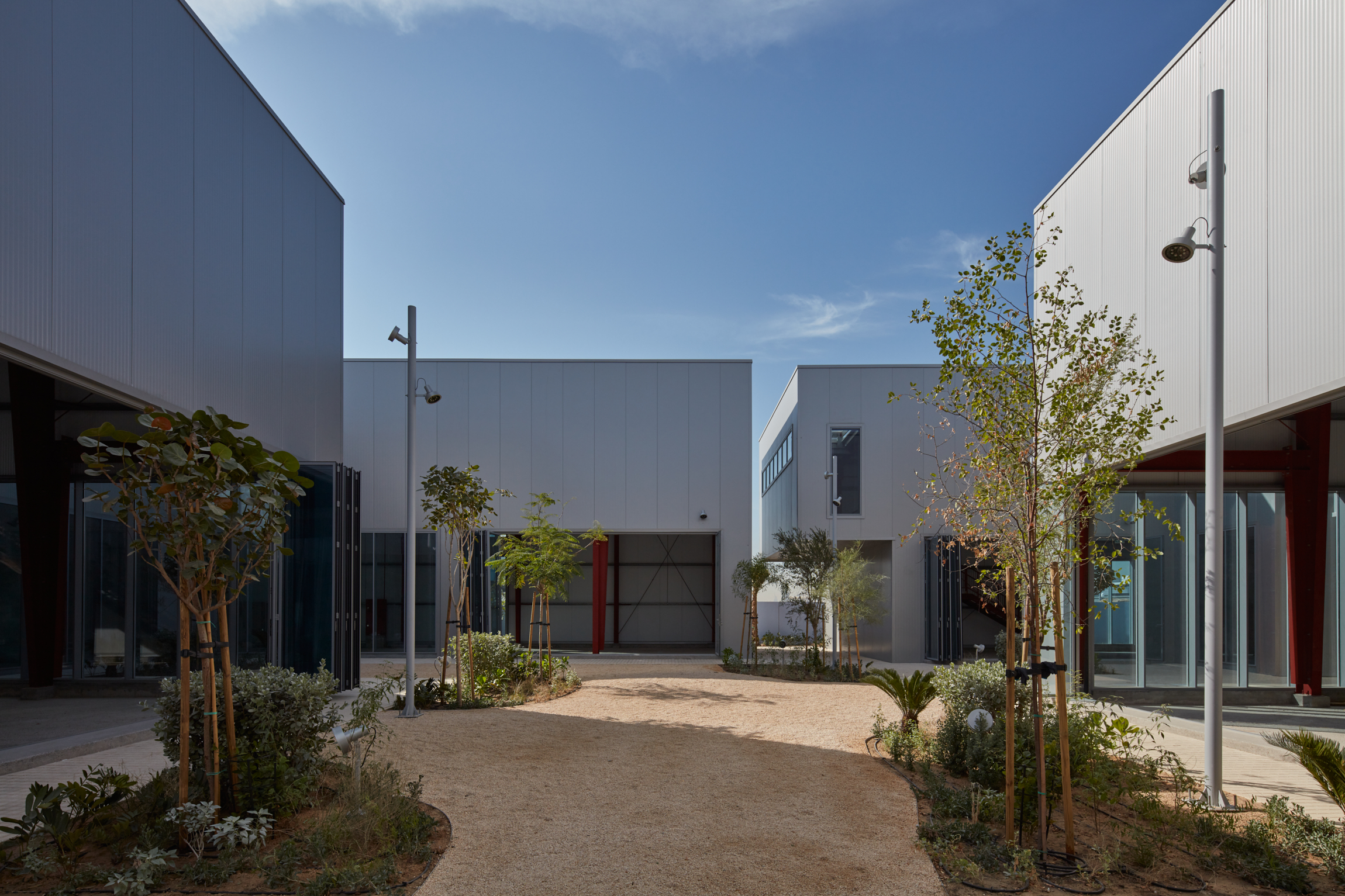
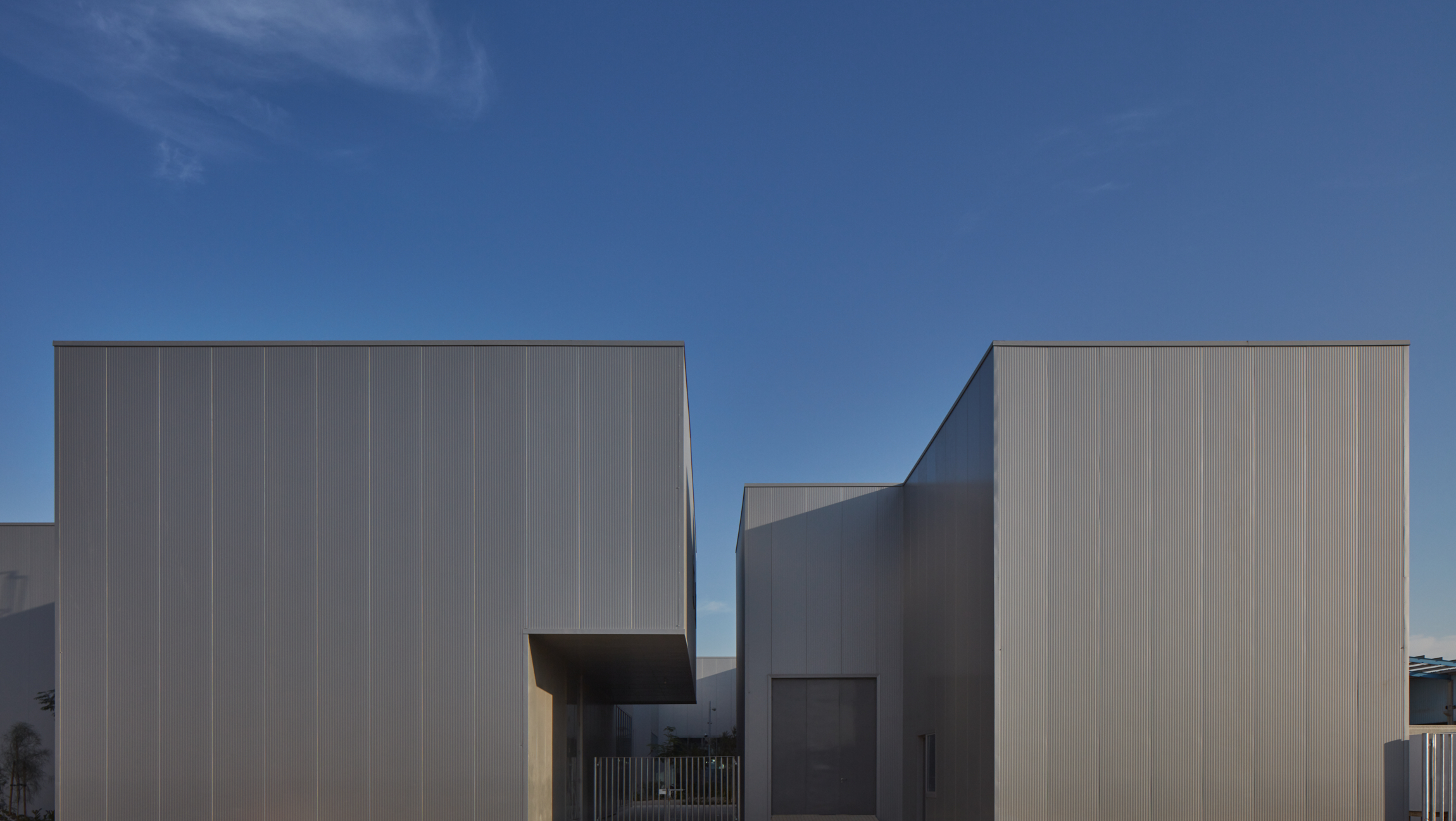
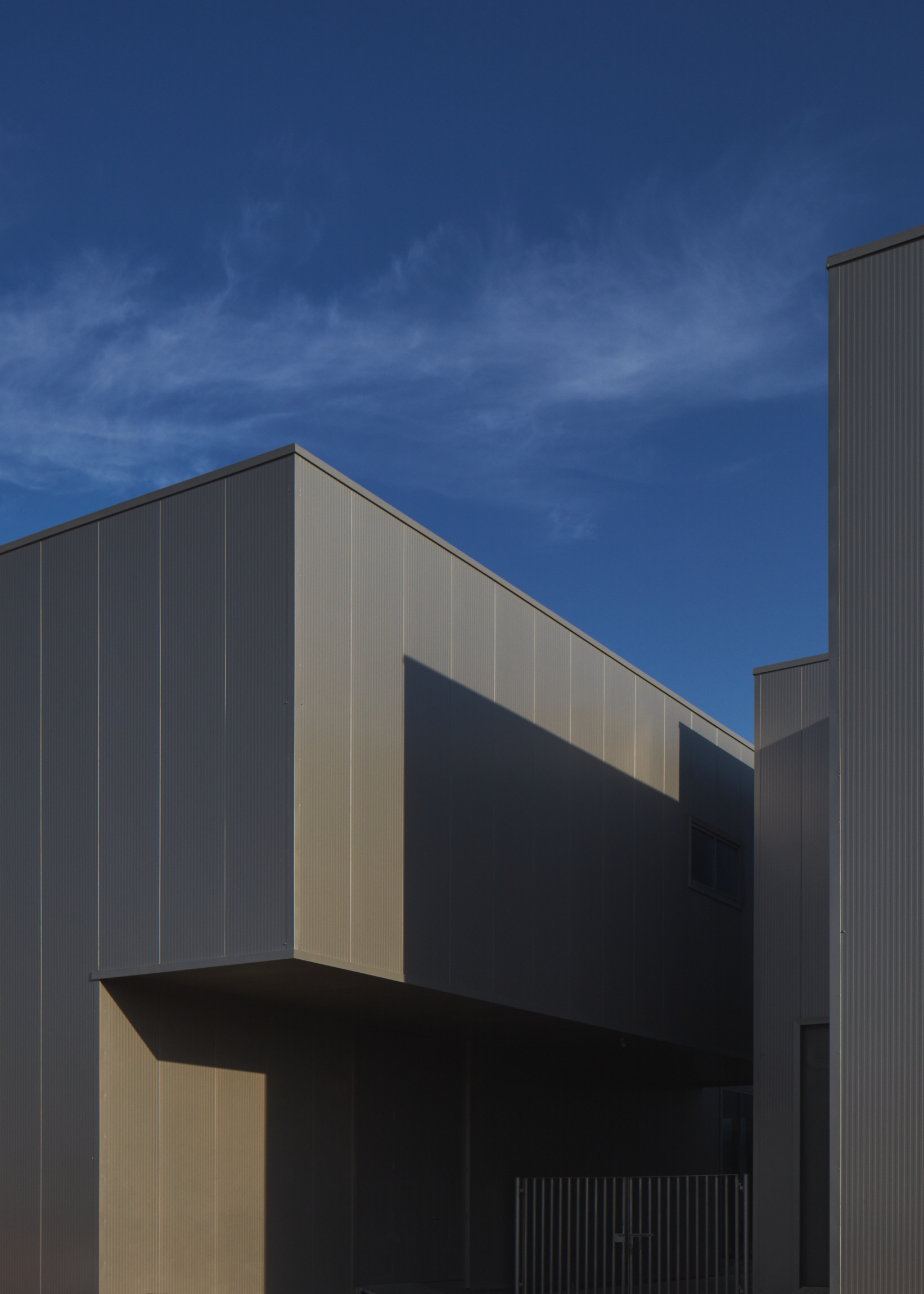
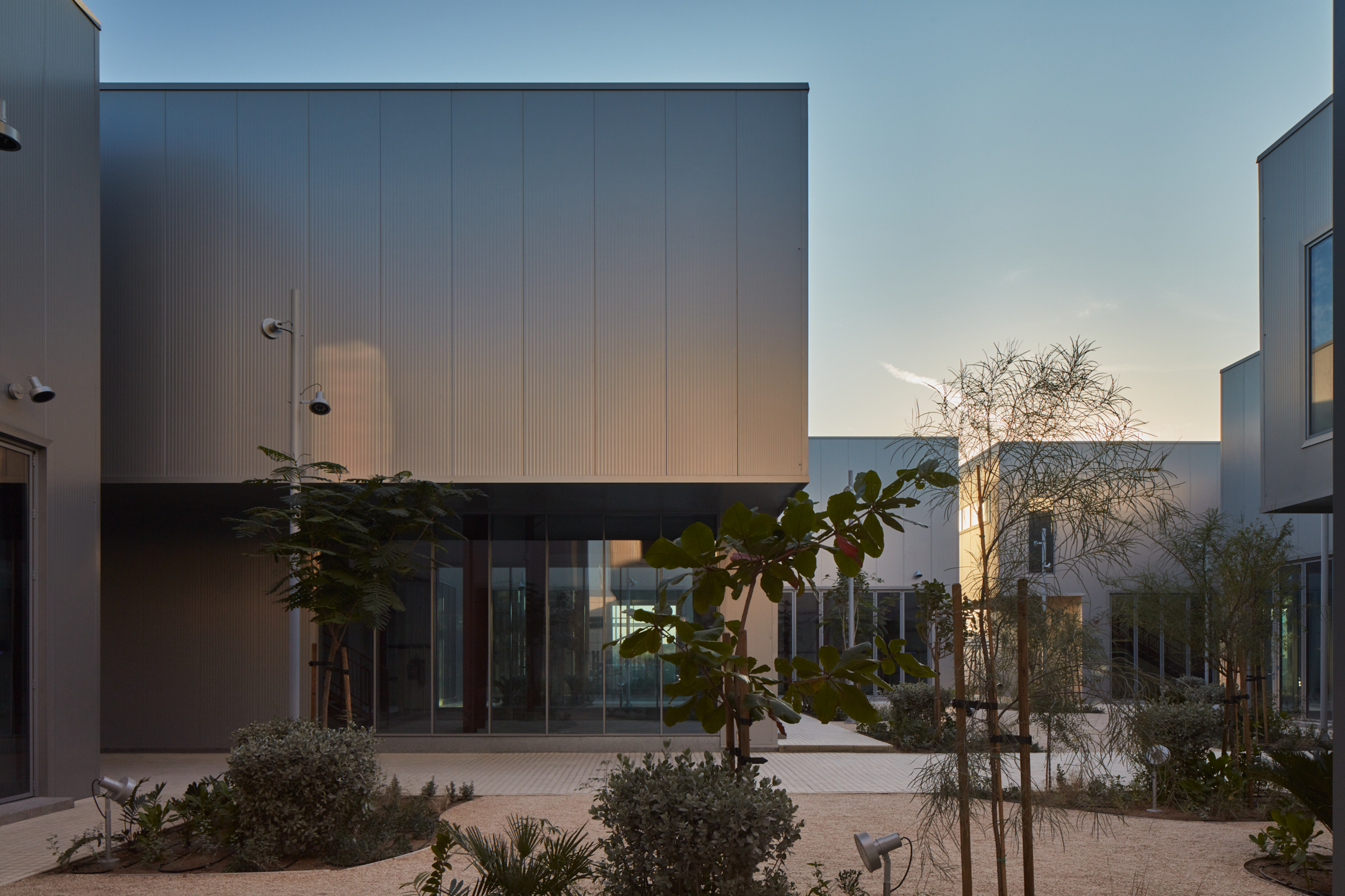
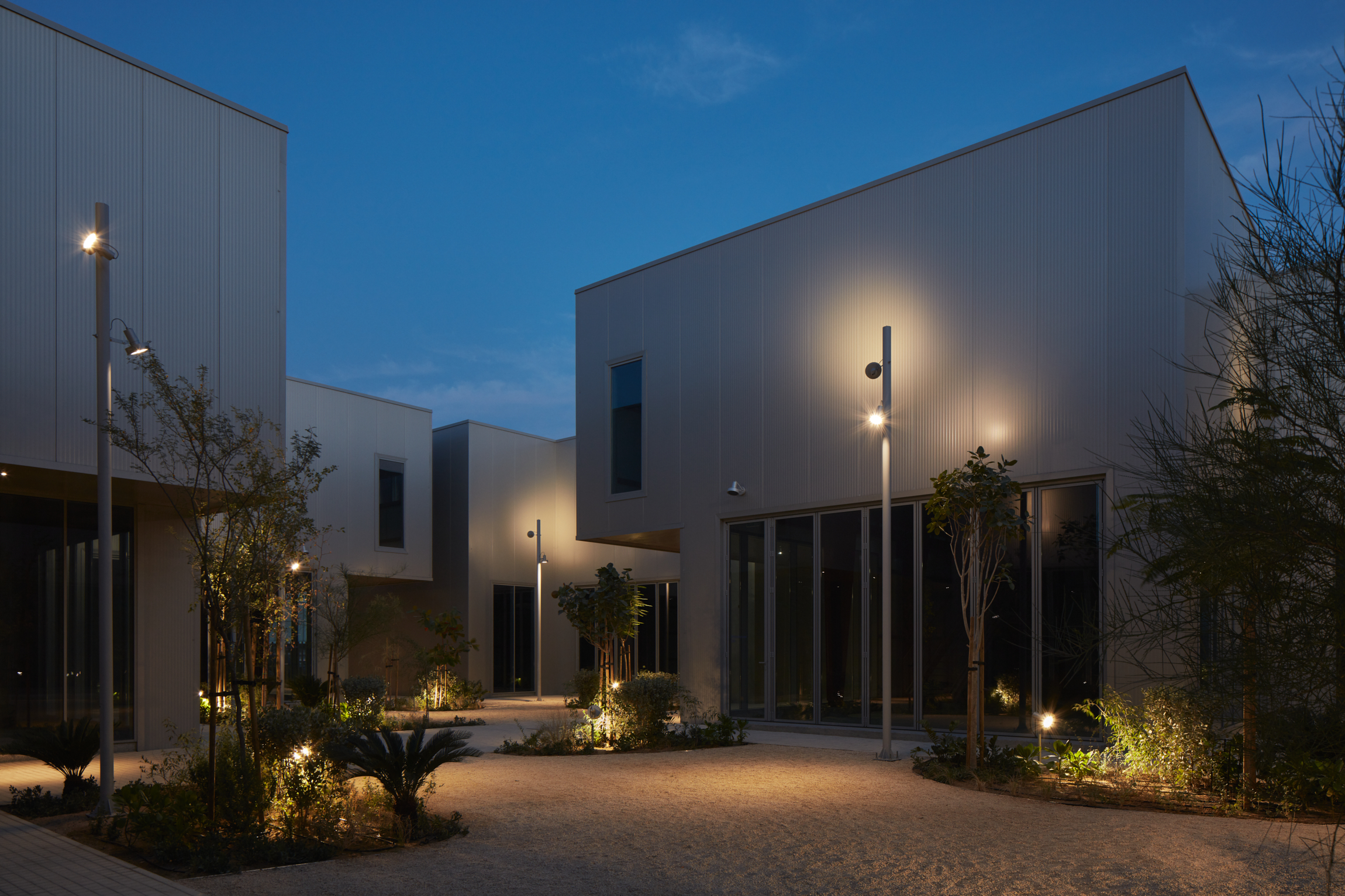
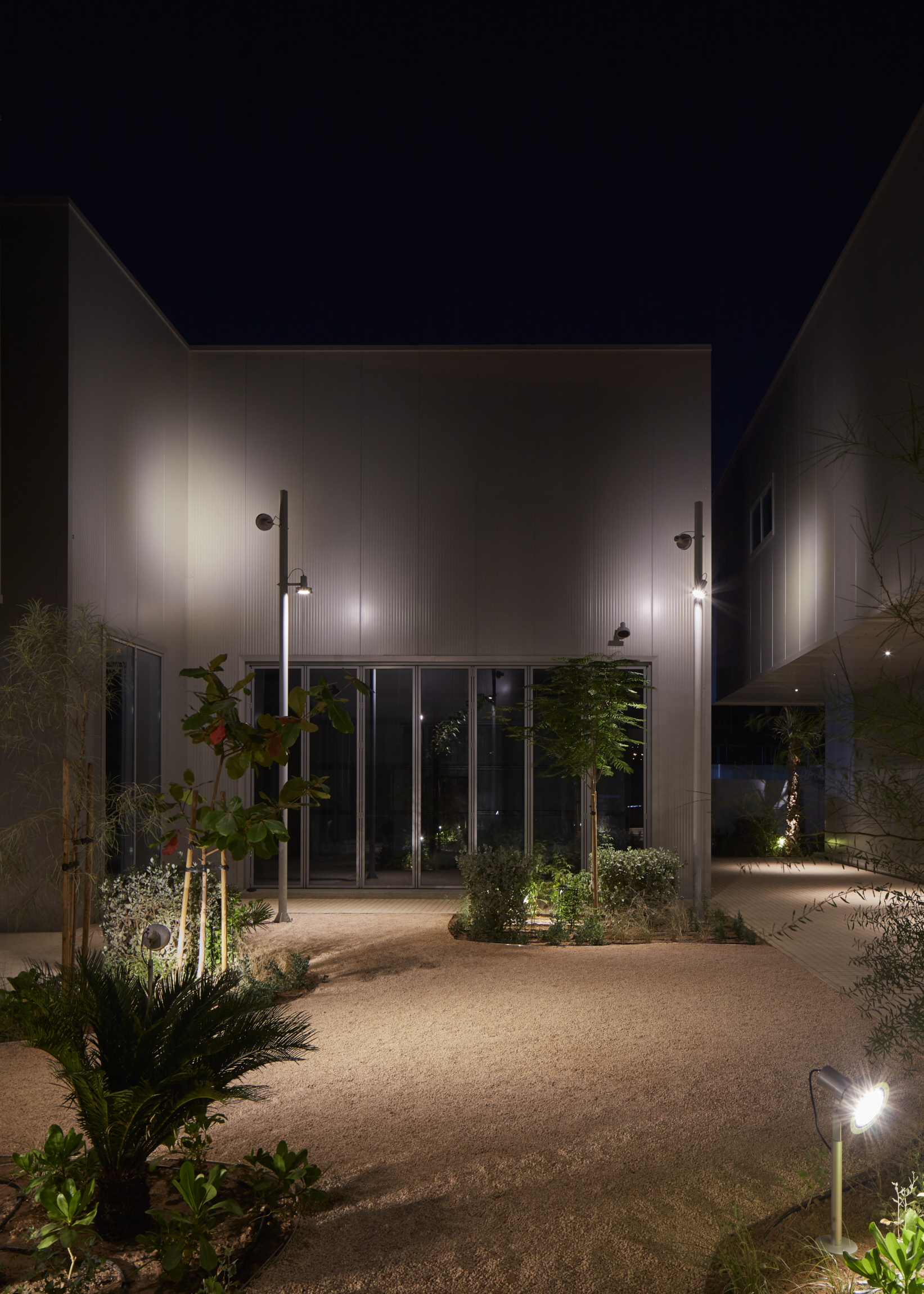
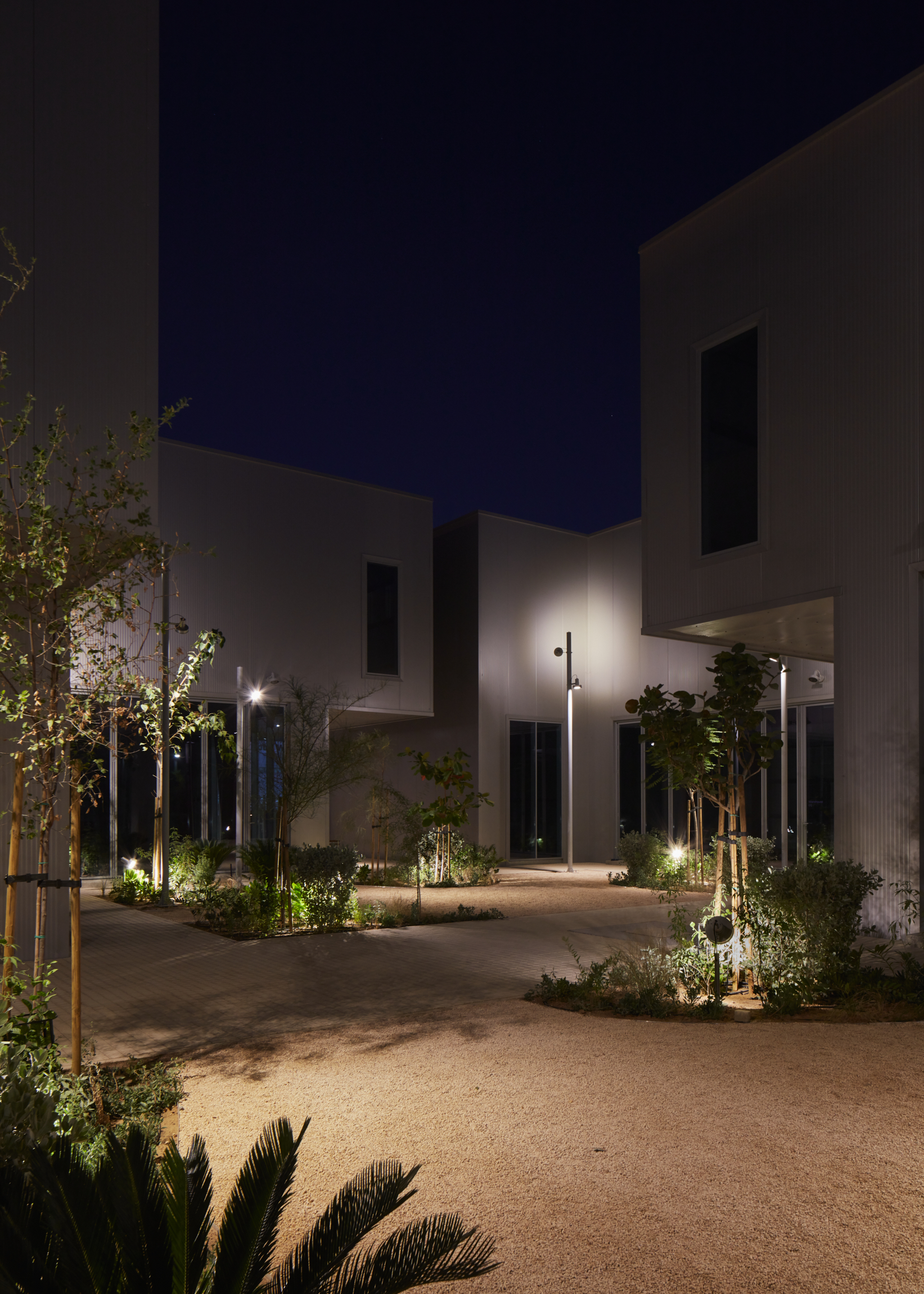
CMPLX is a conjuration of seven carefully curated warehouses dedicated to nurturing and developing local and international creative talent and concepts in the UAE. The projects spans over 3000 sqm and is situated on a corner plot within Al Quoz forming part of the Arts and Culture District.

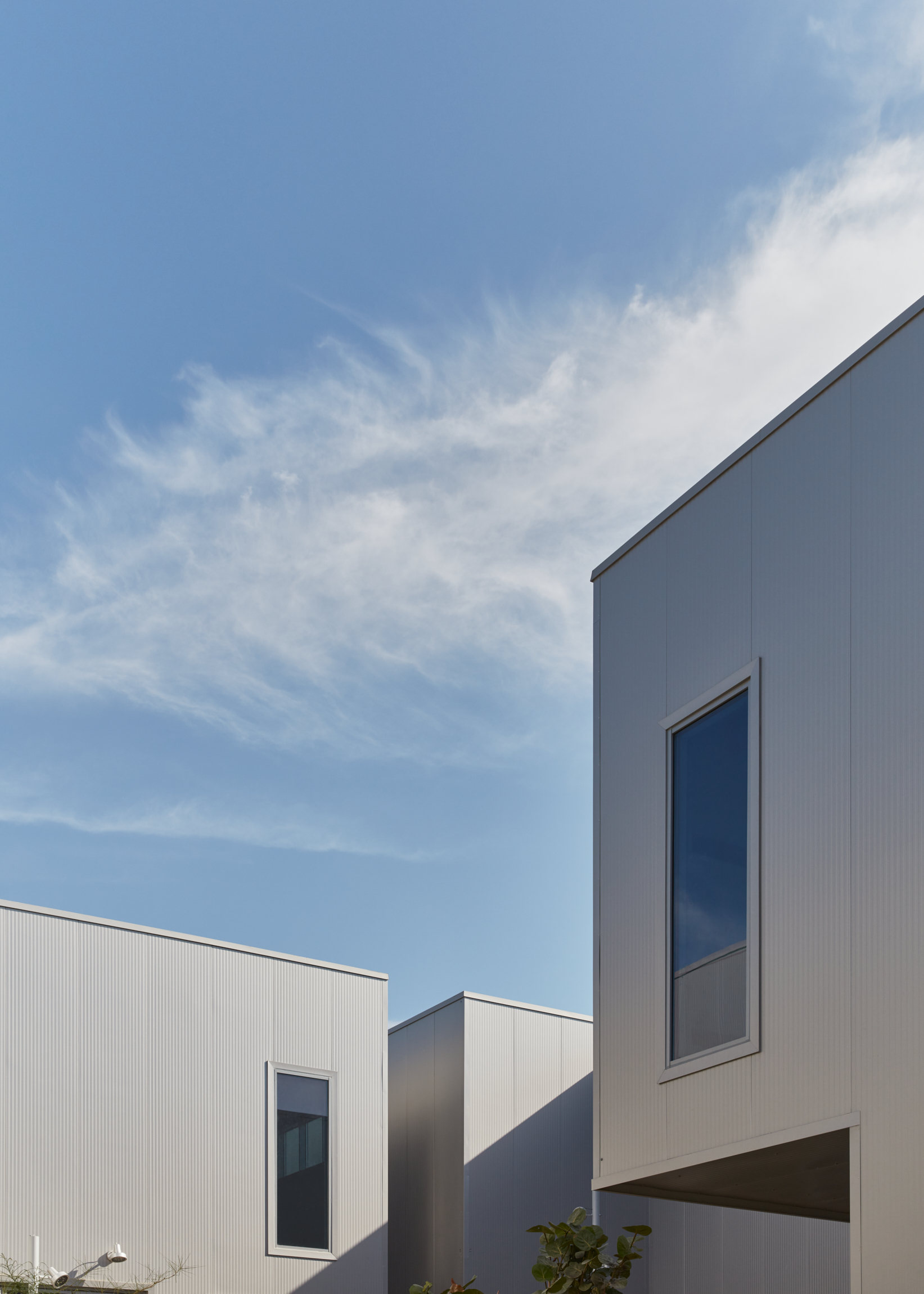
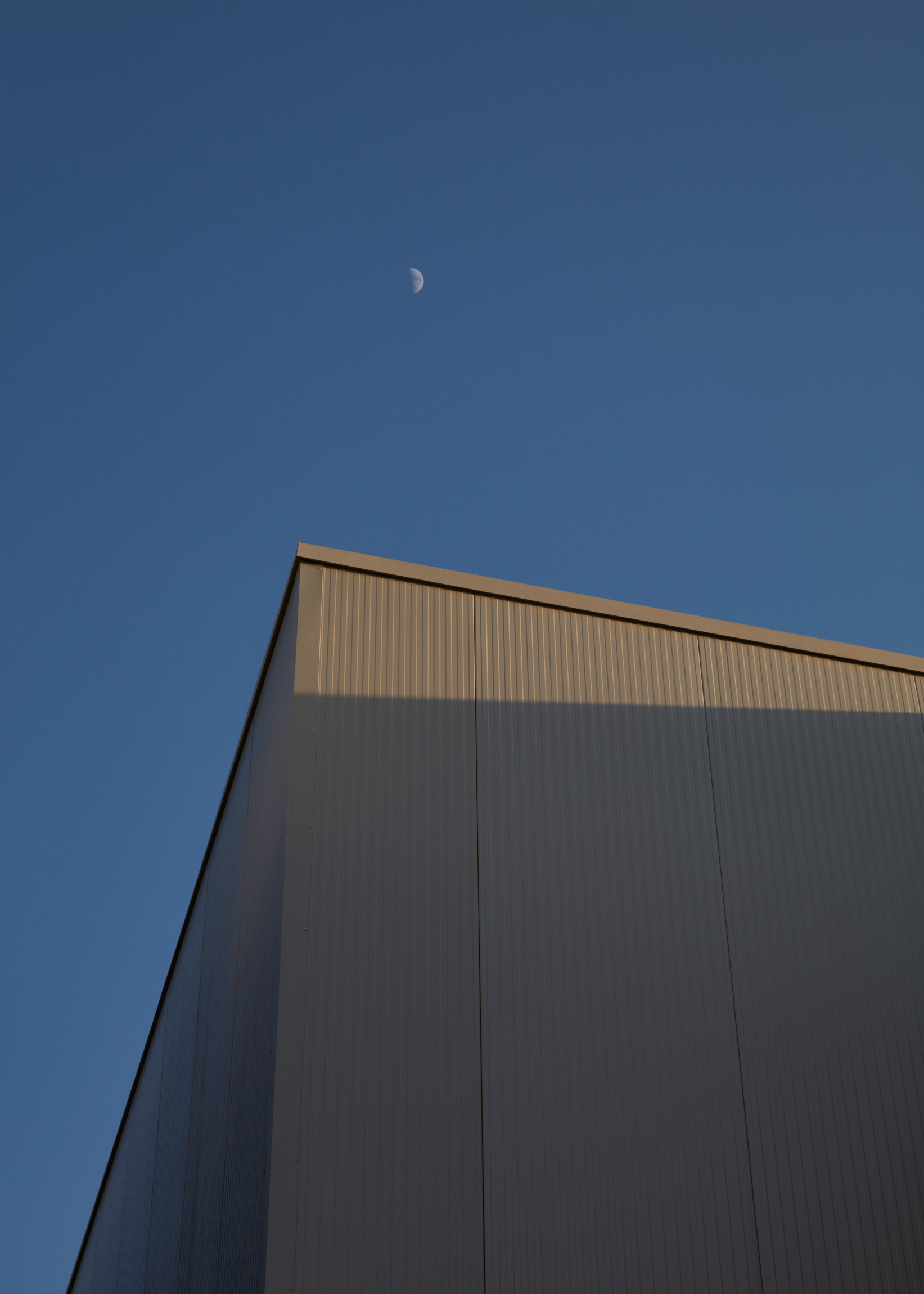
The main driving force was a reversed engineered approach, where the built up areas were crucial in maximizing profitability for the development. As a response to the current social contact, a blind facade and staggered arrangement was the result of isolating the users from the surrounding streets. In order to gain more landscaping area, the form of the building was shaped. The mezzanine floor area extends further than the ground’s, as a cantilever gaining more floor area but most importantly creating shaded green corridors in between the buildings. The configuration of the warehouses revolve around the central public garden as a singular dedicated pedestrian space. Nature and sunlight floods into the internal environments, embracing an alternative take on common warehouse architecture.
Project Completed

ON GOING
VISUALIZATIONZORKA STUDIO
CLAY BRICKSNEW TERRACOTTA
ARCHITECTURAL LIGHTINGPS LAB
INDOOR FURNITUREFRAMA. PULPO. FORM AND REFINE.
OUTDOOR FURNITURE GERVASONI

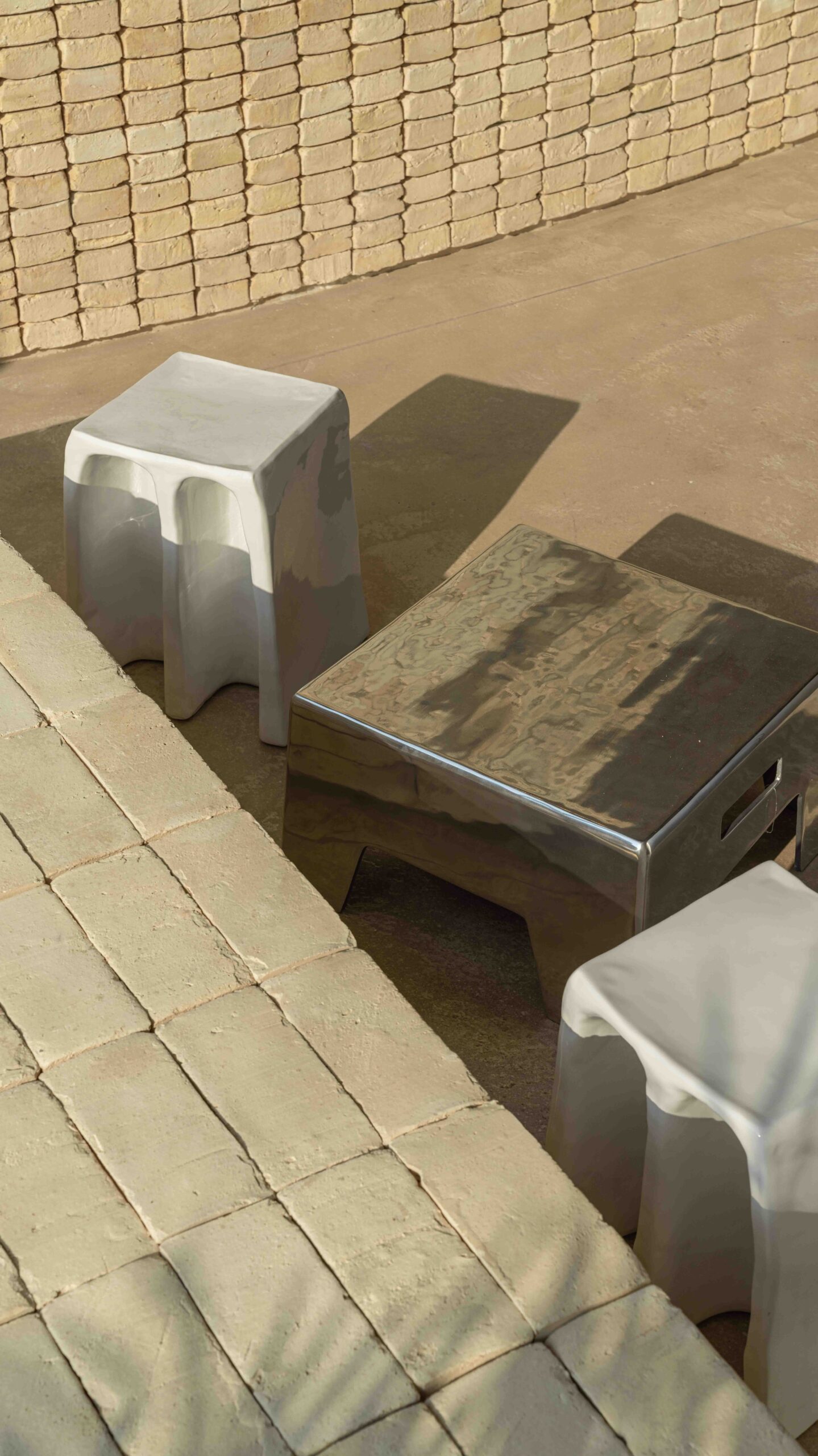
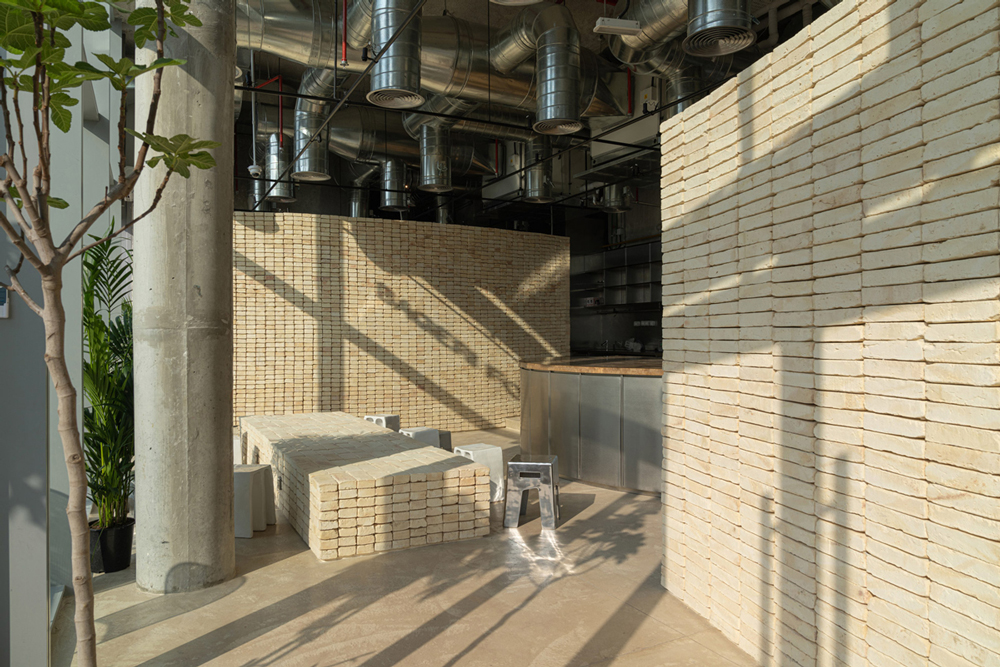
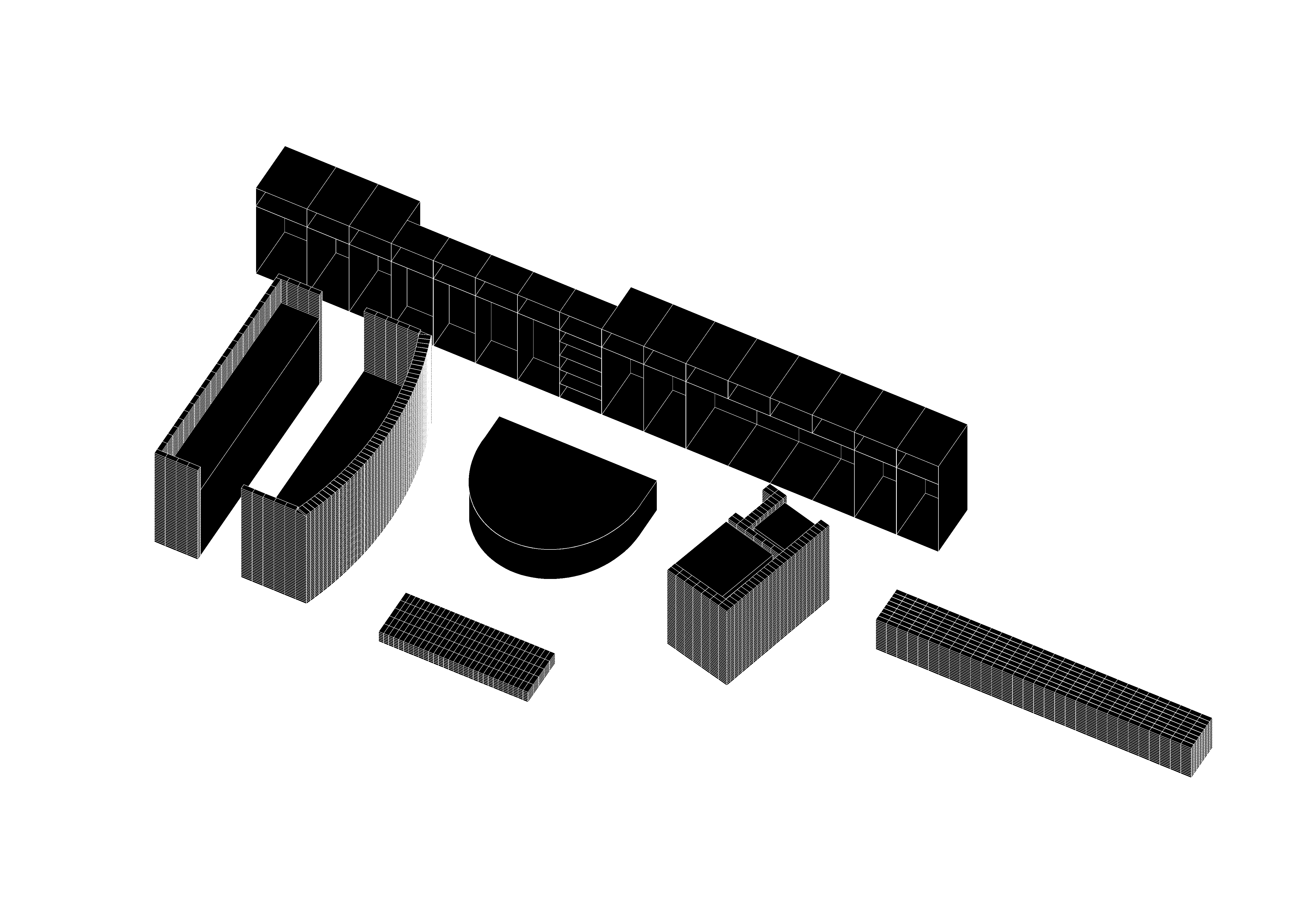
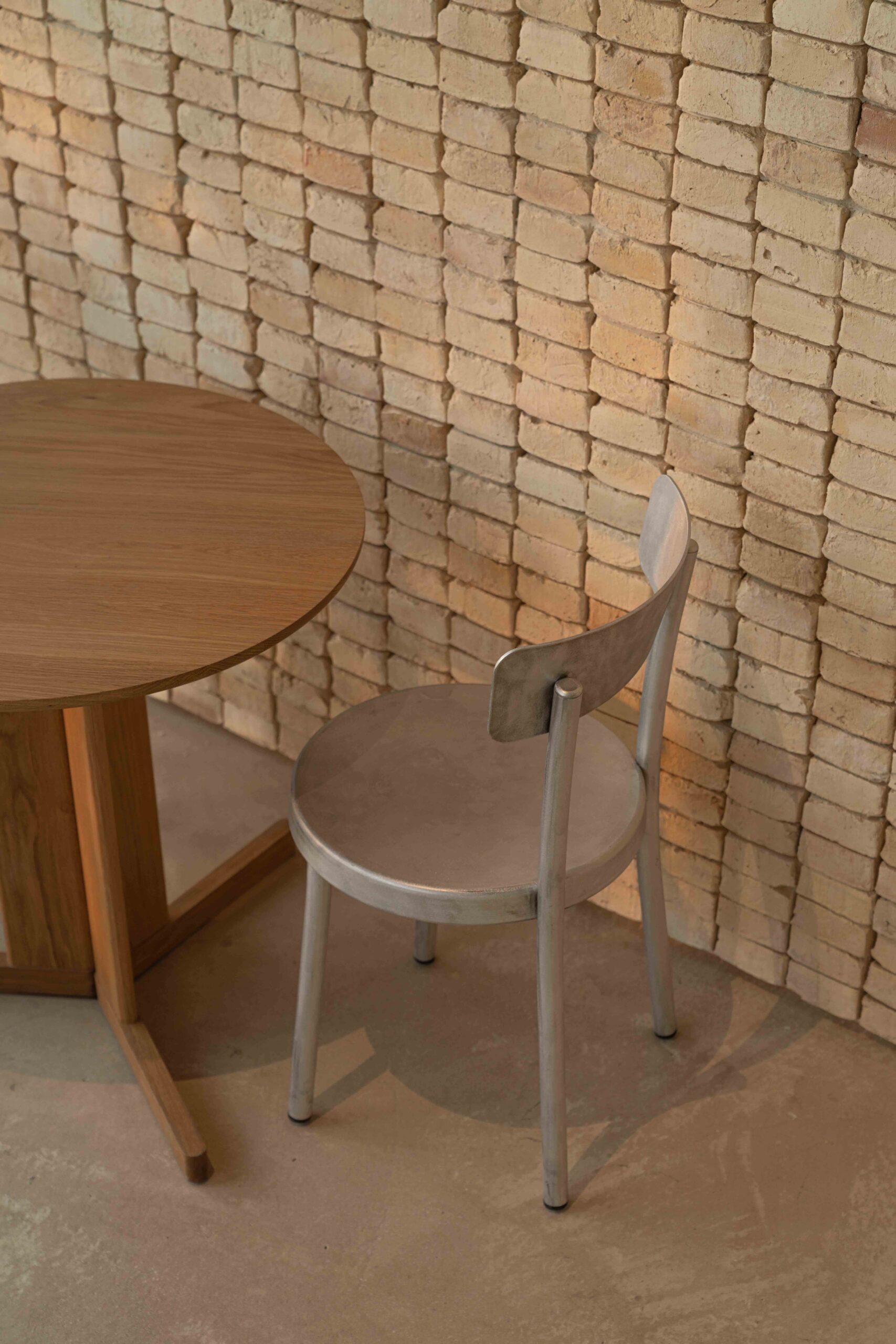
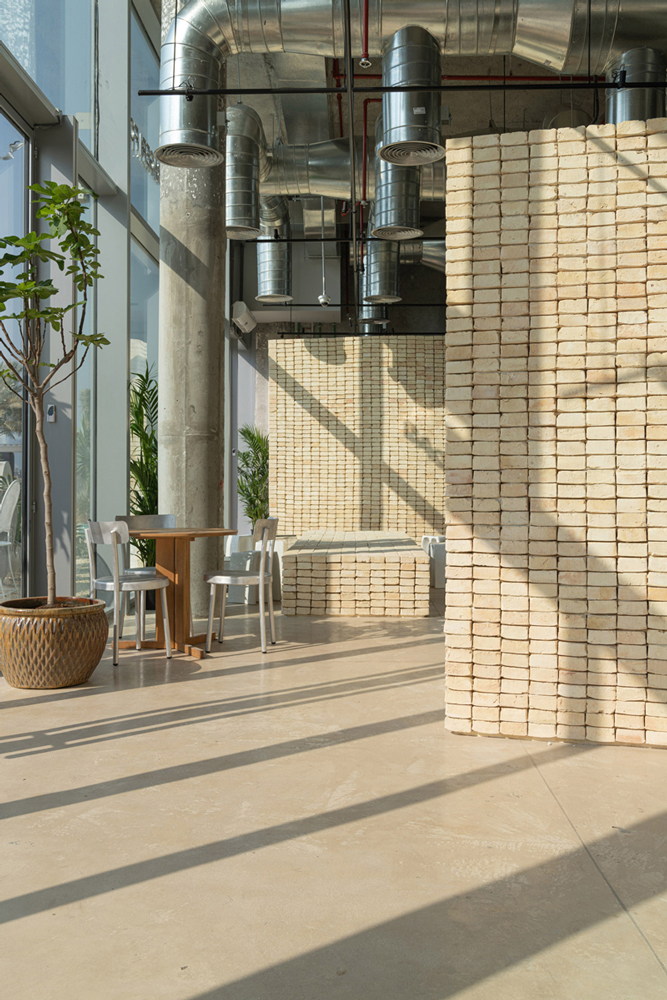
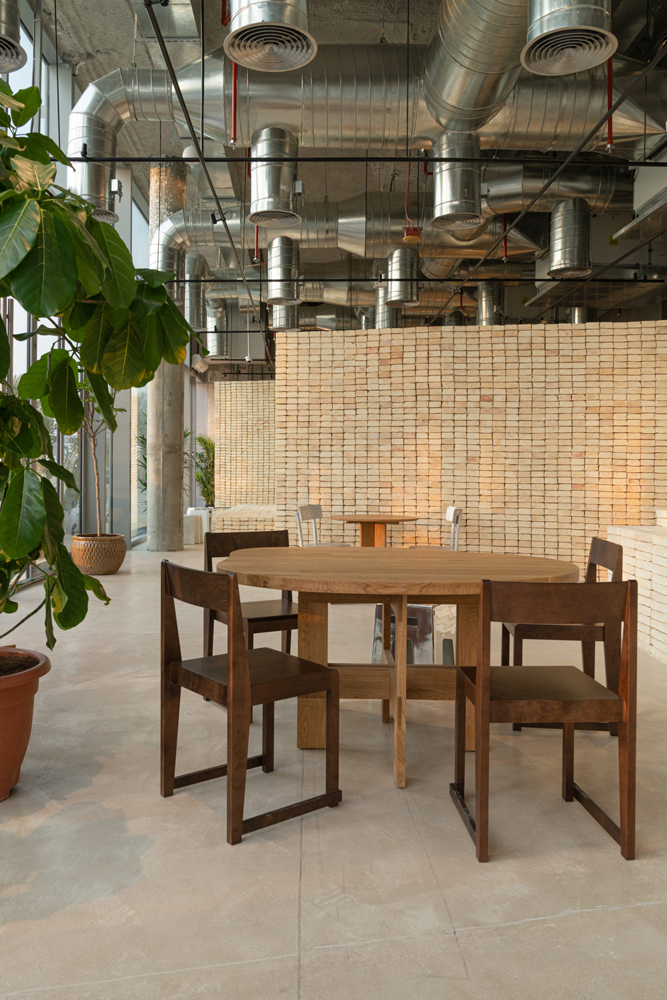
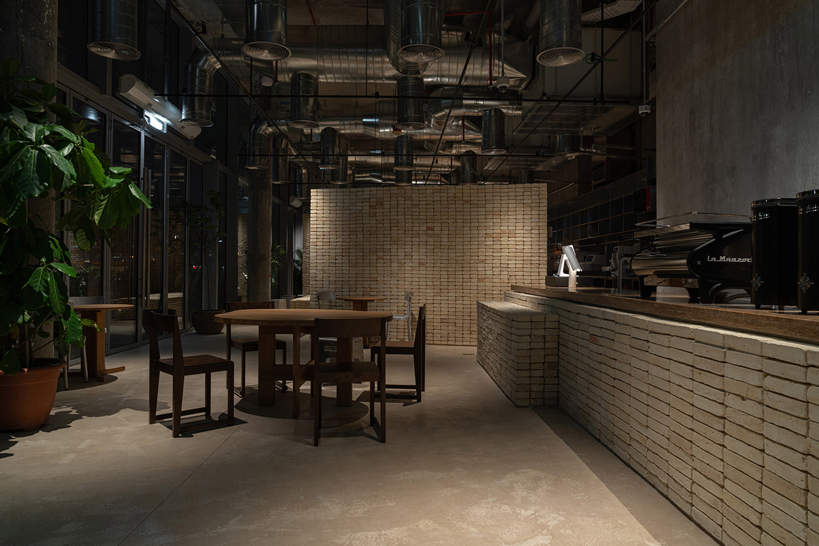
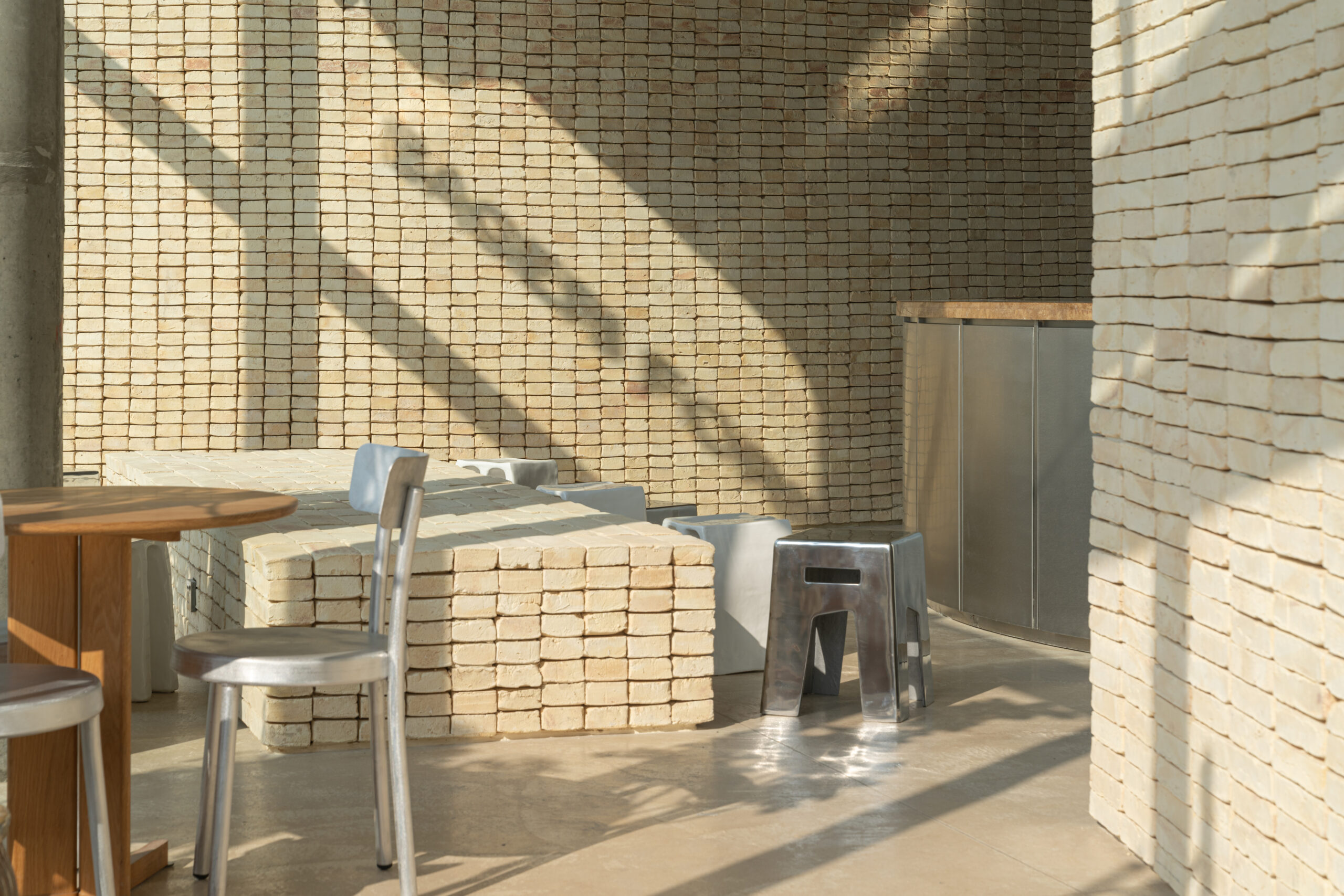
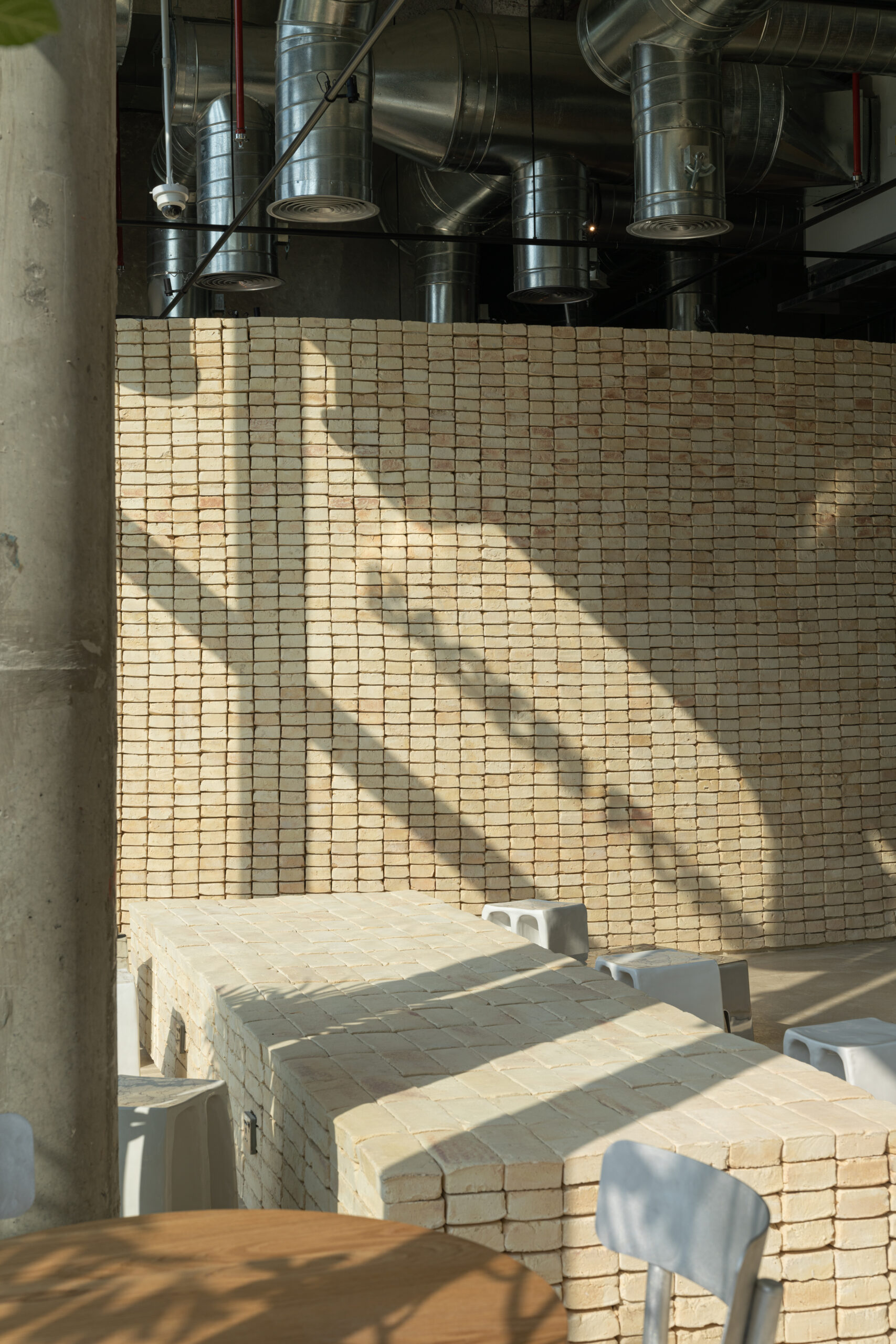
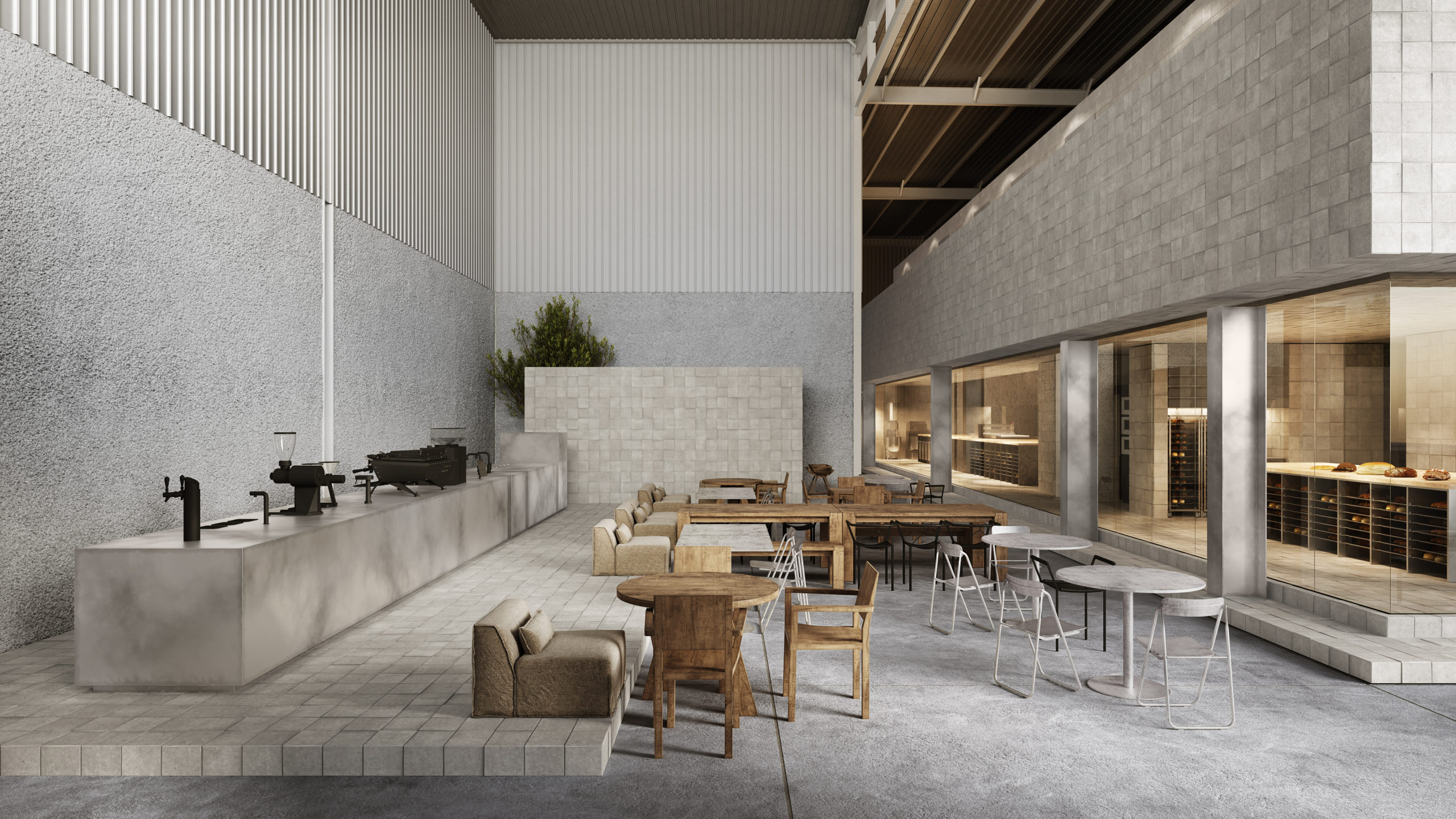
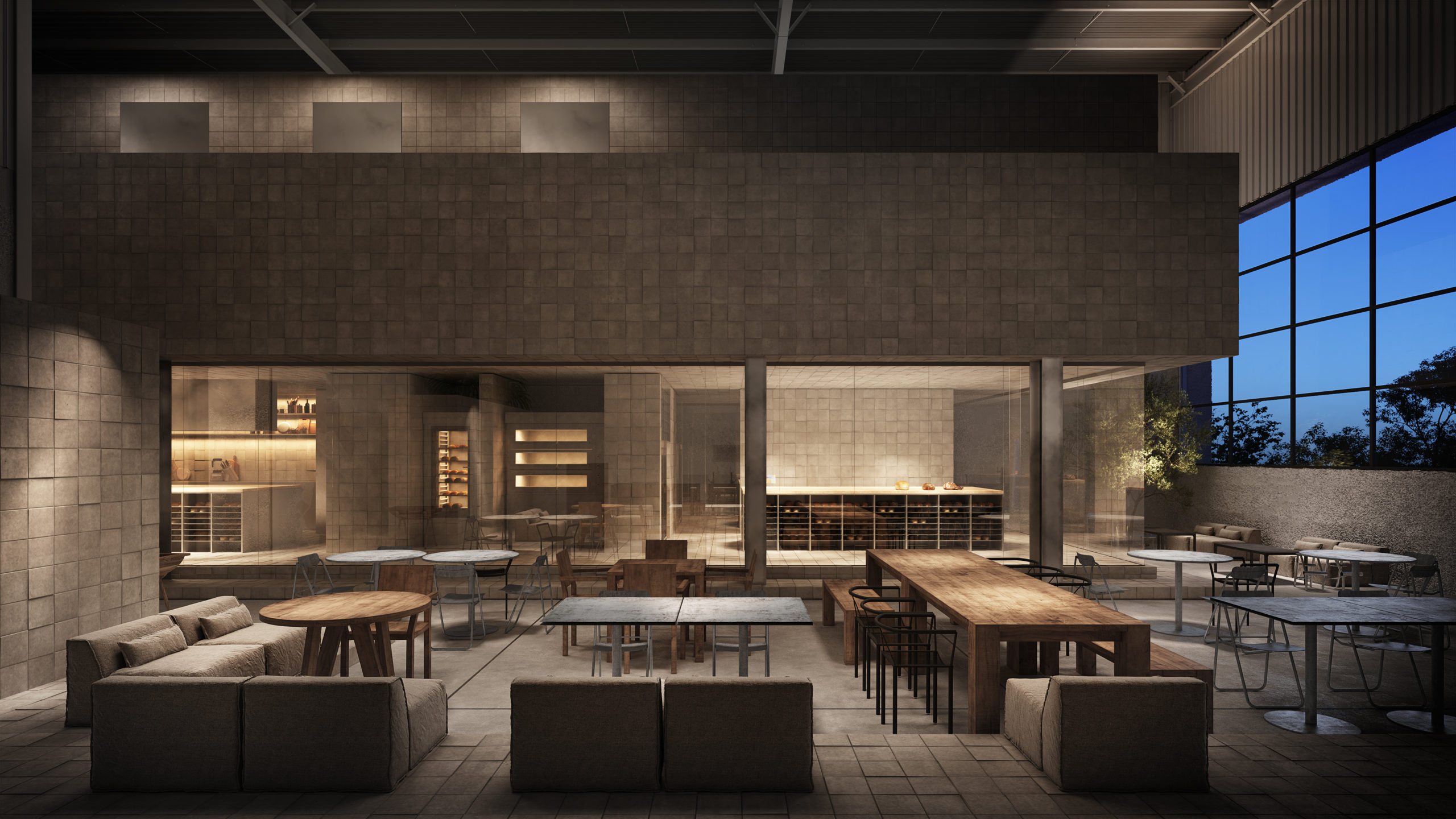
Form, a configuration of elements. The shapes of Bageri Form come together to make a unified composition that serves the purpose of baking. Modularity falls into place when experimenting with the concept of form, the more objects come together, the stronger the form appears. These blocks turn into functional spaces. In this specific project, the intervention of the space’s shell was kept to a minimum. Contact is key, the contradiction between existing draw anatomy and the free-standing structures is embraced.

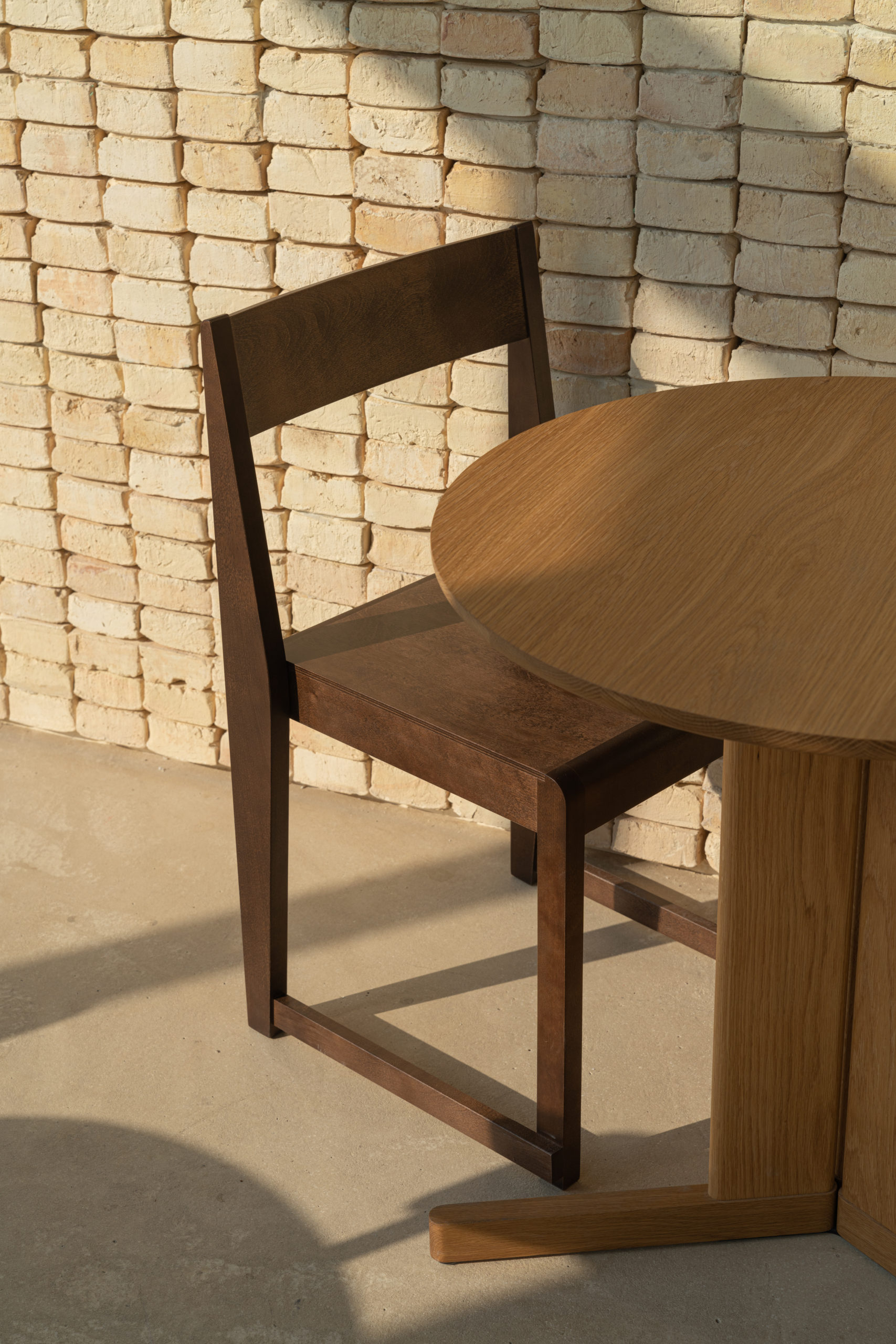
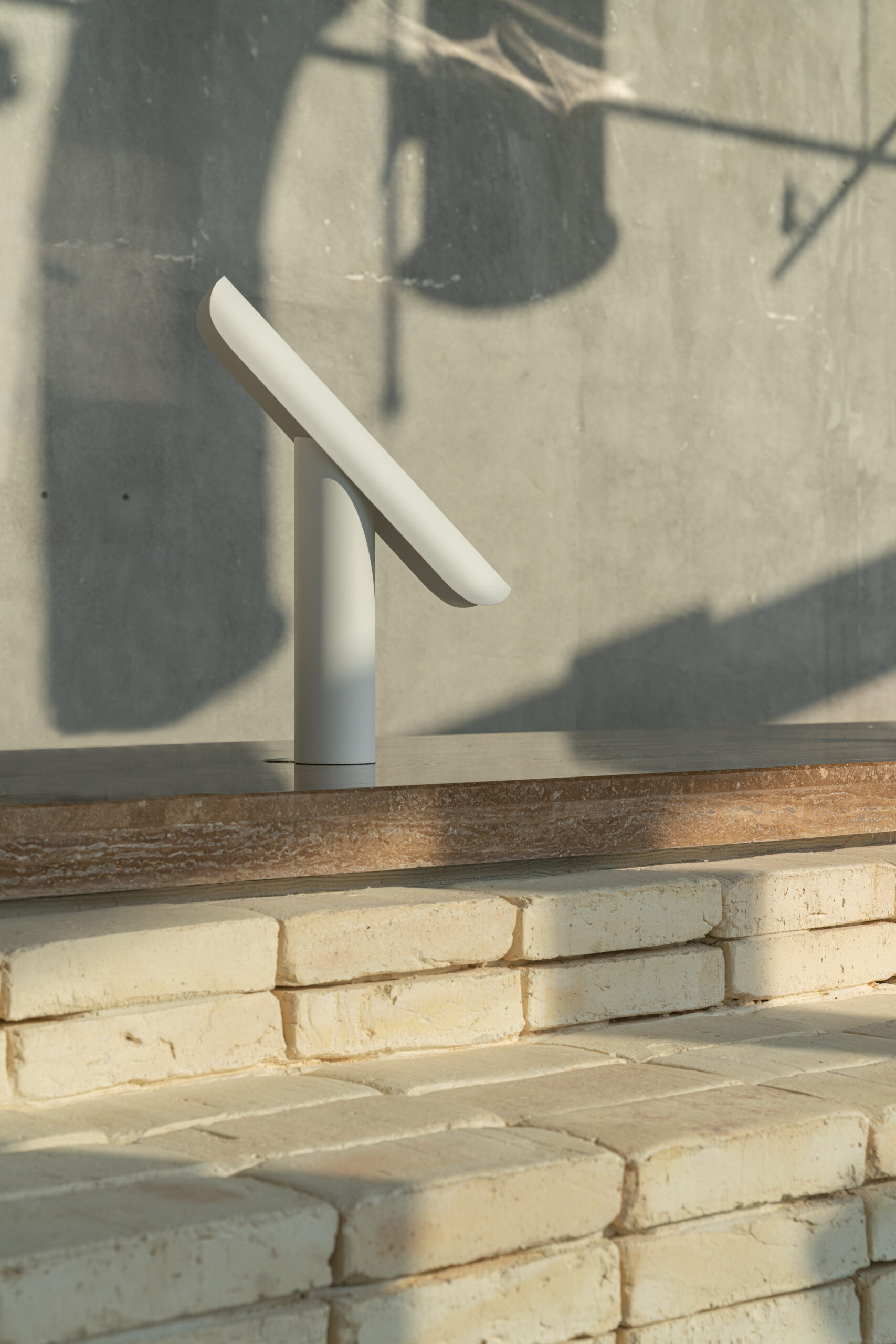
A small-batch, artisanal bakery providing an authentic, far-fetched experience. Narrating a deeper connection with its customers, the space is comprised of various blocks housing the components of an open bakery. Derived from the idea of building a fundamental baking process, handmade clay bricks are used to create a volumetric expression. Applying the brand’s mission which is communicated as a process based, guests and staff seamlessly interact within the barrier-free space arrangement. The customer’s sense of smell is meant to be ignited and the muted tones of the space are meant to follow that of the baked goods, allowing the product to lead overall.
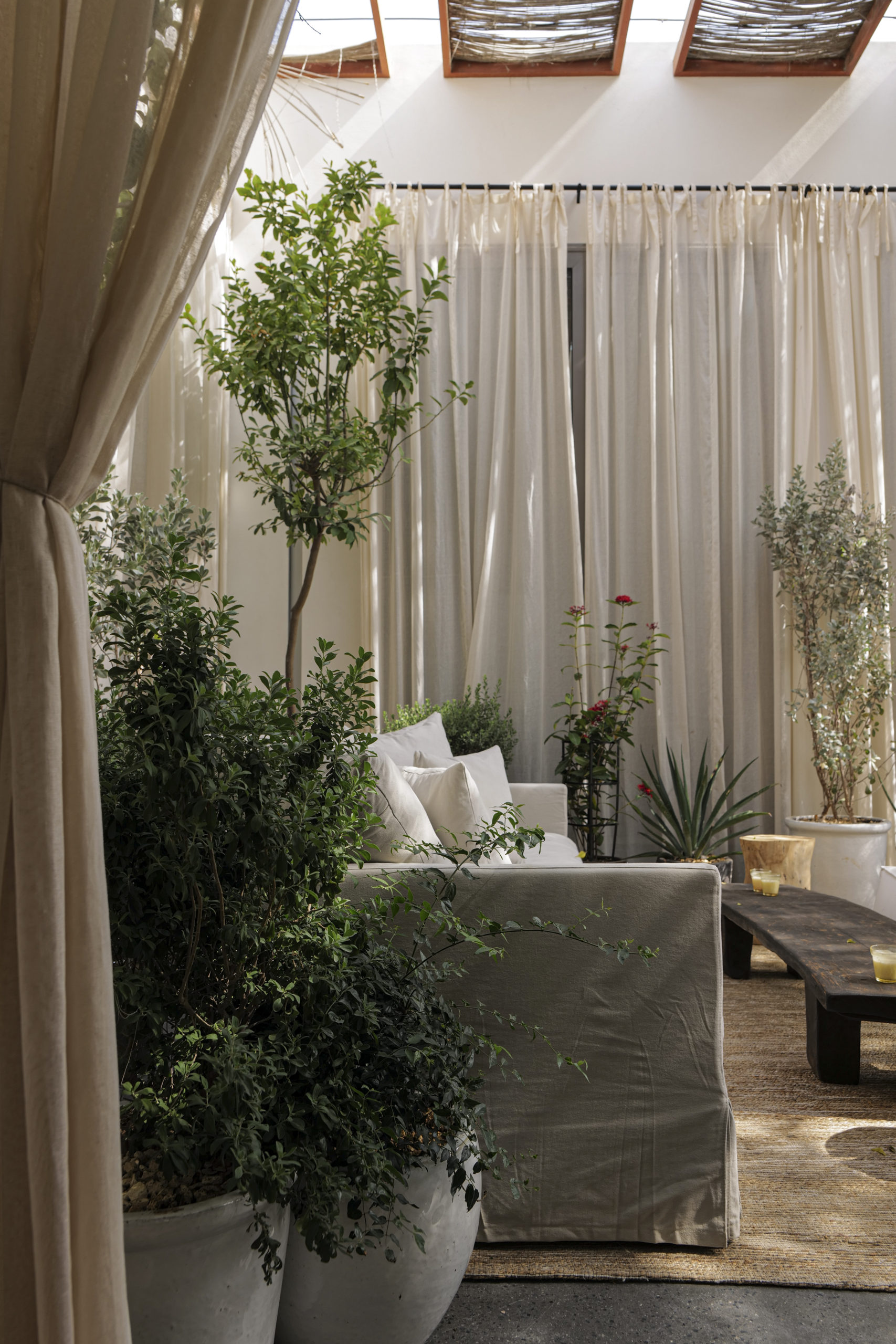
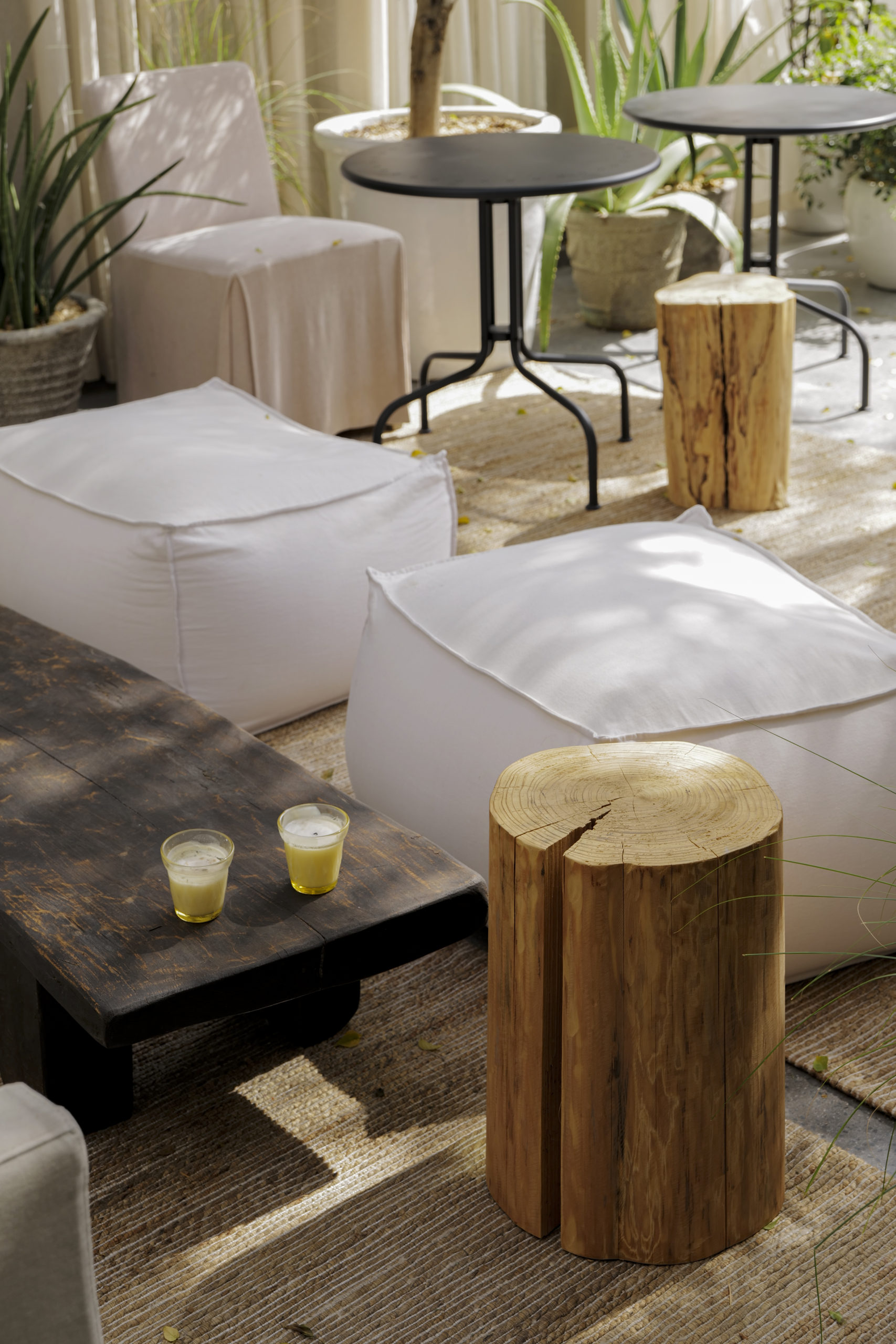
Local desert vegetation is distributed throughout the garden creating intimate seating areas within the outdoor area.

Project Completed

APRIL 2020

Influenced by the undisturbed Portuguese countryside, Juntas is an intimate neighborhood escape. Created to disconnect, belong and reconnect together. A space for community.
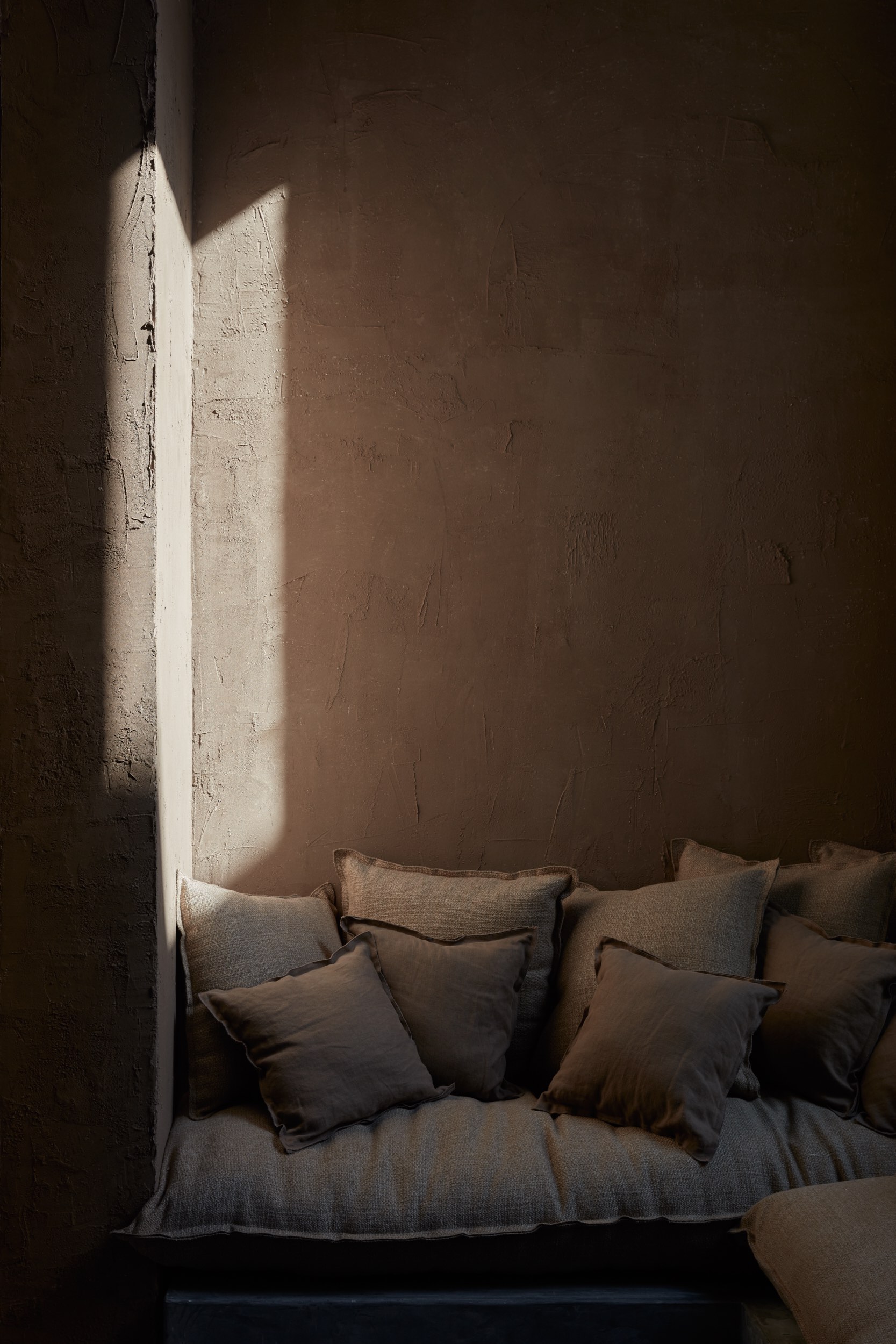
The birth of Juntas is bounded to sisters Amna and Eman. As they yearned for the purity and solitude of the quaint countryside escapes. Juntas is inspired by travel, culture, connectivity, and people. It is a mindset, an ethos, transformed into a tangible, communal space to be shared with the like-minded. Homemade and locally sourced produce, pure energy, and good company form it pillars. Encouraging a growing and fulfilling community amongst women.

PhotographyOculis Project
EARTH CLAY PLASTERMATTEO BRIONI
TERRACOTTA TILESFORNACE BRIONI
LIGHTINGFLOS
DOOR SYSTEMORYX
FURNITURERESTORATION HARDWARE
TERRACOTTA TABLESINTERNOITALIANO
LANDSCAPINGDESERT GROUP
CONTRACTORFUSION

Terra embodies a timeless eatery, where traditional construction and application techniques evoke a homelike and hospitable experience. Aware of the busy and loud surroundings, Bone aimed to create a retreat from the buzzing city — Terra is designed to contrast the urban surroundings.

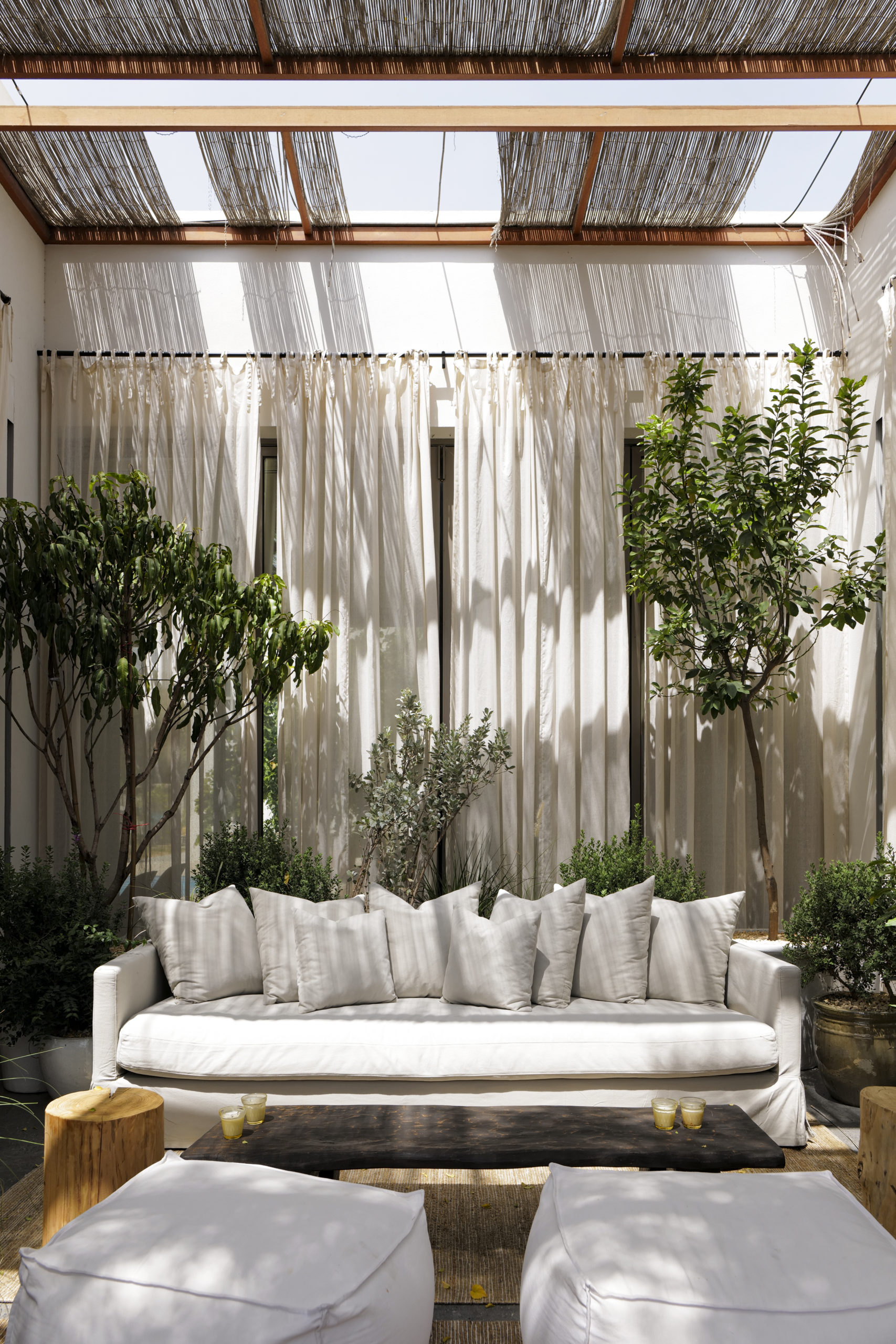
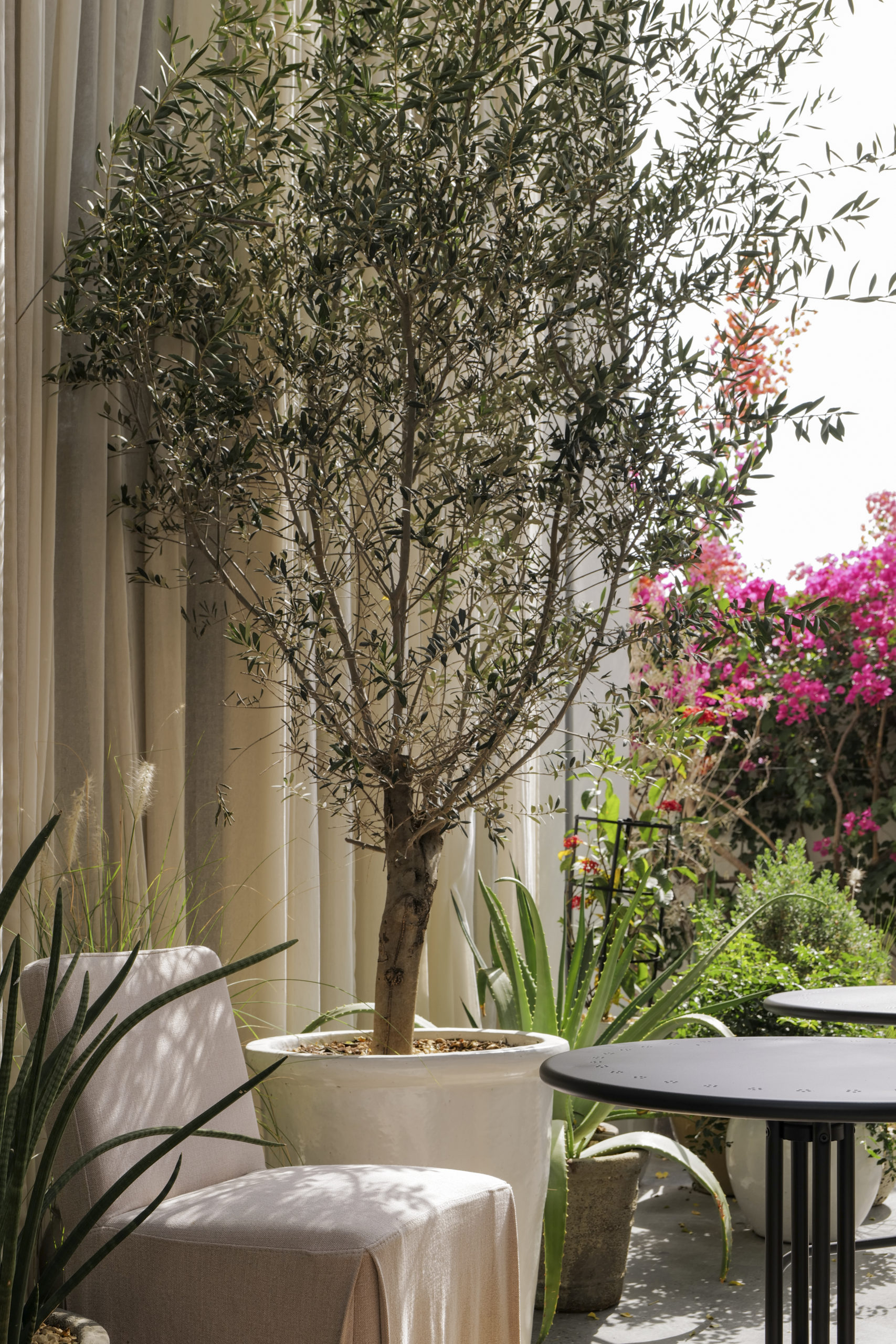
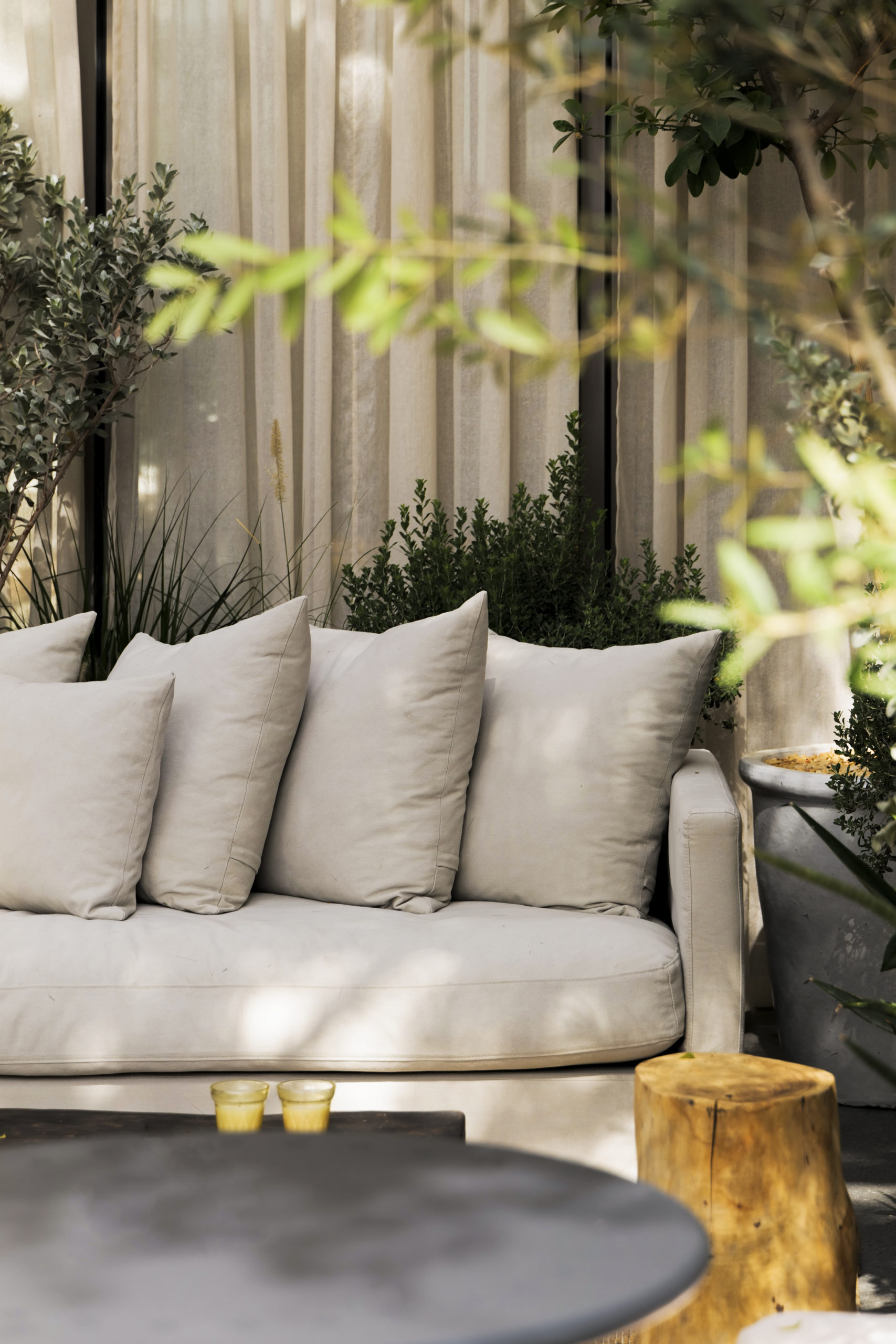
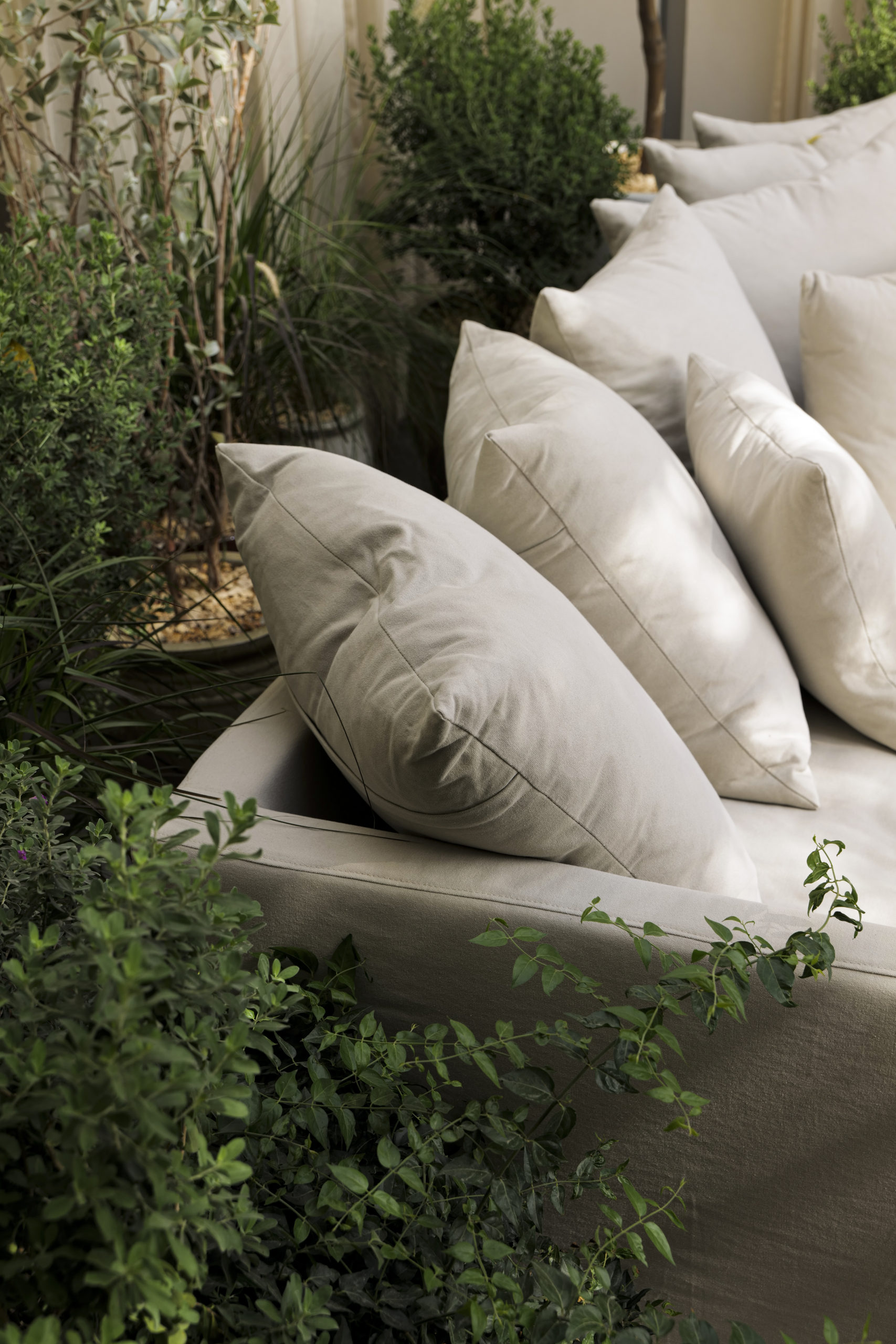
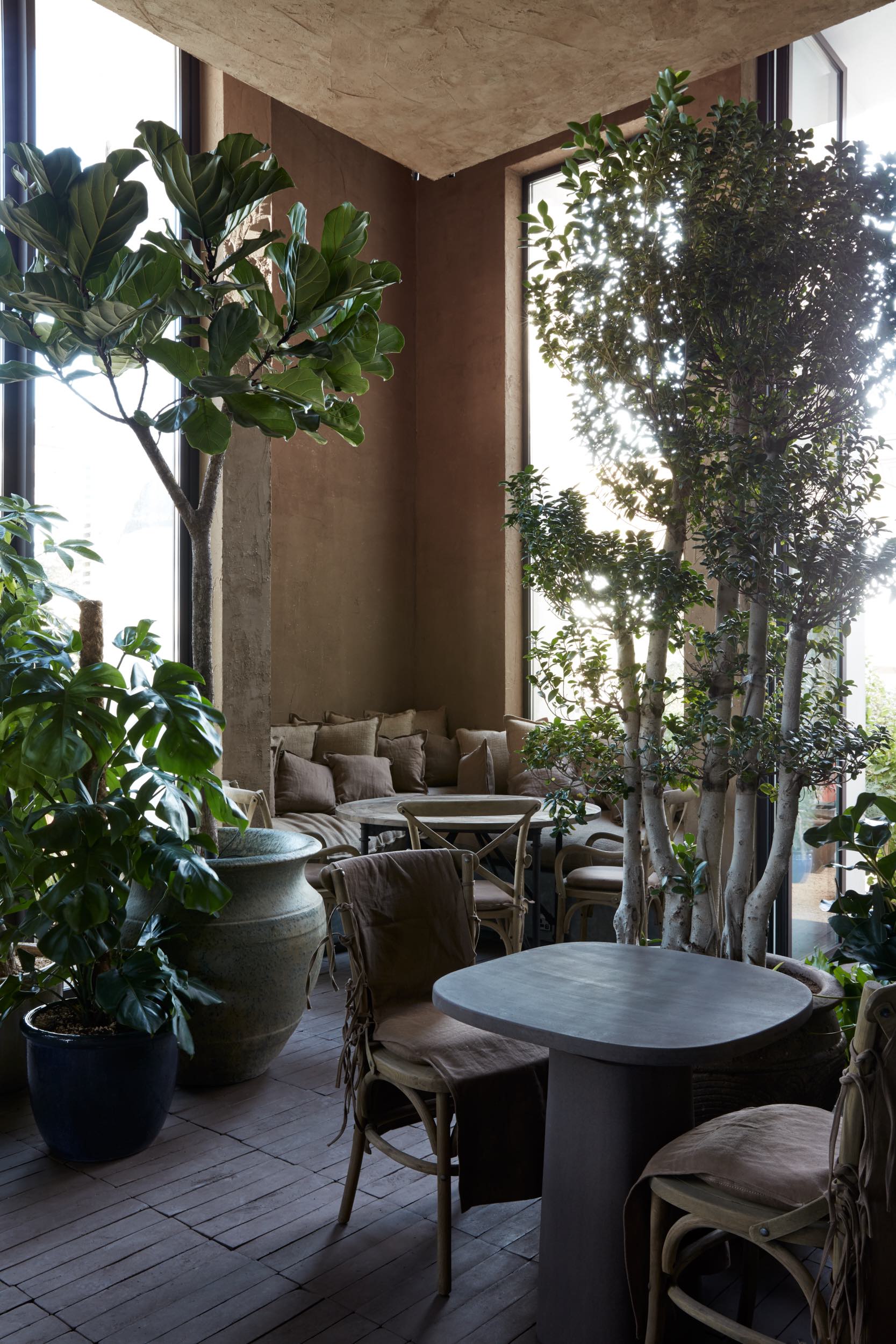
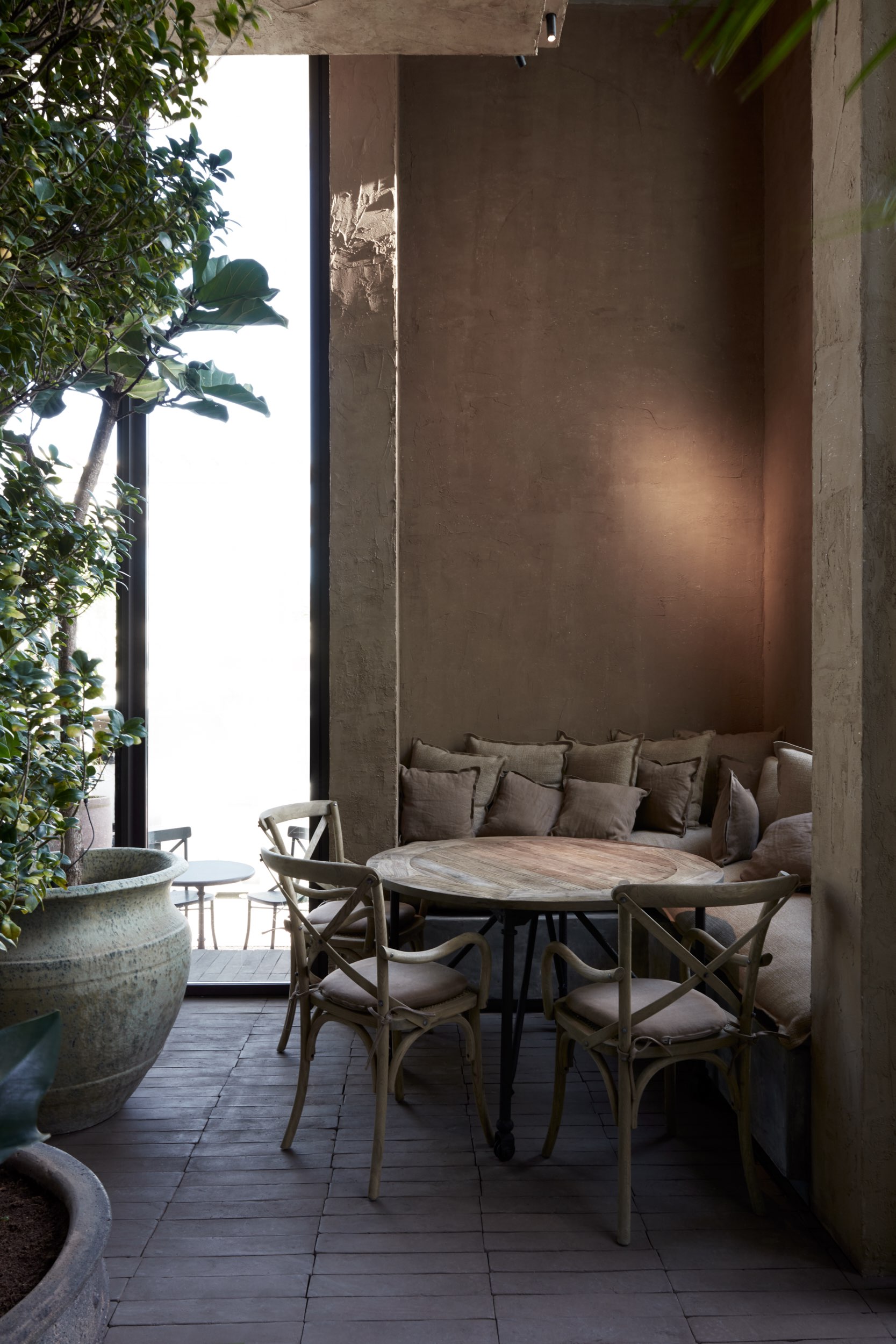
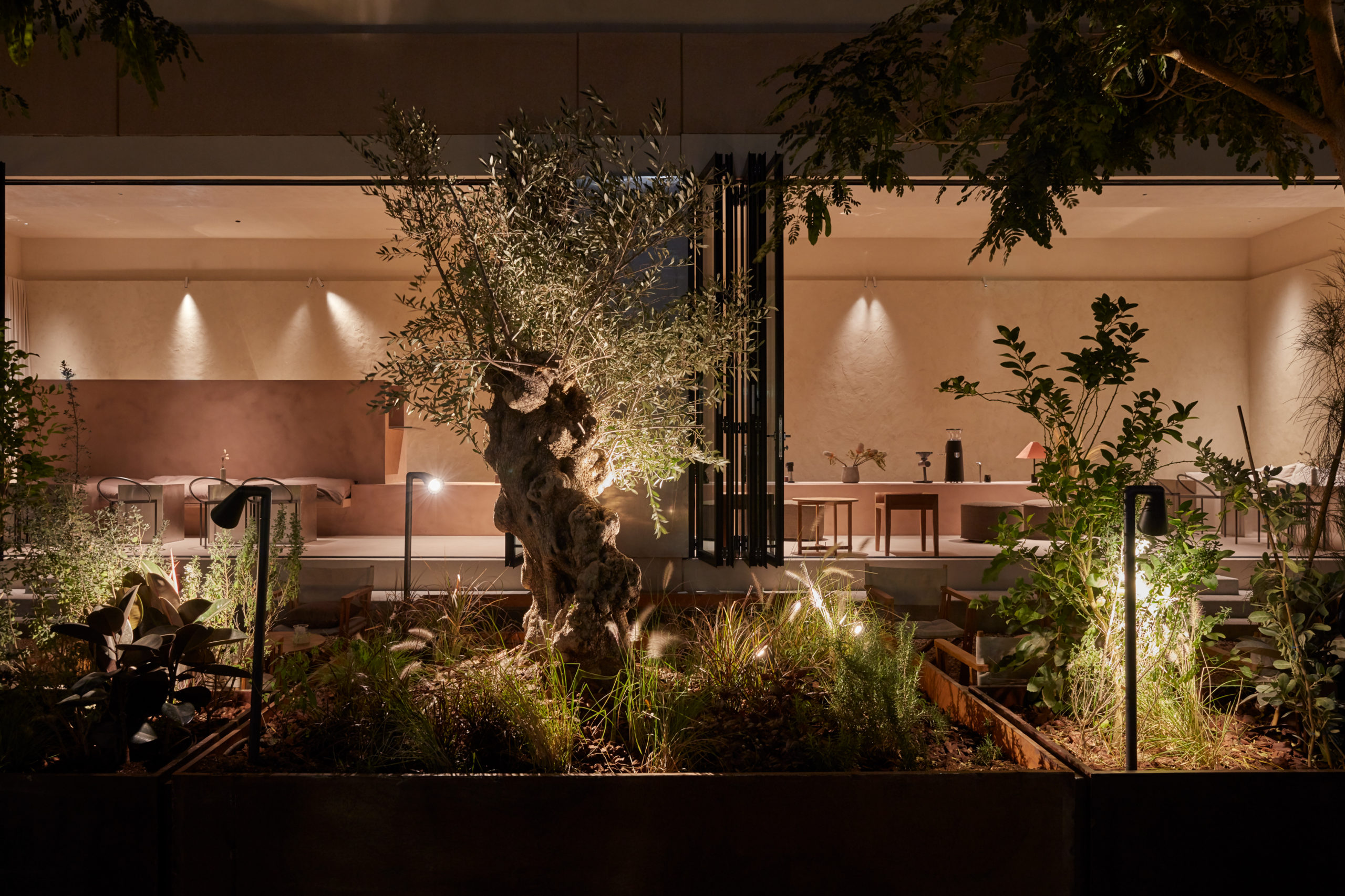
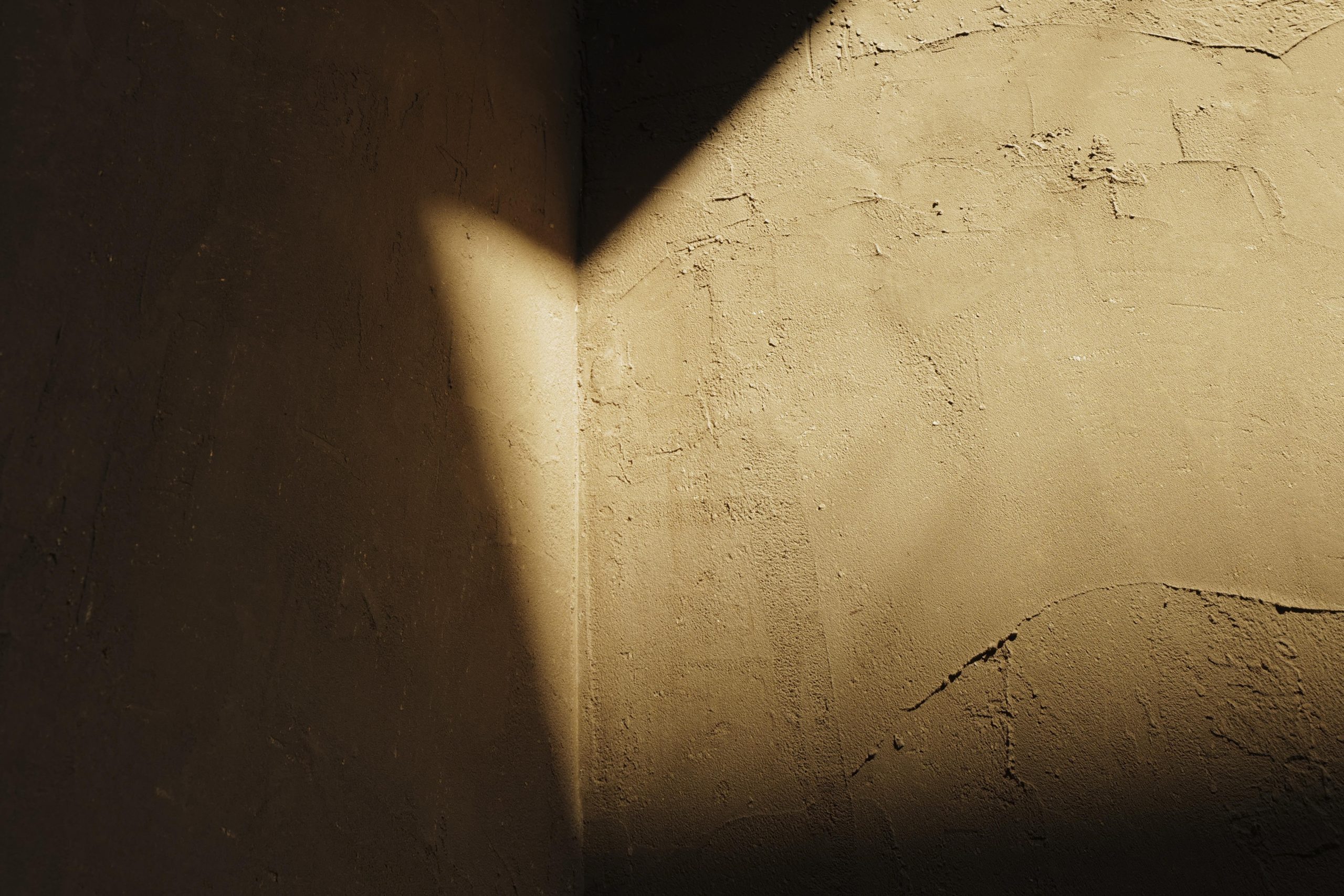
For Bone, creating a sheltering atmosphere was imperative. The interior space is reminiscent of a courtyard. The lush garden envelopes the shop and acts as a natural barrier from the surrounding streets while sheltering its inhabitants in the grounded terrace. Interwoven amongst the interior space, the greenery allows guests to enjoy a private moment during their dining experience. Five-meter-high pivoting glass doors welcome visitors to the interior dining space from all three facades. The shop faces the east, allowing sharp rays of sunlight to penetrate through the clear glass doors during the brisk hours of the day. The sunlight also exposes the hues and undulations of the clay walls and uneven surfaces of the terracotta tiles.

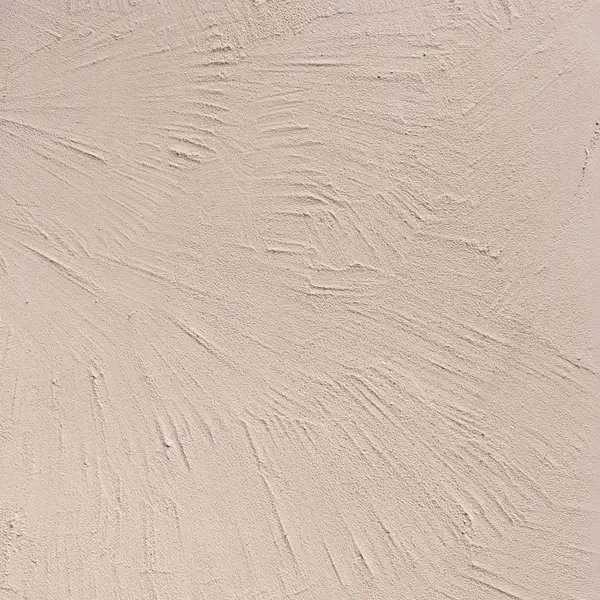
With a strong desire to blend architecture and craftsmanship, Bone worked alongside several talented specialists that helped compose the space. The raw earth surfaces emulate different colors that are natural and pigment free. Clays from different parts of Italy have been sourced by Matteo Brioni, who developed the traditional raw earth surface finish that is healthy, hypoallergenic, versatile, and sinuously adaptable to any surface. Matteo’s brothers, who own Fornace Brioni, have also collaborated with Bone to compose the terracotta floor tiles that grace the space with their imperfections and artisanal craft.

Project Completed

MARCH 2019
PhotographyOculis Project
Mineral PlasterOptimum Gulf
Door SystemOryx
Architectural LightingPSLAB
Outdoor LightingFlos
Table LampsIn Common with
Interior Hard FurnitureFrama
Interior Wood FurnitureEthnicraft
Interior Soft FurnitureGervasoni
Outdoor FurnitureSkargaarden

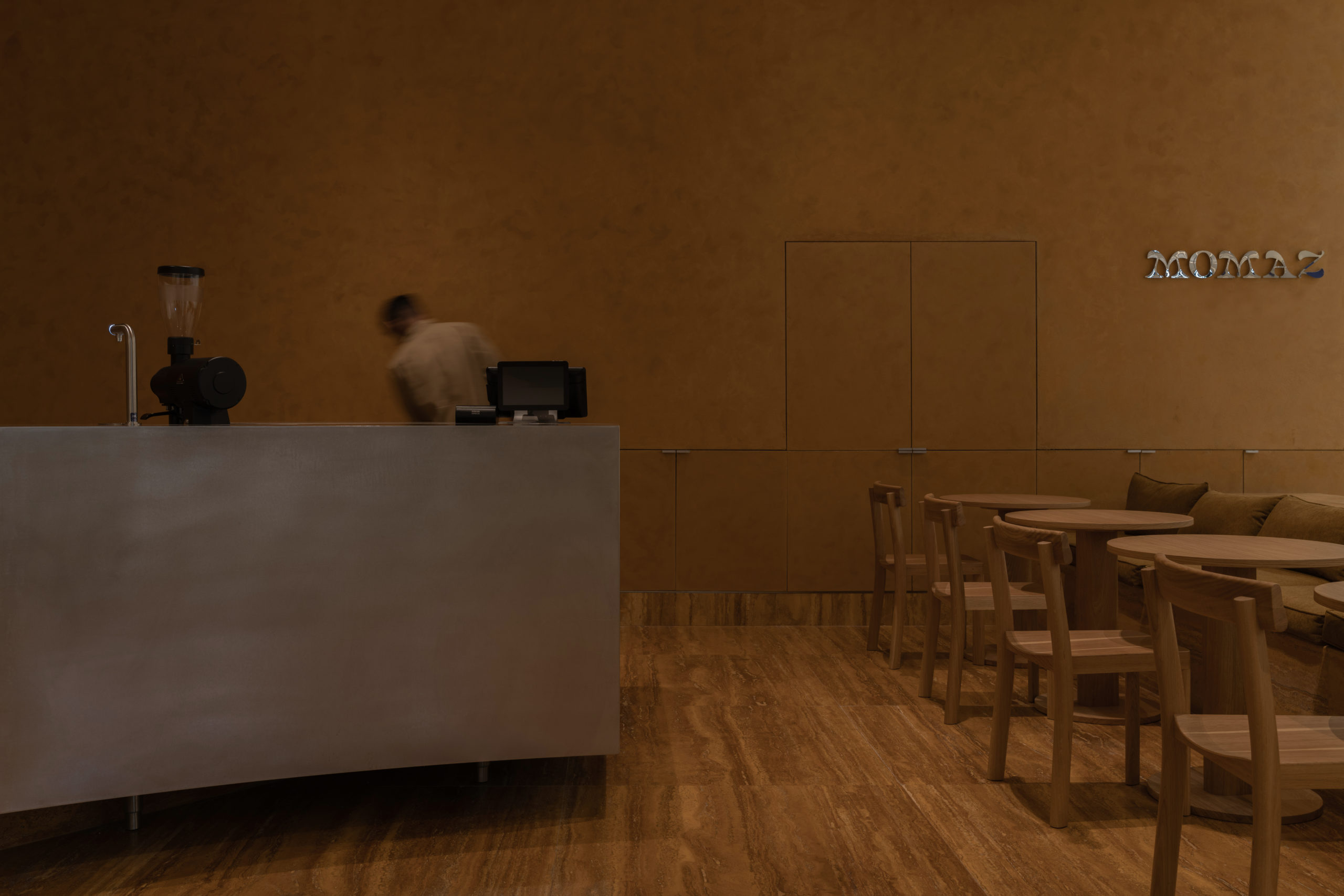
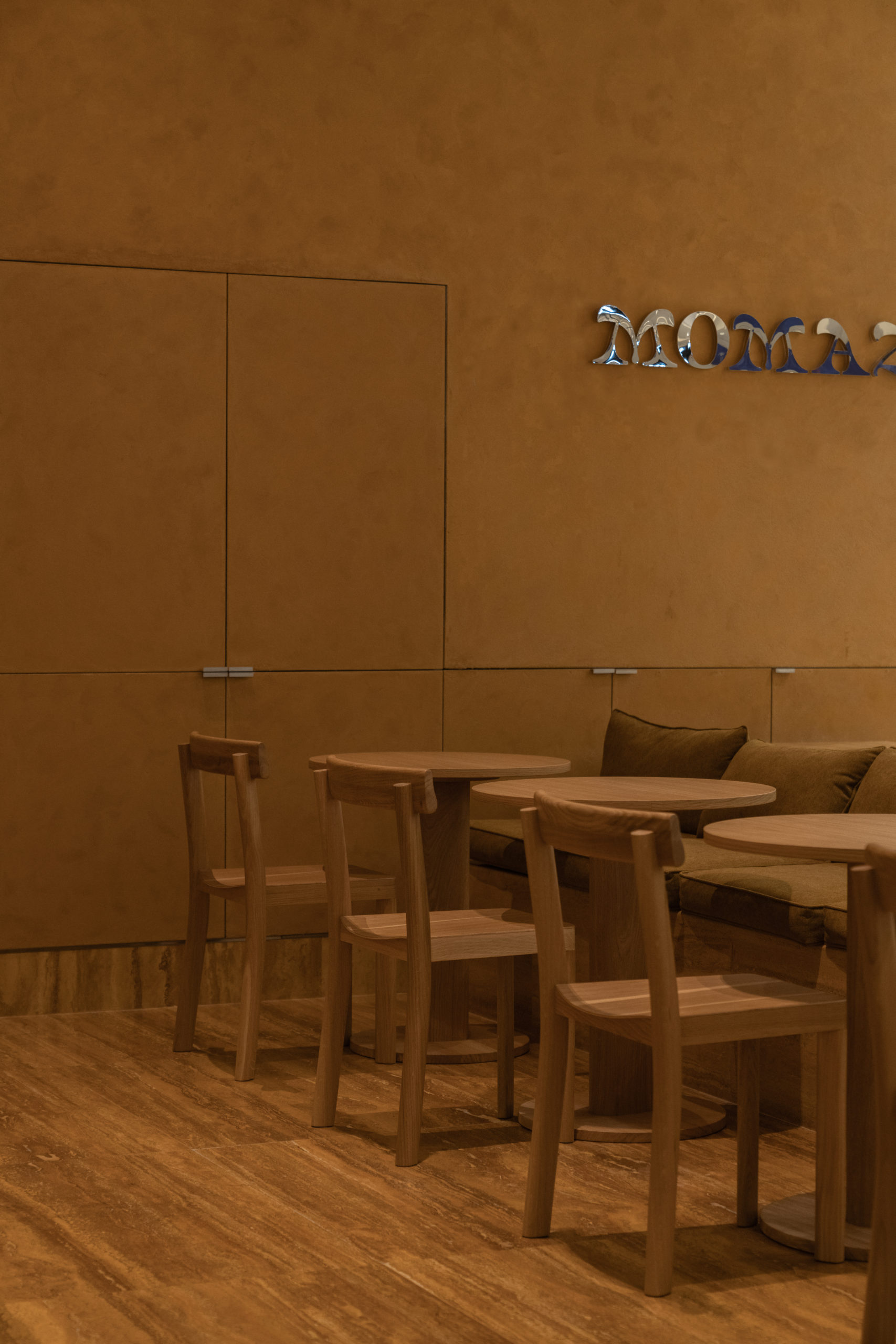
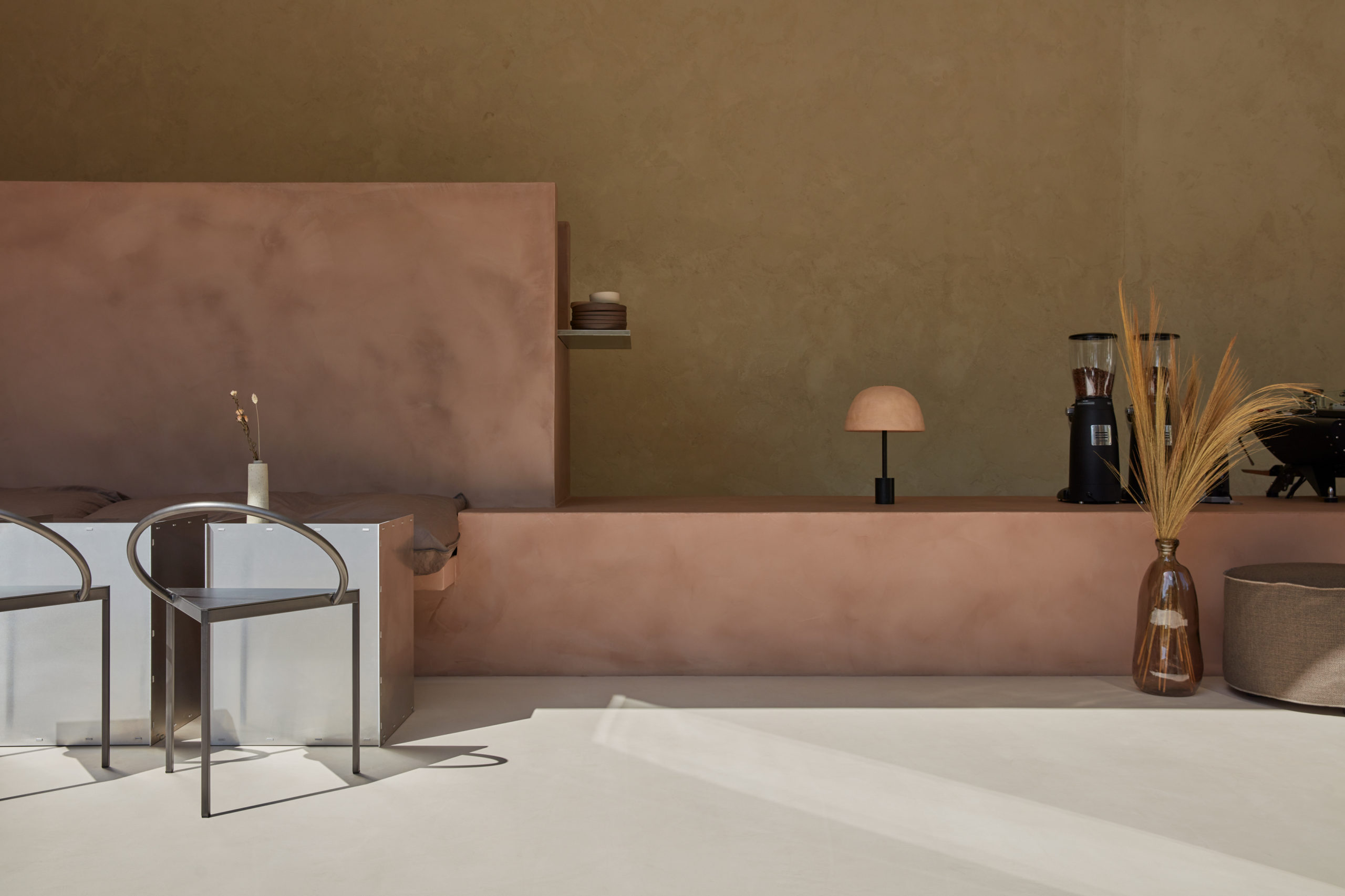
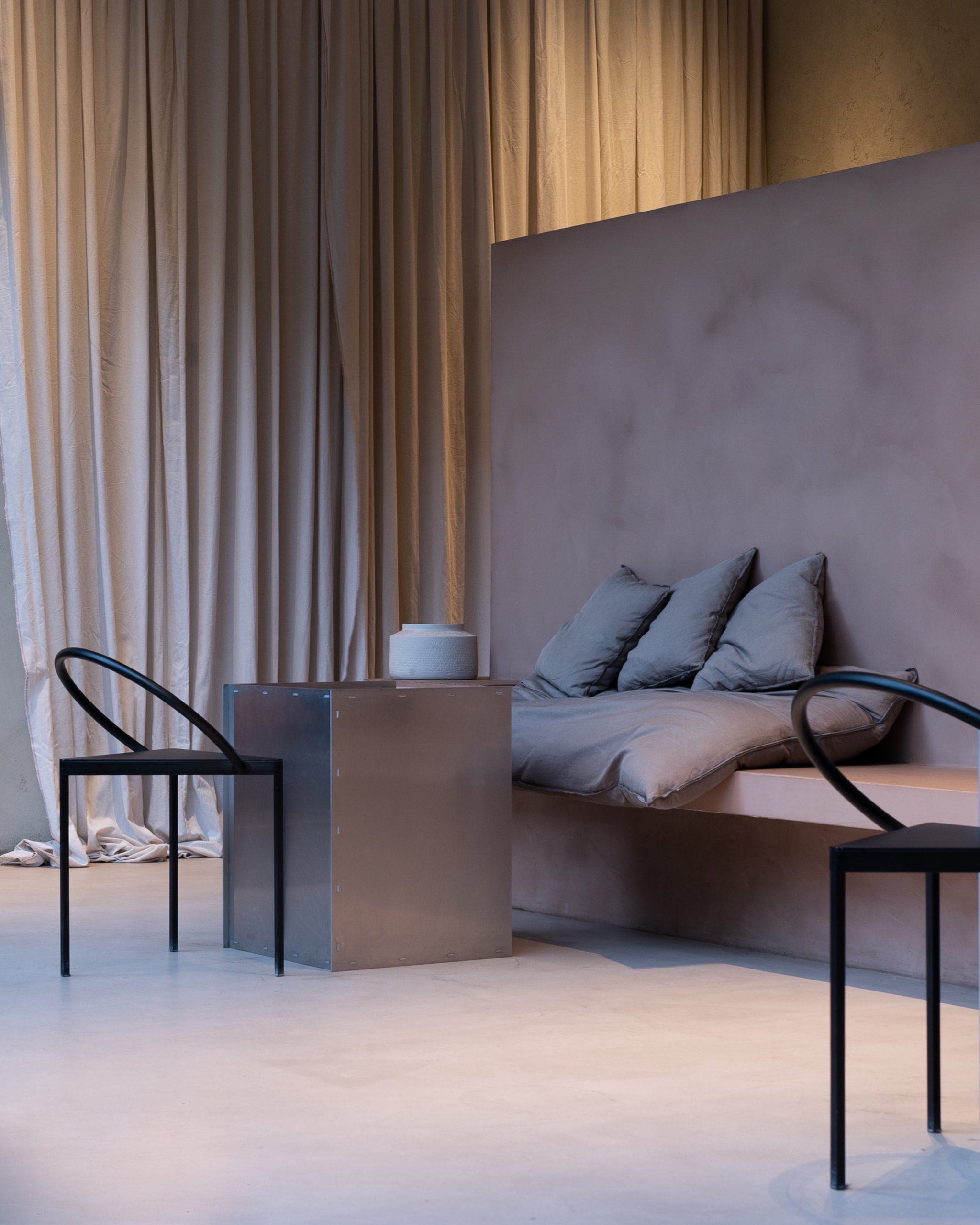
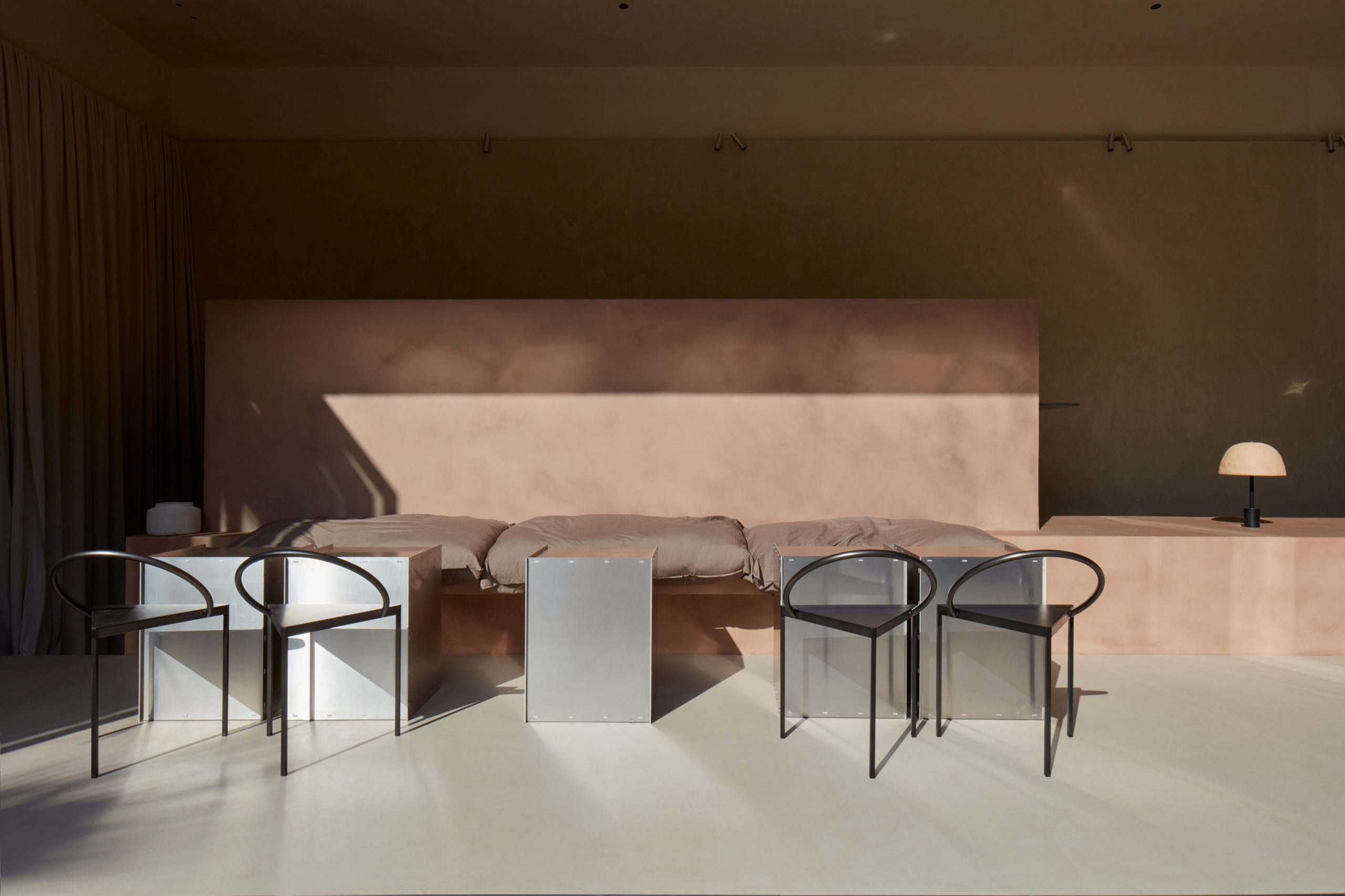
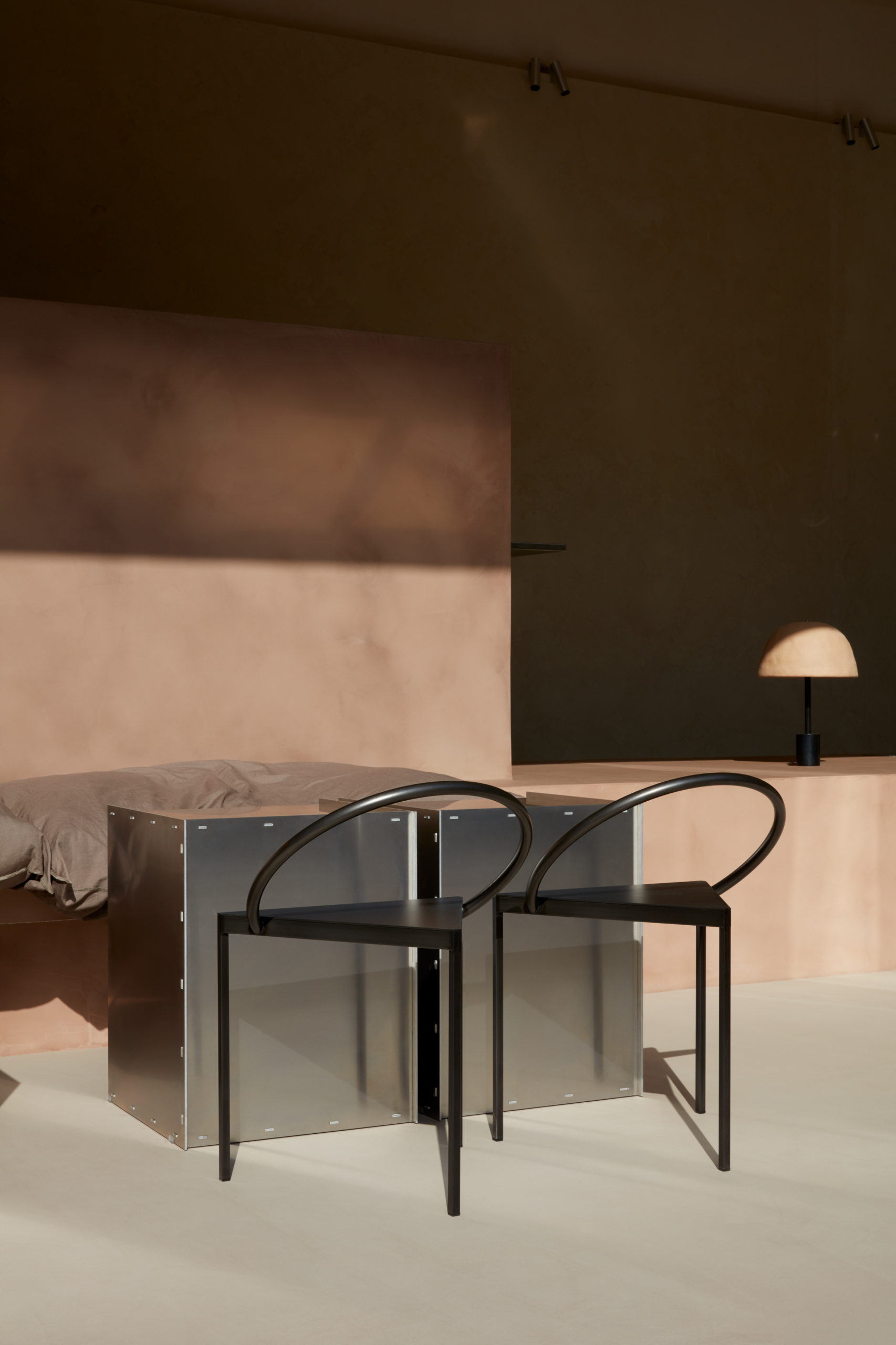
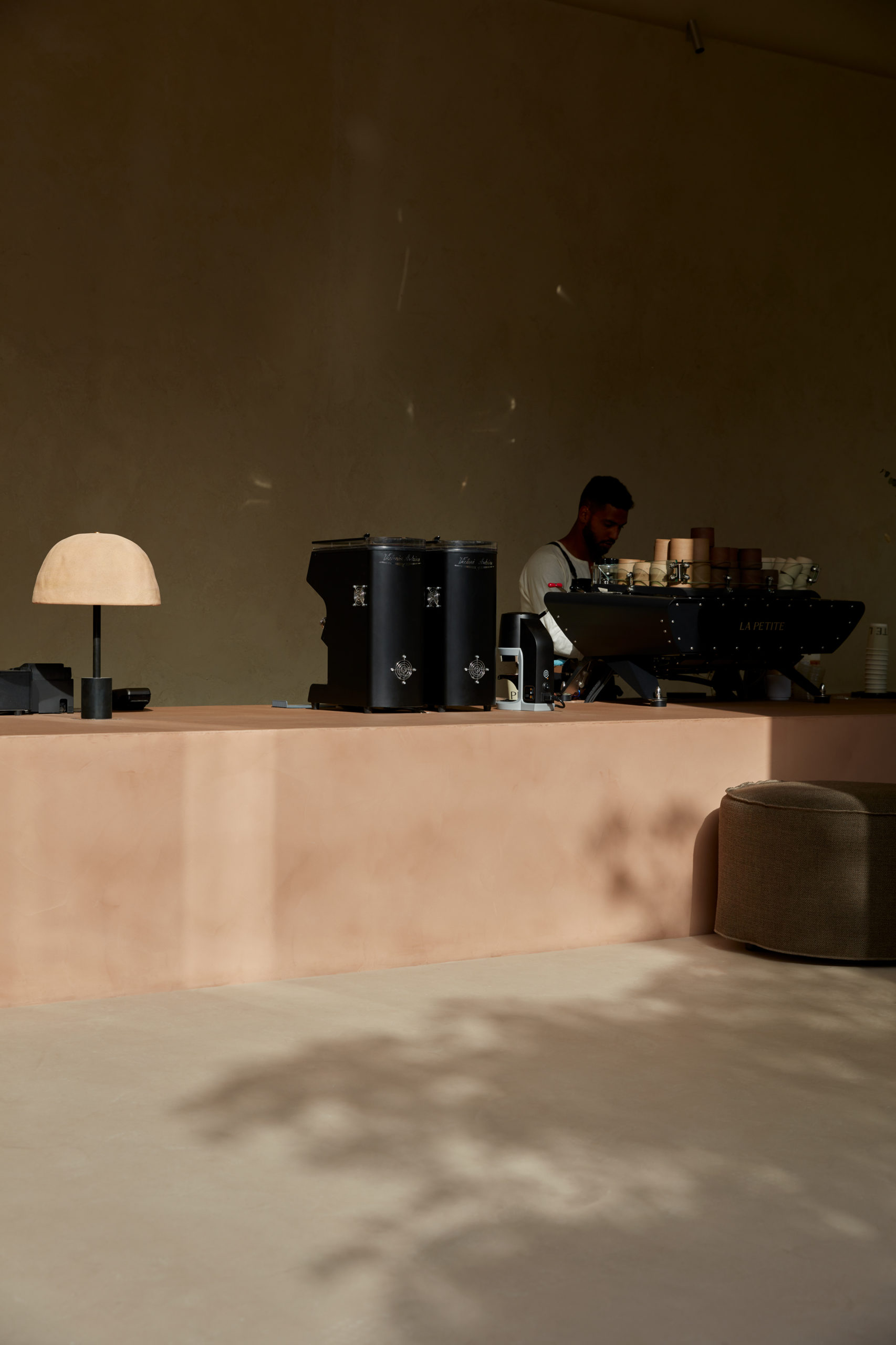
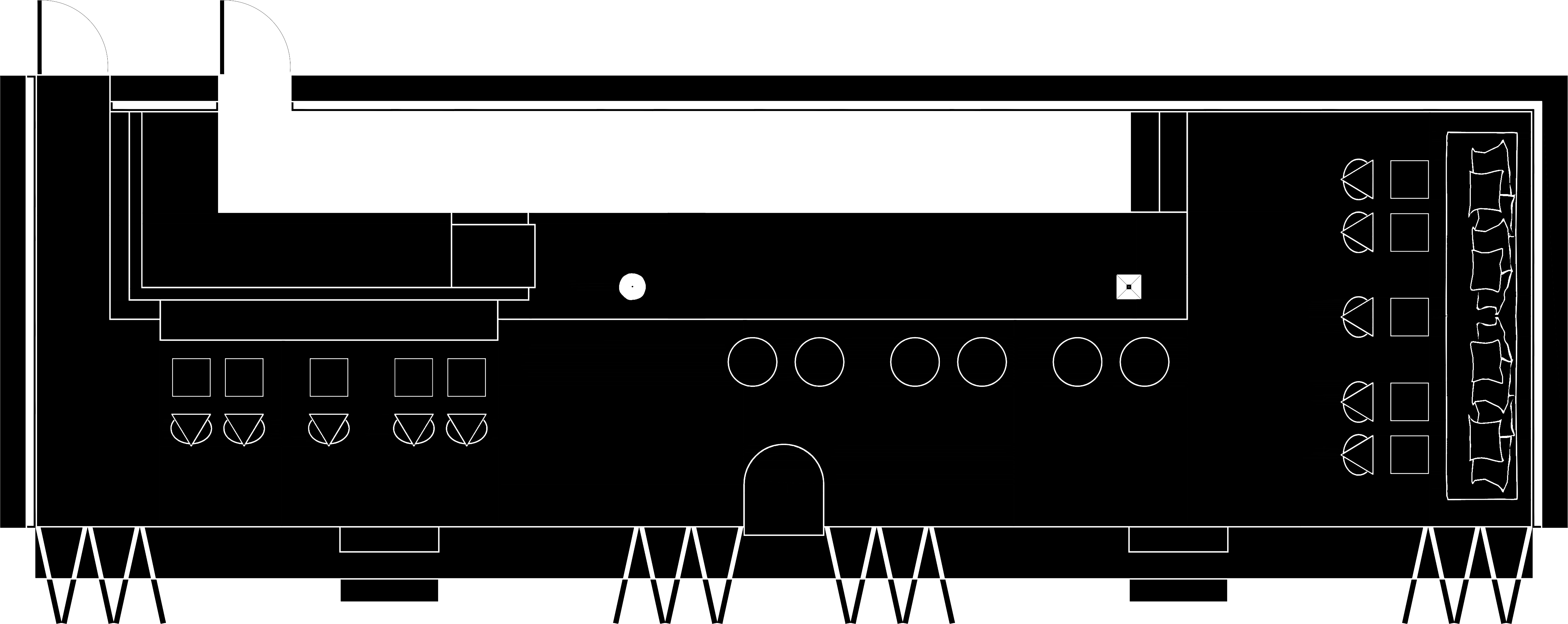
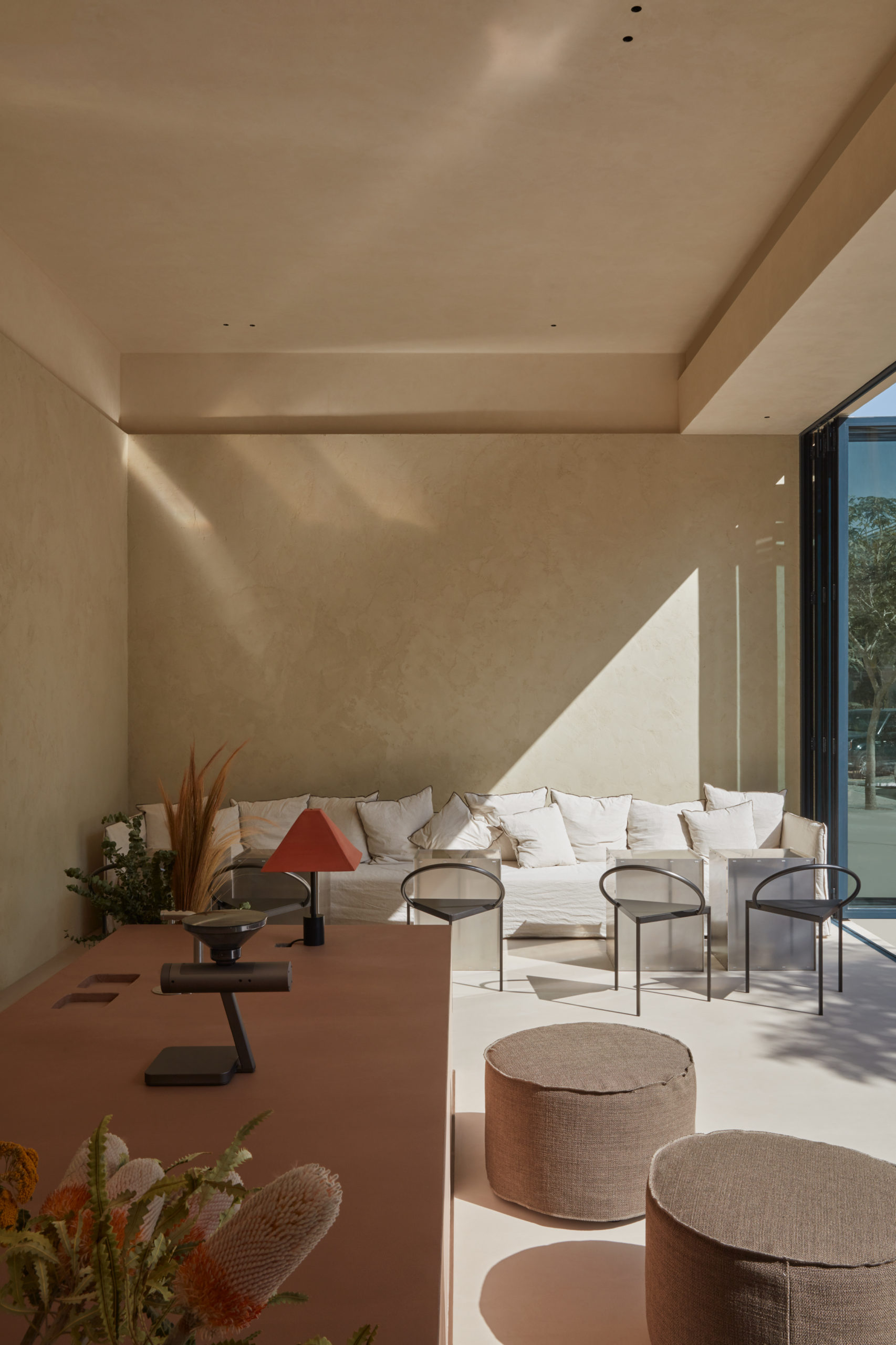
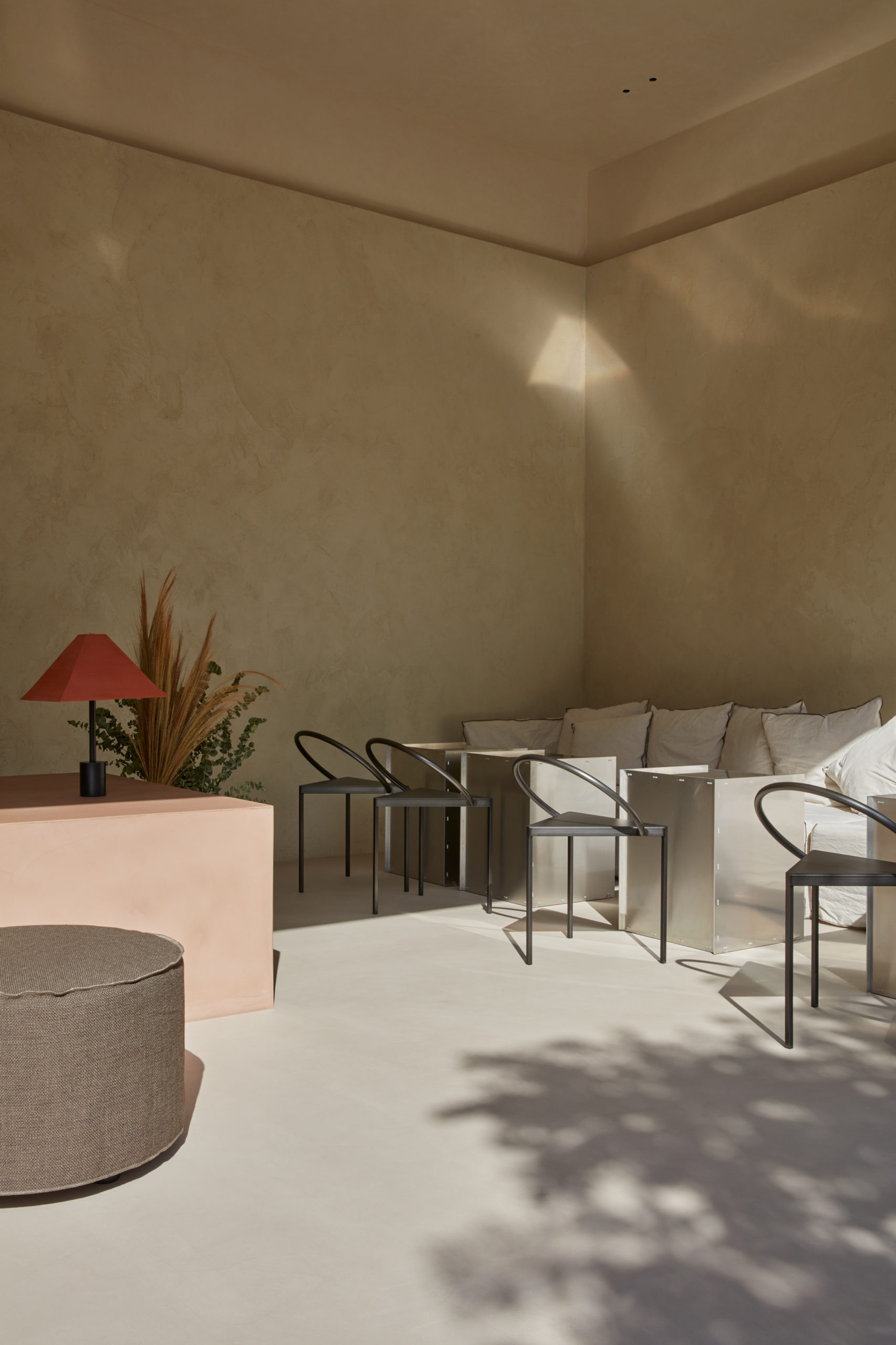
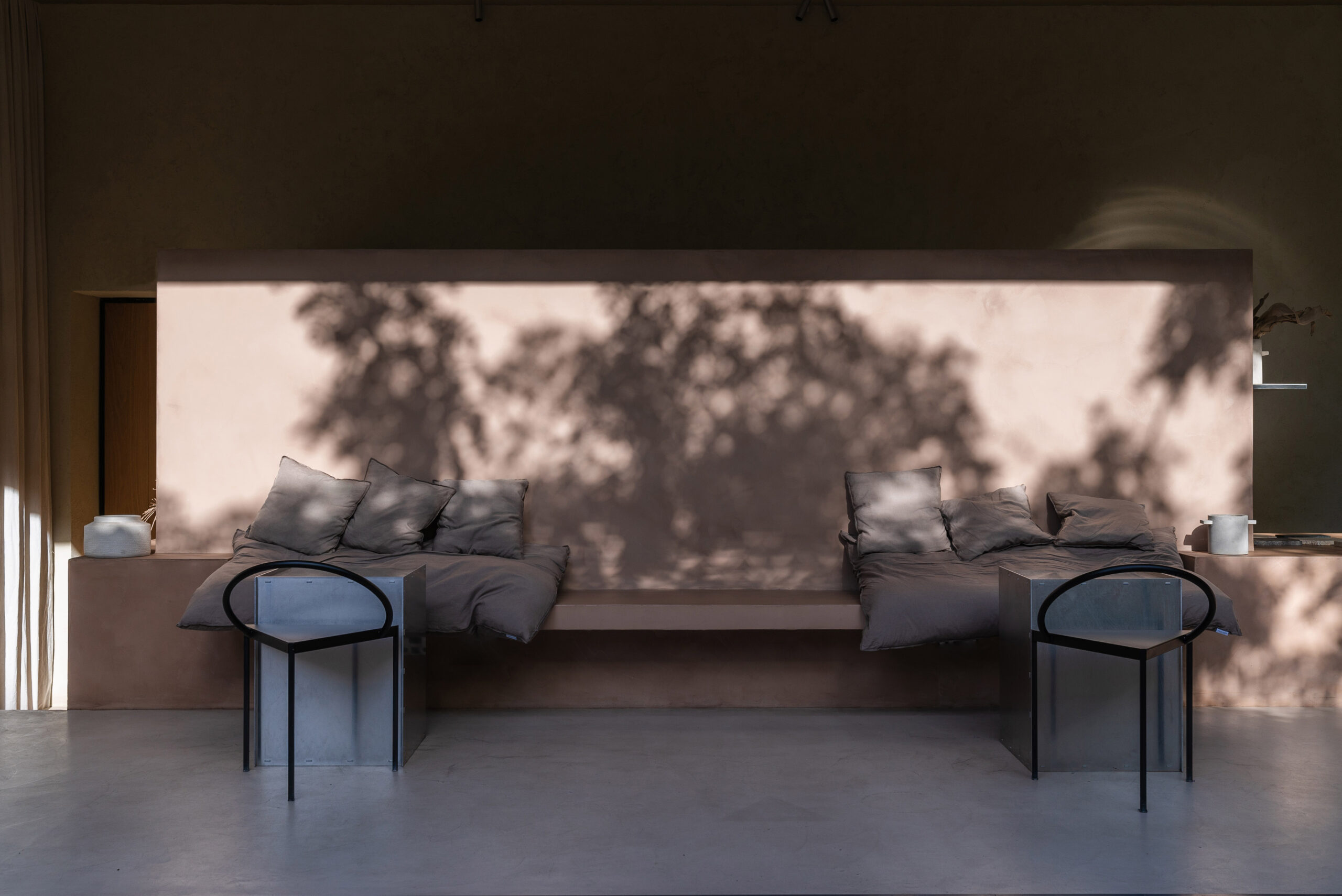
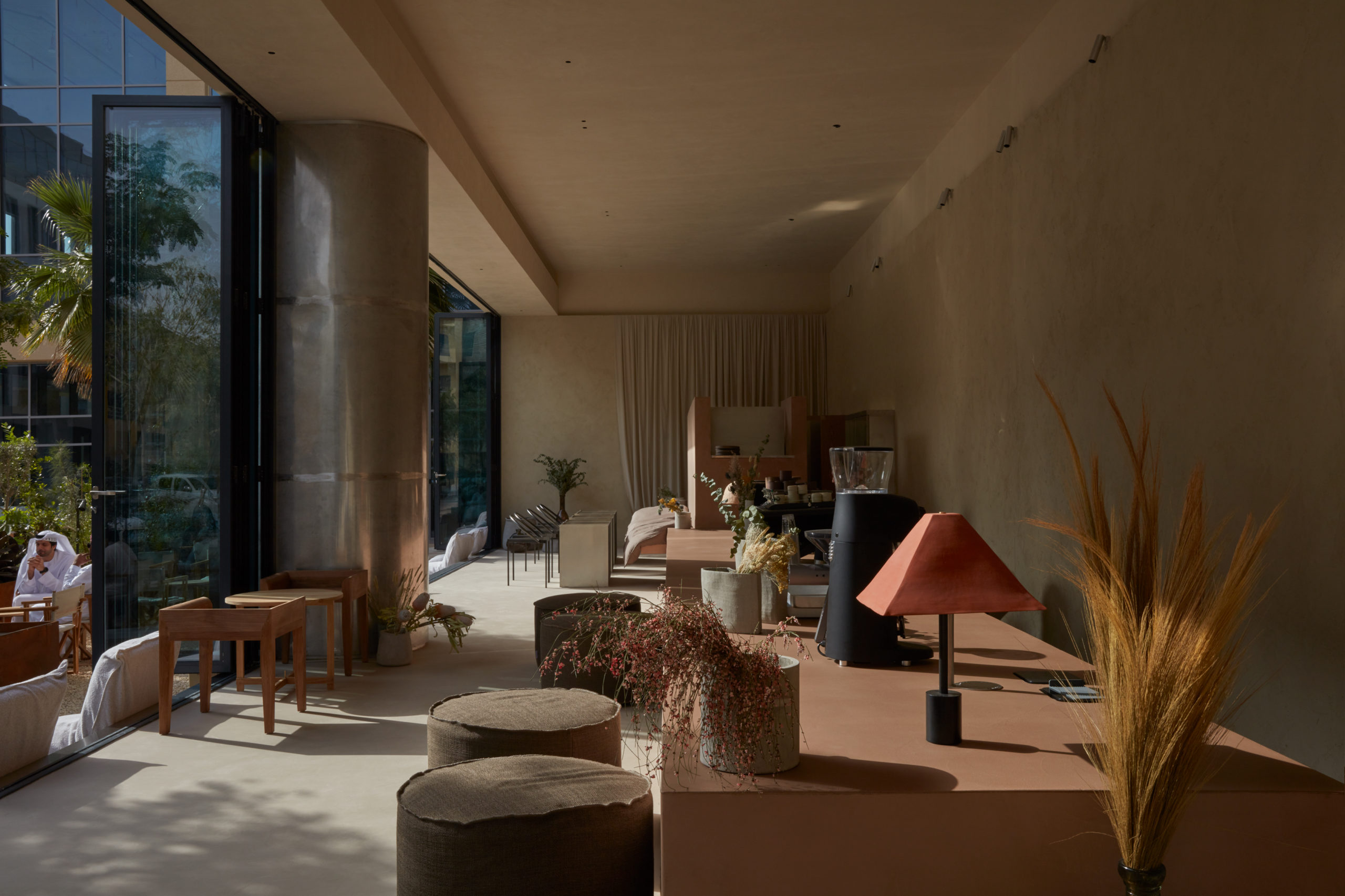
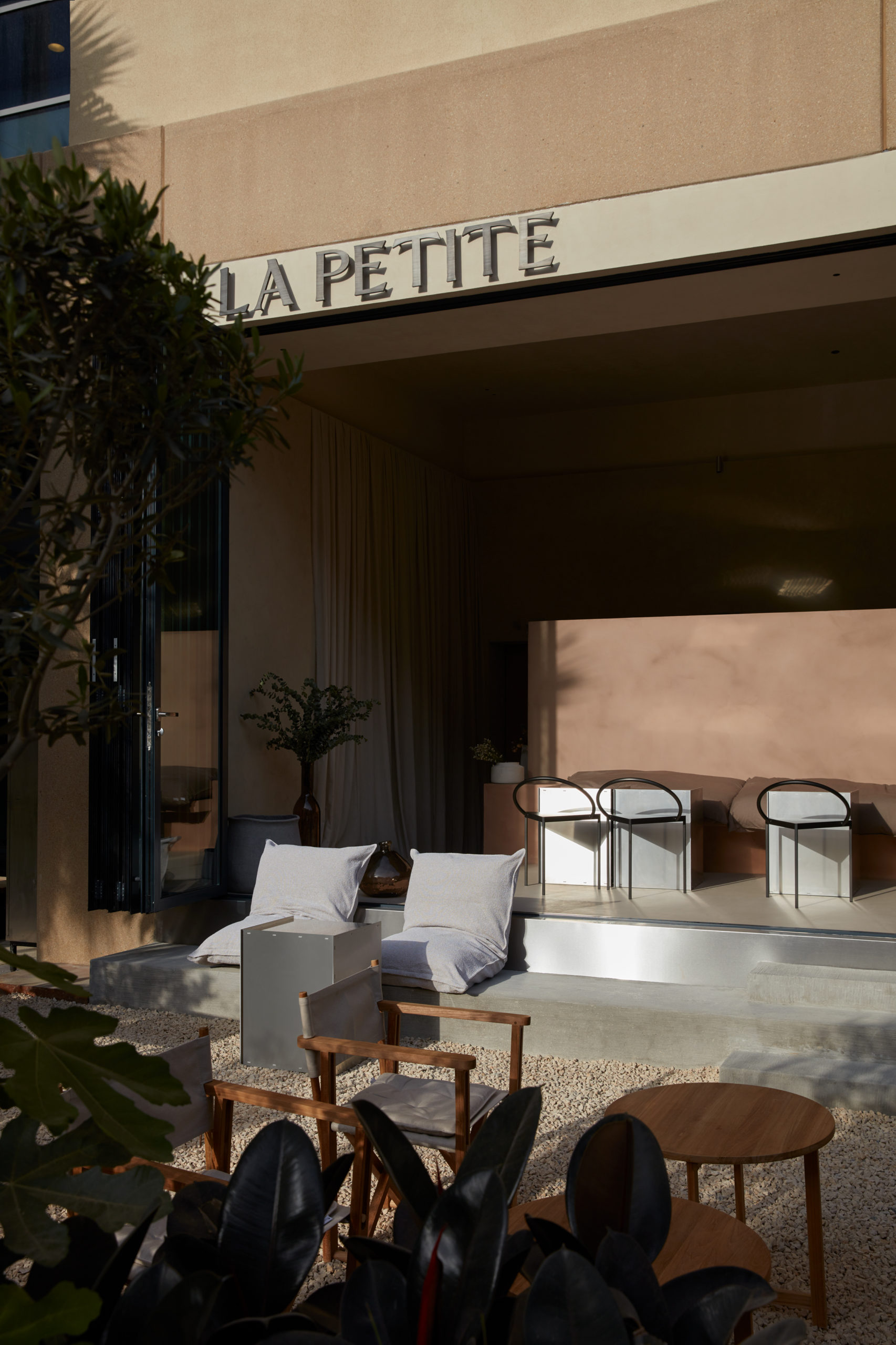
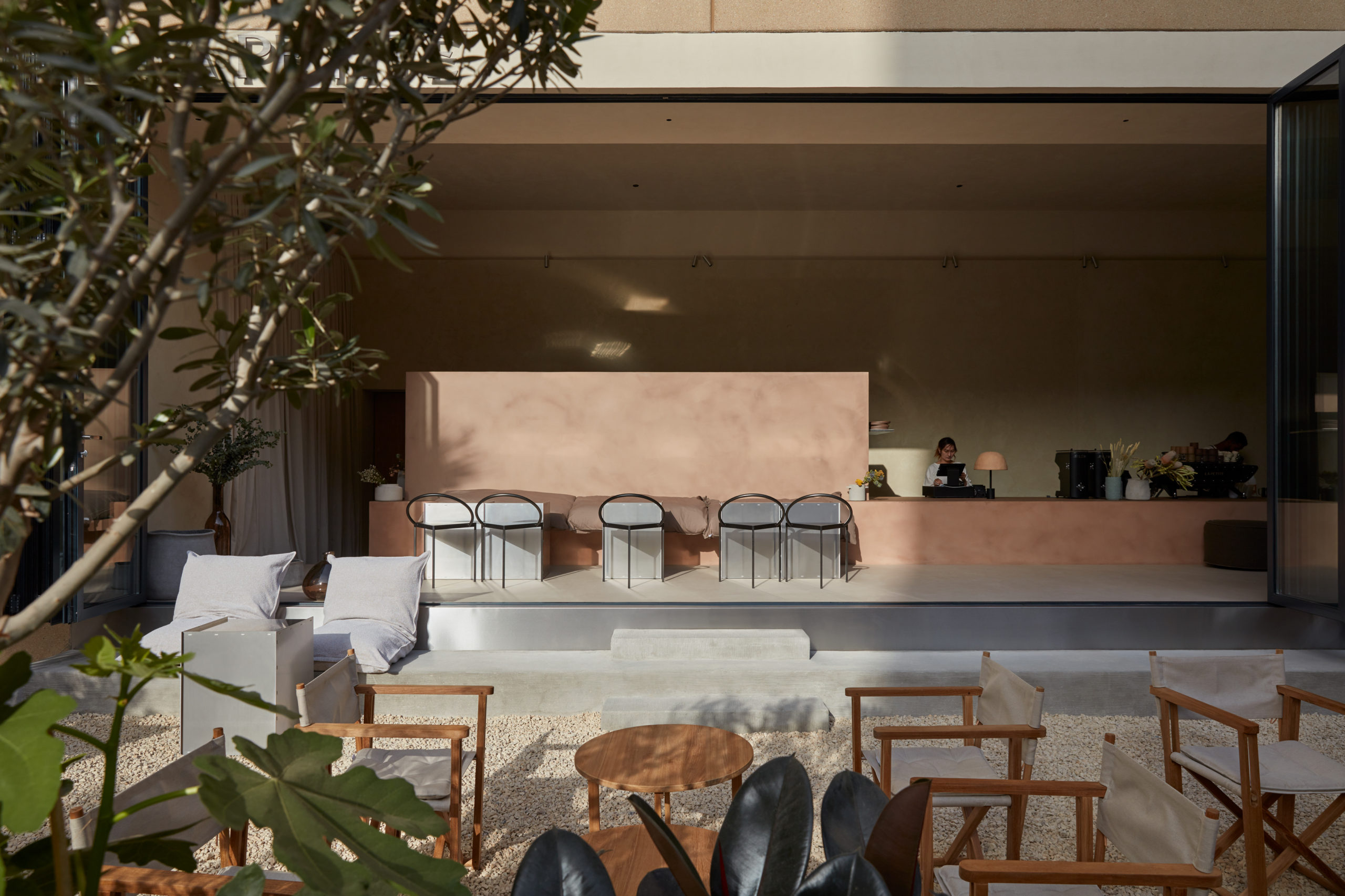
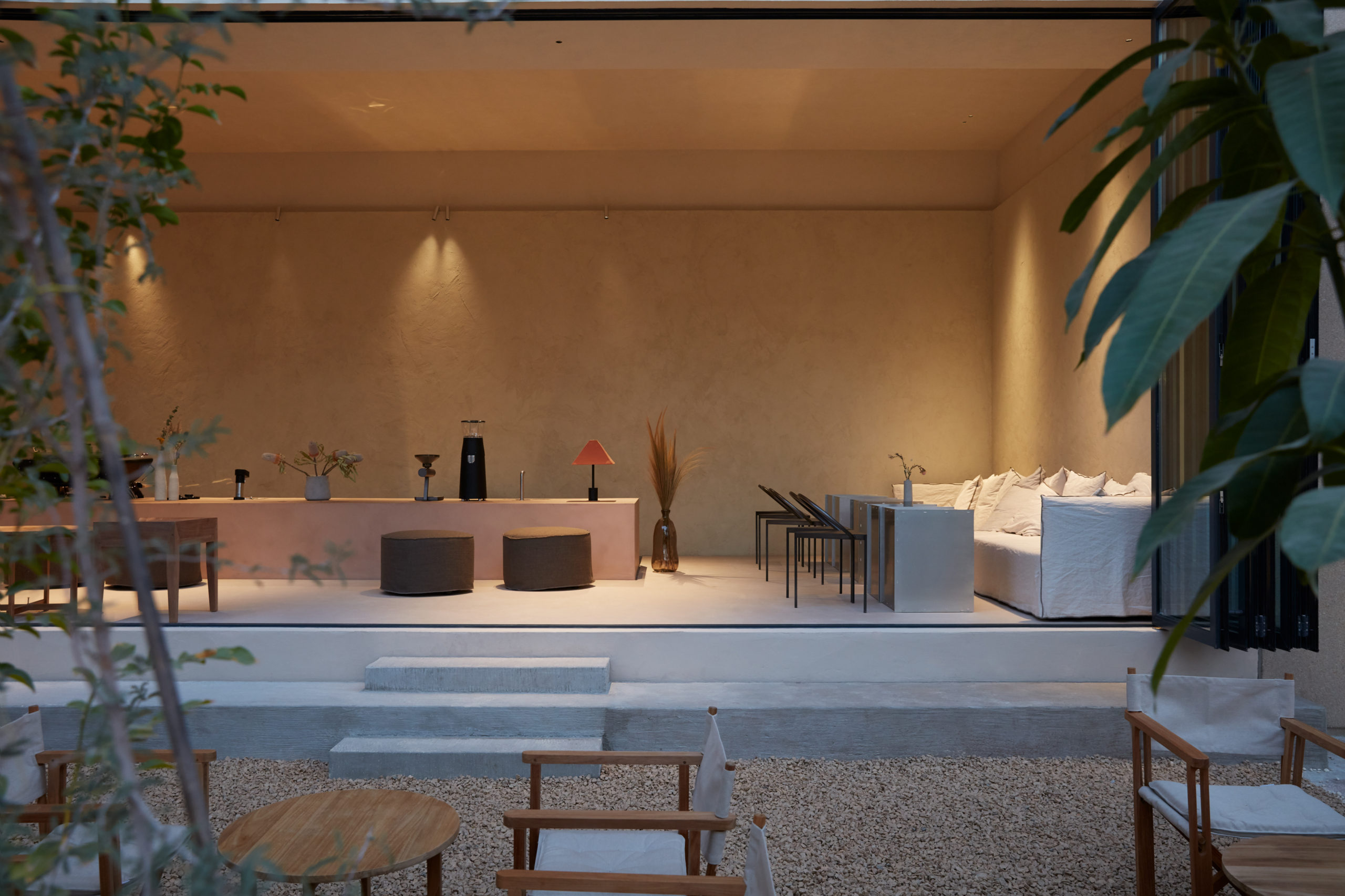
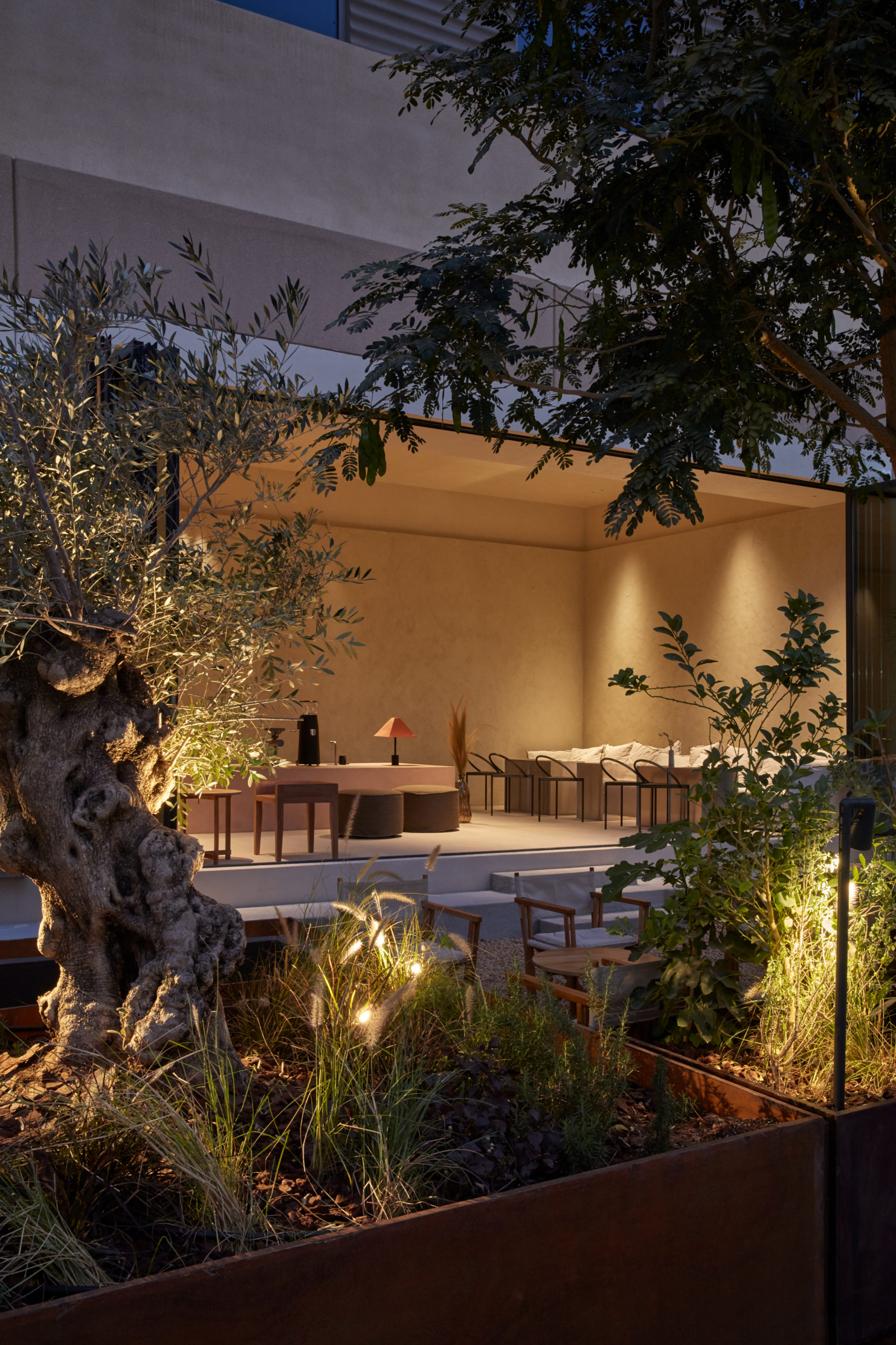
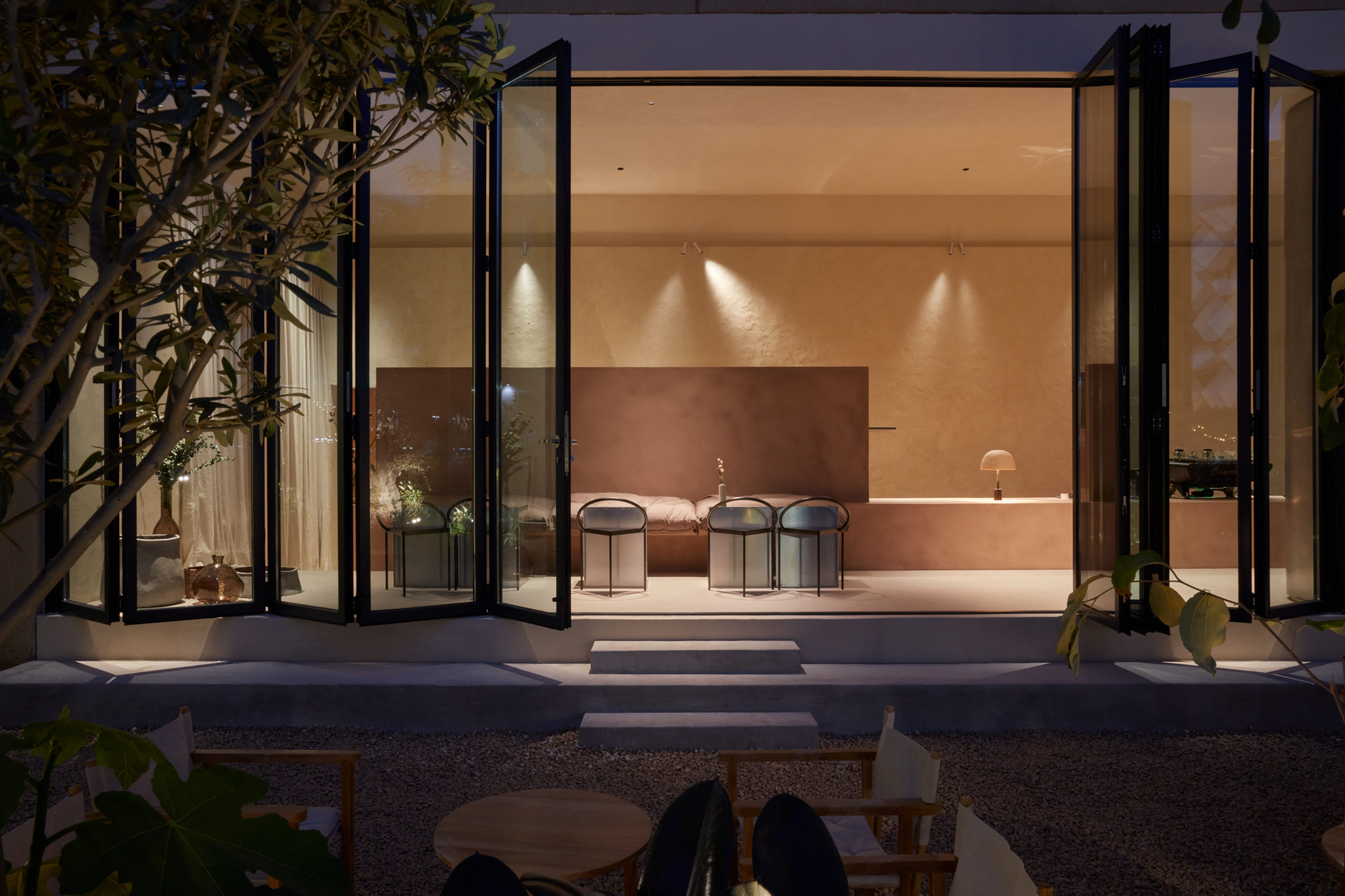
La Petite, an intimate haven with a sense of coherence — one with equal emphasis on the inner and outer spaces. Bone’s design intent was to redefine the coffee bar’s volume as a monolithic sculpture in a cubist approach, that serves multiple functions as well as emphasizes the essential role that one plays within a space. The height of the bar is depressed from a customer’s standpoint — and serves as a coffee table for guests. From a barista’s position, the bar is at working height, this allows for a fluid dynamic and unification in one’s horizontal vision. Inspired by Al Ain’s landscapes, desert topography, the space’s seating and working height hierarchy was shaped — allowing a diversity in seating arrangements which accommodates a direct visual connection to the garden, creating privacy and eliminating obstruction of view. The seating arrangements were derived from traditional Emirati floor majlises as well as casual, laid back cafe seating.

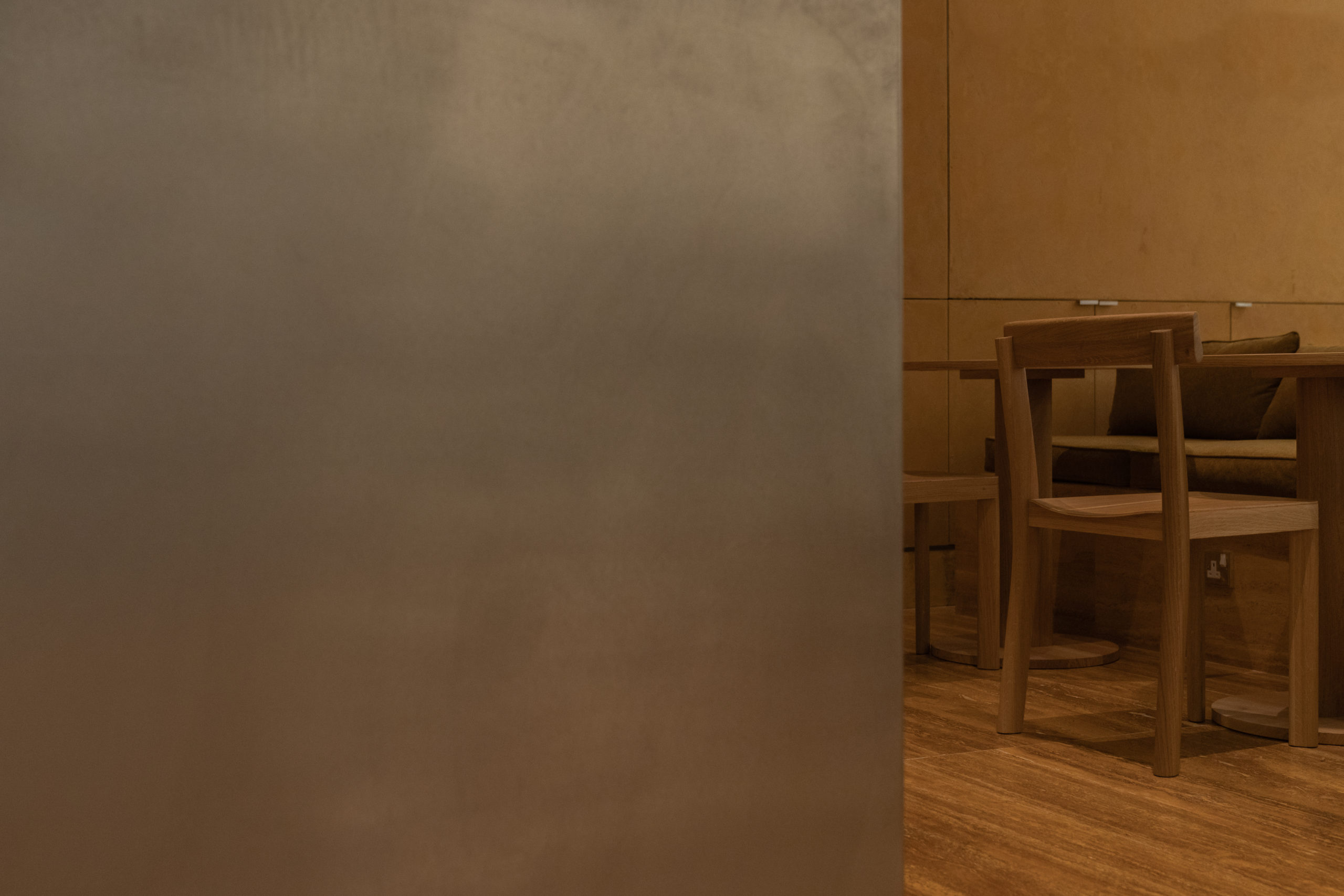
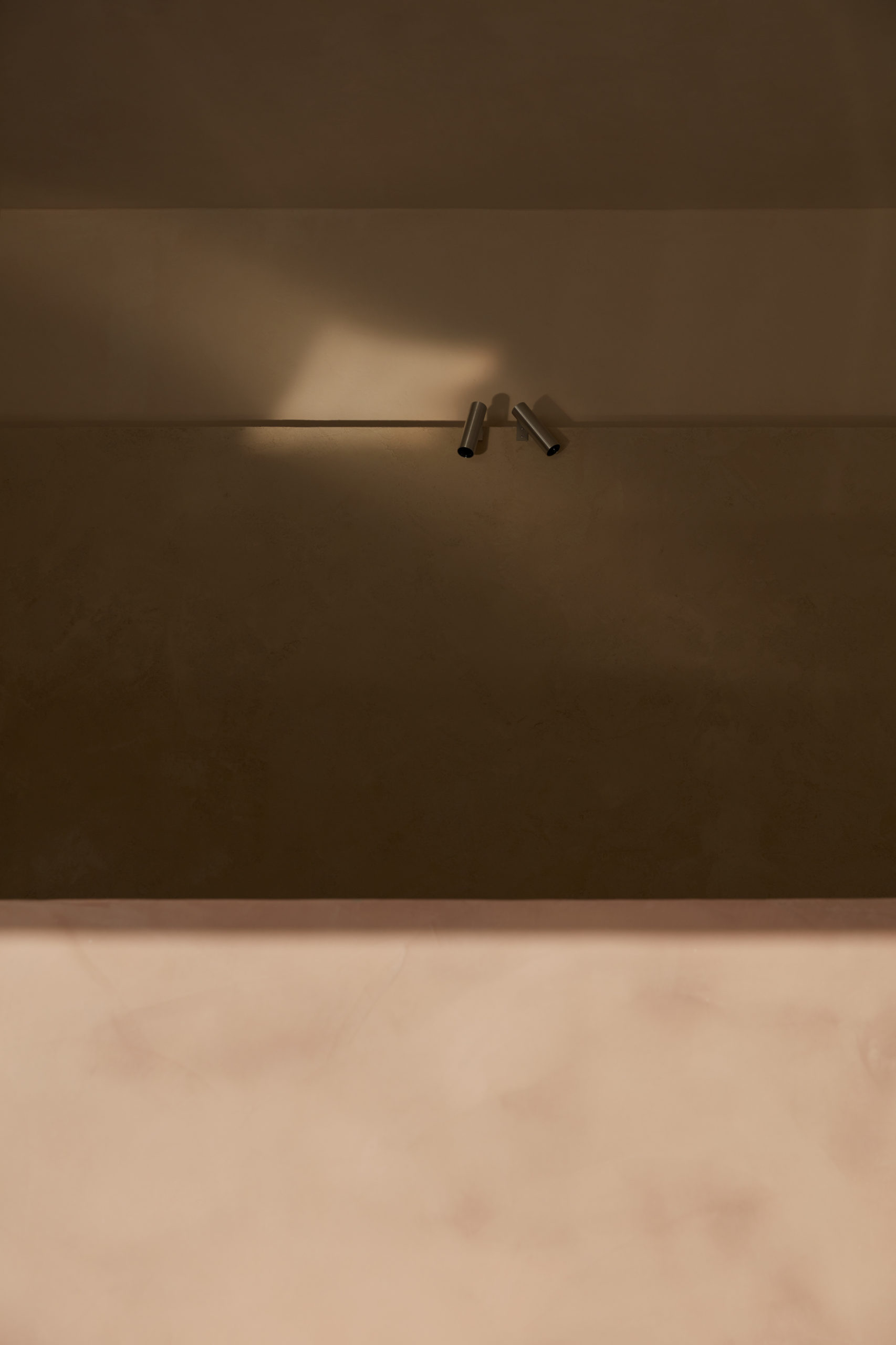
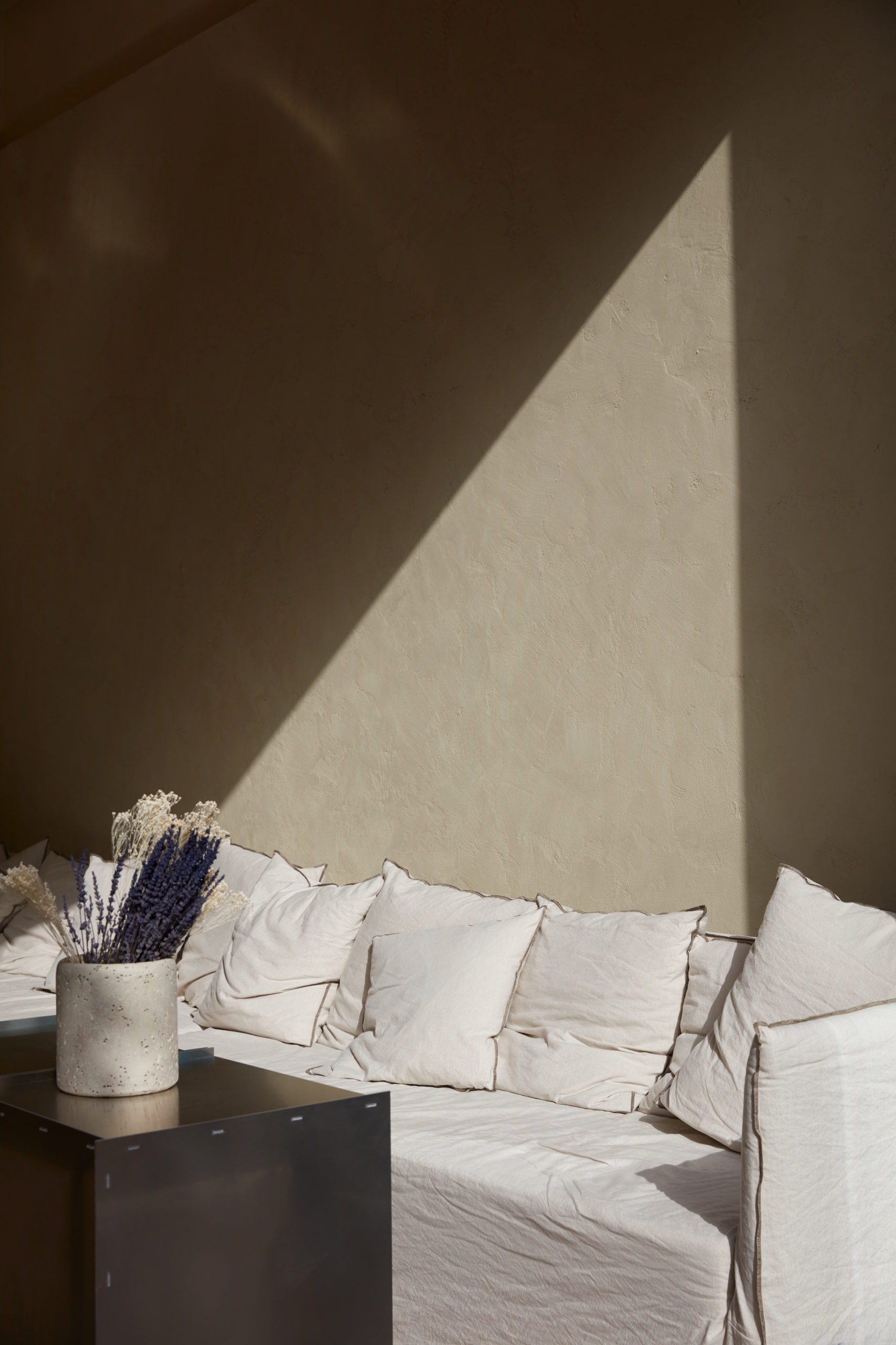
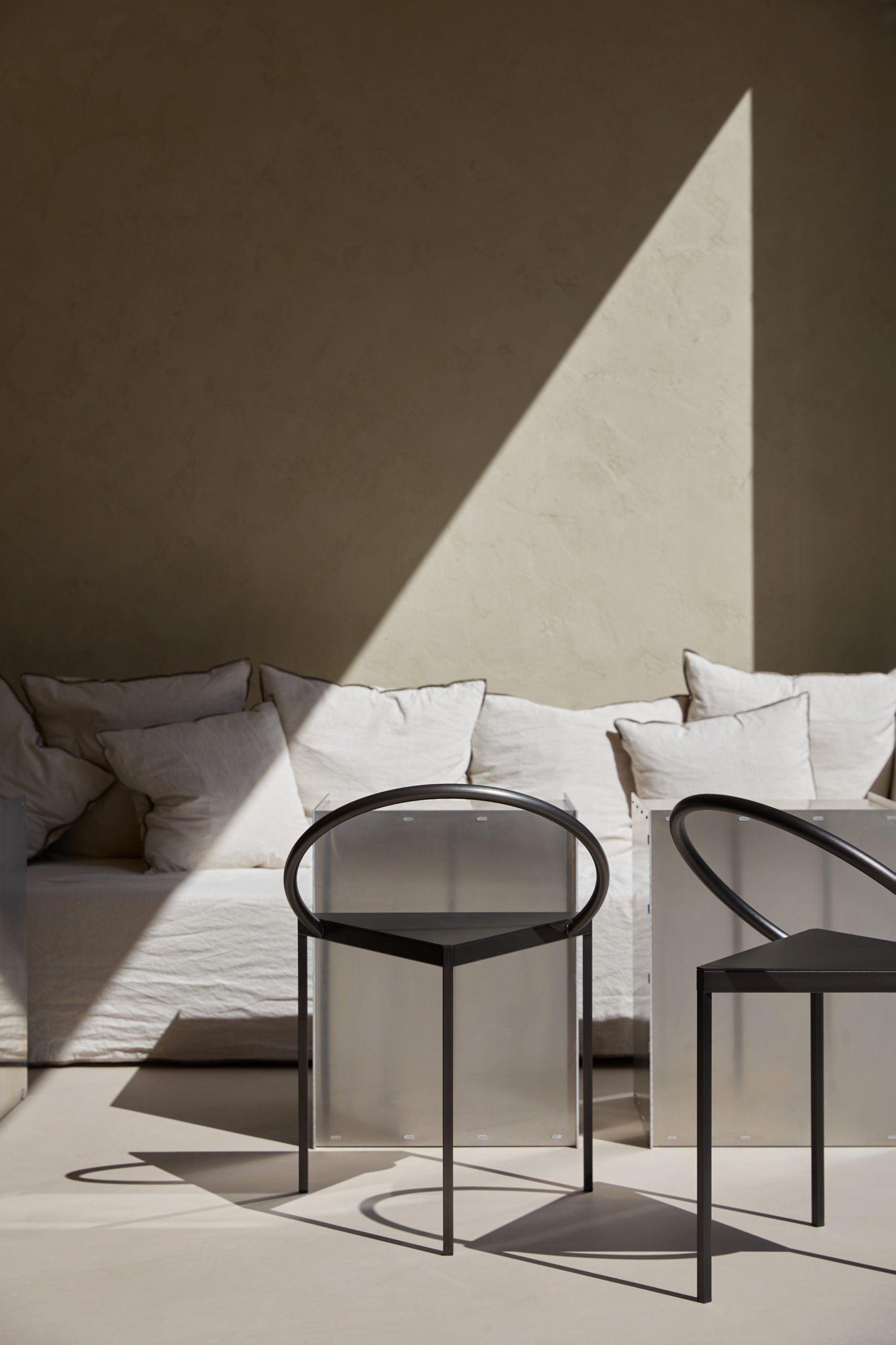
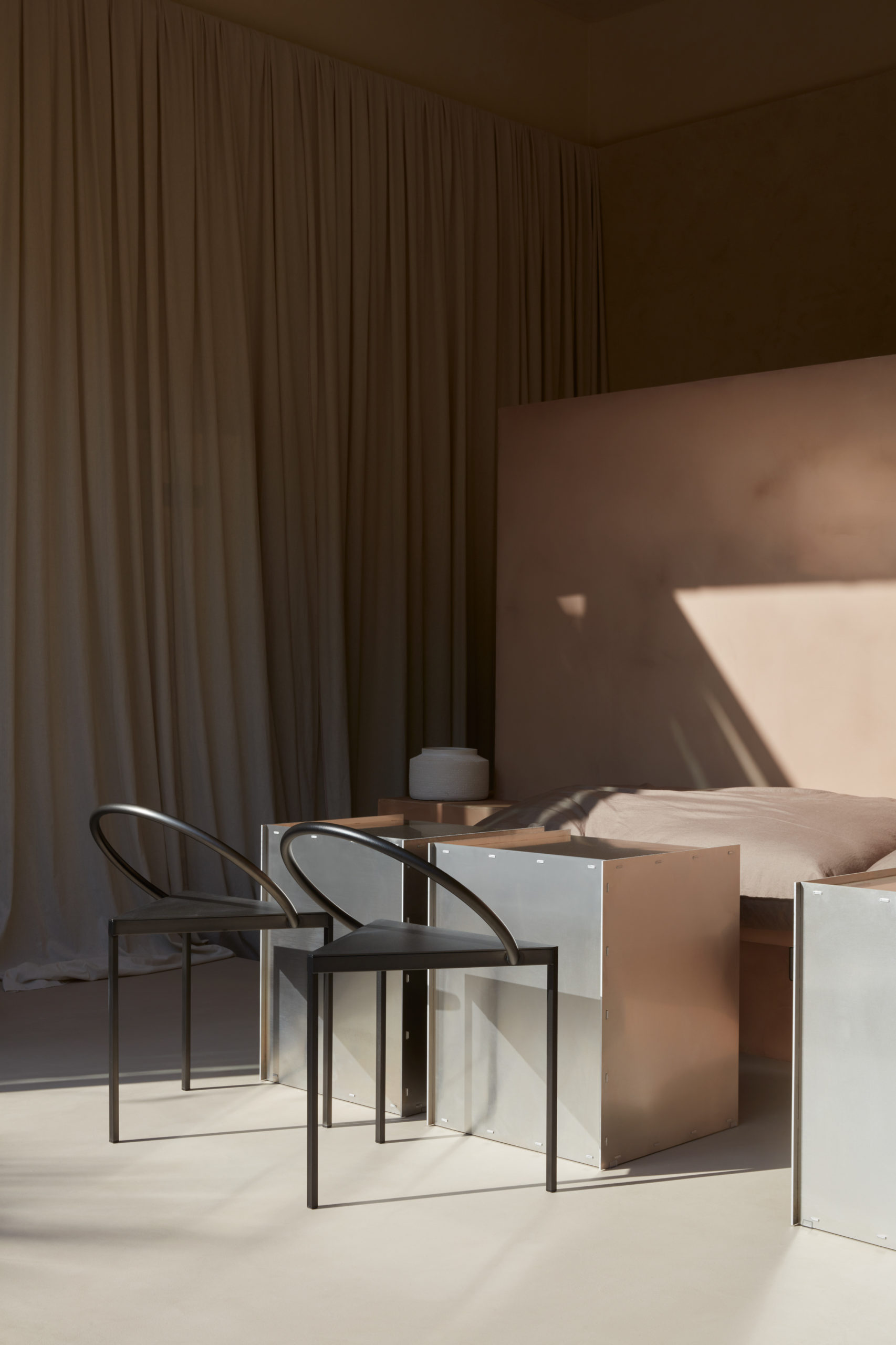
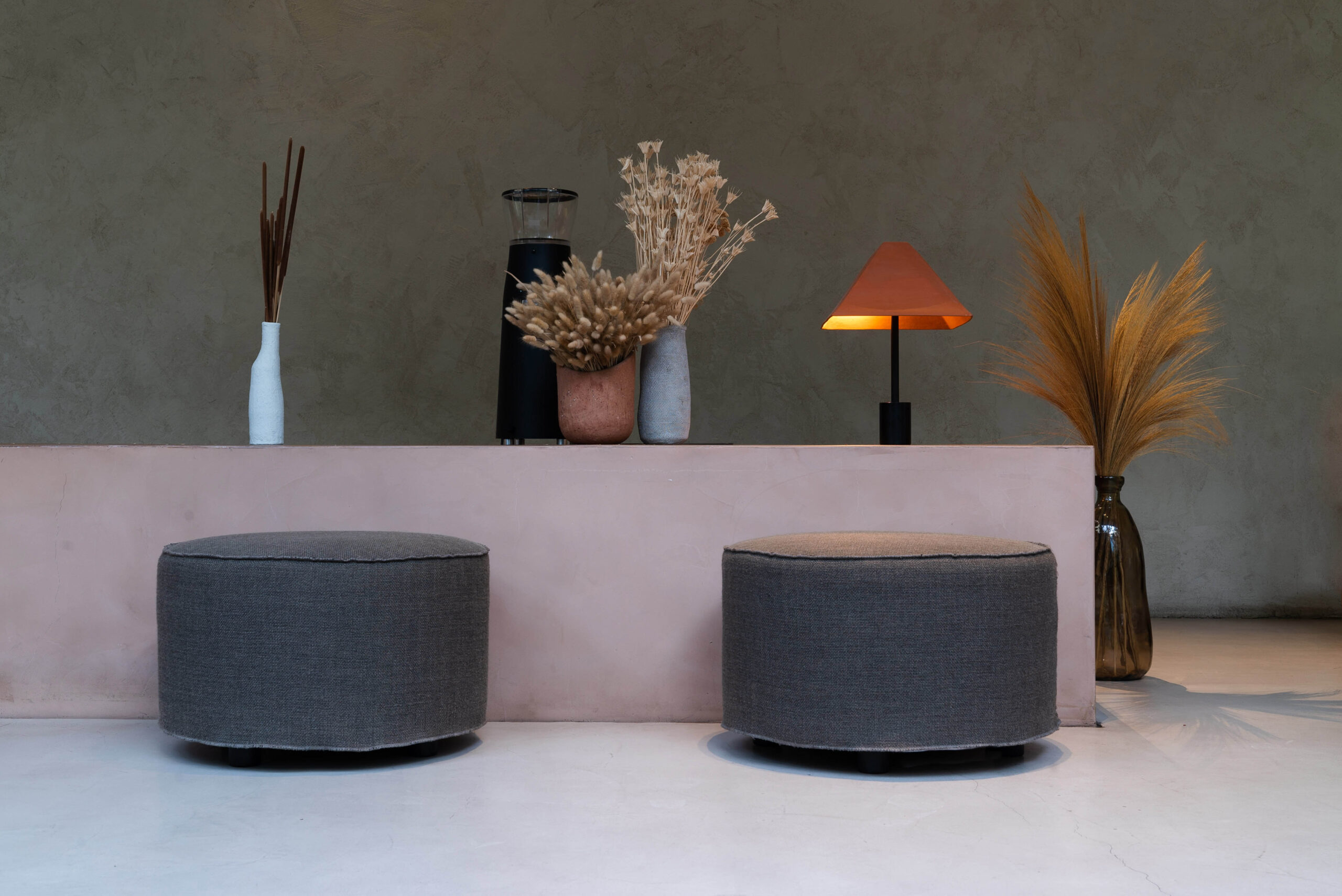
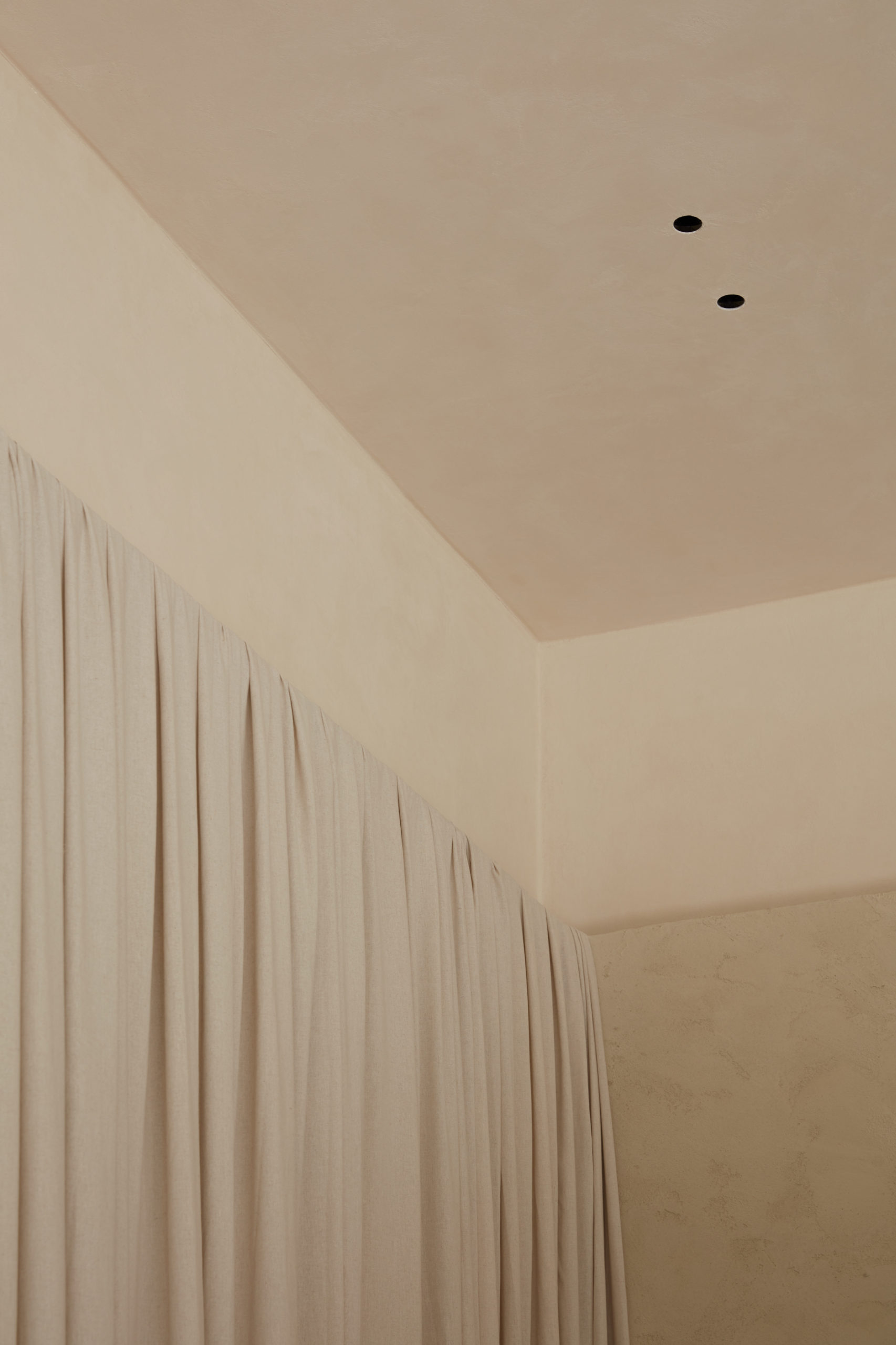
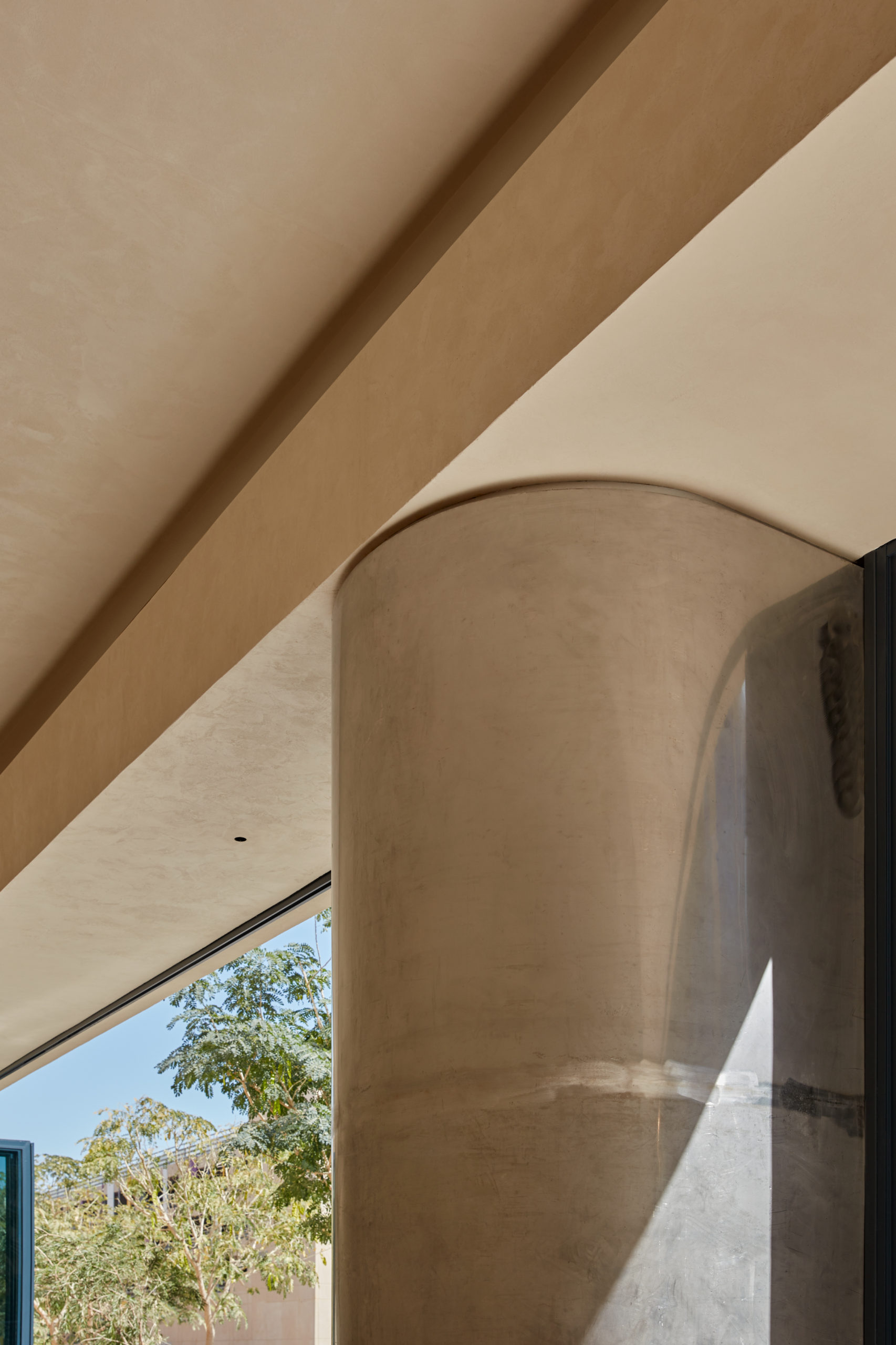
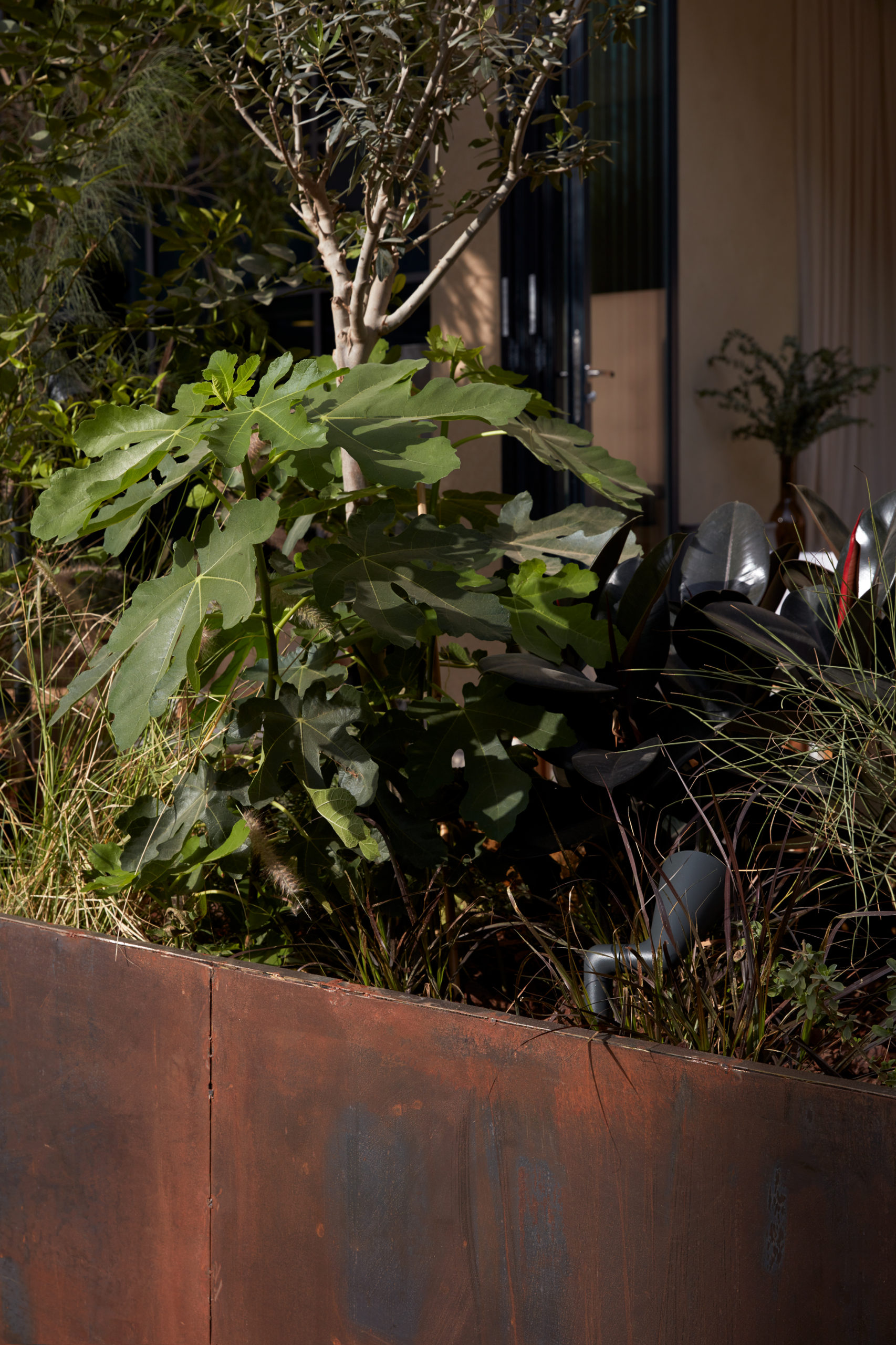
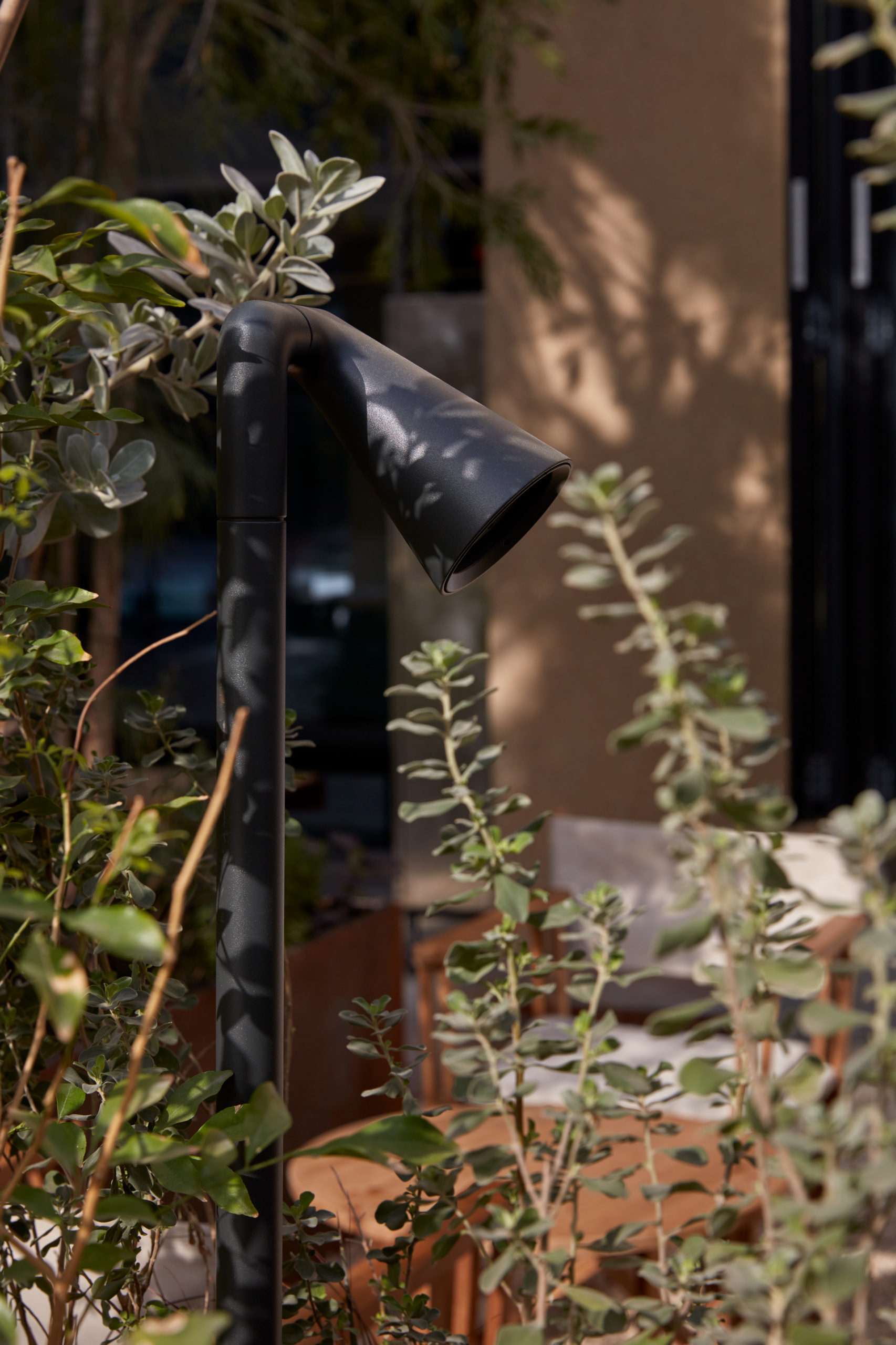
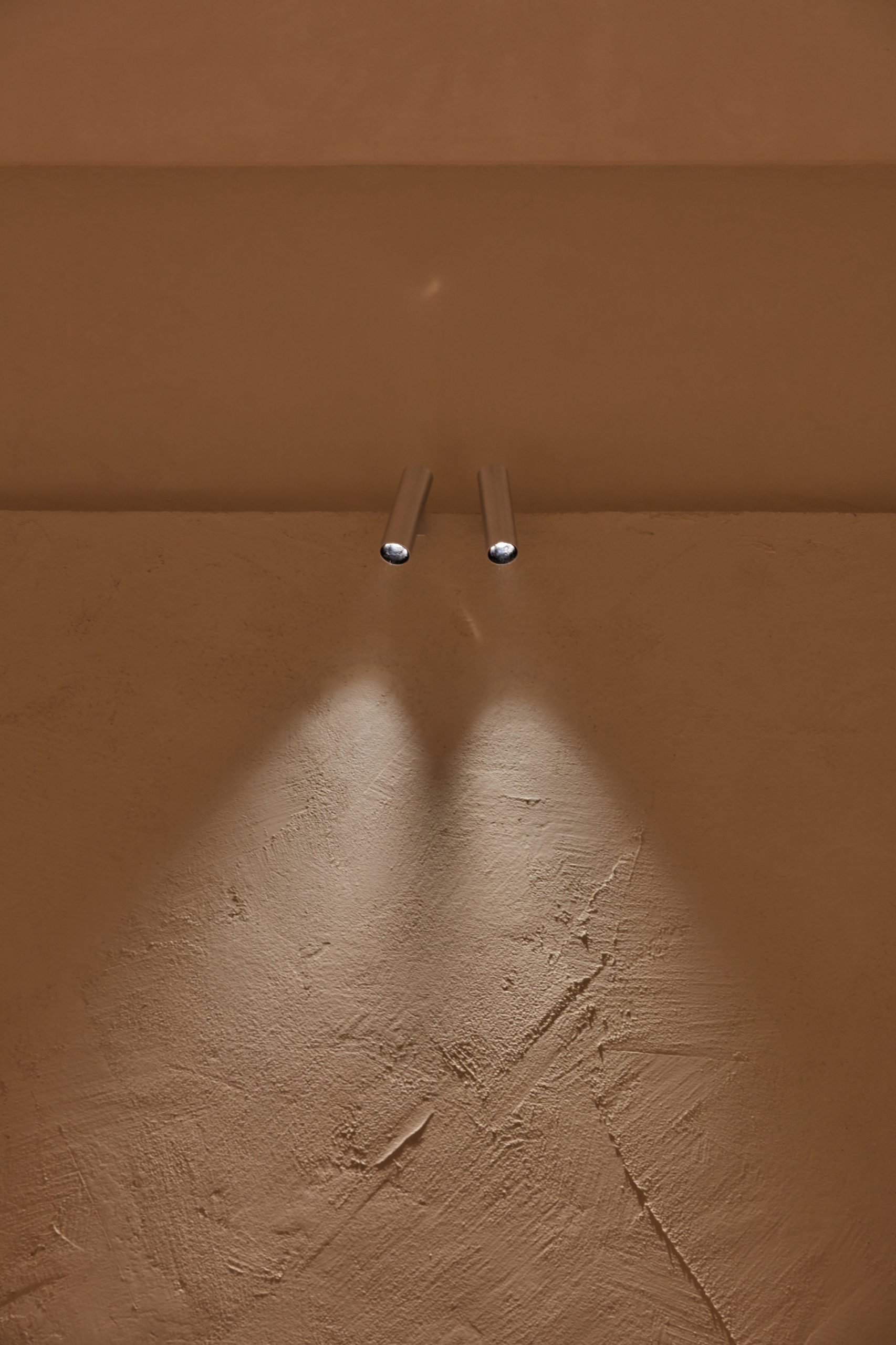
The selection and tonality of the materiality, treatment of surfaces epitomizes the surrounding abundant desert sand, allowing the space to remain grounded in its location’s origins and create a sense of space. Mineral plasters in coarse and smooth finishes, soft linens, clay table lamps are complemented with the use of untreated aluminum Rivet tables and black steel Trianglo Chairs from Frama. The use of bi-fold glass doors accentuates the connection, creating a dialogue between the inner space and surrounding landscaping while directional light fixtures in the shop and garden mimic soft theatrical lighting silhouettes.