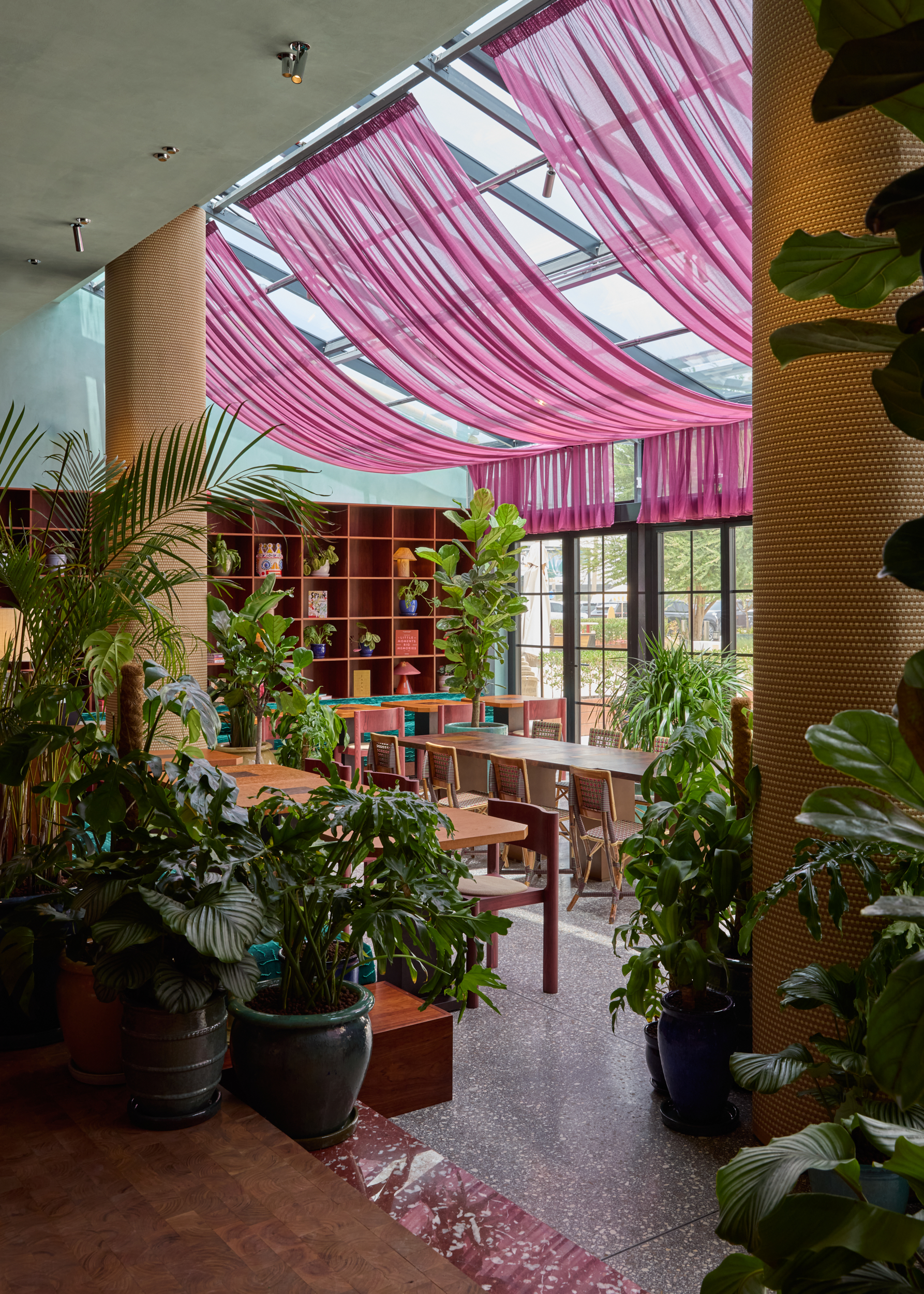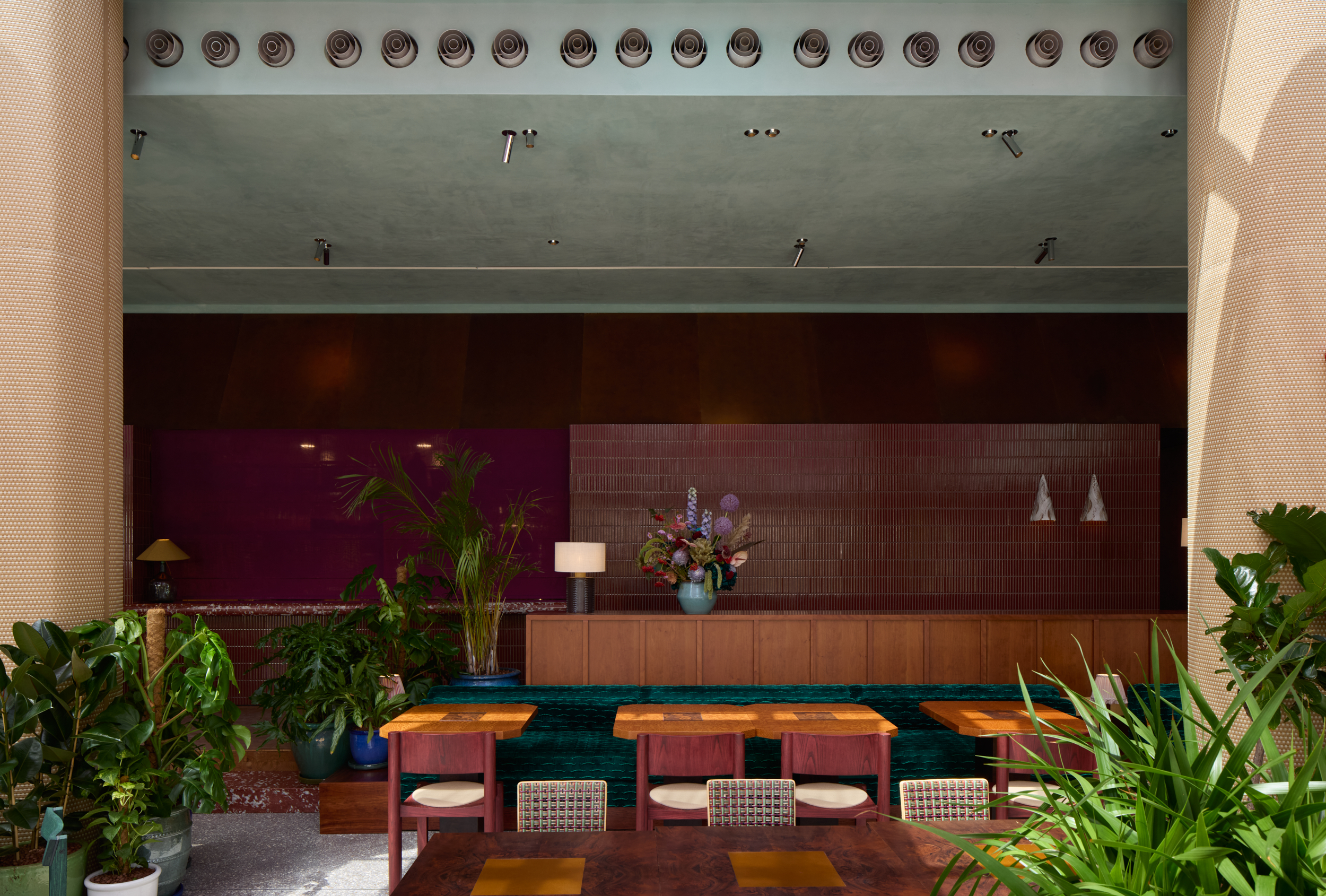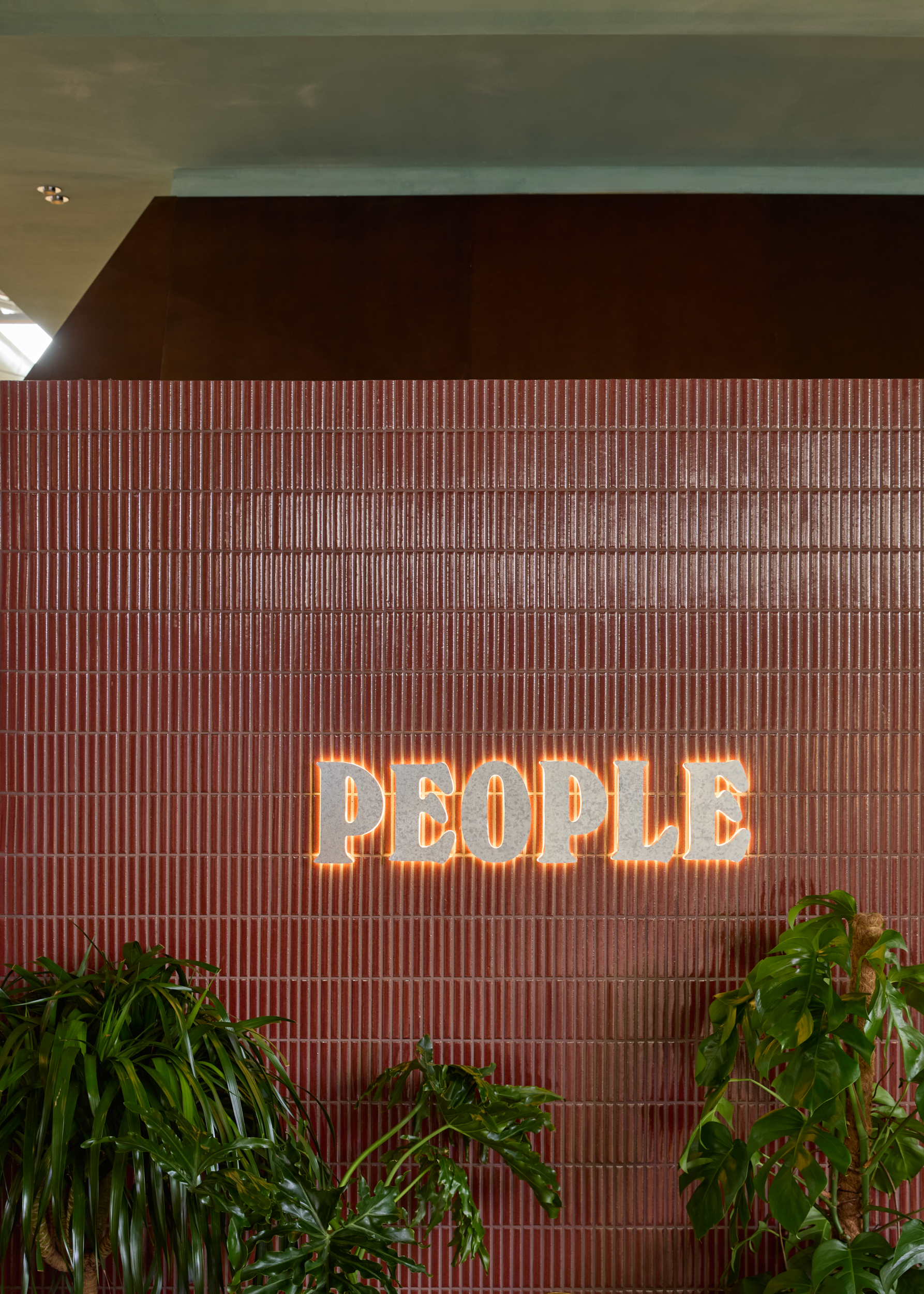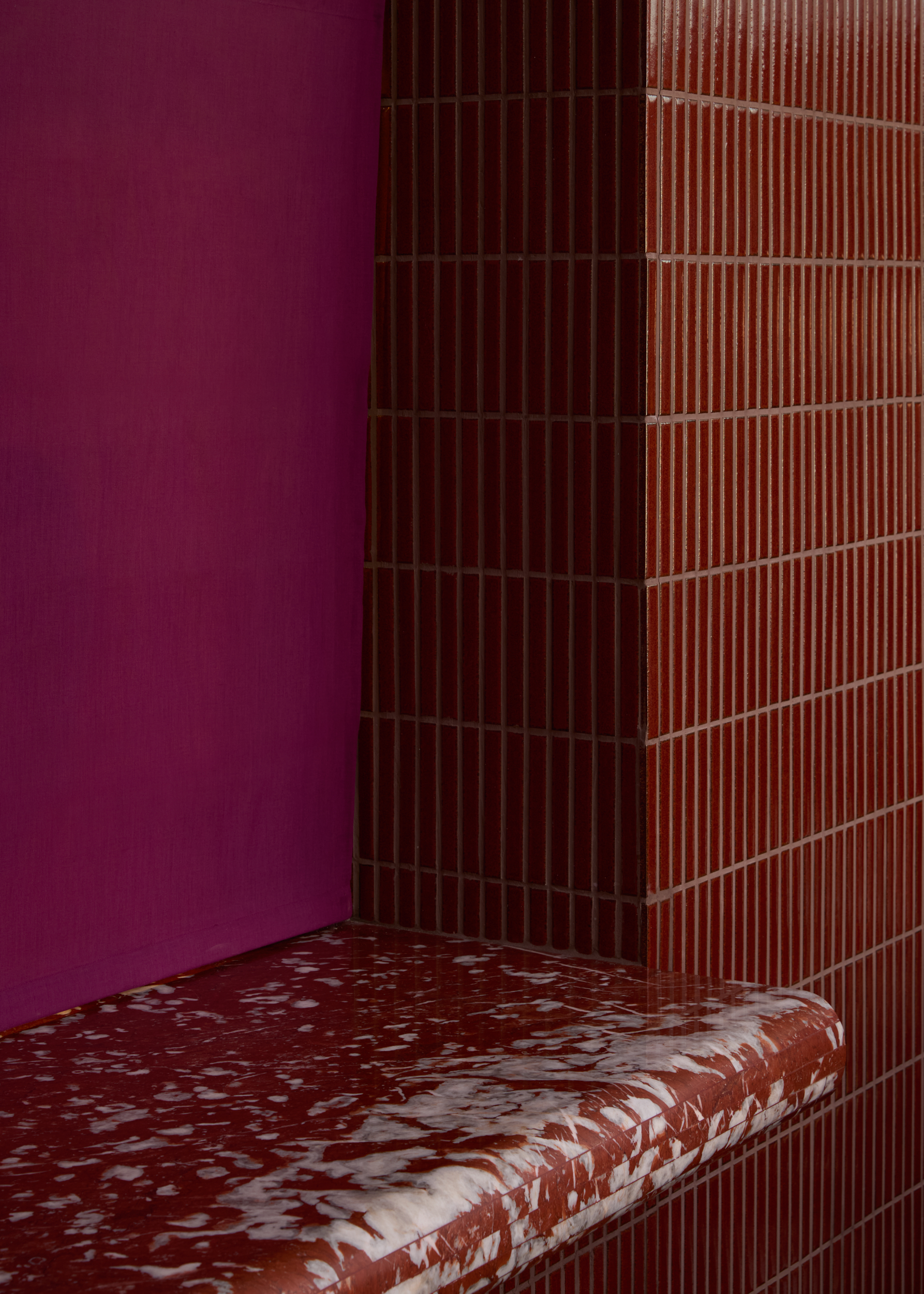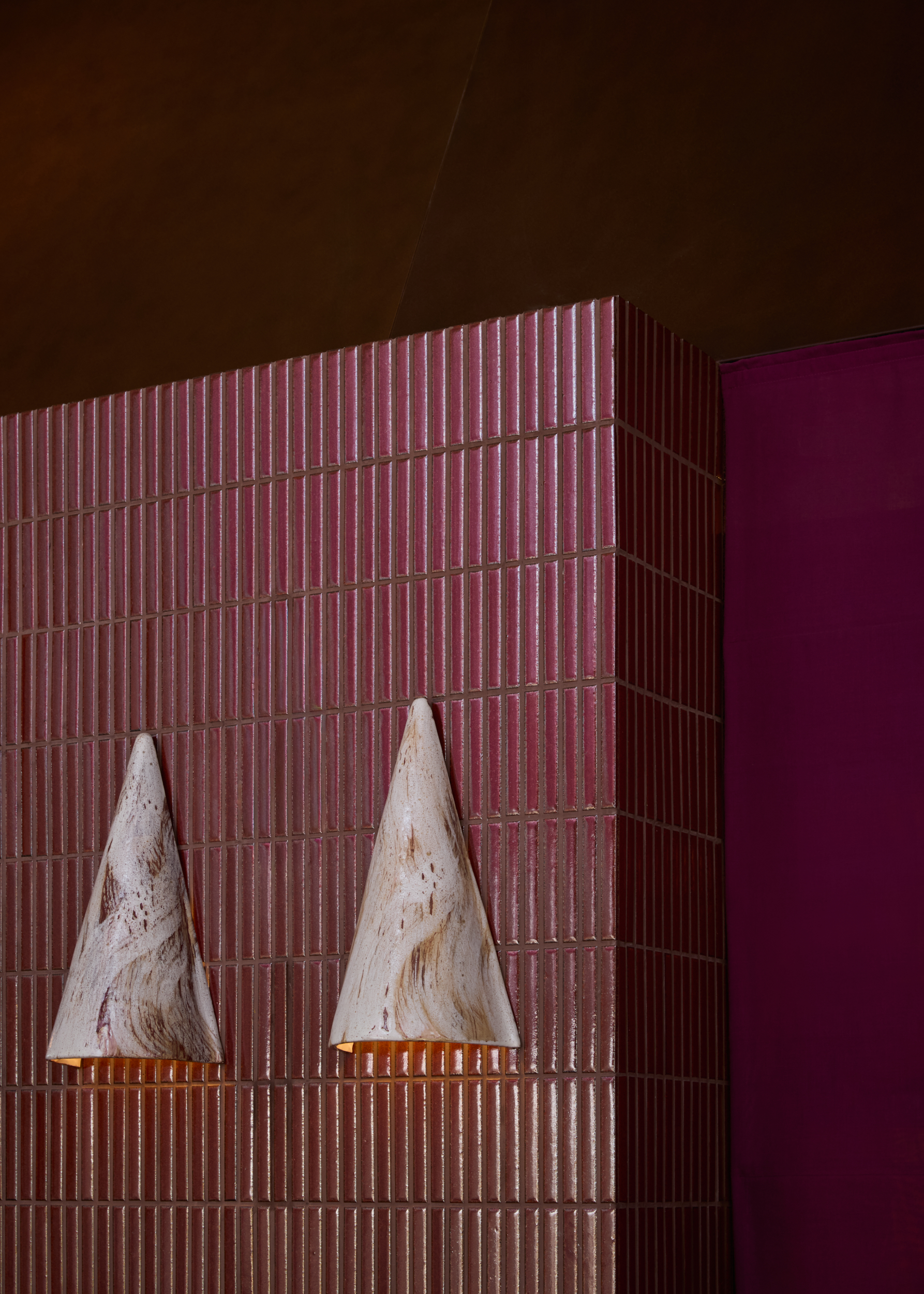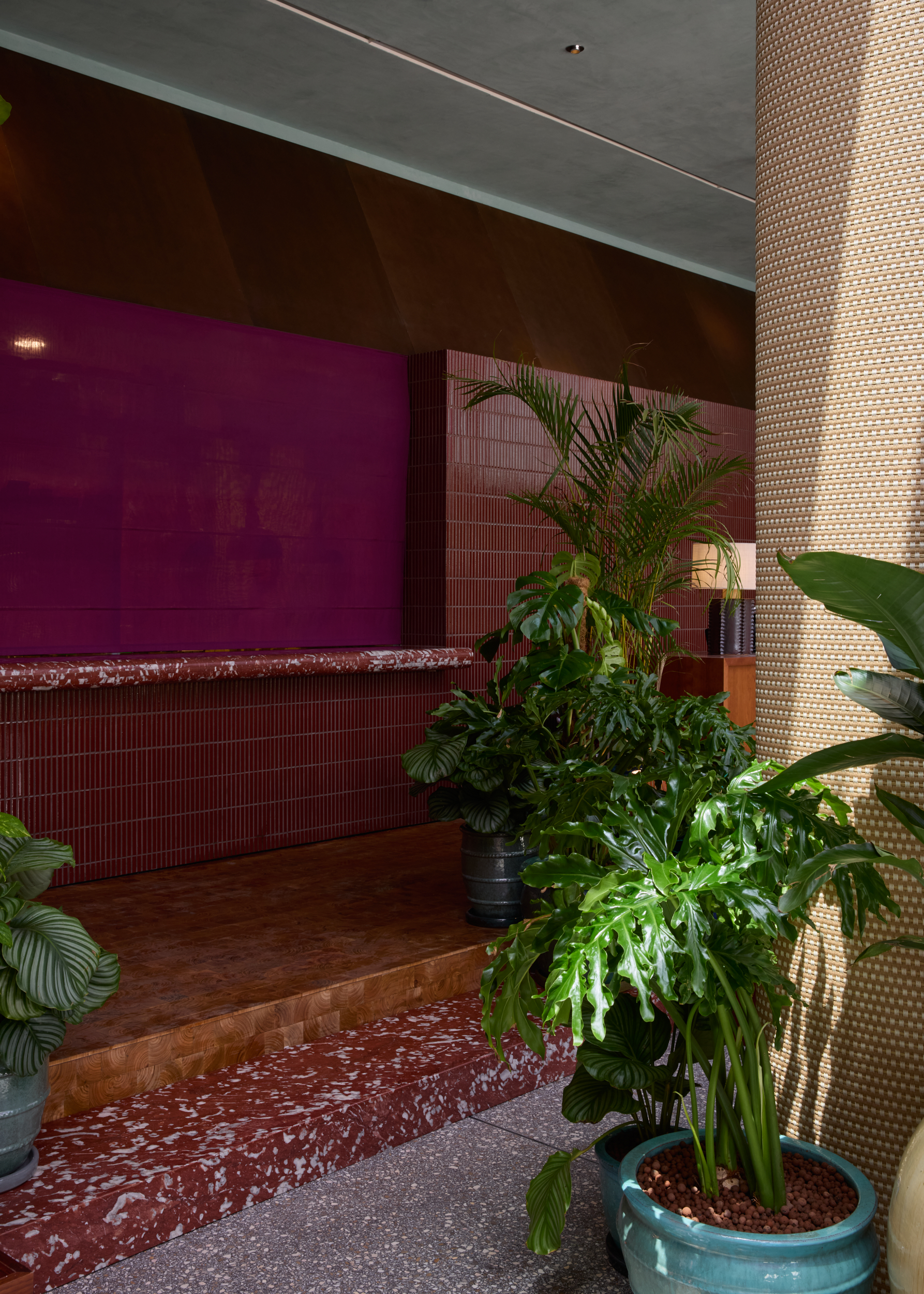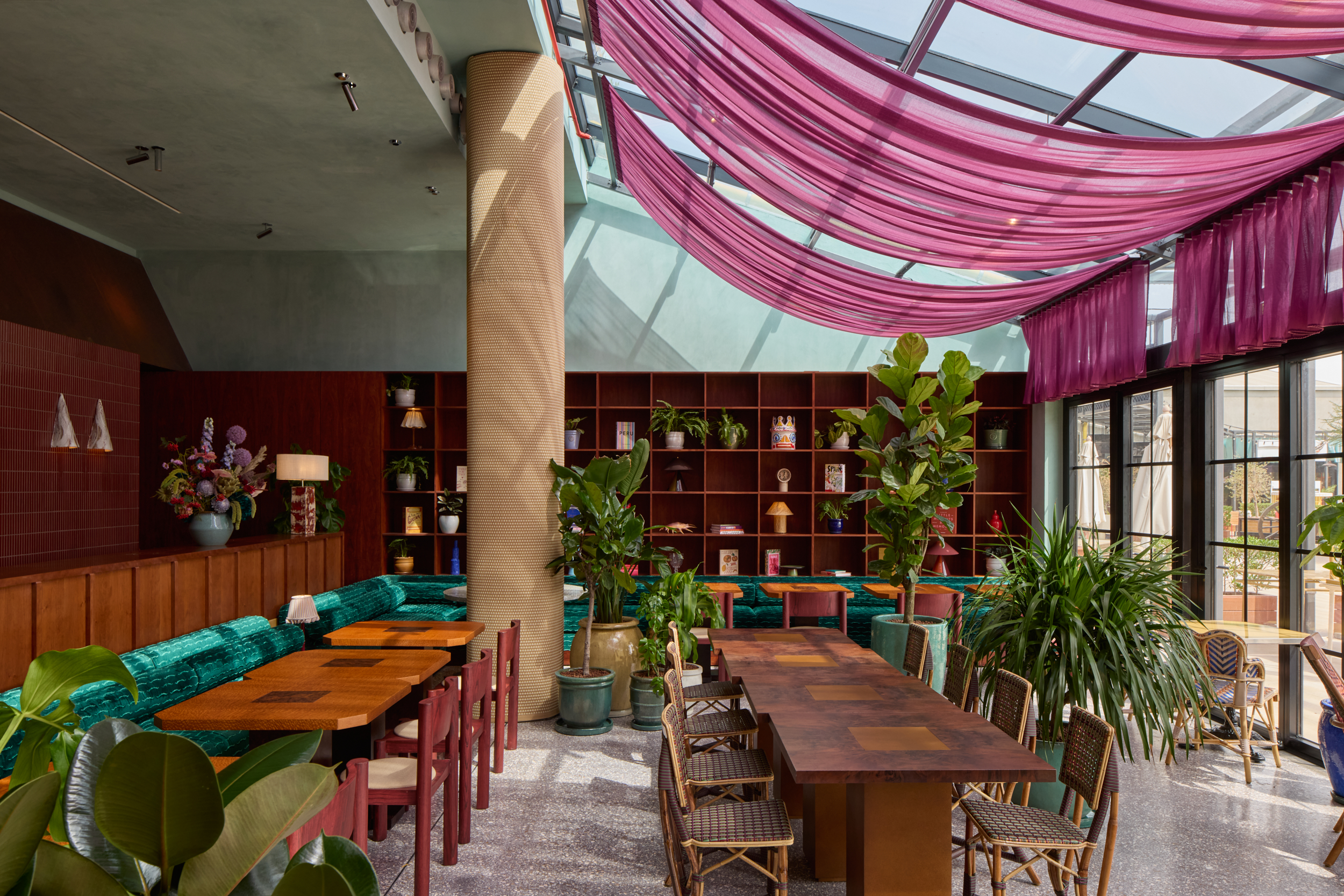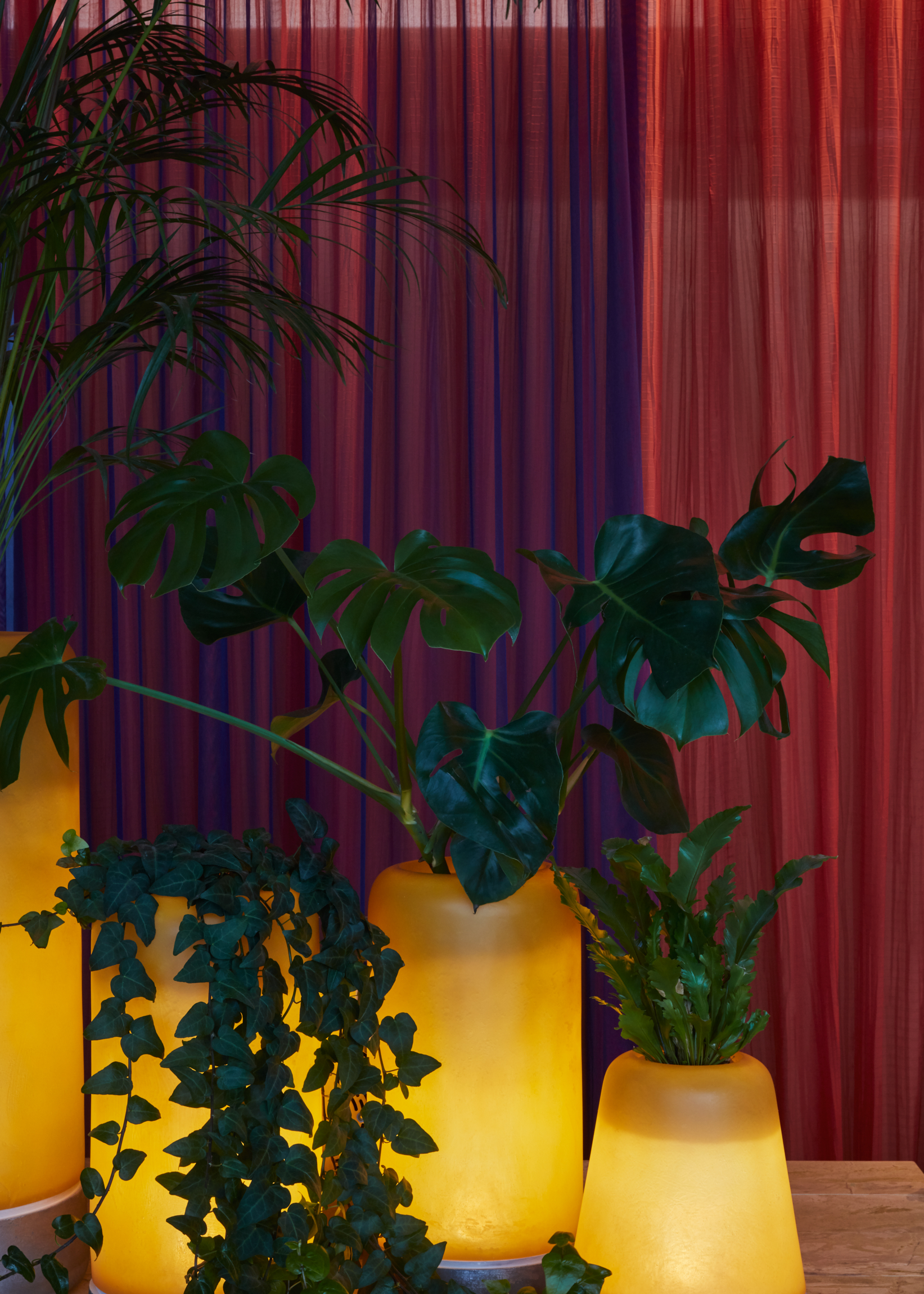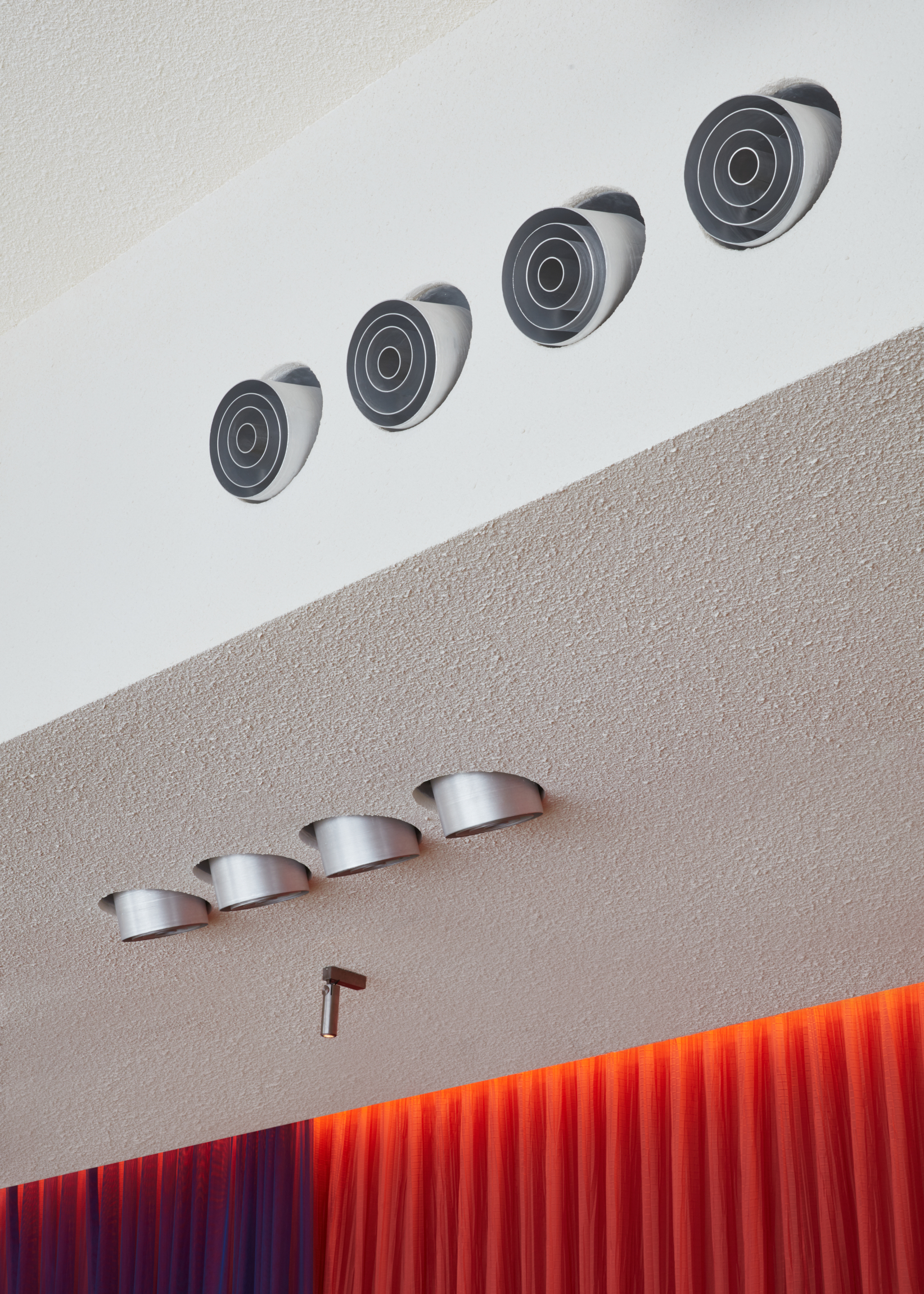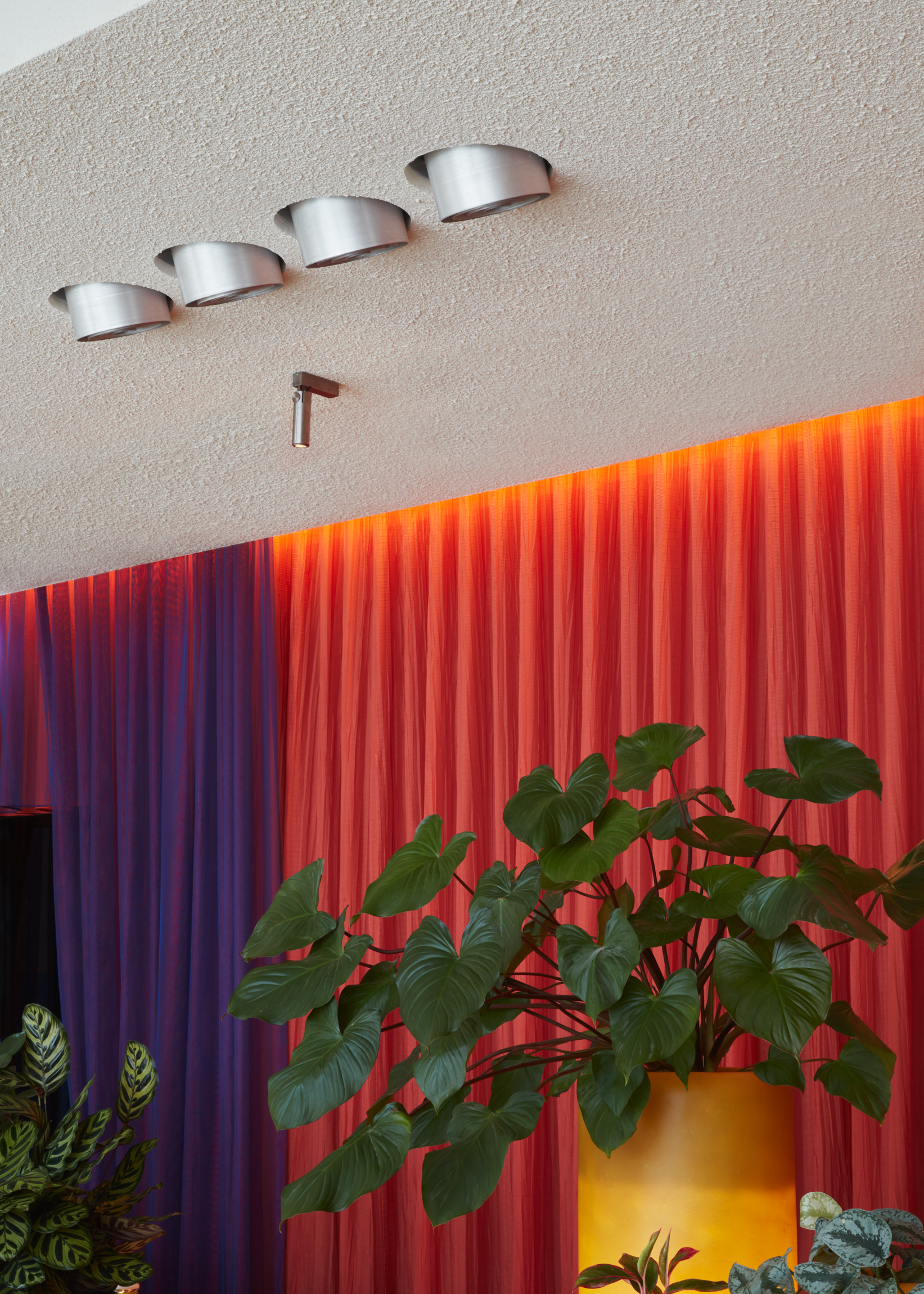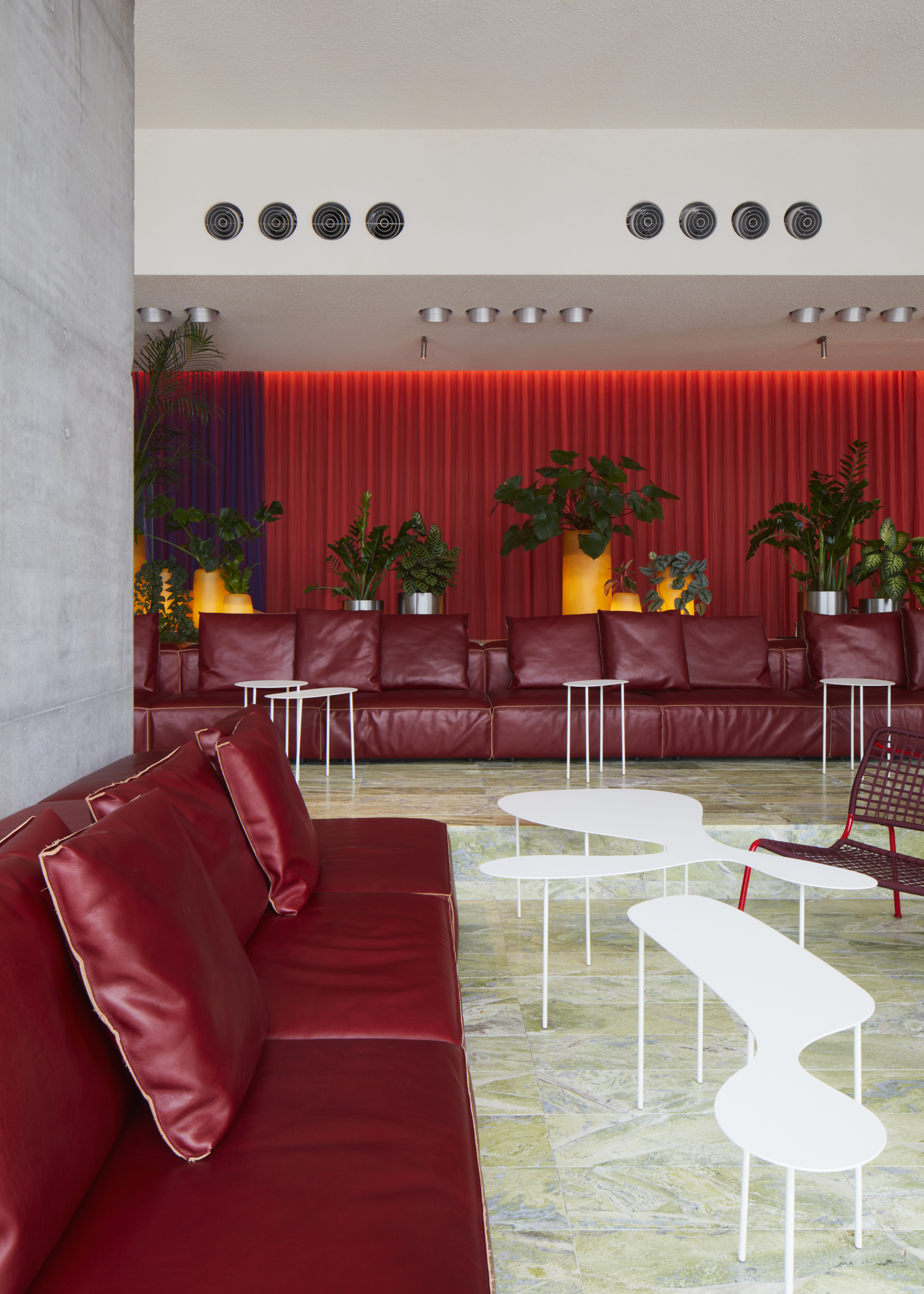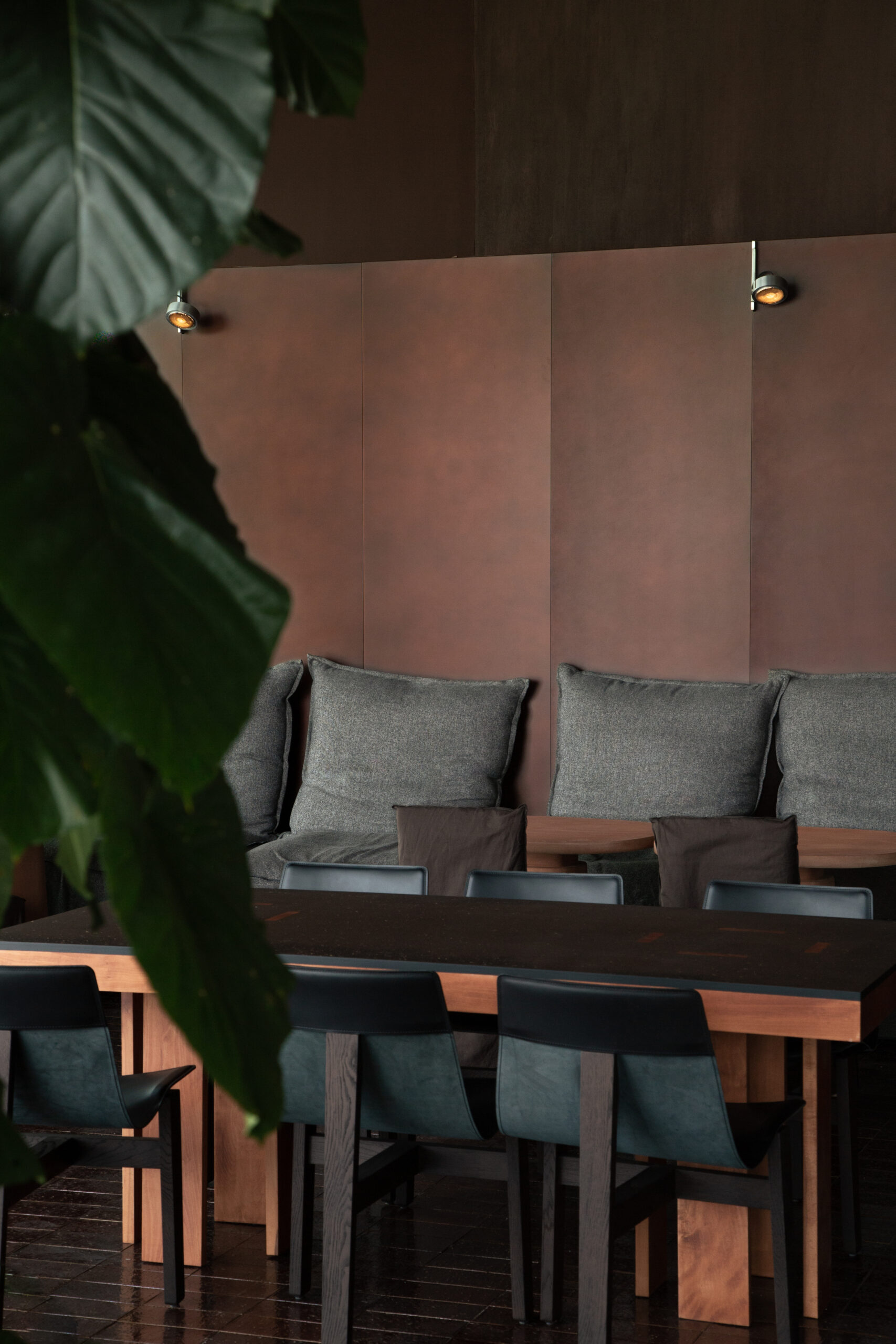
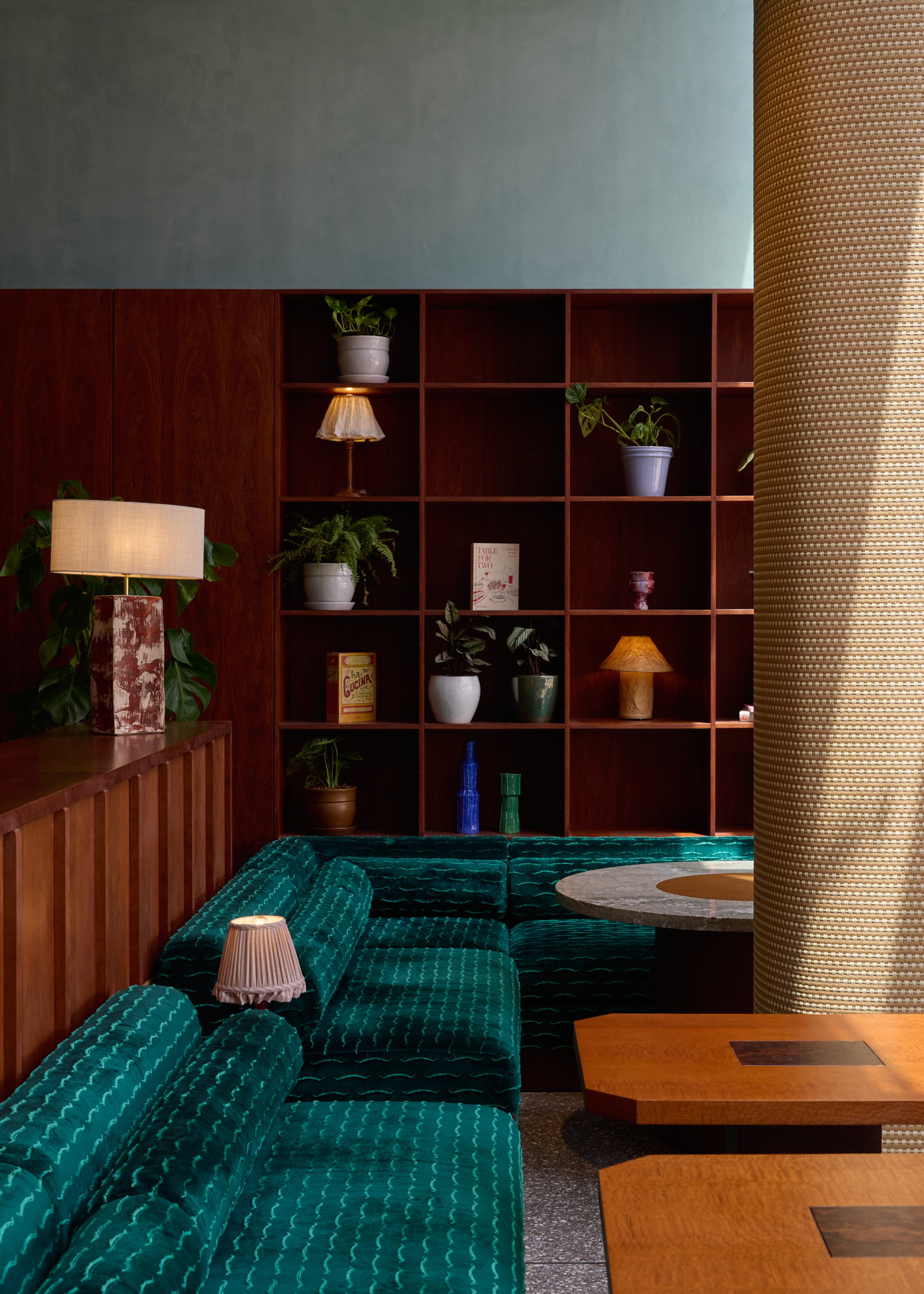
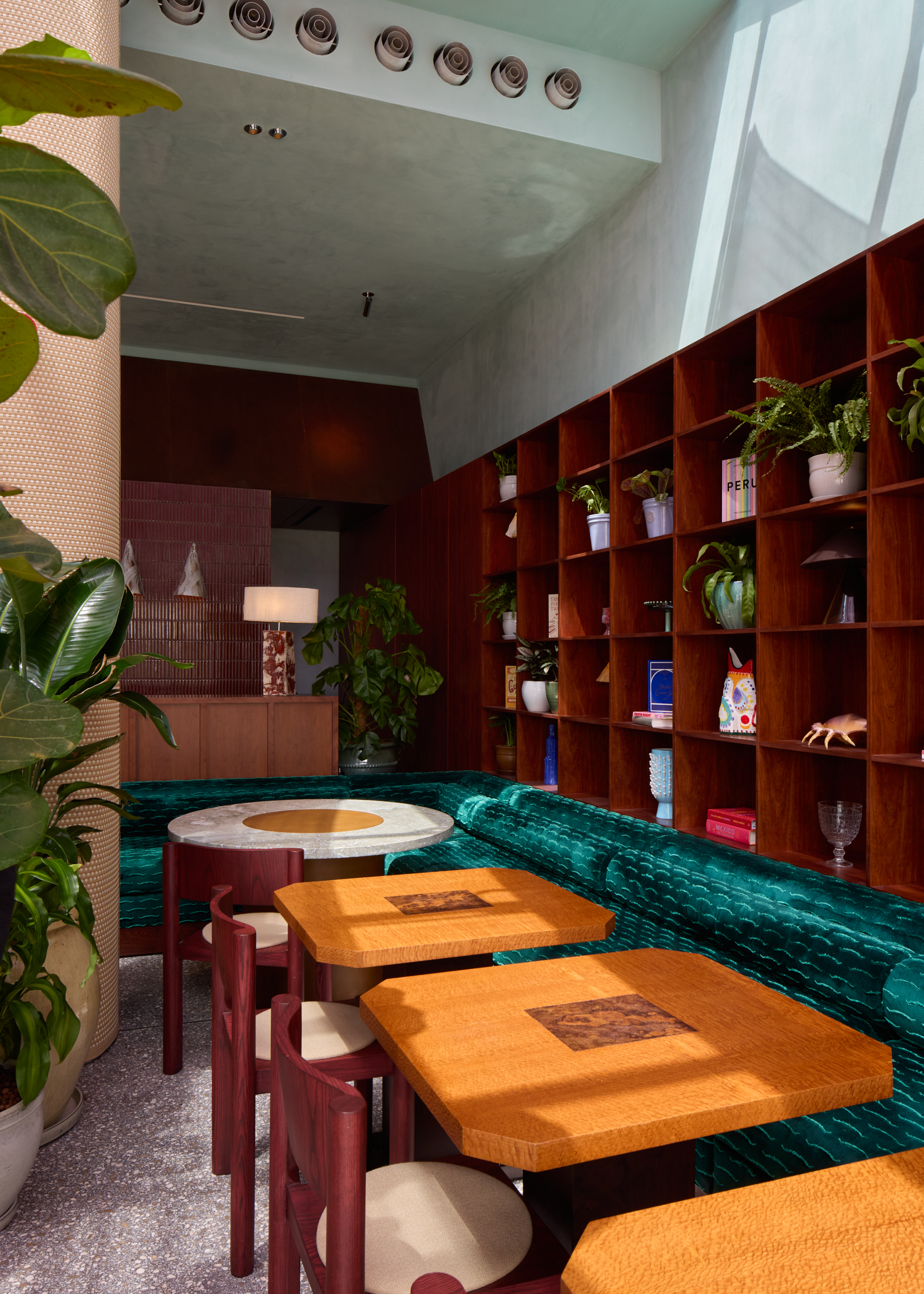
Located in Khawaneej, Dubai, PEOPLE is envisioned as a vibrant dining destination where color, materiality, and greenery come together to create an atmosphere that is both theatrical and intimate. The ambition was to craft a space that feels alive—an environment where bold gestures coexist with softness, and where gathering and community take center stage.

The layout draws inspiration from the tradition of the open majlis. At its heart sits a large sunken U-shaped seating arrangement, conceived as an anchor for sharing and dialogue. Oriented toward expansive glazing, every seat opens onto views of the water body and lush greenery outside, reinforcing the connection between interior and landscape while creating a shared outlook.

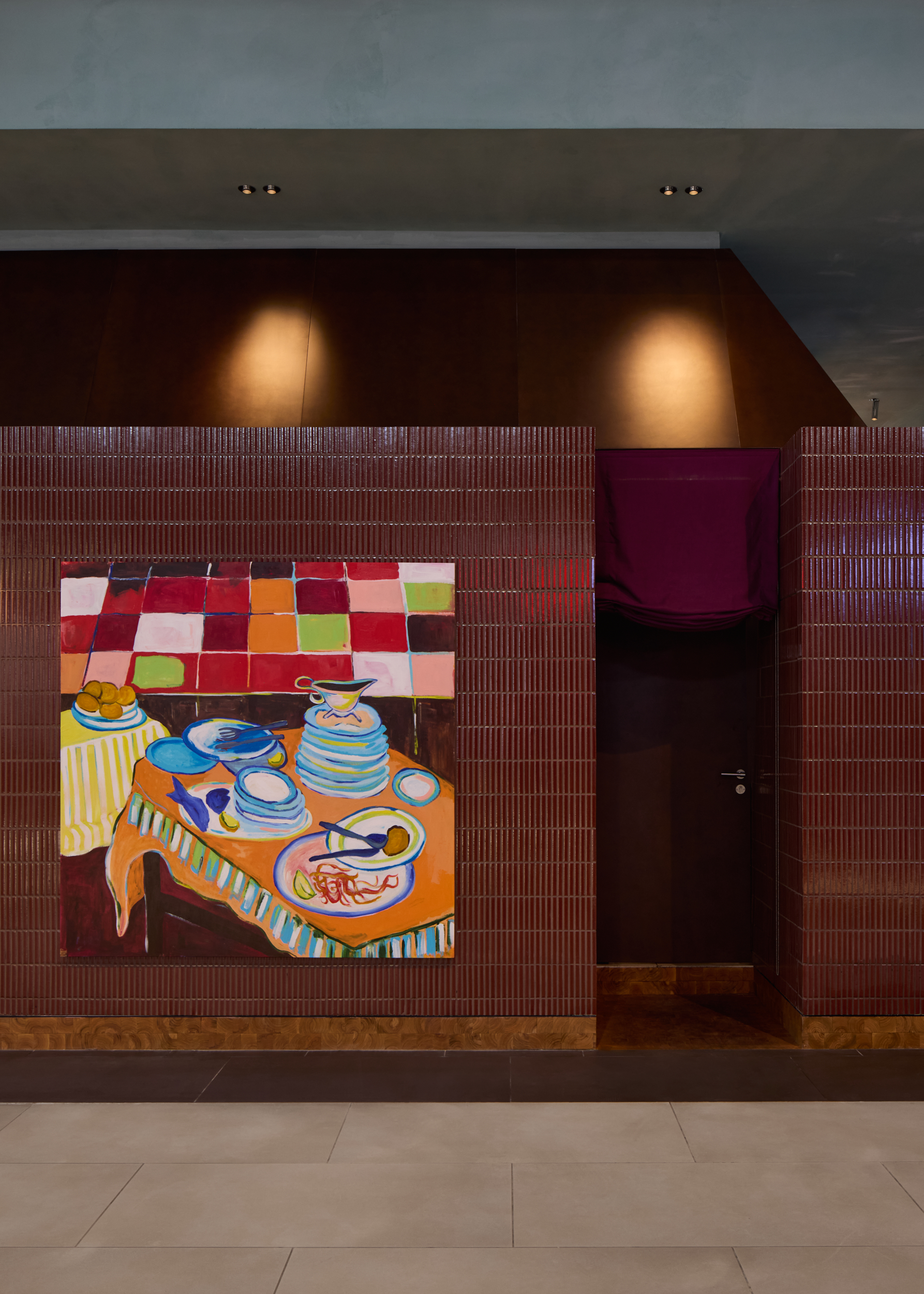
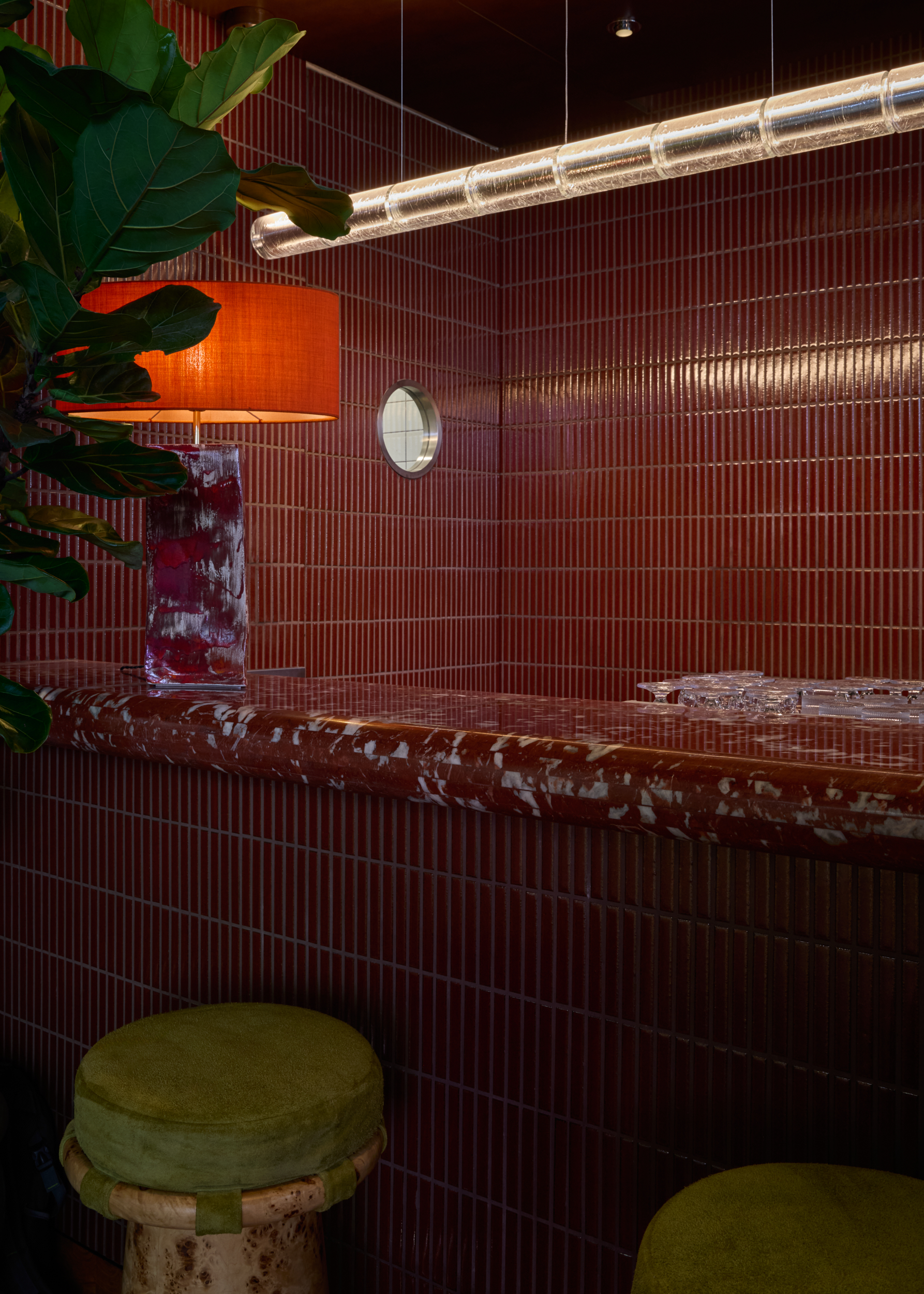
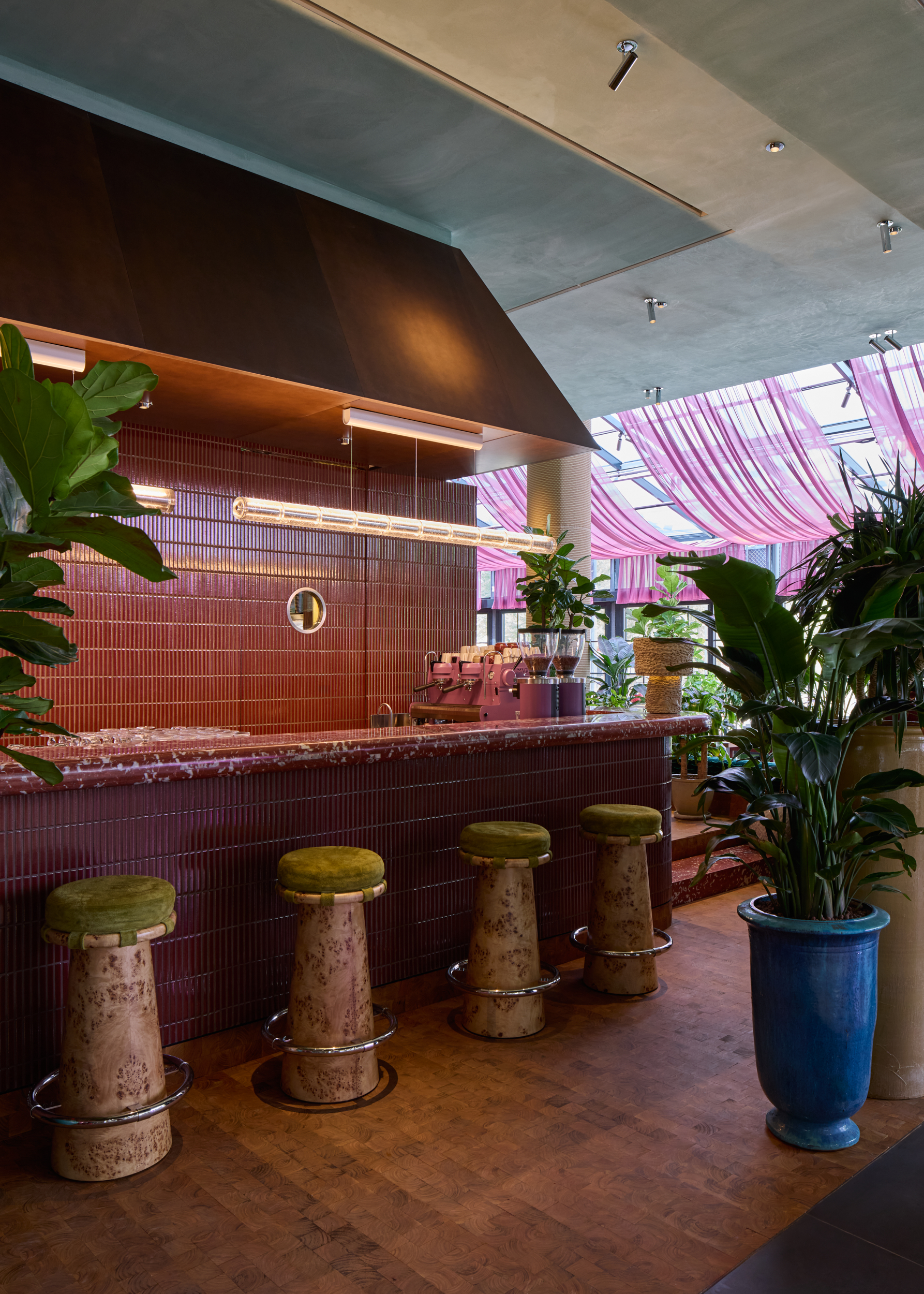
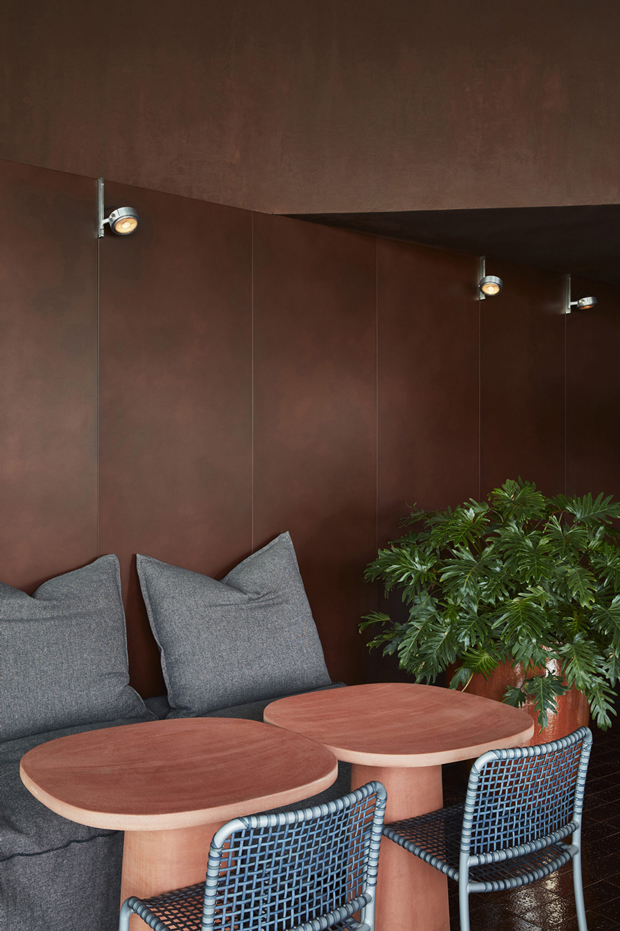
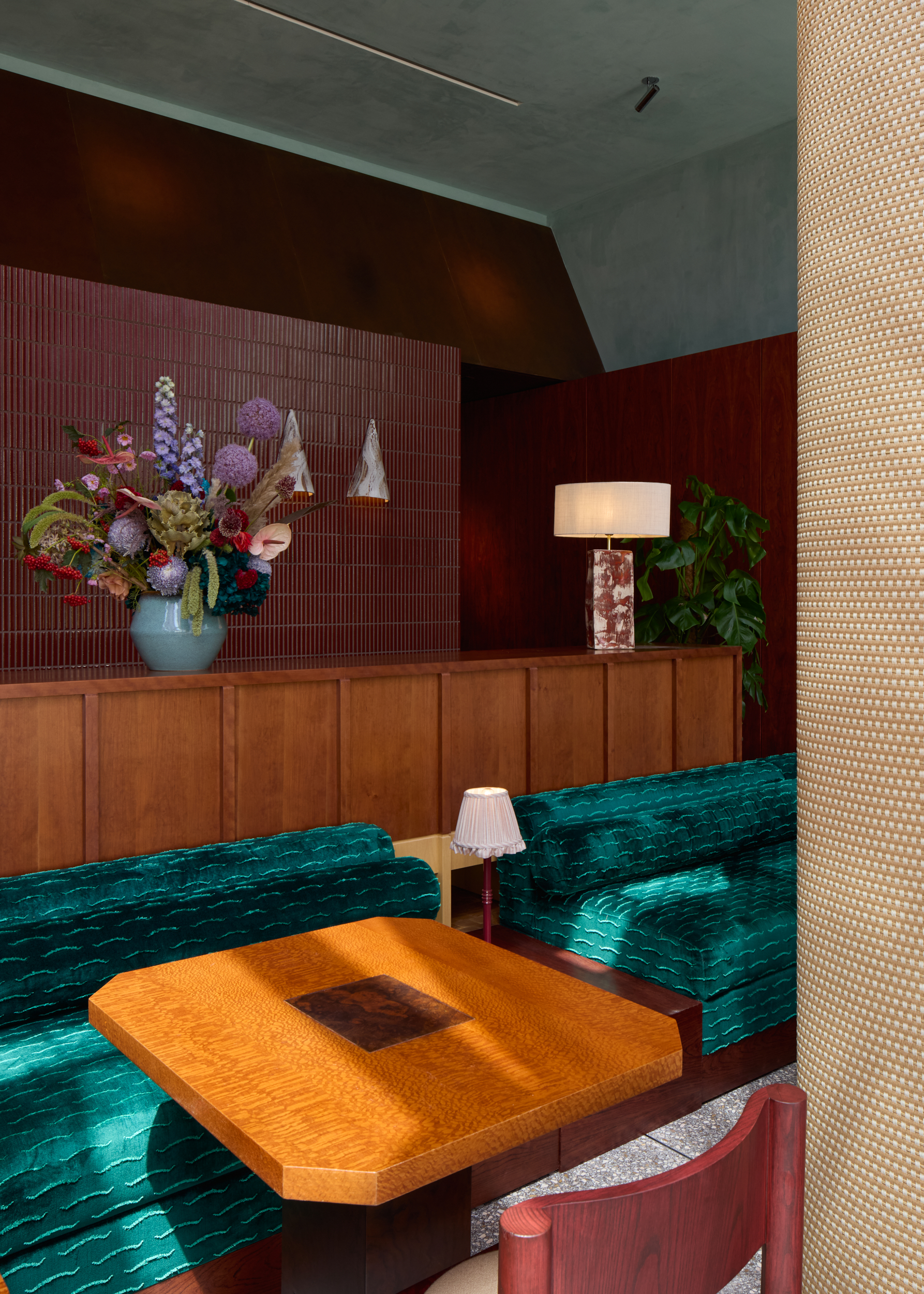
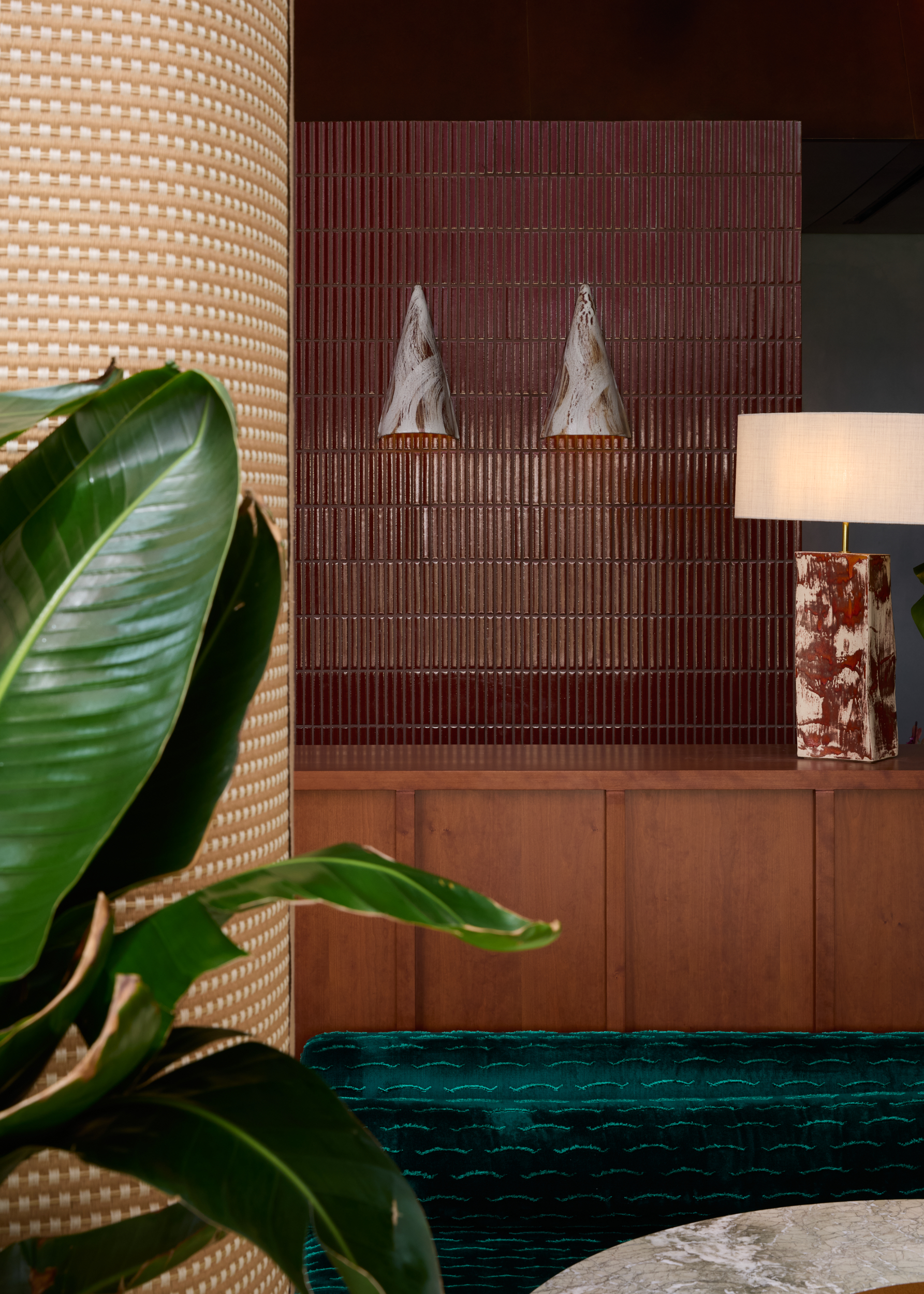
Materiality plays a central role in defining PEOPLE’s identity. Deep burgundy tiles wrap the kitchen and bar in a tactile skin, paired with richly veined red marble that grounds the volume with warmth and depth. Polished terrazzo flooring reflects daylight as it floods the space, while woven wall textiles and textured upholstery add tactility and variation. Custom-designed tables anchor the dining floor: patterned timber and stone, paired with sculptural seating in crimson-stained wood, woven rattan, and deep teal velvet banquettes that trace the perimeter and frame communal areas.

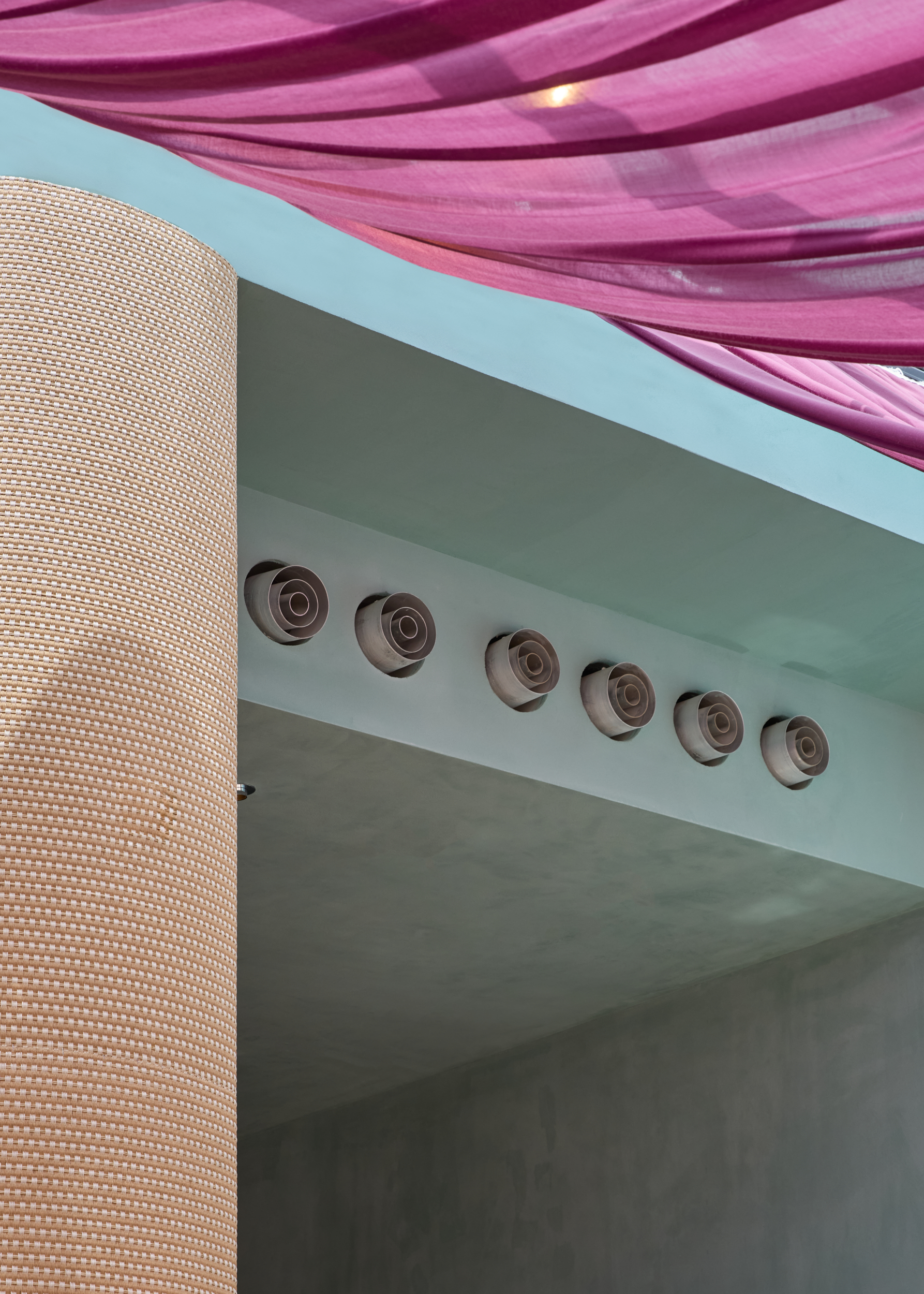
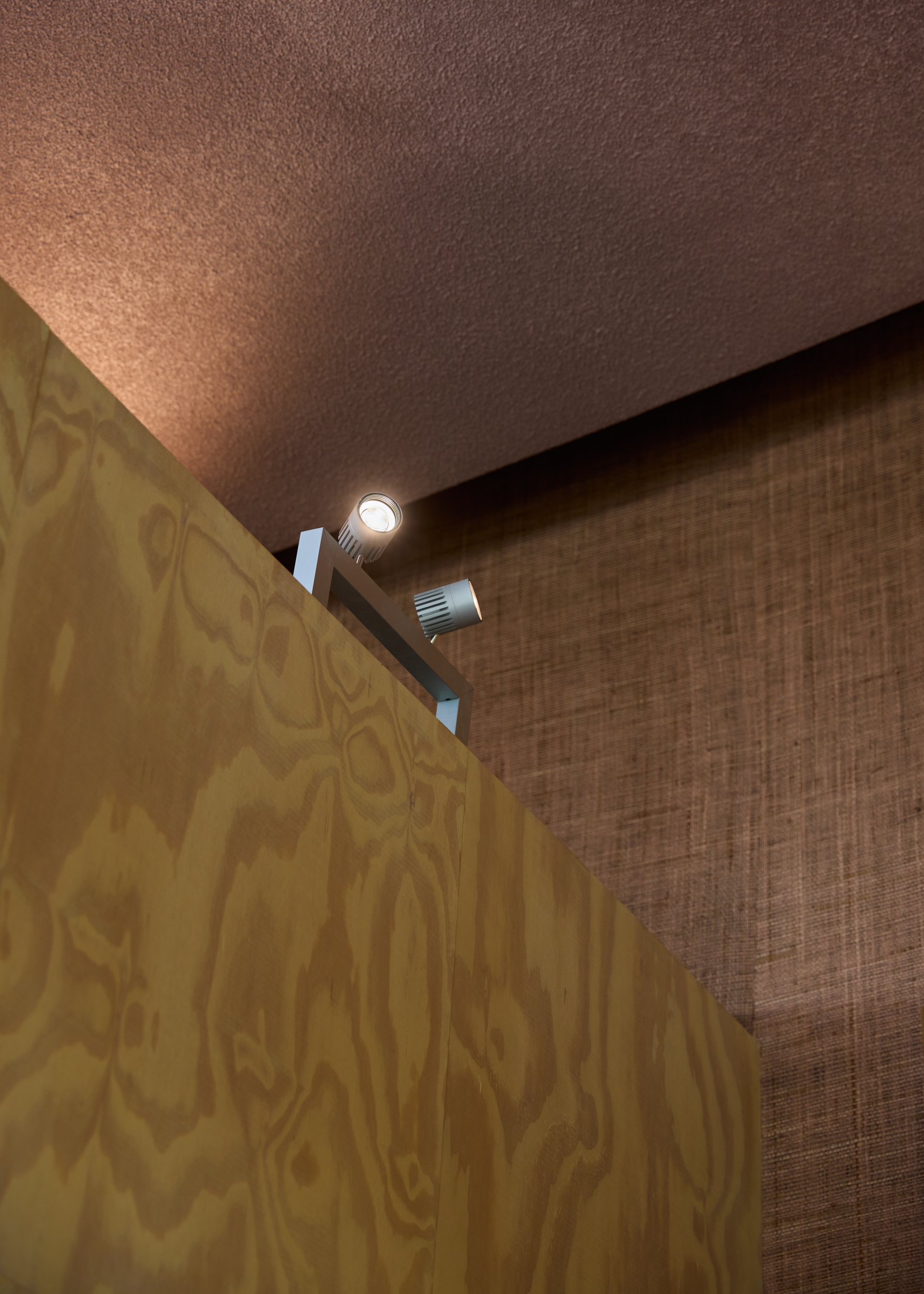
Overhead, flowing purple drapery veils the ceiling, softening daylight and introducing movement that balances the intensity of the palette. Bookshelves and planters line the walls, adding familiarity to the dining experience and blurring the boundary between restaurant and a living space. Lighting is integrated as an extension of the architecture: linear pendants hover above the bar, while table lamps and wall sconces cast a gentle glow, accentuating surfaces, colors, and textures.

Lush greenery spreads throughout the space, woven between tables and architectural elements, softening edges and enhancing the sense of presence. The dining space unfolds like a landscape—layered, structured, yet fluid.
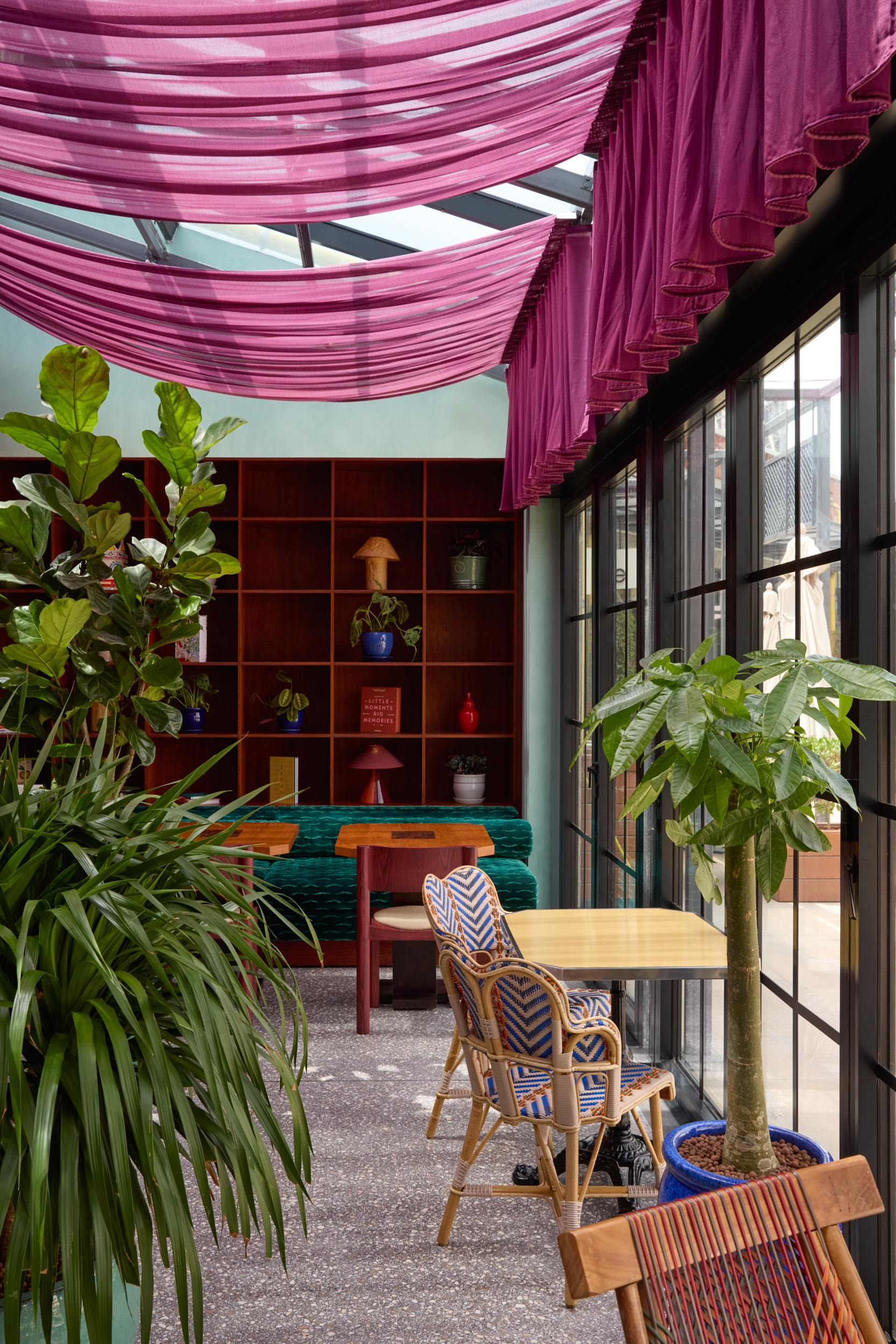
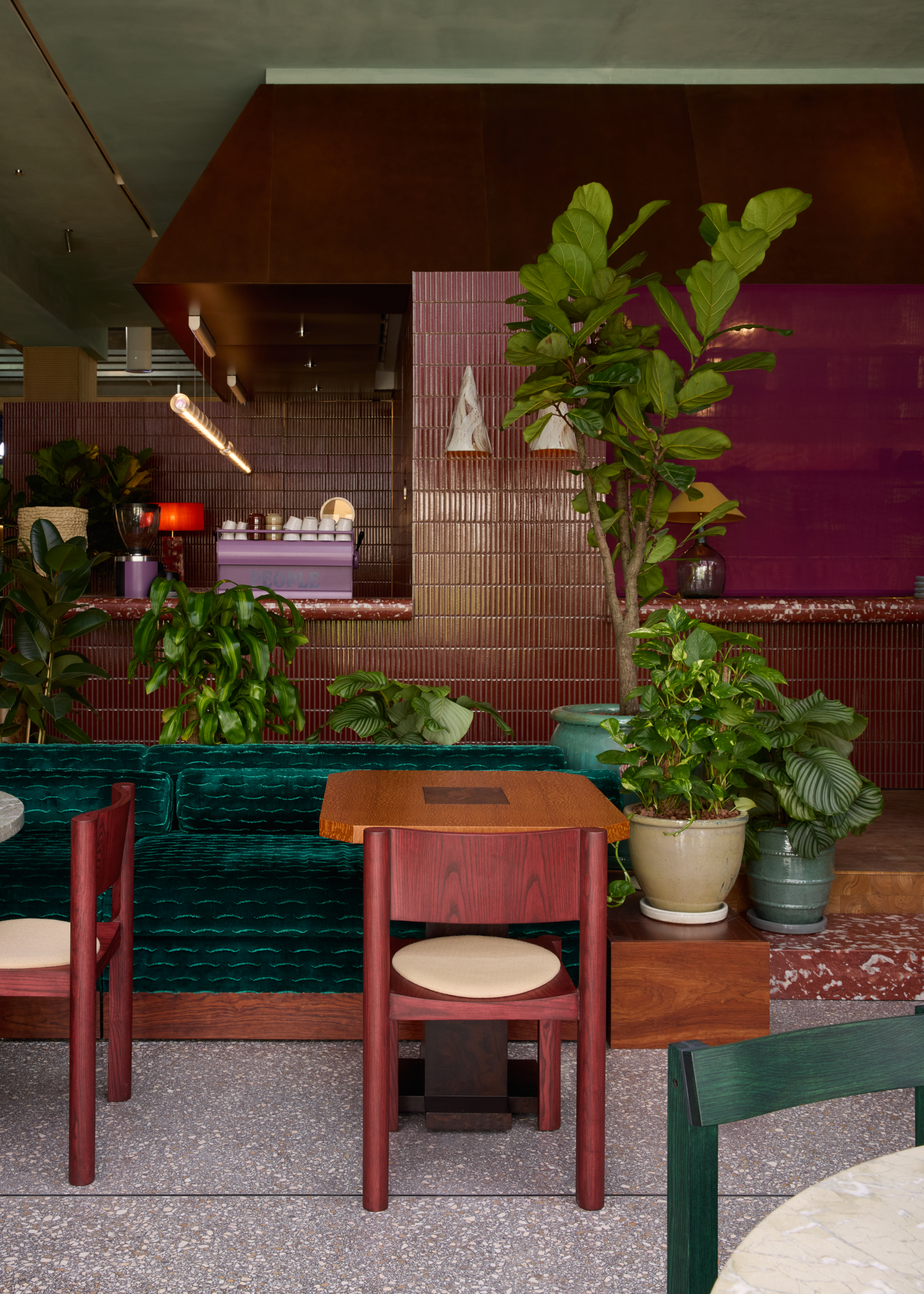
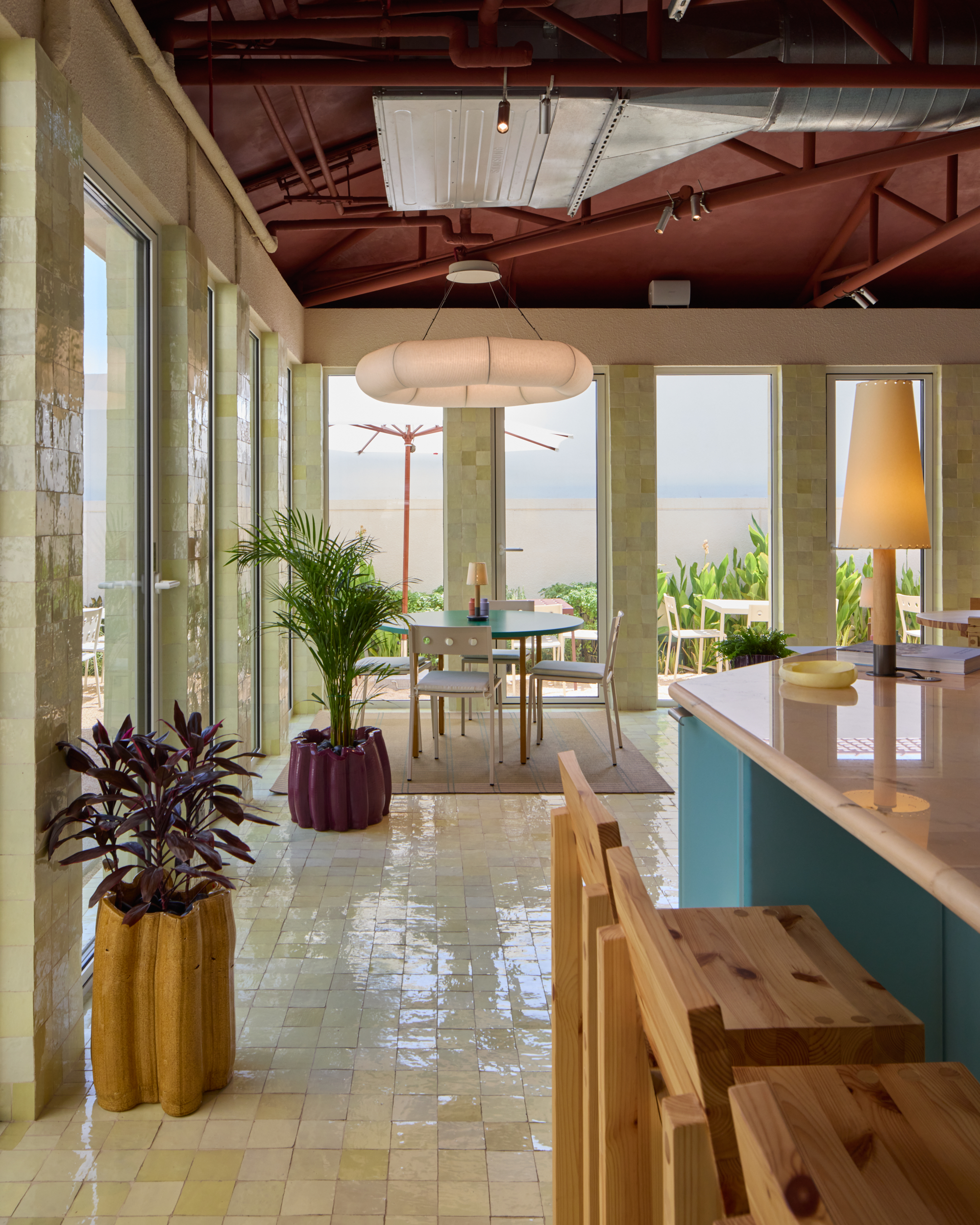
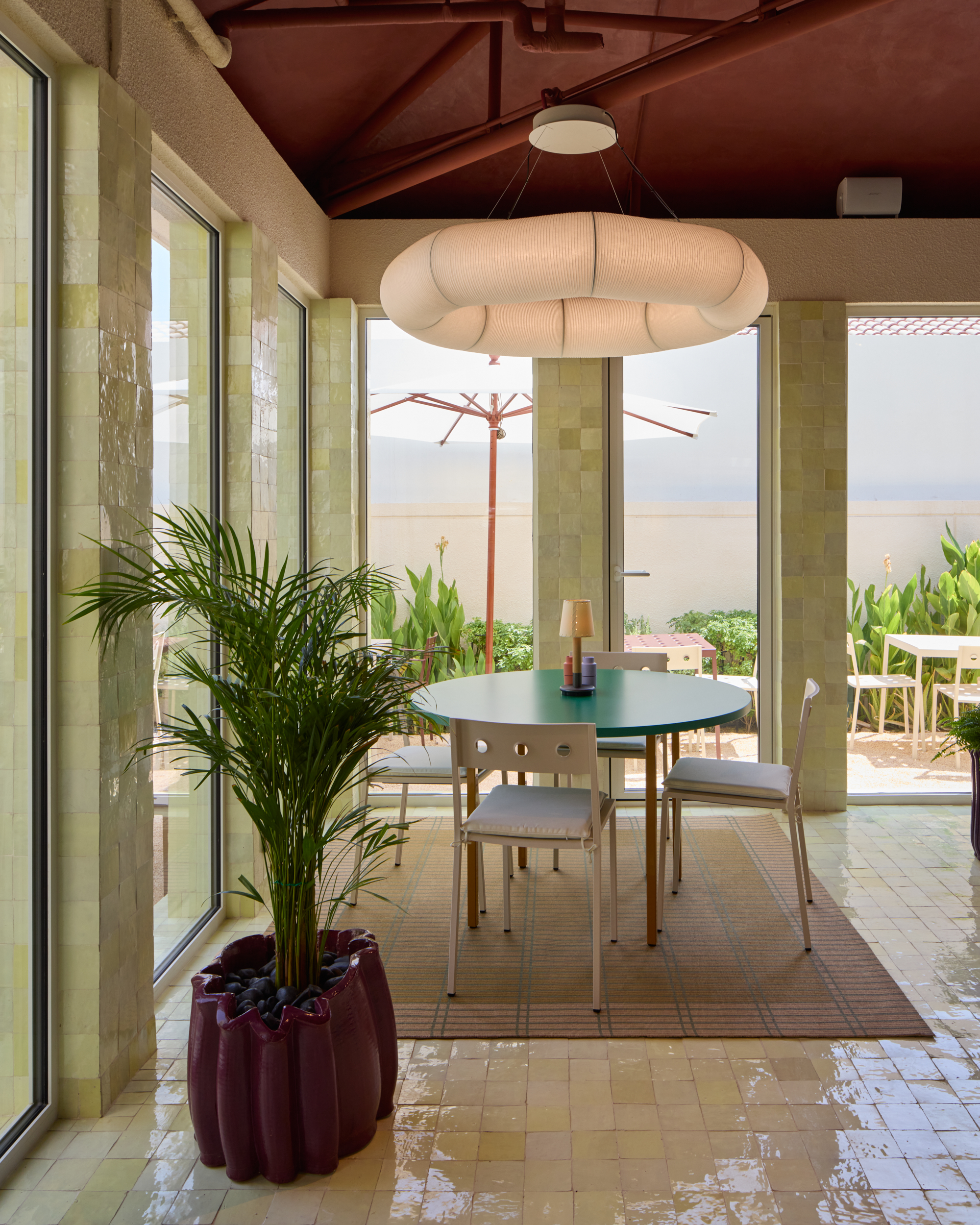
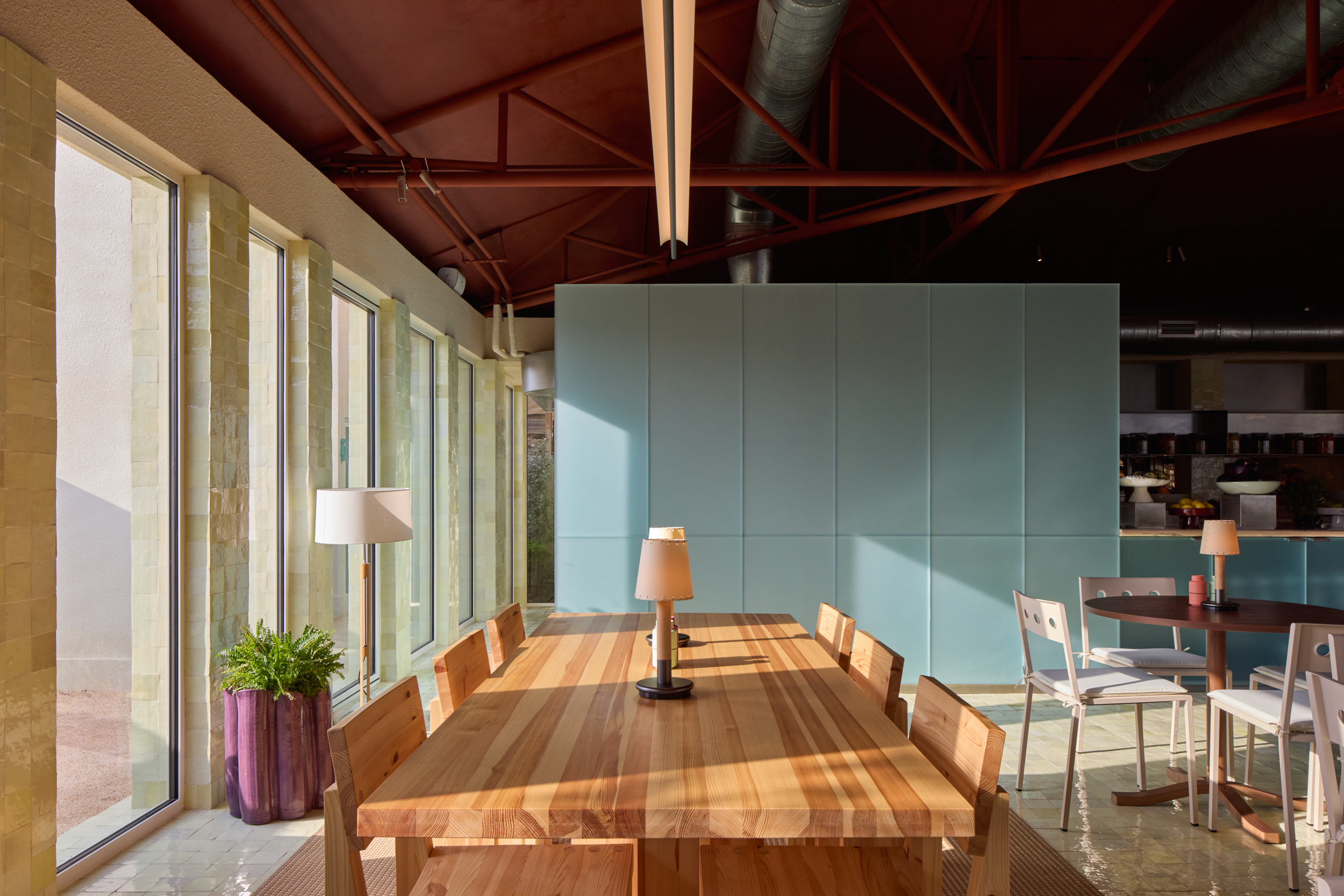
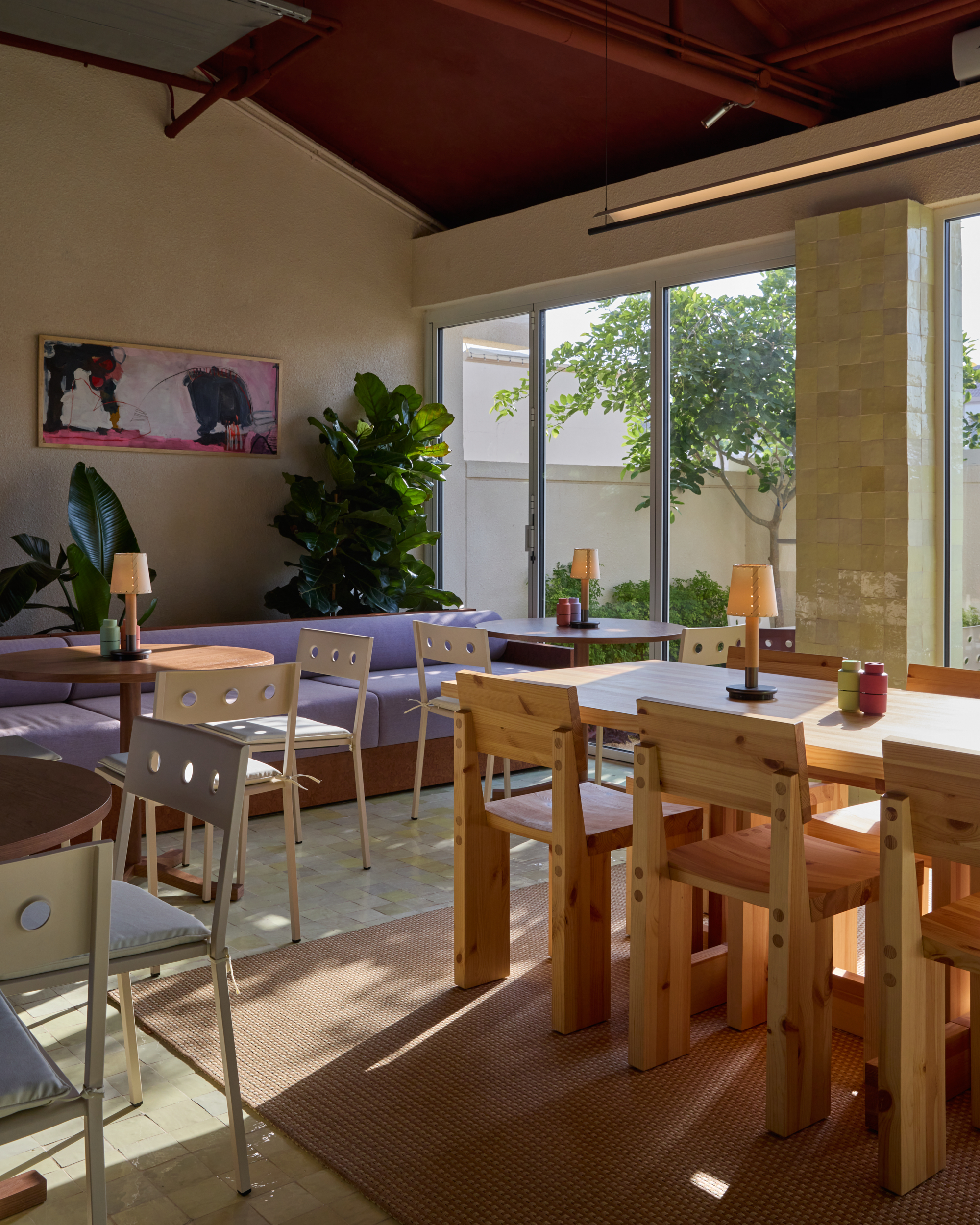
Set within a 1980s Dubai villa, Oppidan unfolds across a 390 sqm plot with a 170 sqm interior that has been reimagined into a warm and familiar dining destination. The project preserves the soul of the original home while transforming it into an environment that celebrates openness, rhythm, and connection.

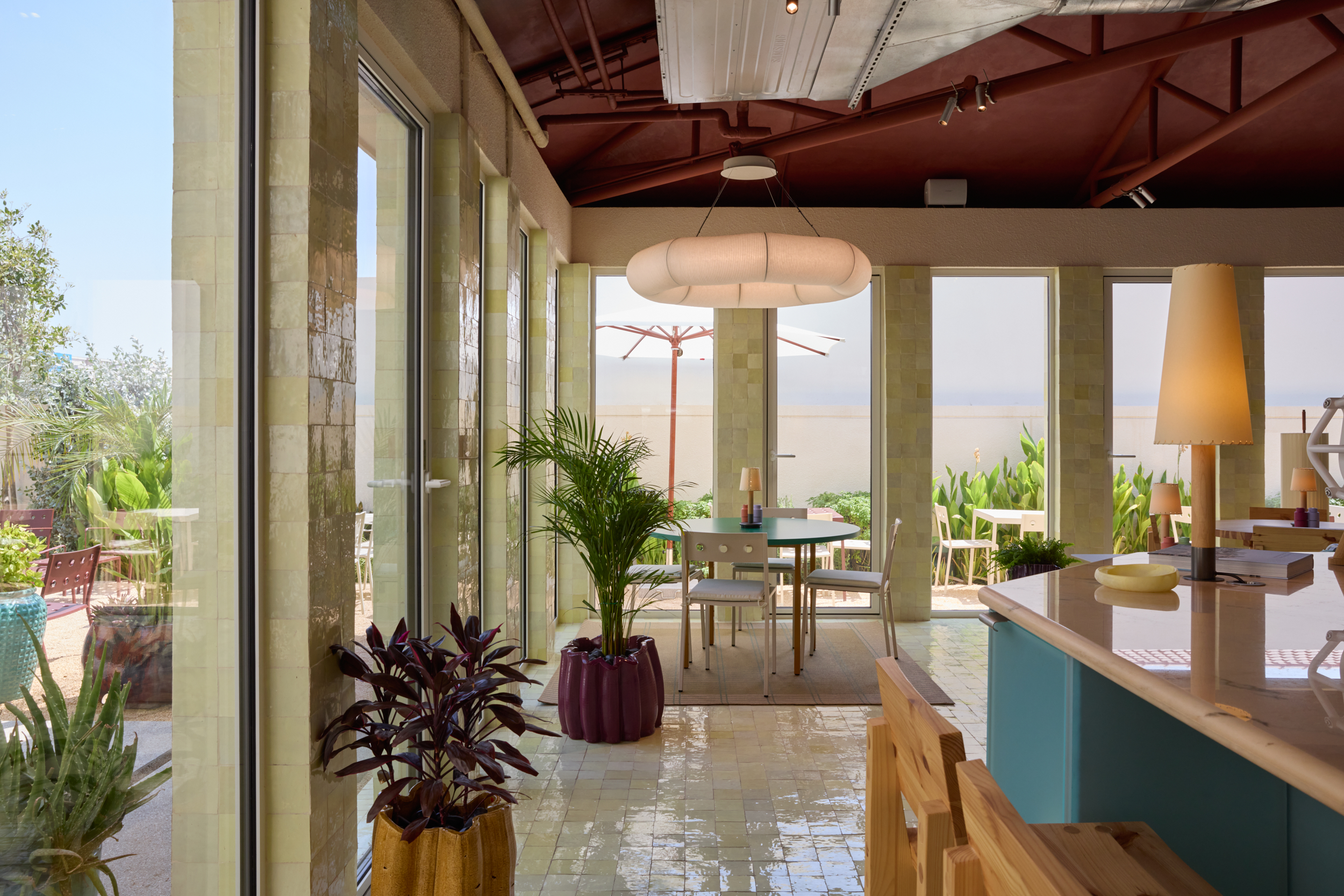
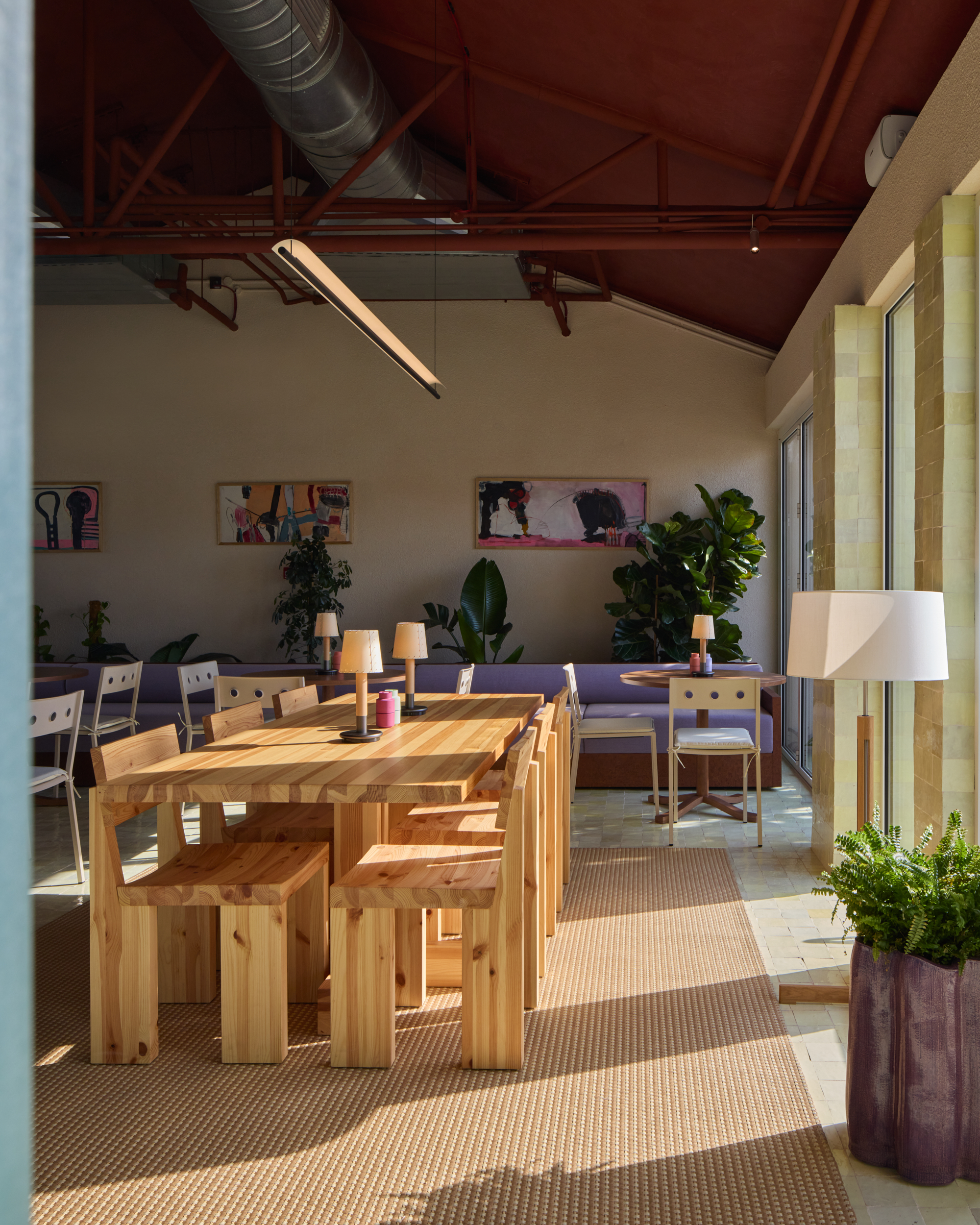
The villa’s roof structure, once concealed, was revealed and celebrated—its rhythmic bones now expressed as a sequence of colonnades that frame views toward the garden and anchor the interior. This architectural gesture became the project’s backbone, defining a sense of place and guiding the spatial narrative.

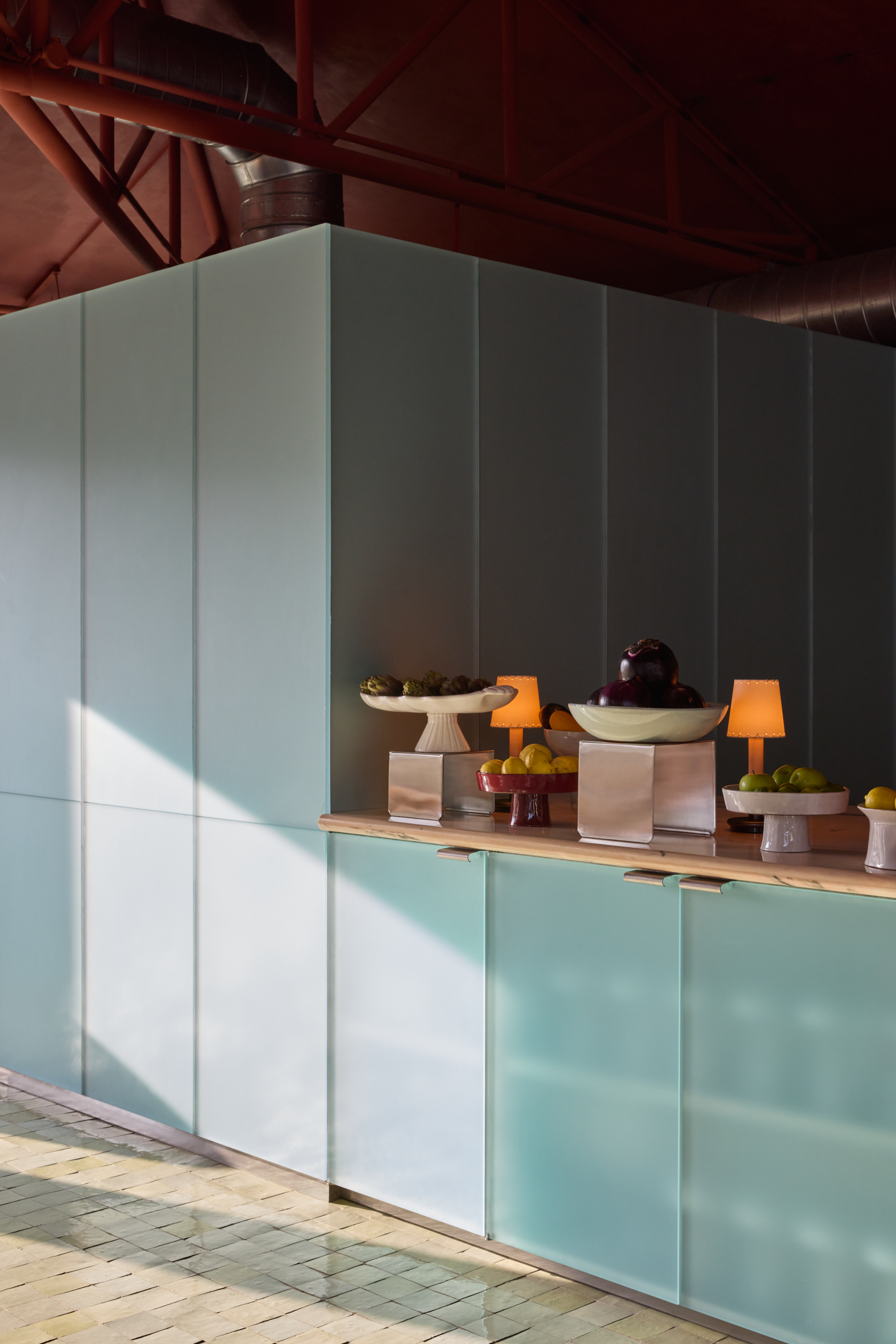
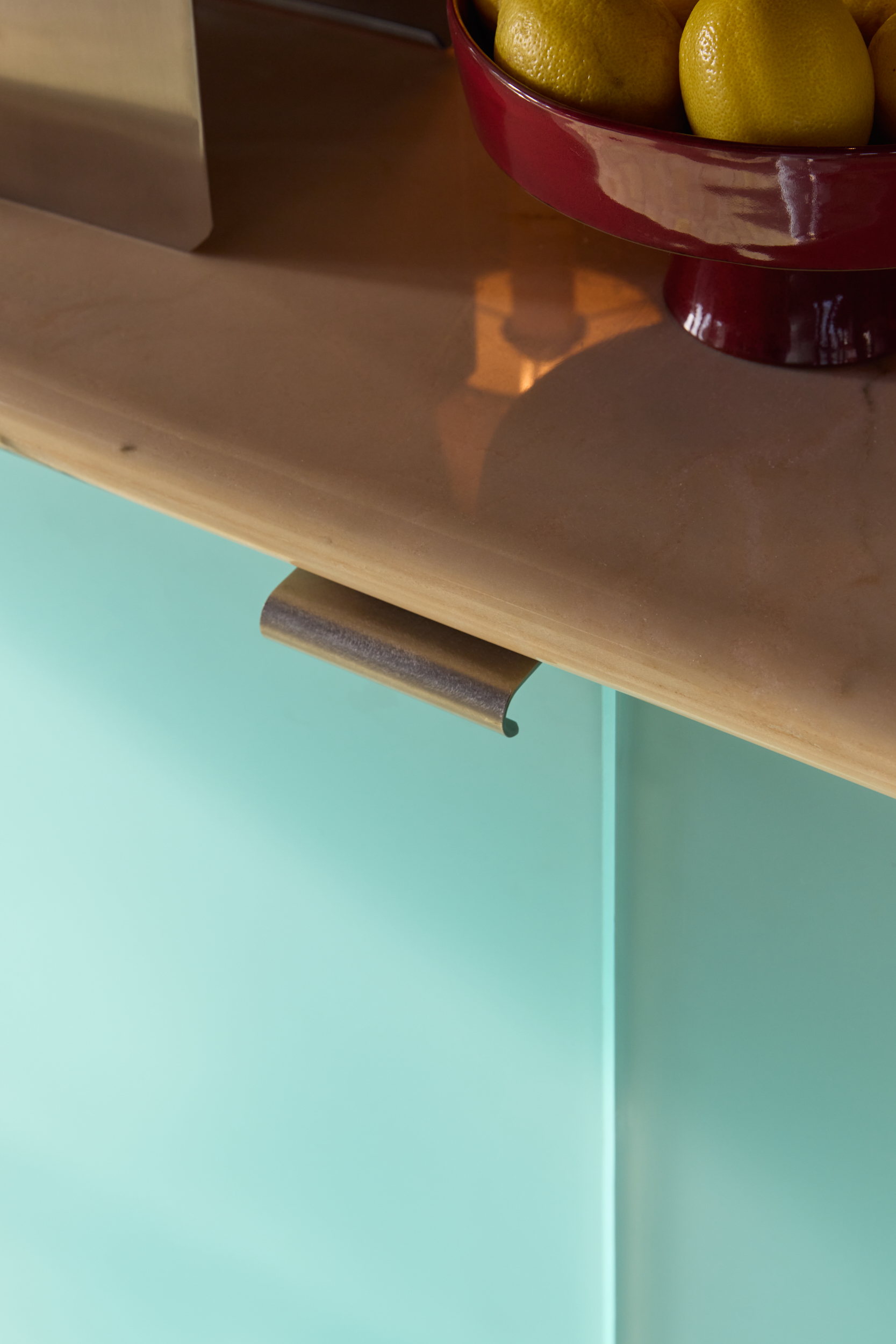
At the heart of Oppidan lies an oversized open kitchen—an intentional nod to the villa’s domestic origins. Positioned as the central hub, it overlooks the dining areas and reinforces a sense of inclusivity. Guests are drawn into the culinary ritual, experiencing the space not as spectators but as participants, blurring the line between home and hospitality.

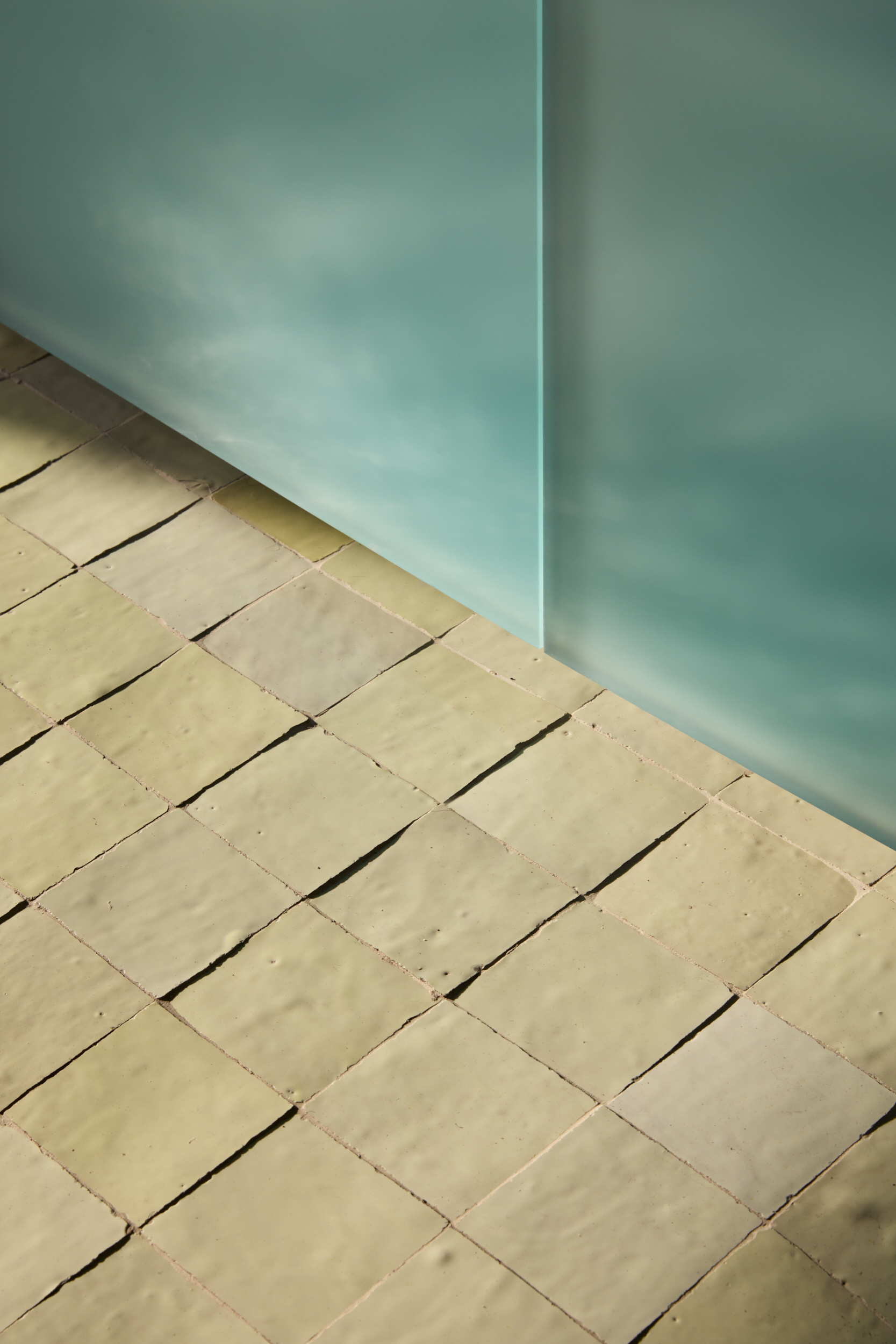
Materiality was approached with restraint, allowing the existing villa and its garden to remain the protagonists. Pale yellow Moroccan Zellige tiles catch the light with subtle shifts, their artisanal imperfections adding tactility and depth. The palette remains quiet and natural, emphasizing light, shadow, and the honest texture of surfaces. By day, generous daylight animates the colonnades and interiors, while by evening, the atmosphere softens into intimacy through carefully calibrated lighting.

Oppidan is a story of architectural honesty—embracing the villa’s authentic character, amplifying its structural rhythm, and layering it with moments of warmth and familiarity. It is a place where material, light, and memory converge to create a setting both grounded in heritage and open to new encounters.

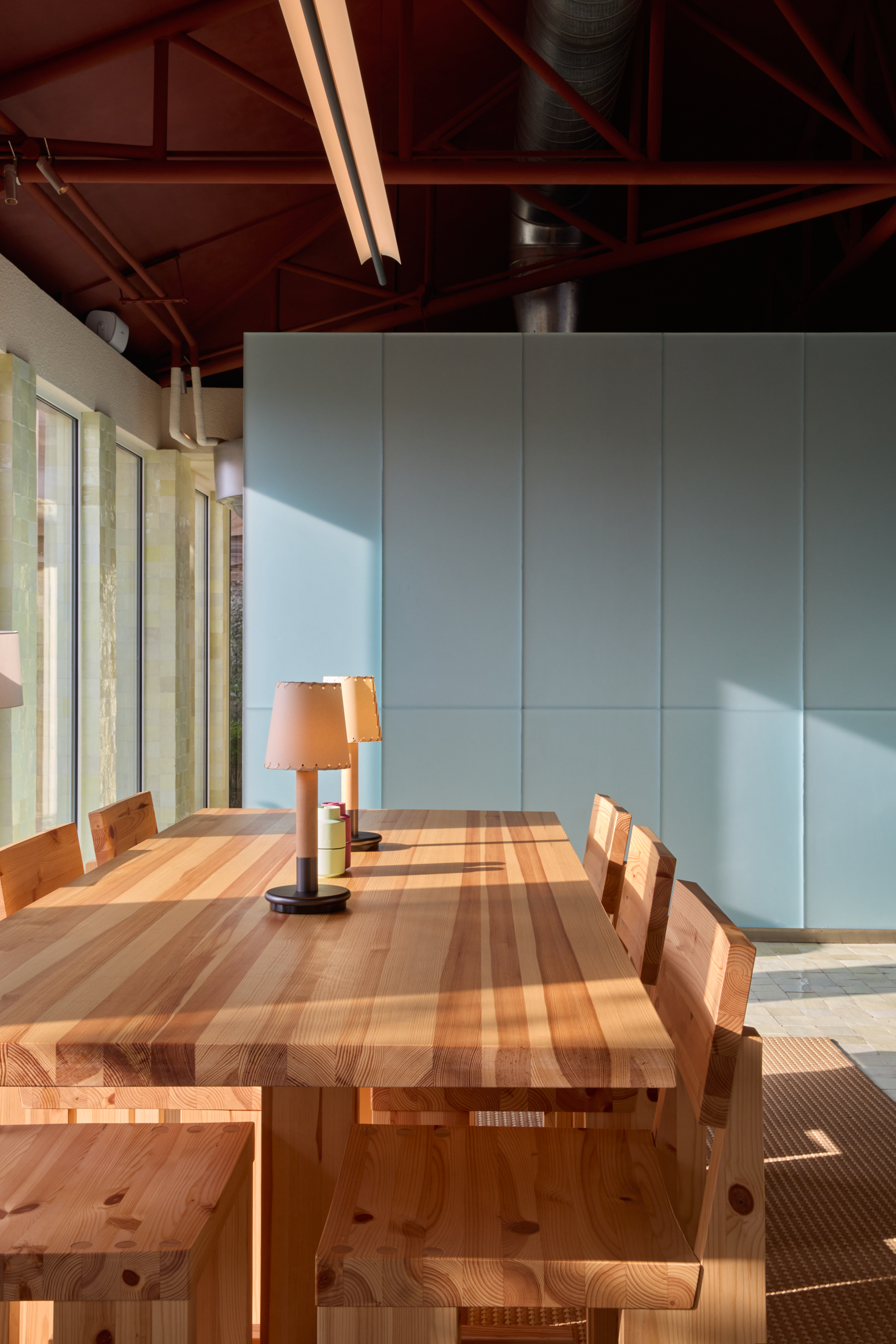
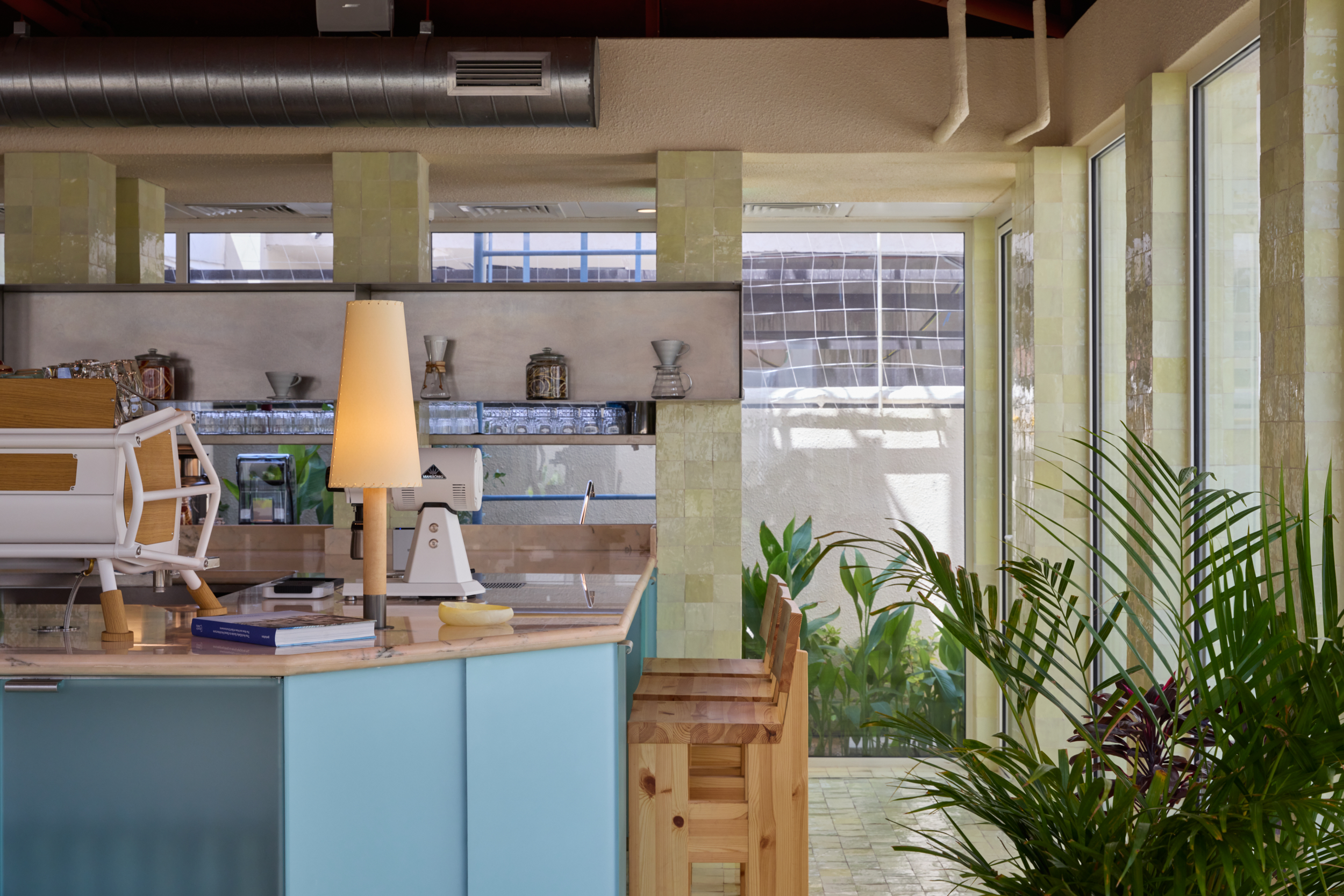
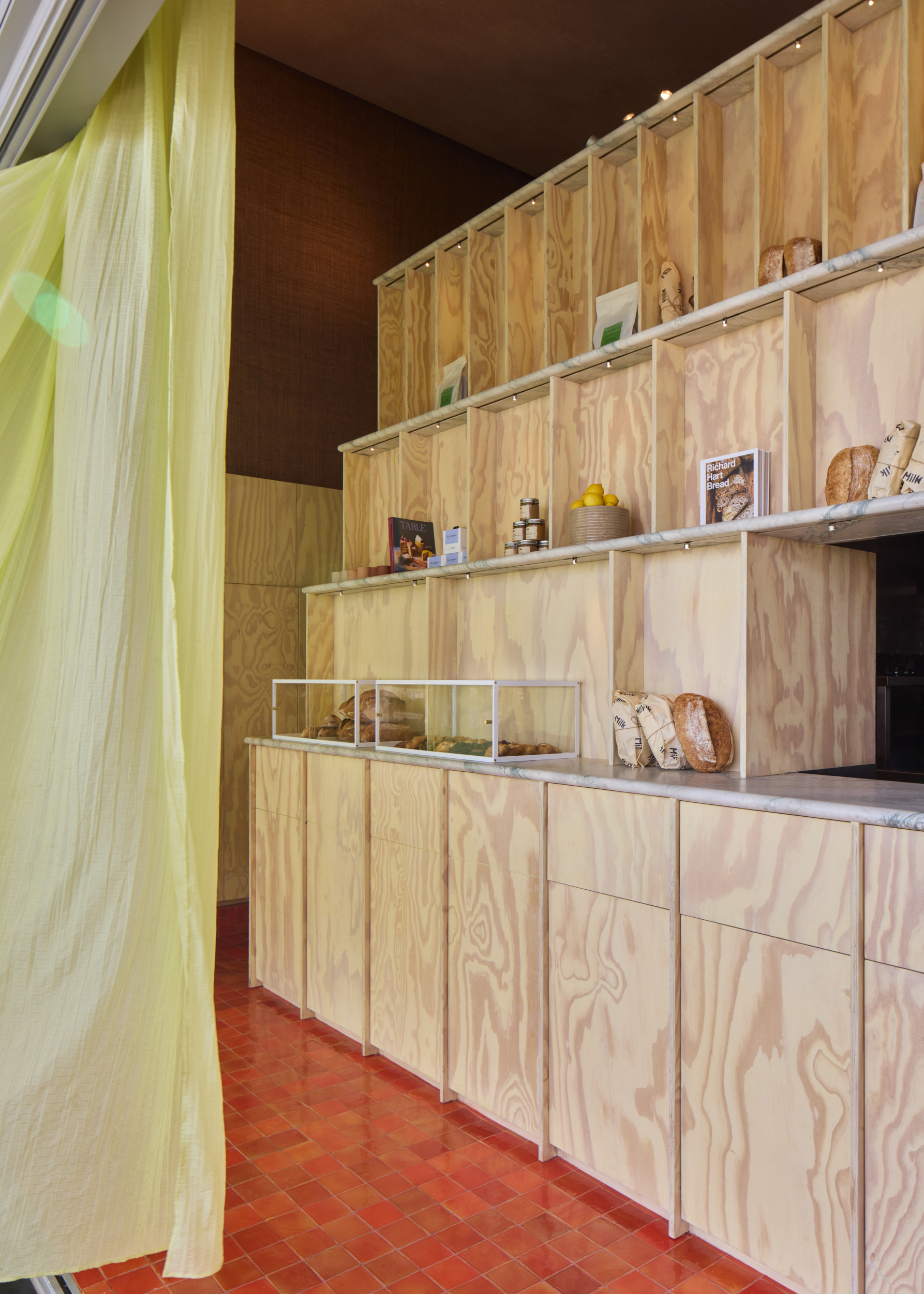
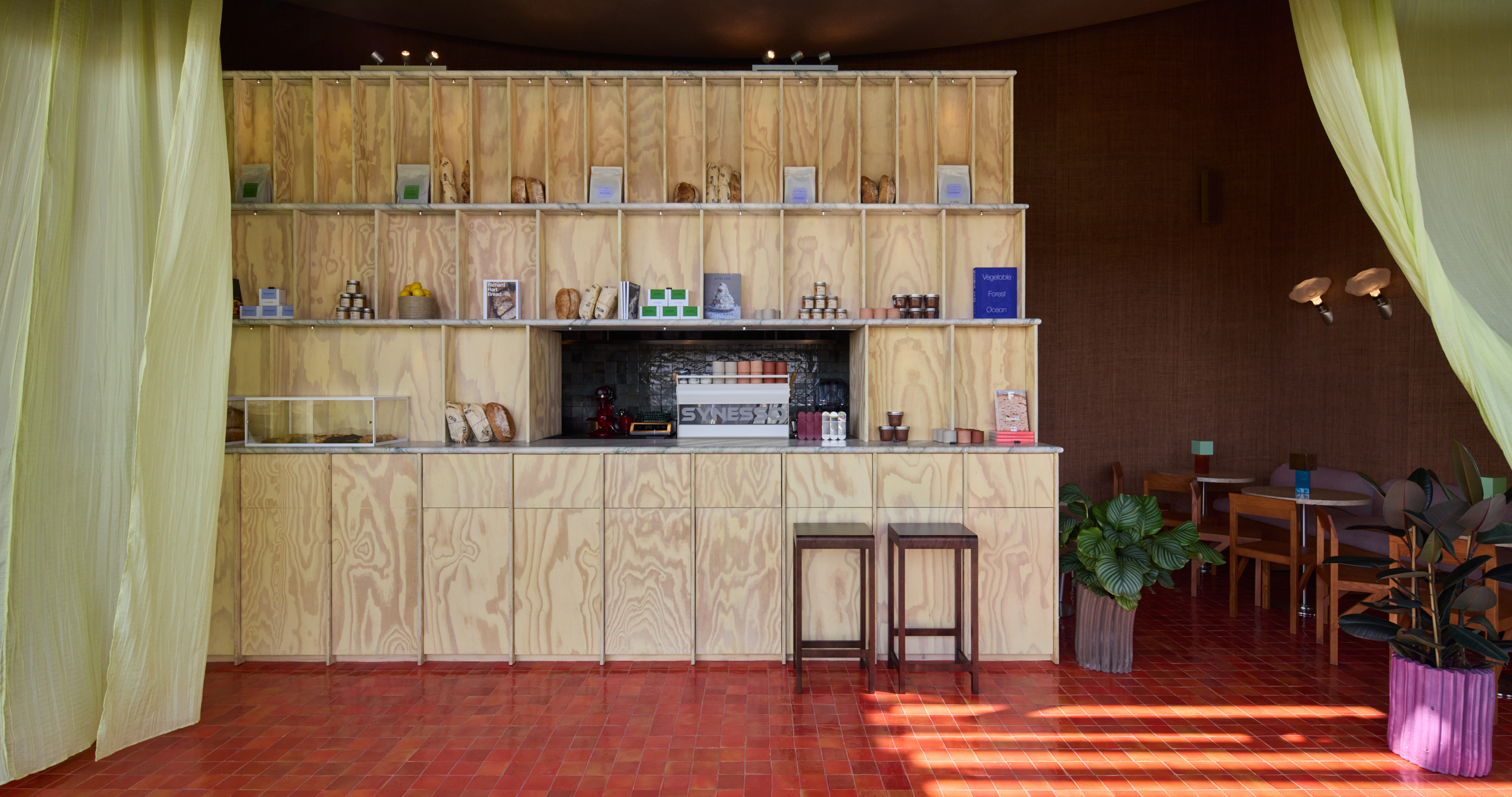
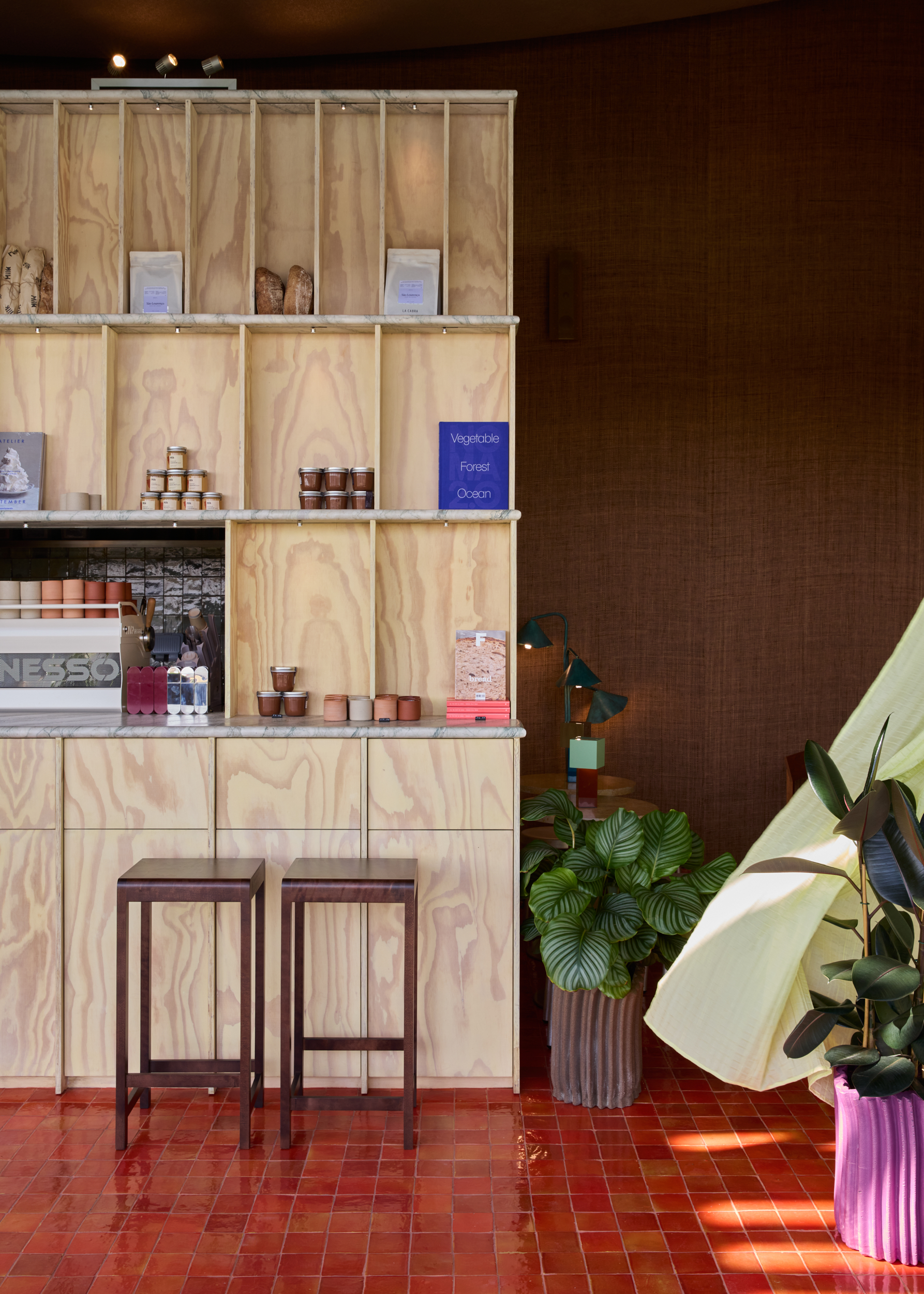
Located in Nad Al Sheba Mall, Dubai, Milk Haus is a small café and bakery designed as a warm, tactile retreat. The space is conceived around simplicity and rhythm, turning daily rituals of coffee and bread into moments of pause.

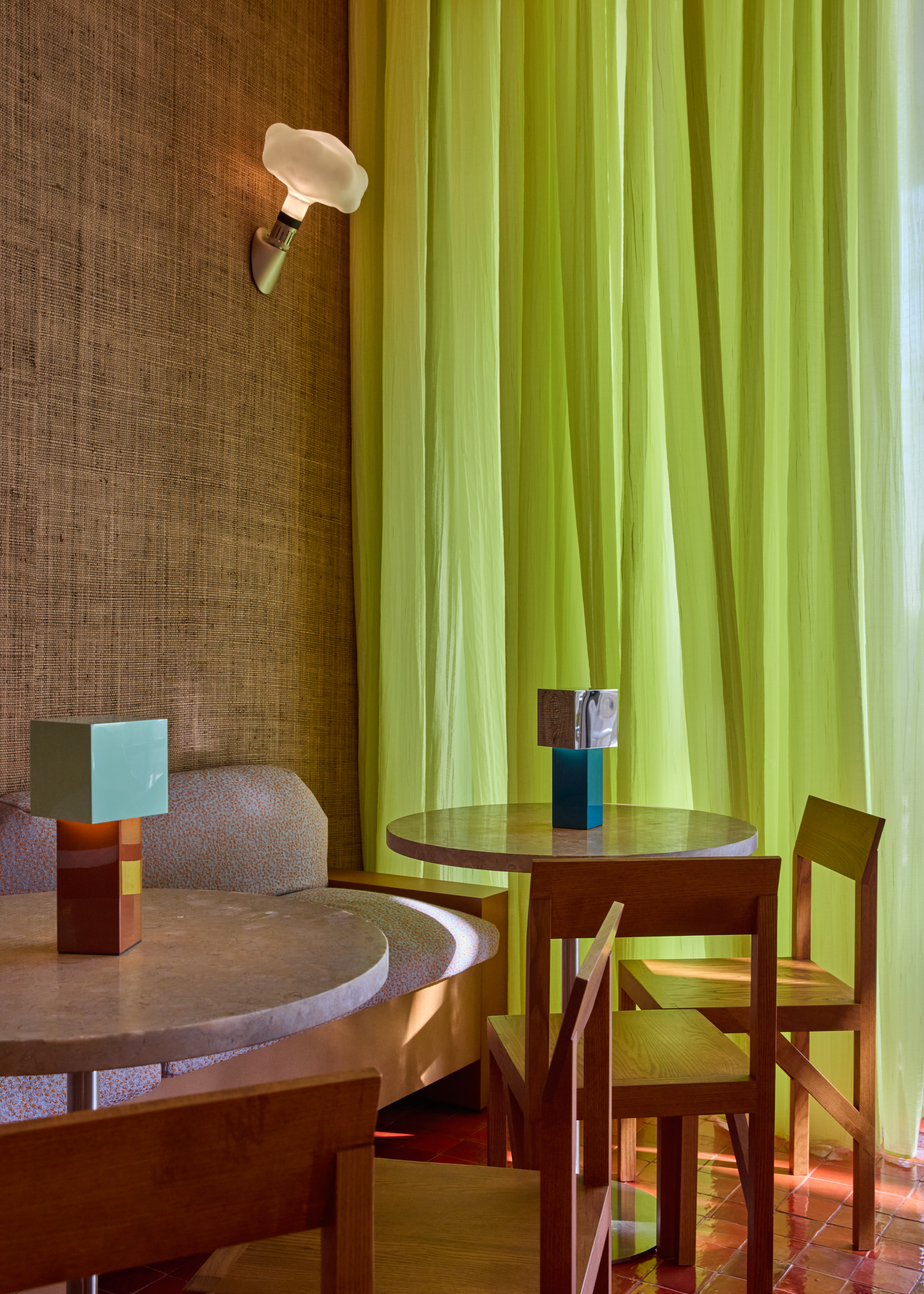
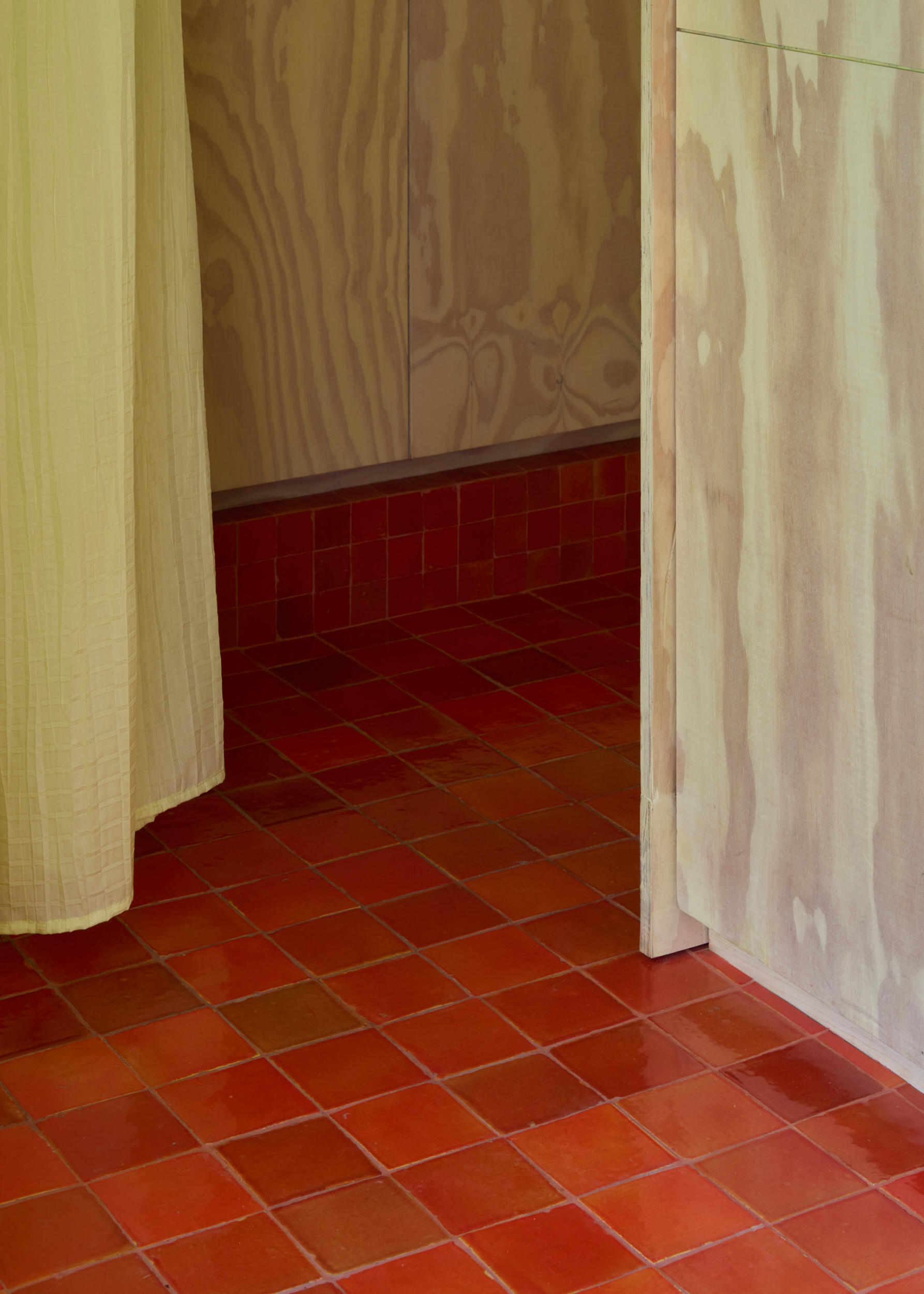
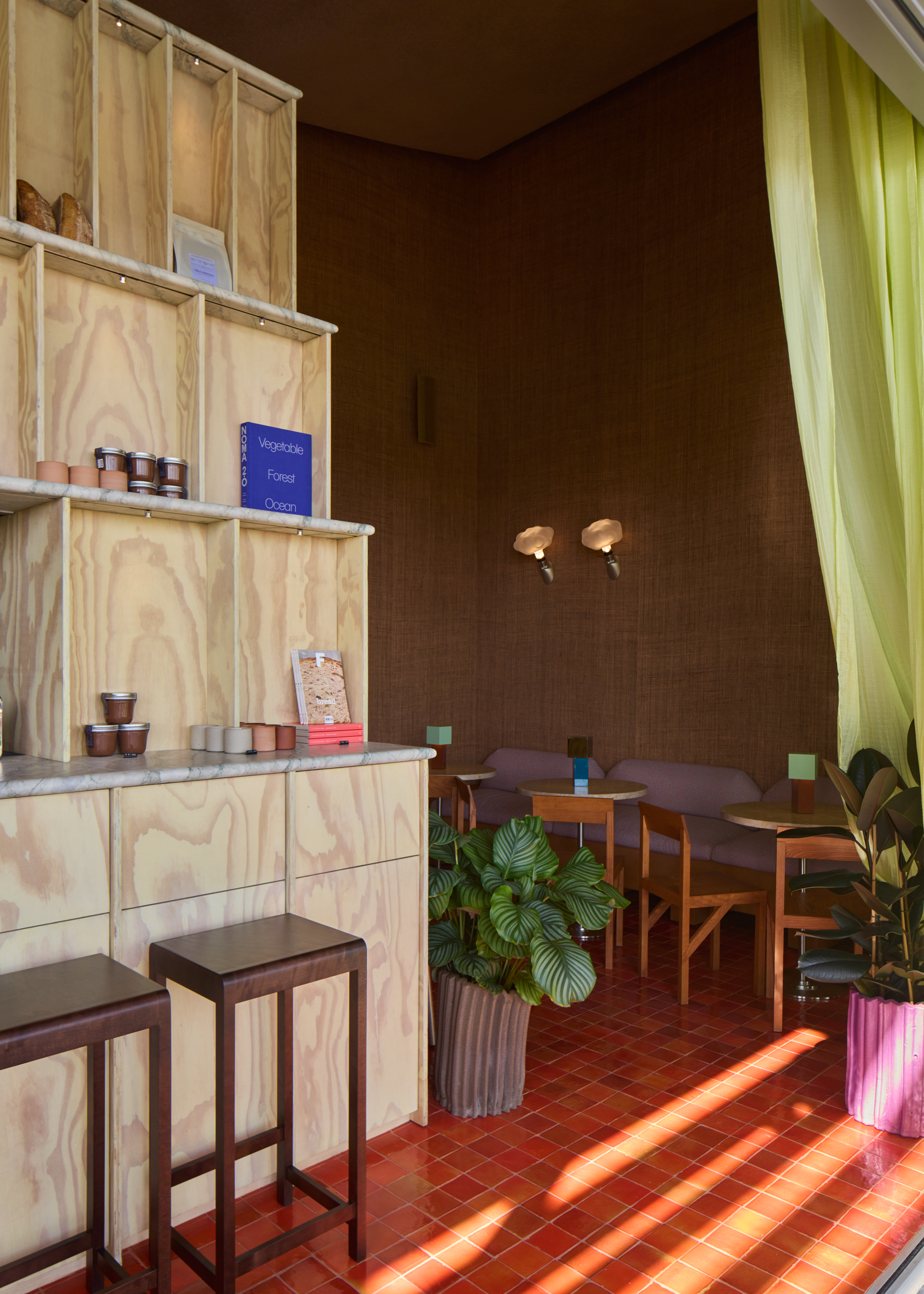
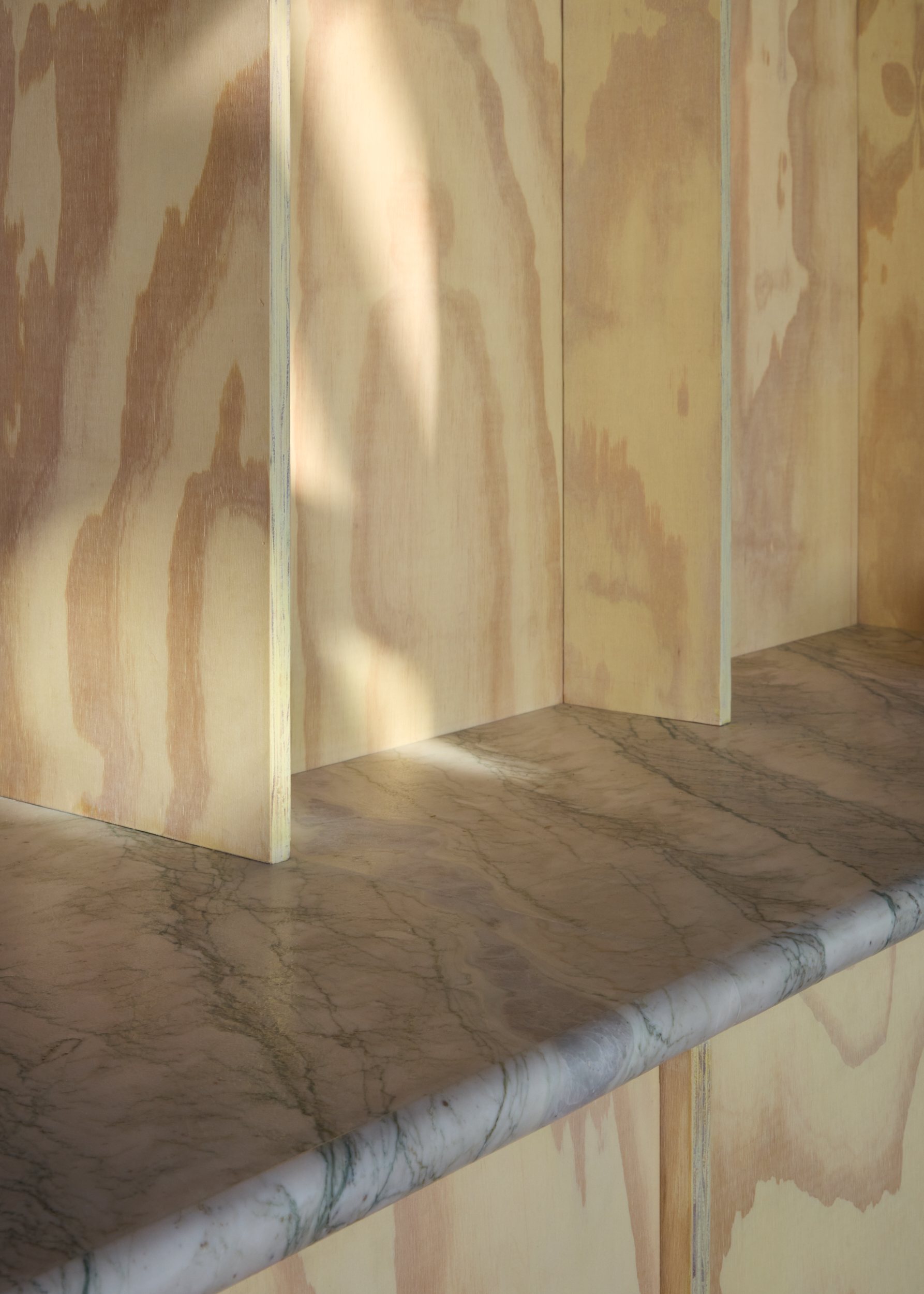
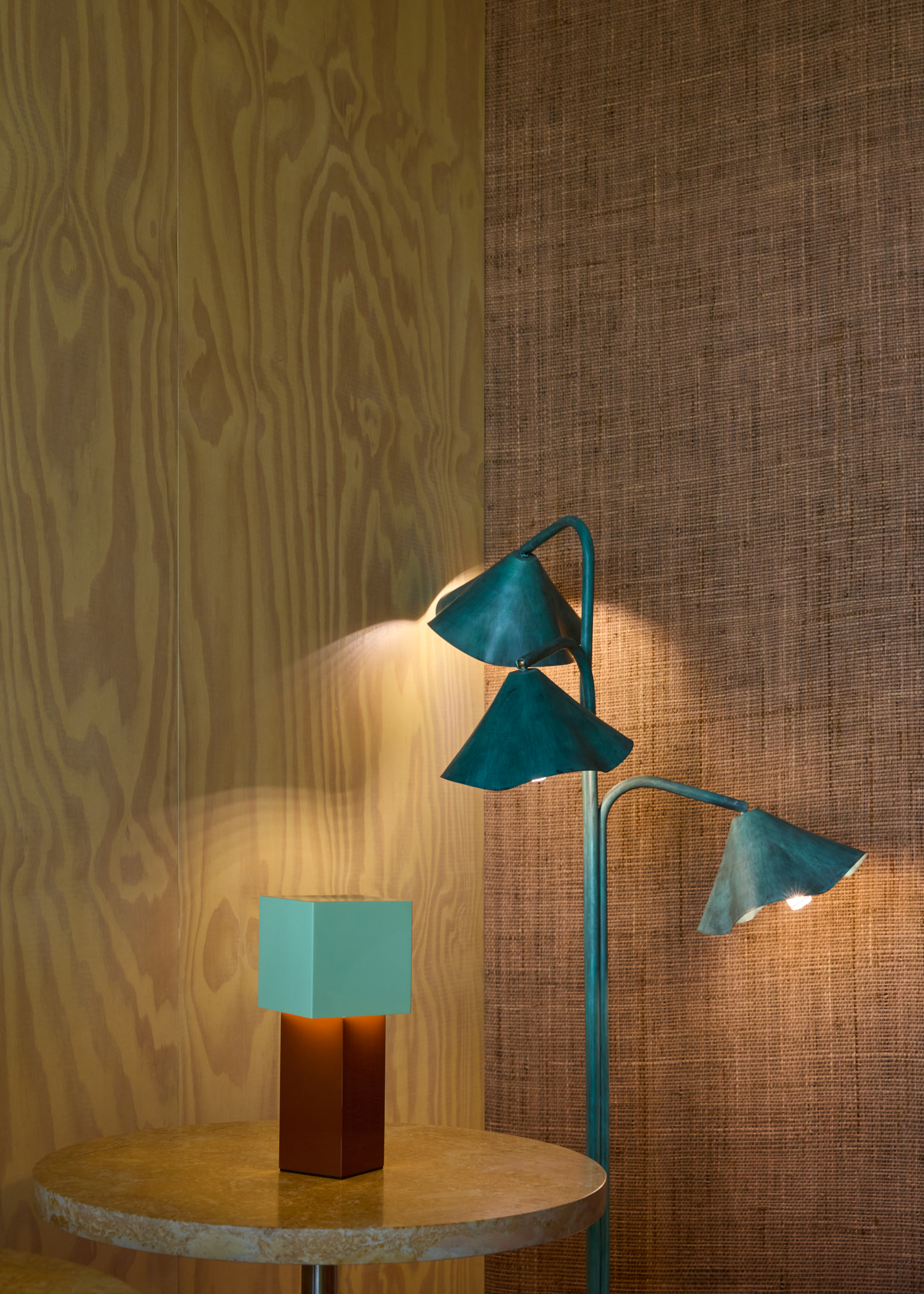
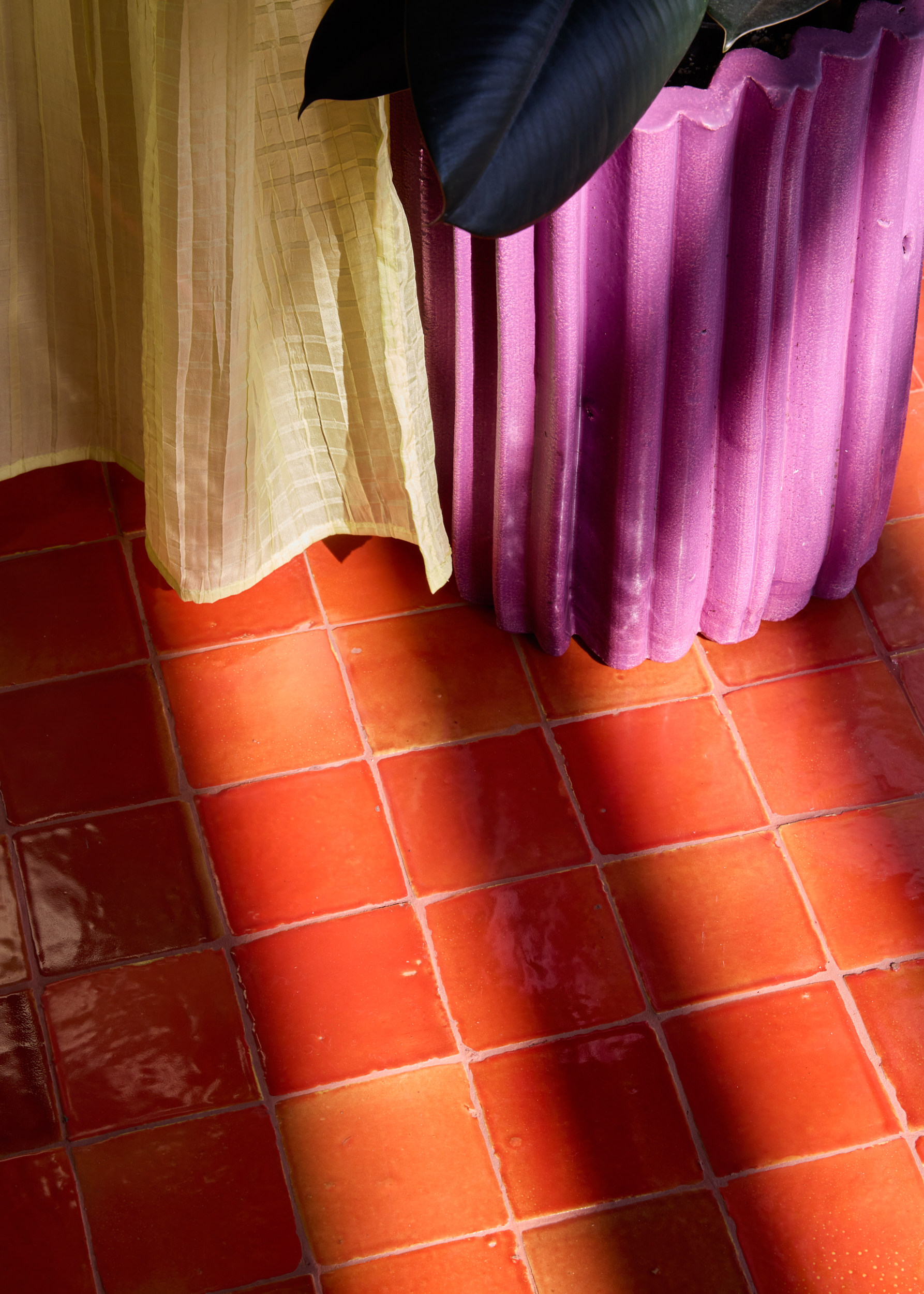
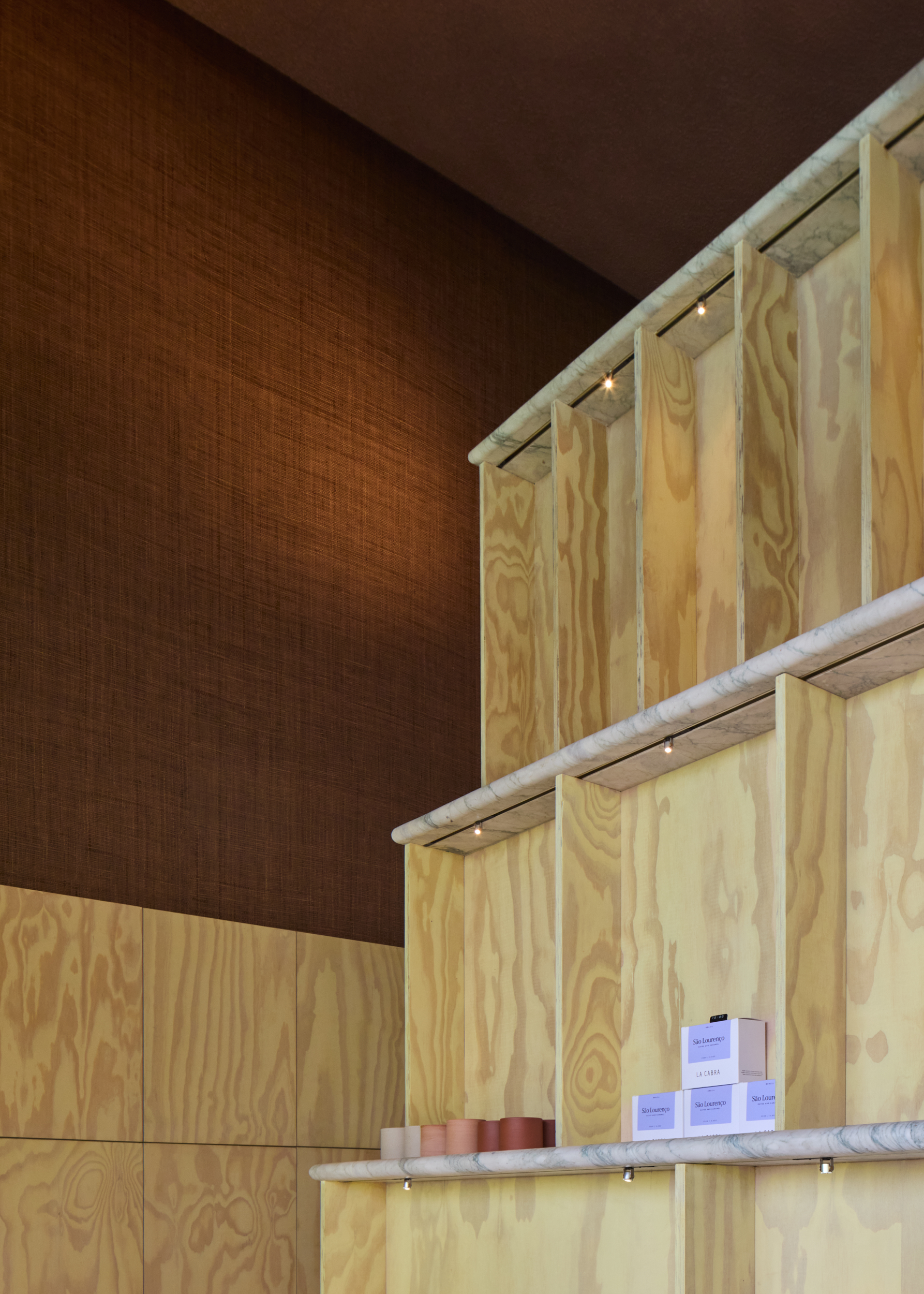
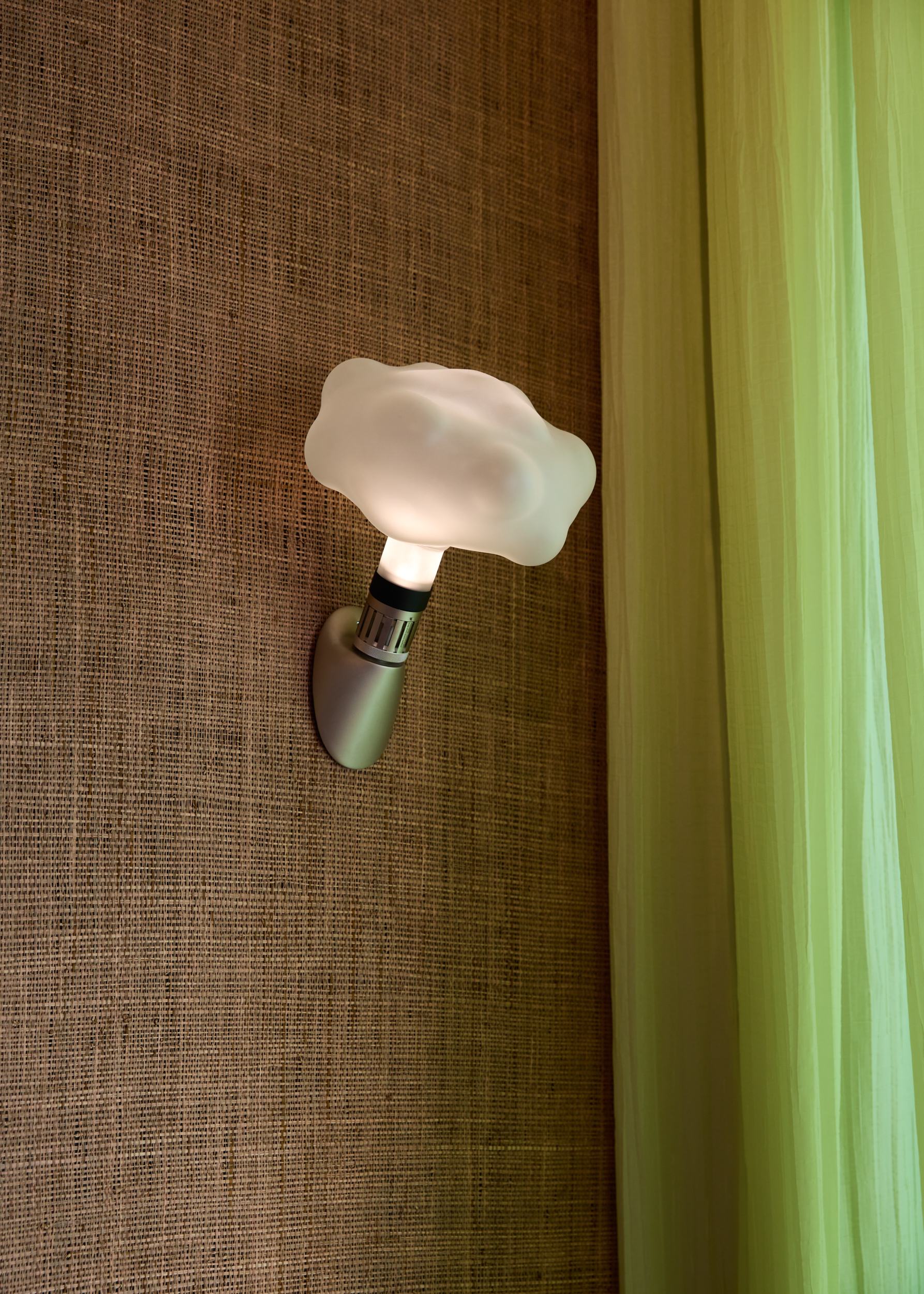
A linear counter anchors the layout, with open shelving that frames loaves, books, and goods as part of the architecture. Pale plywood with expressive grain sets the backdrop, balanced by marble counters, dark glazed tiles, and terracotta-red flooring that reflects light with warmth. Lime-green drapery softens the edges, filtering daylight into gentle layers.

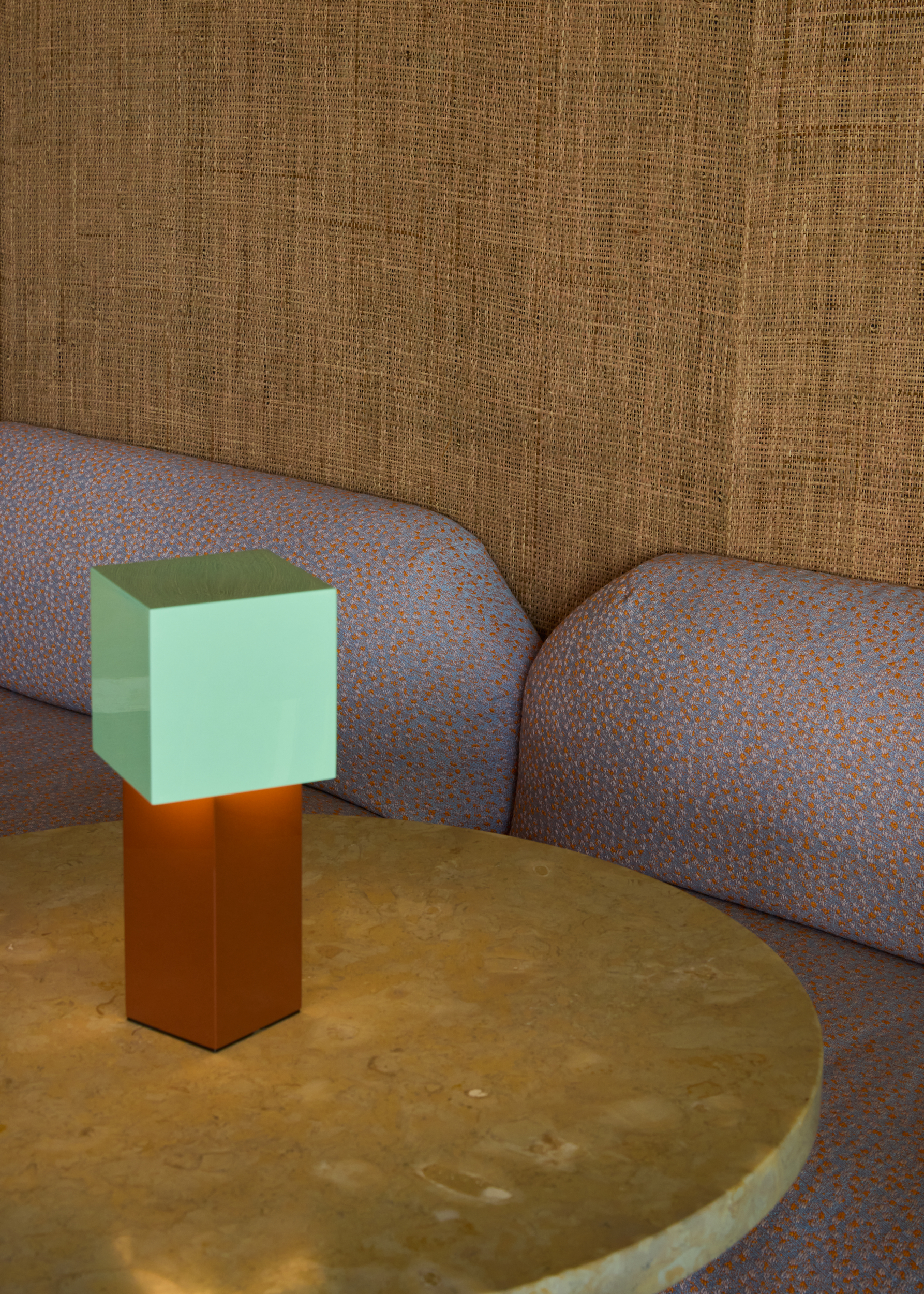
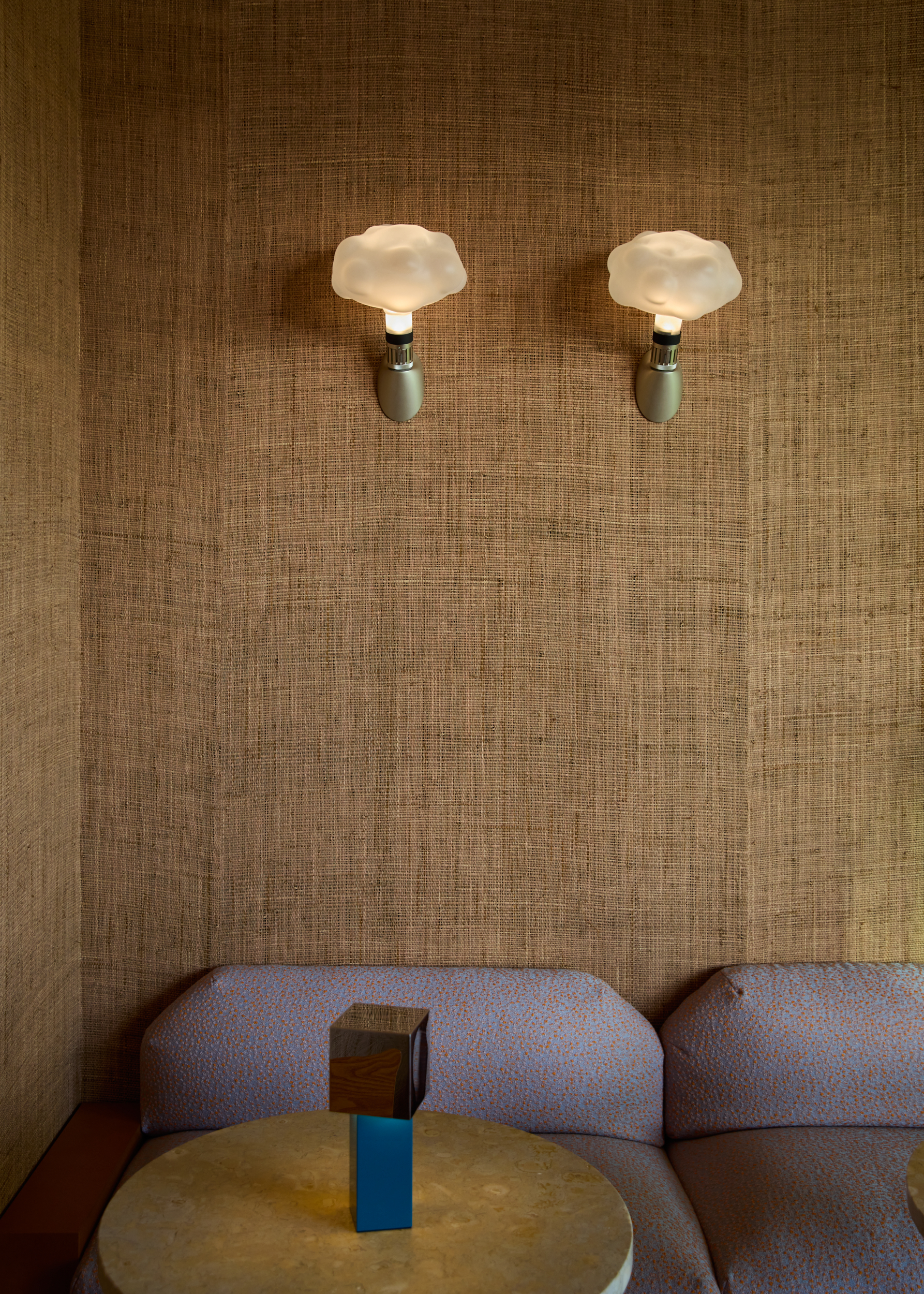
The seating area combines marble-topped tables, geometric timber chairs, and upholstered benches with sculptural lighting—cloud-like sconces, jewel-toned table lamps—that create pockets of intimacy. Lush plants punctuate the space, reinforcing a dialogue of color and texture.

Milk Haus is a balance of raw and refined—a crafted environment that feels both familiar and inviting.

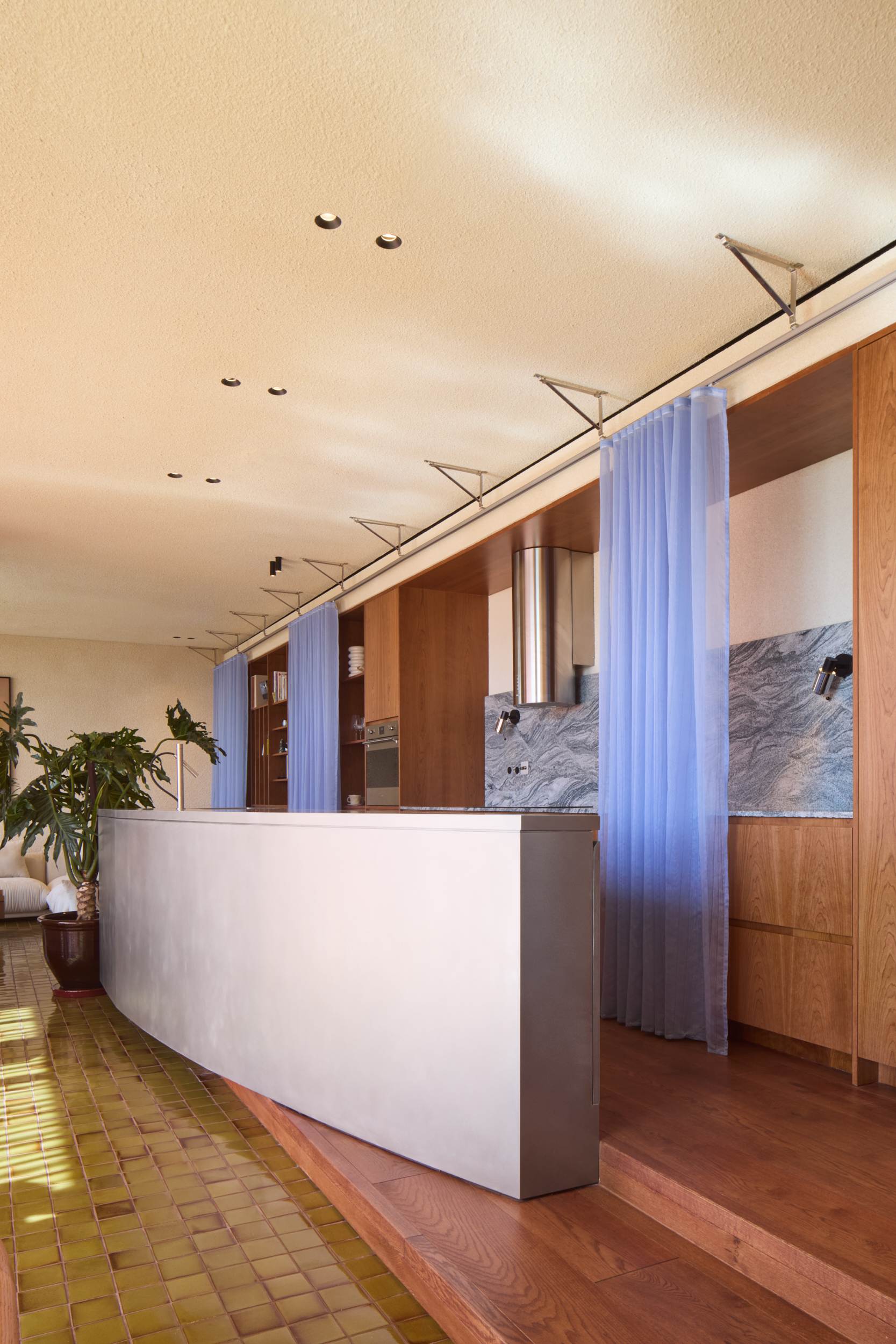
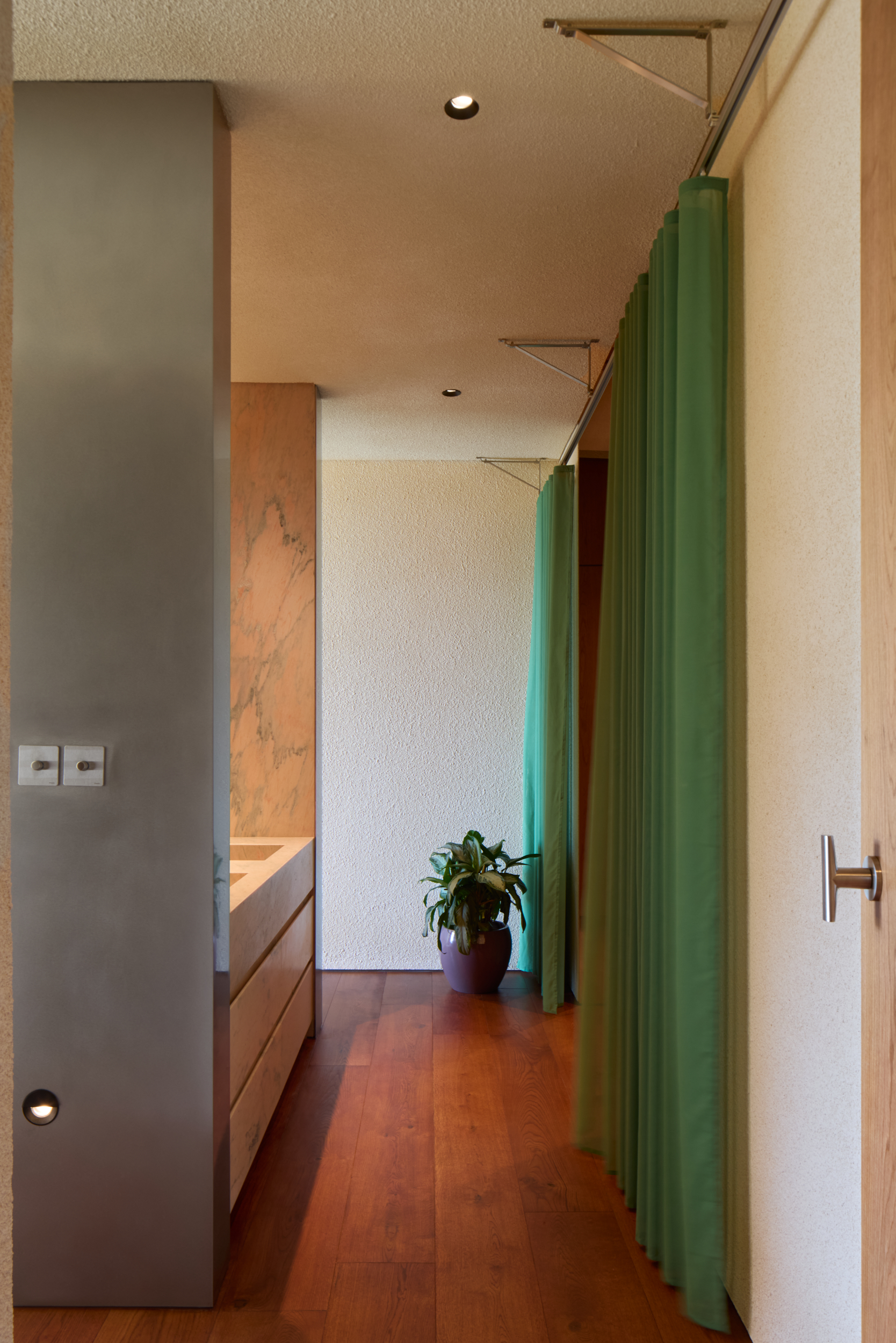
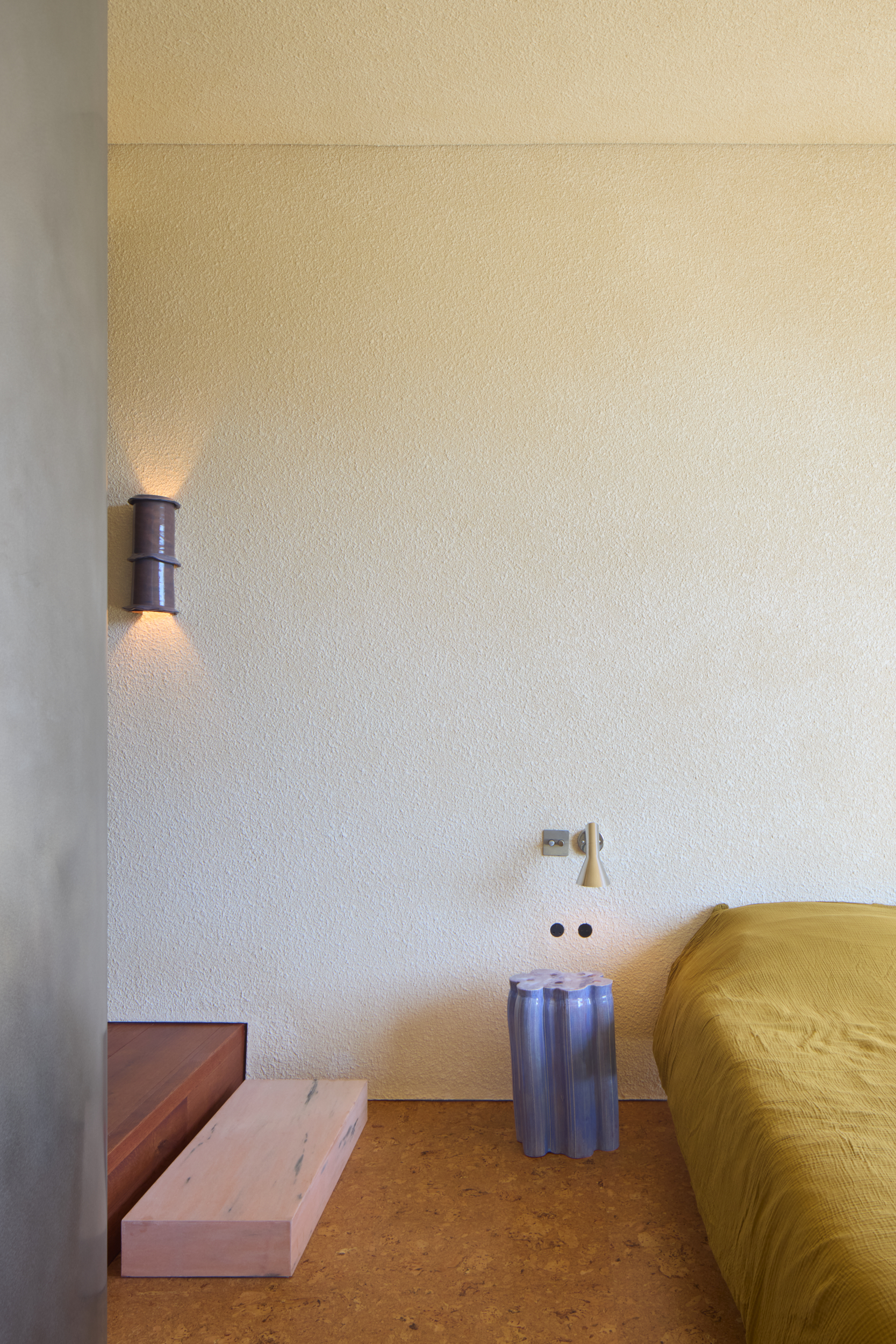
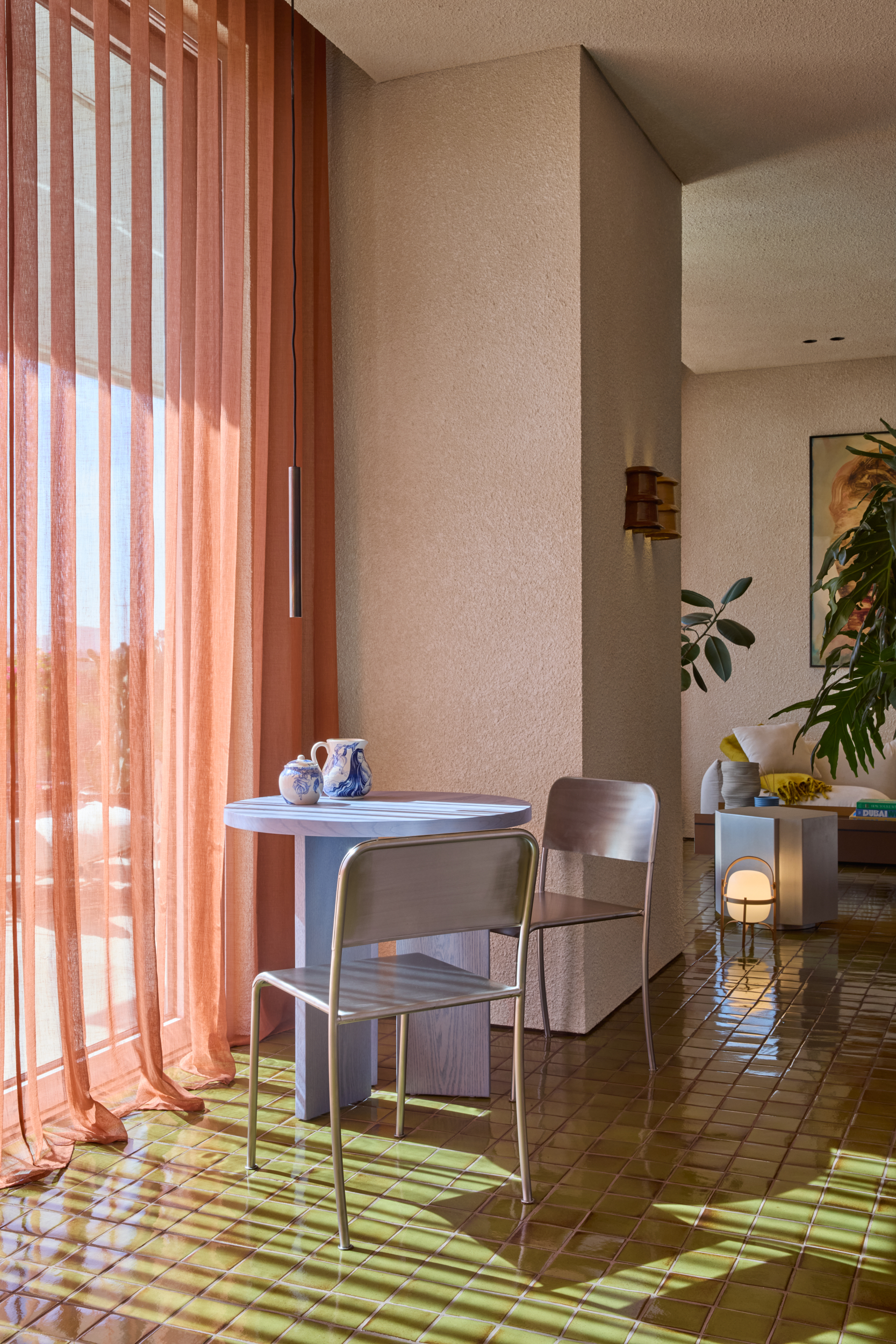
Nestled in the lush heart of Dubai’s Al Barari community, this 150 sqm apartment was reimagined as a warm and soulful sanctuary. The brief was to create a home where mid-century influences and contemporary sensibilities coexist, and where natural light, flow, and materiality guide the design language.

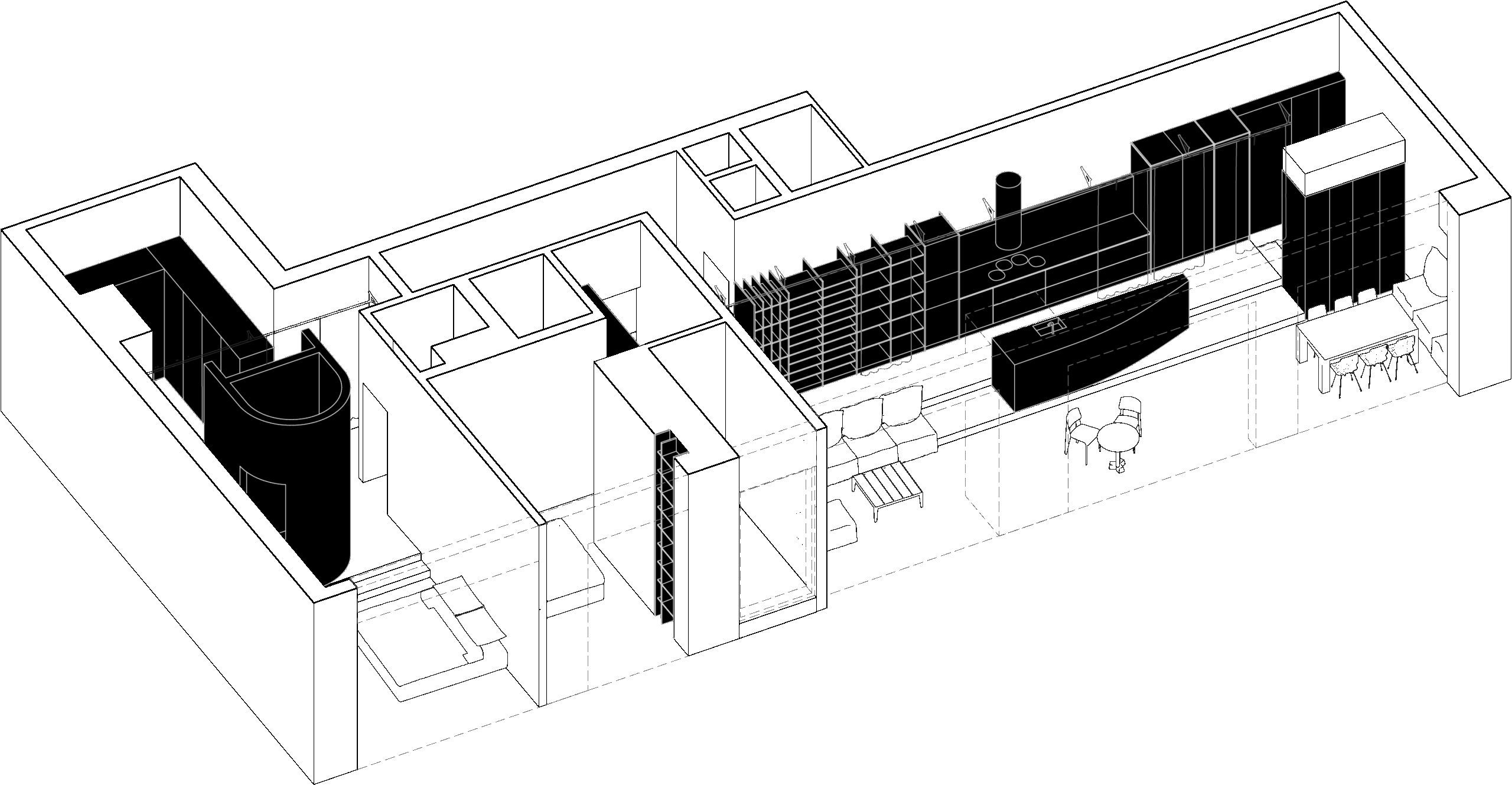
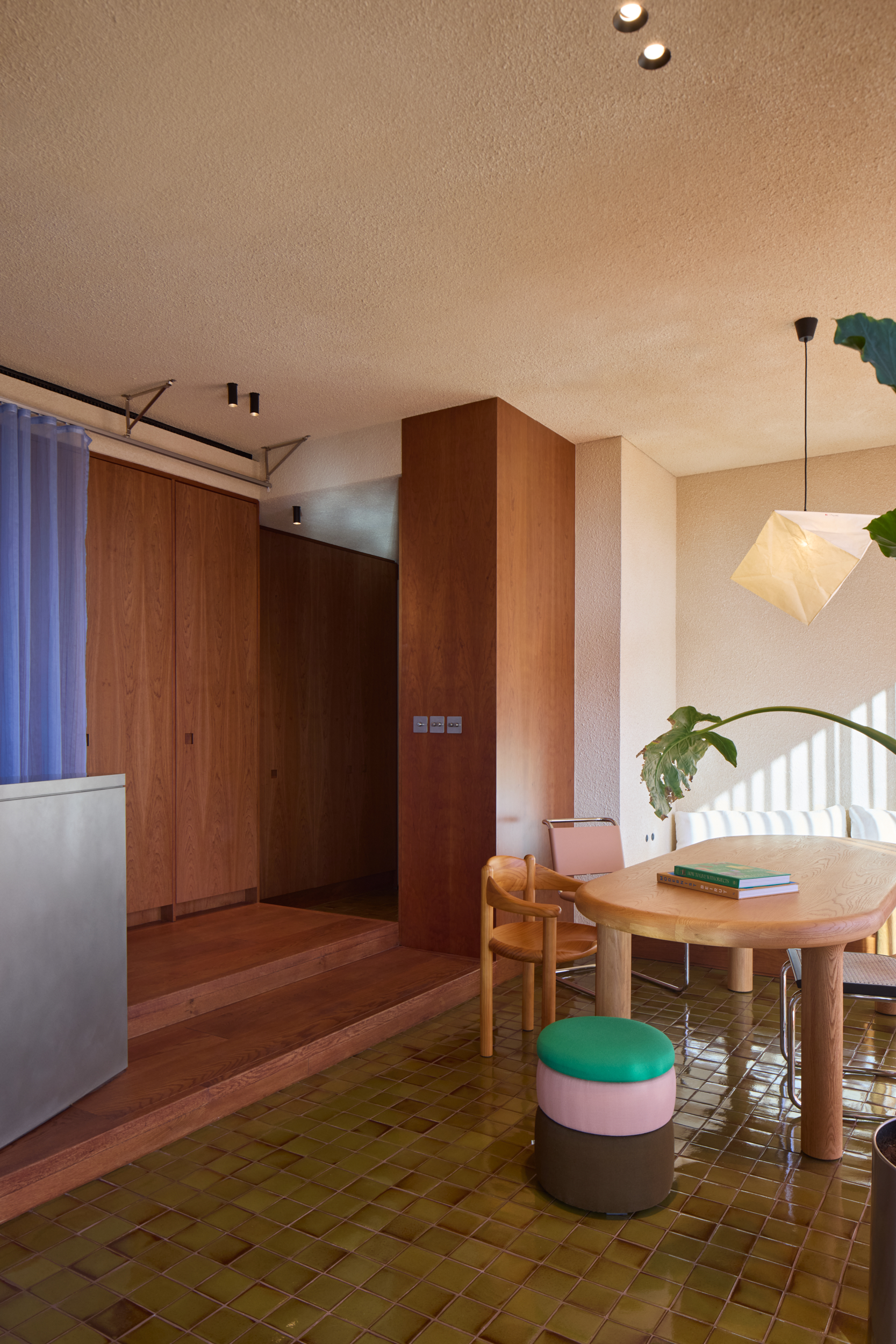
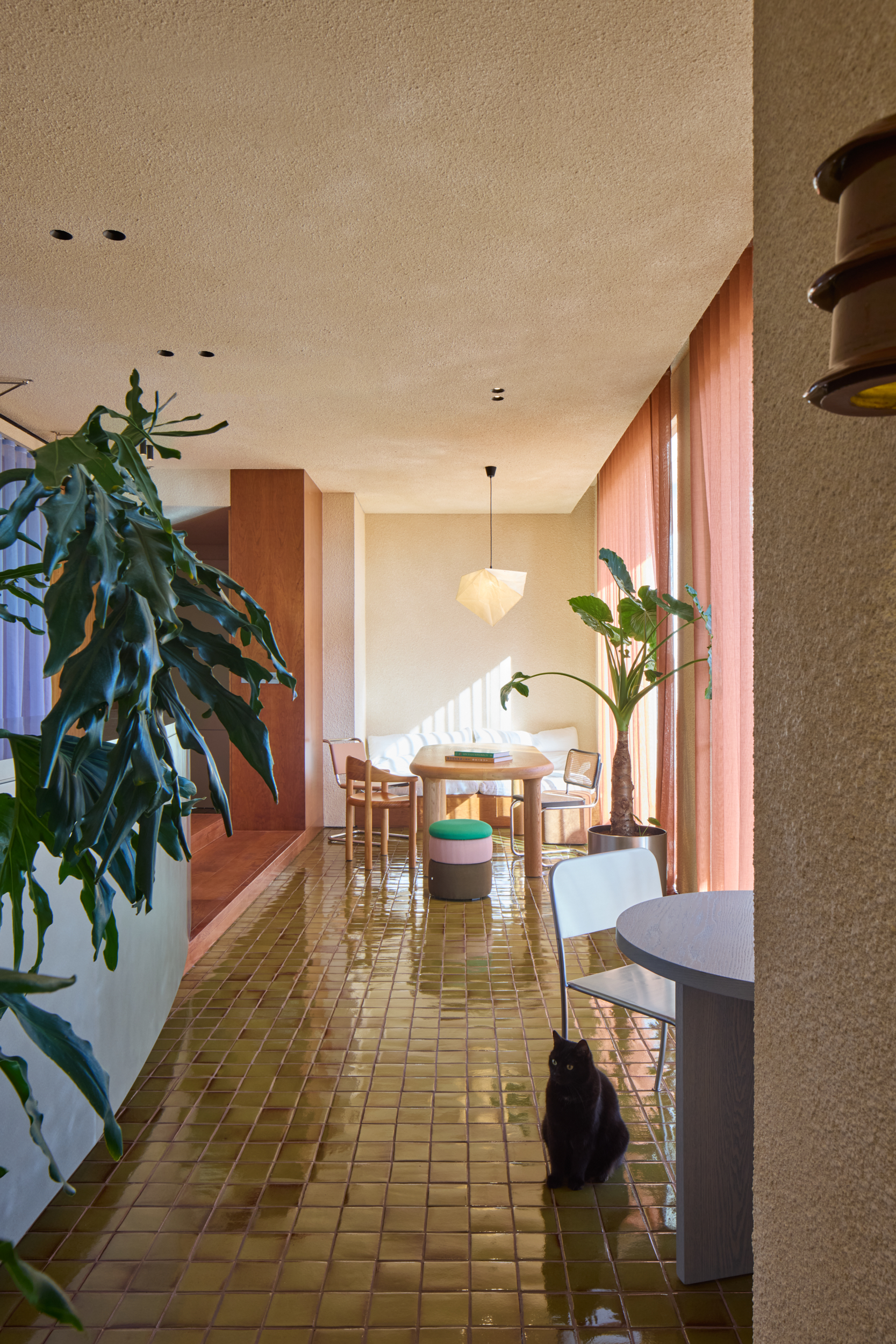
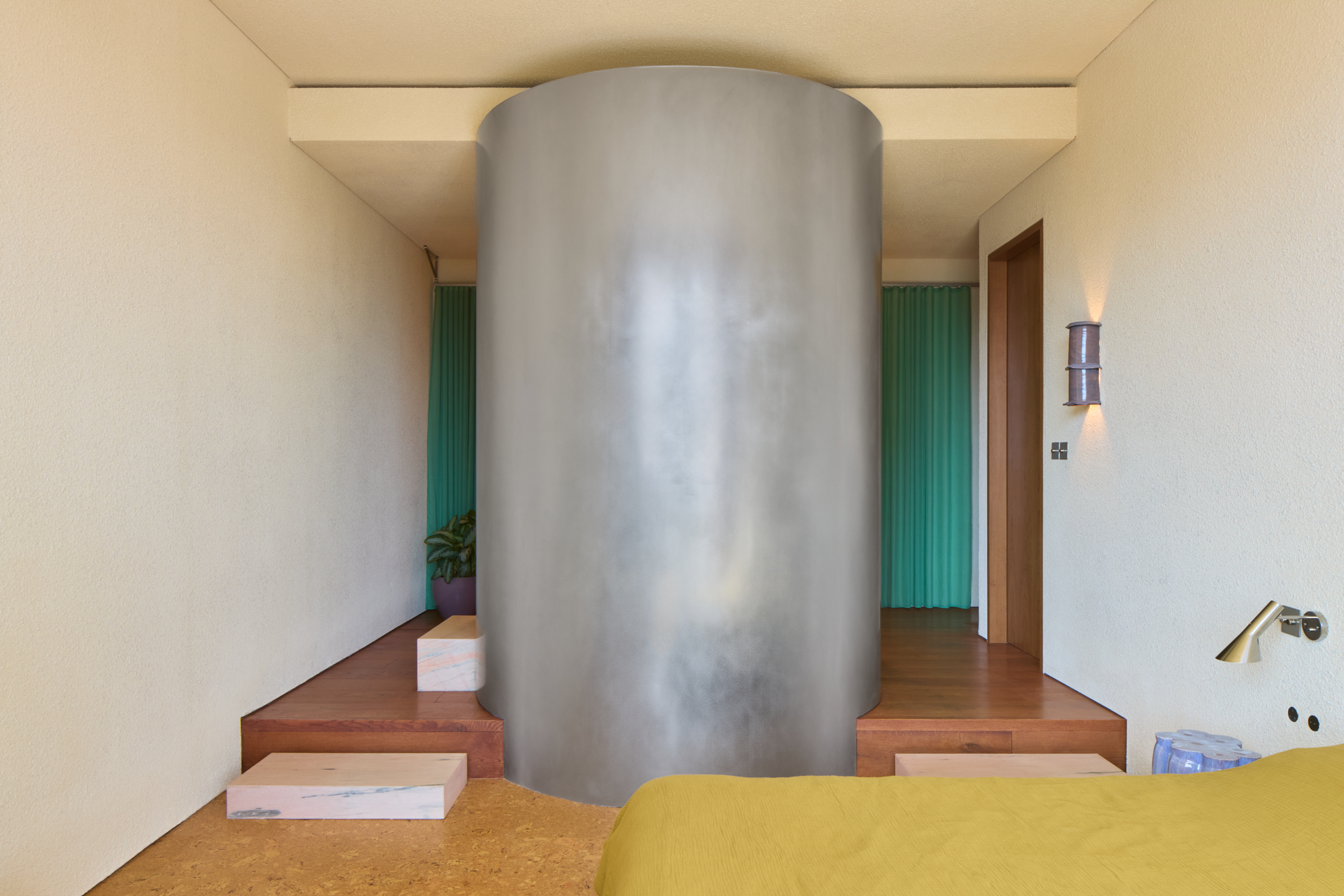
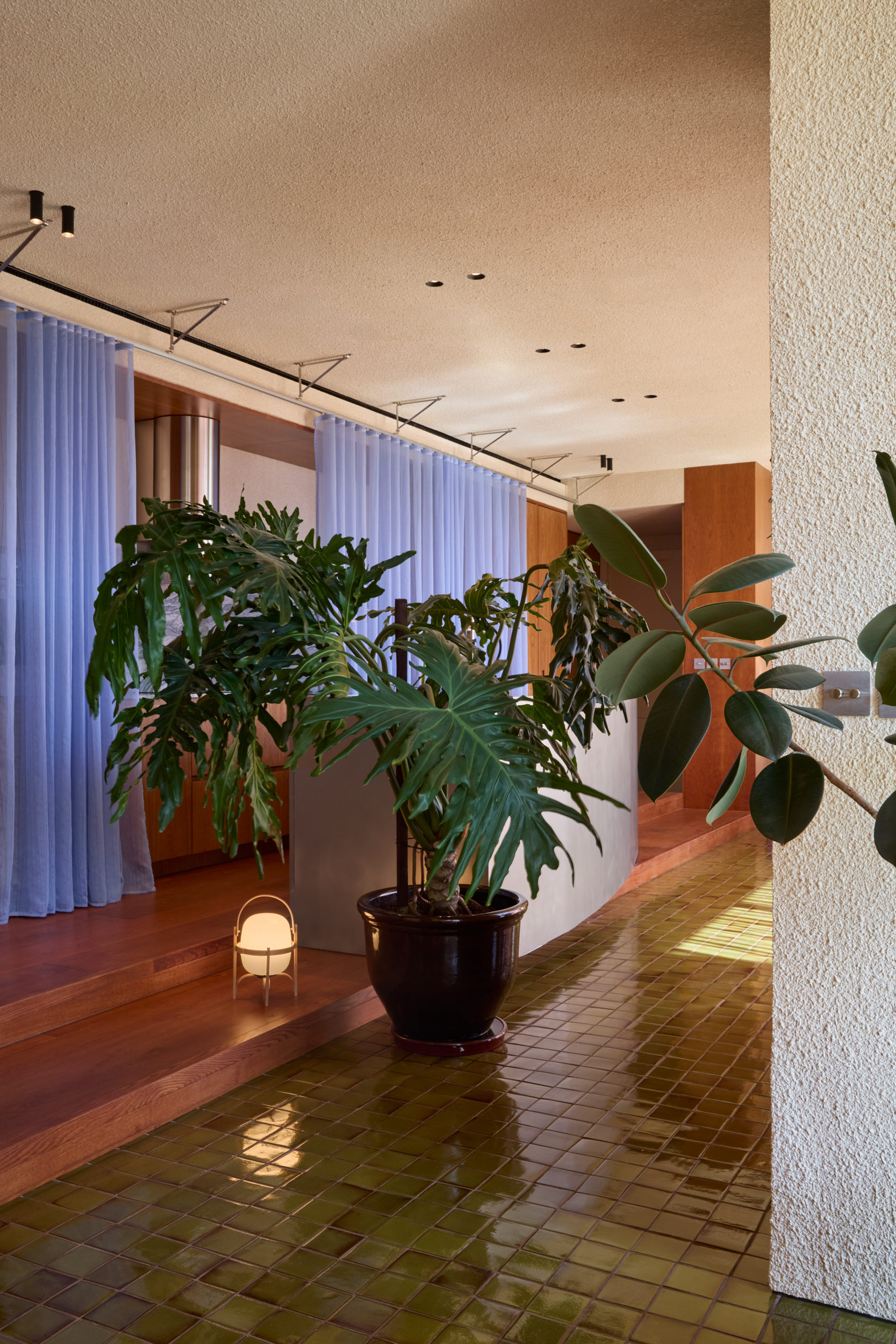
Originally a one-bedroom apartment, the layout was reconfigured to introduce a second bedroom and a second full bathroom, all without compromising on openness or intimacy. The transformation centered around enhancing functionality and spatial coherence. This meant reducing oversized, underutilized areas and introducing a raised circulation path that now connects the entrance to the master suite. This intervention created subtle topography within the apartment, defining communal zones without enclosing them, and offering uninterrupted views across the space and out to the terrace.

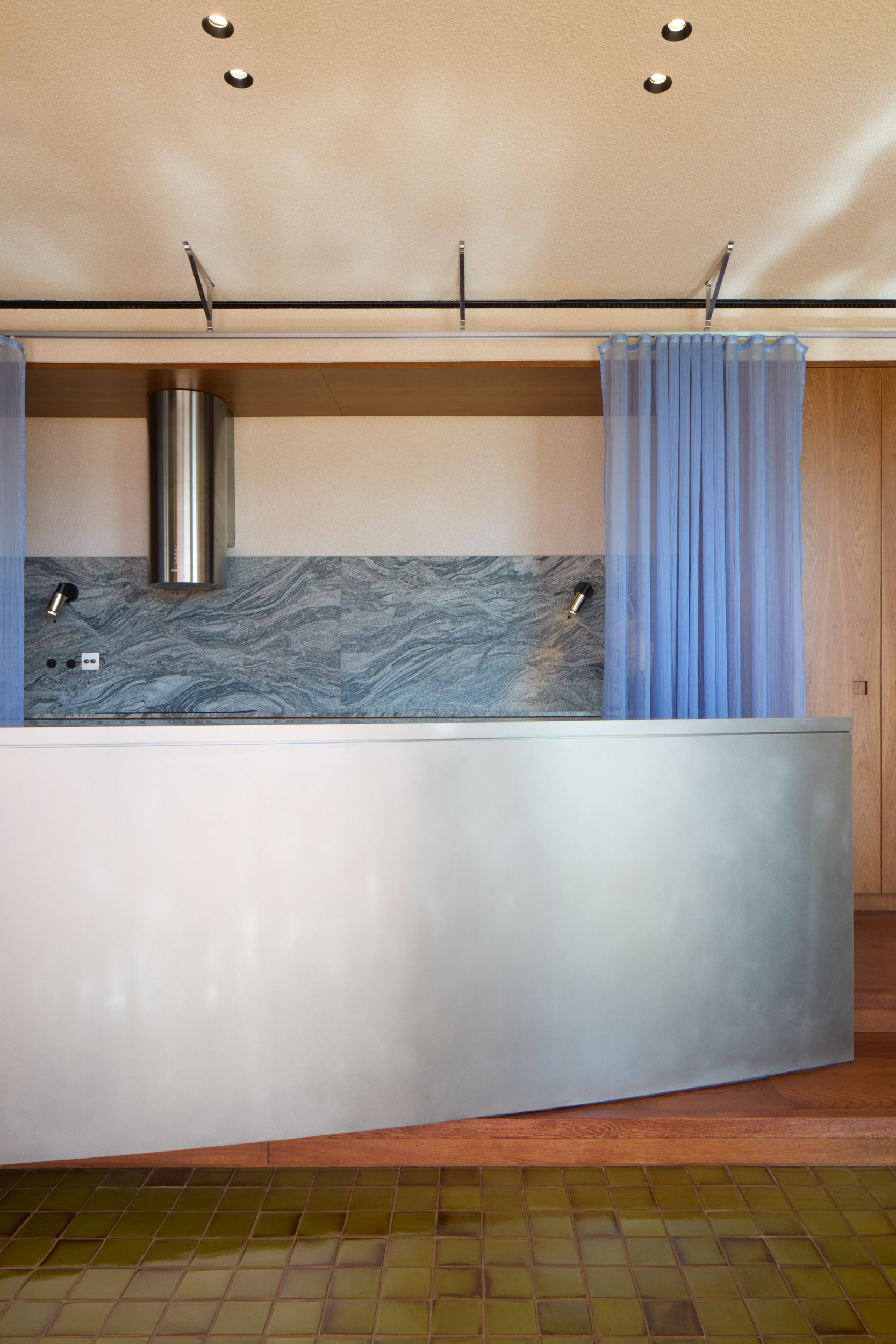
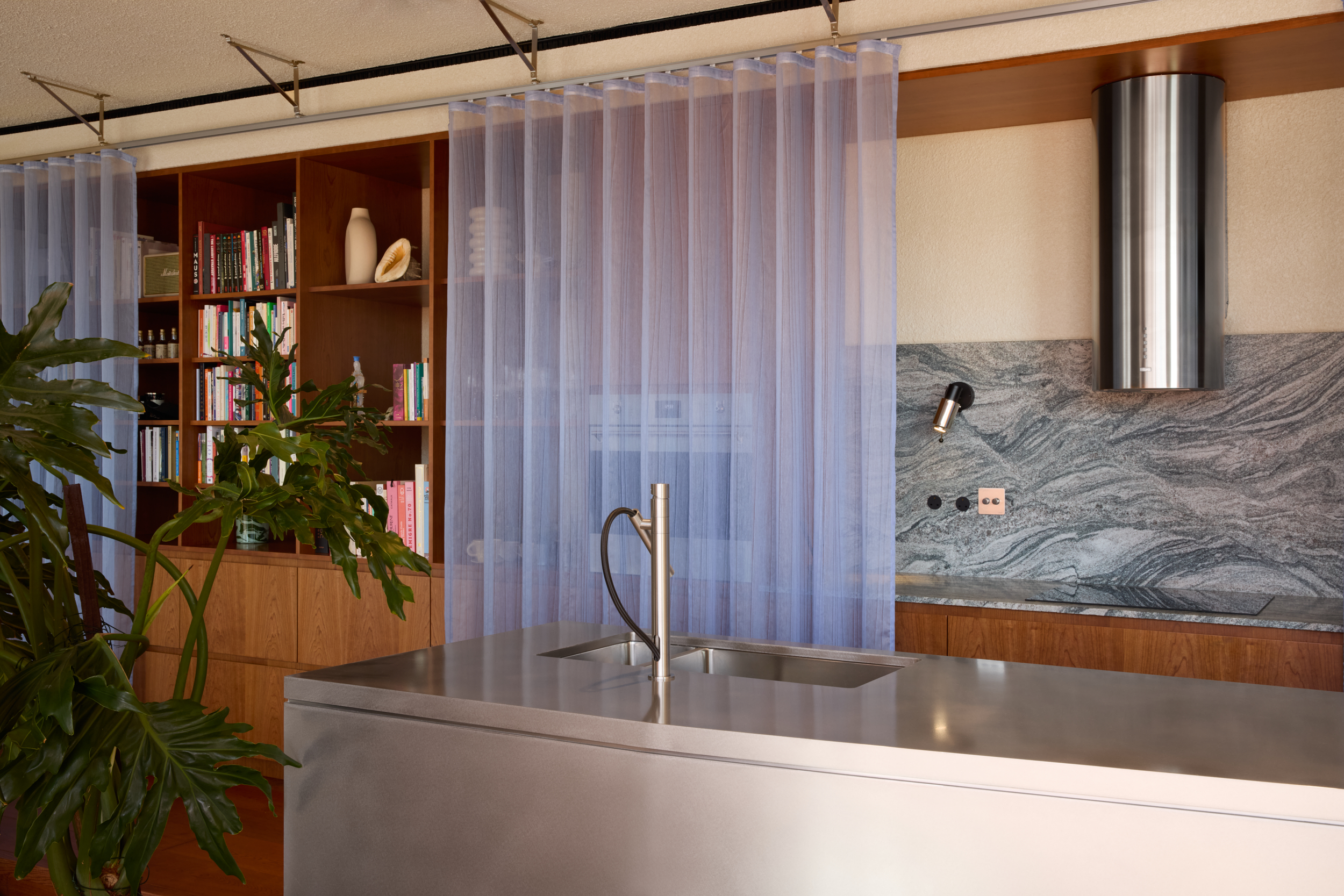
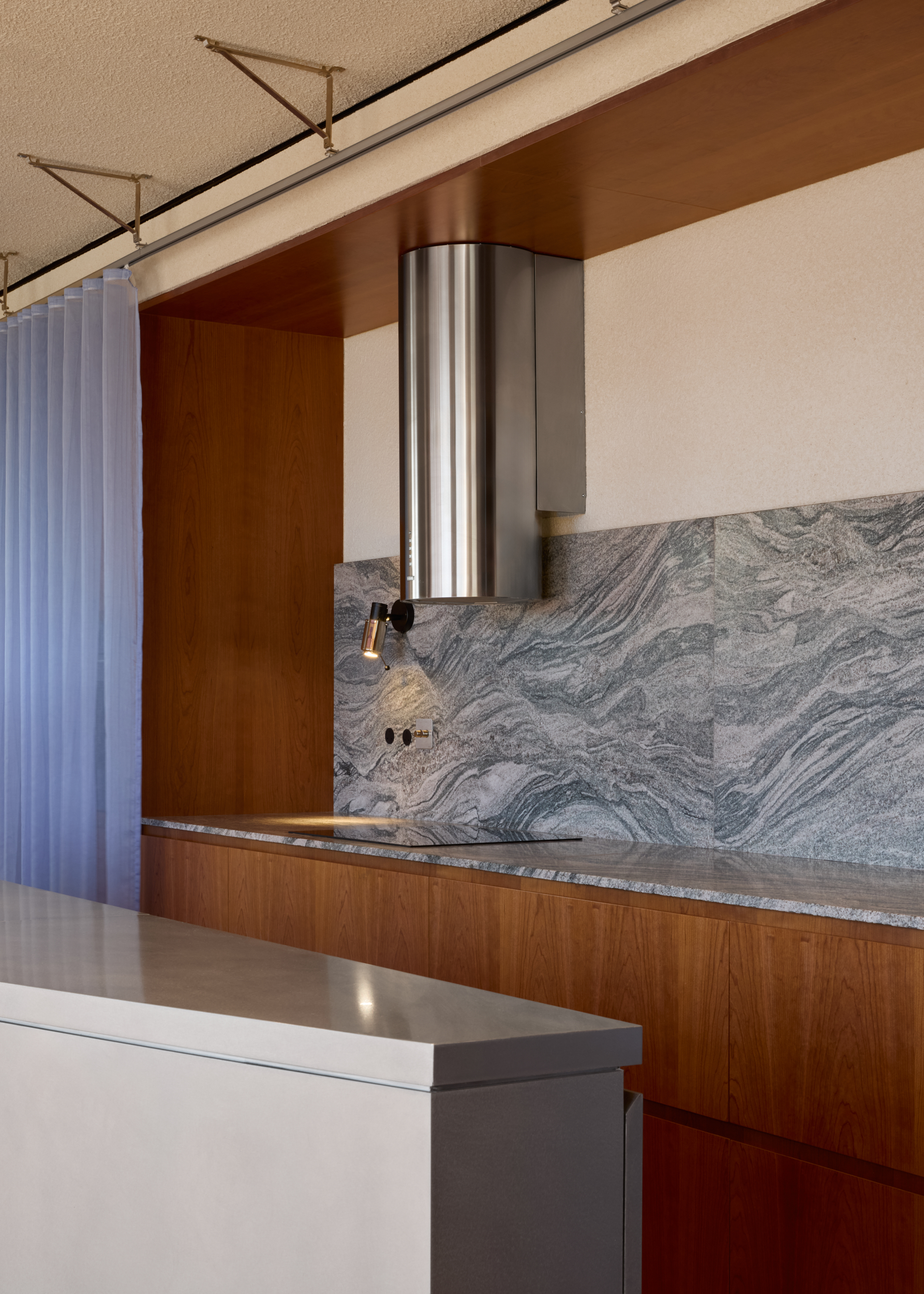
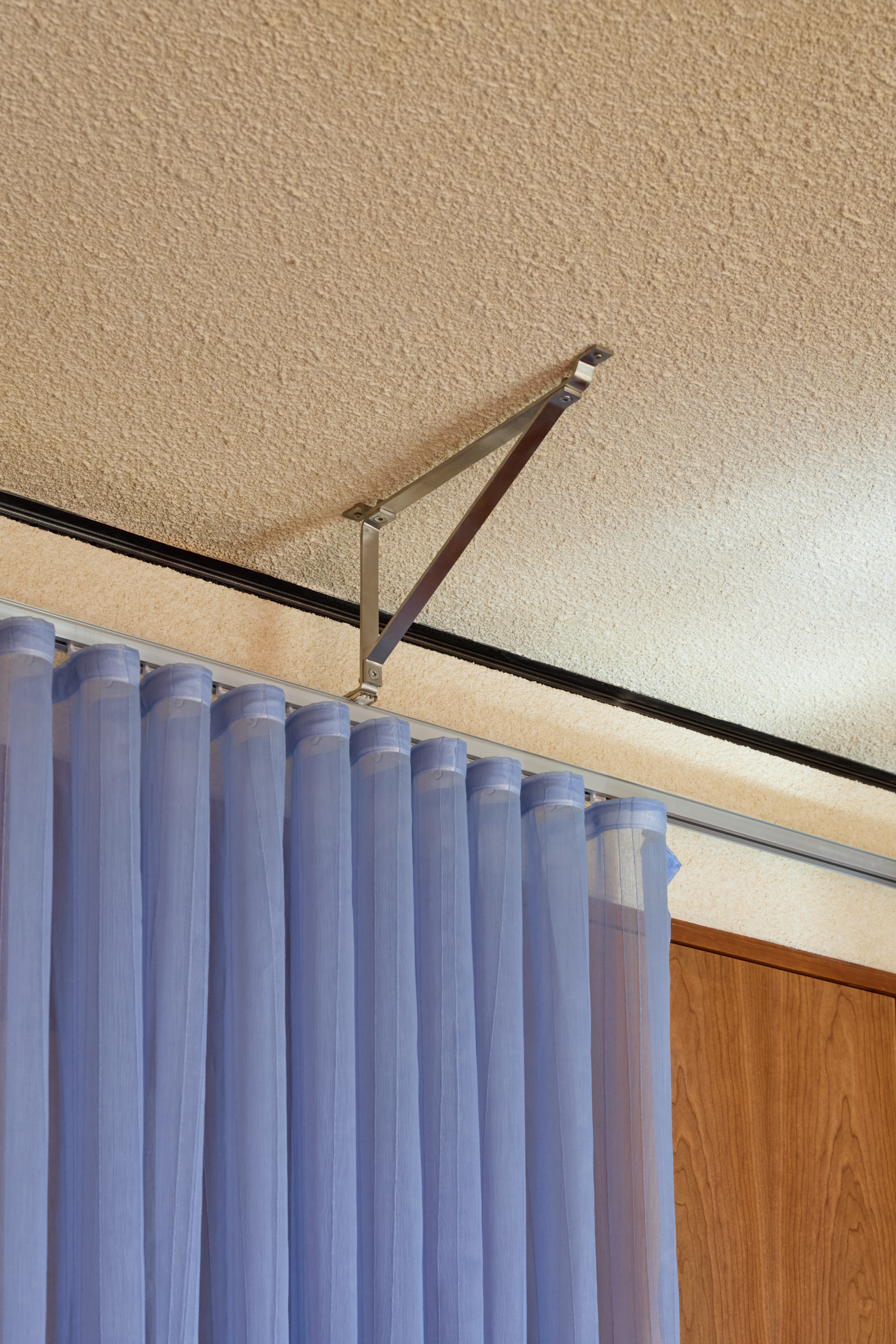
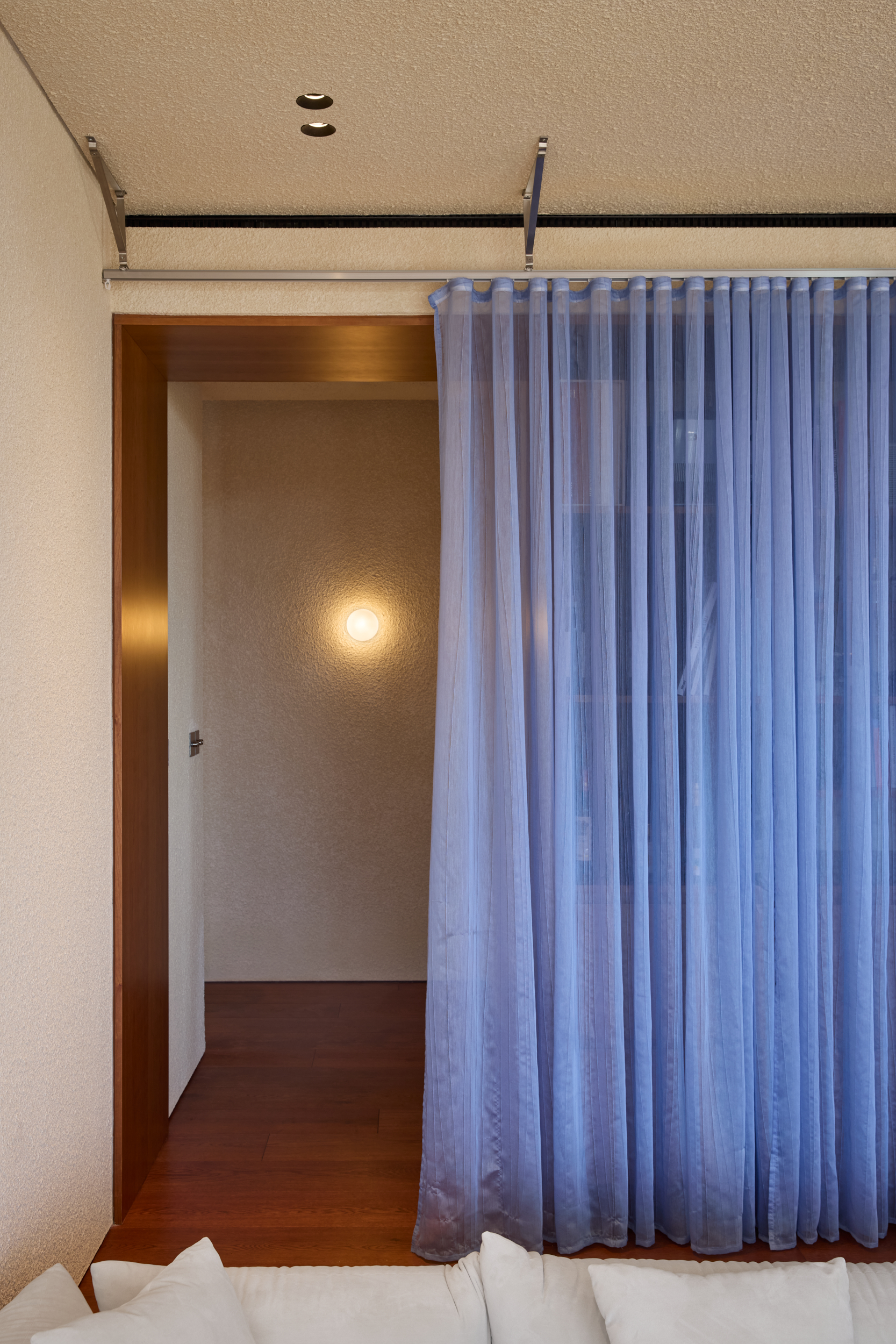
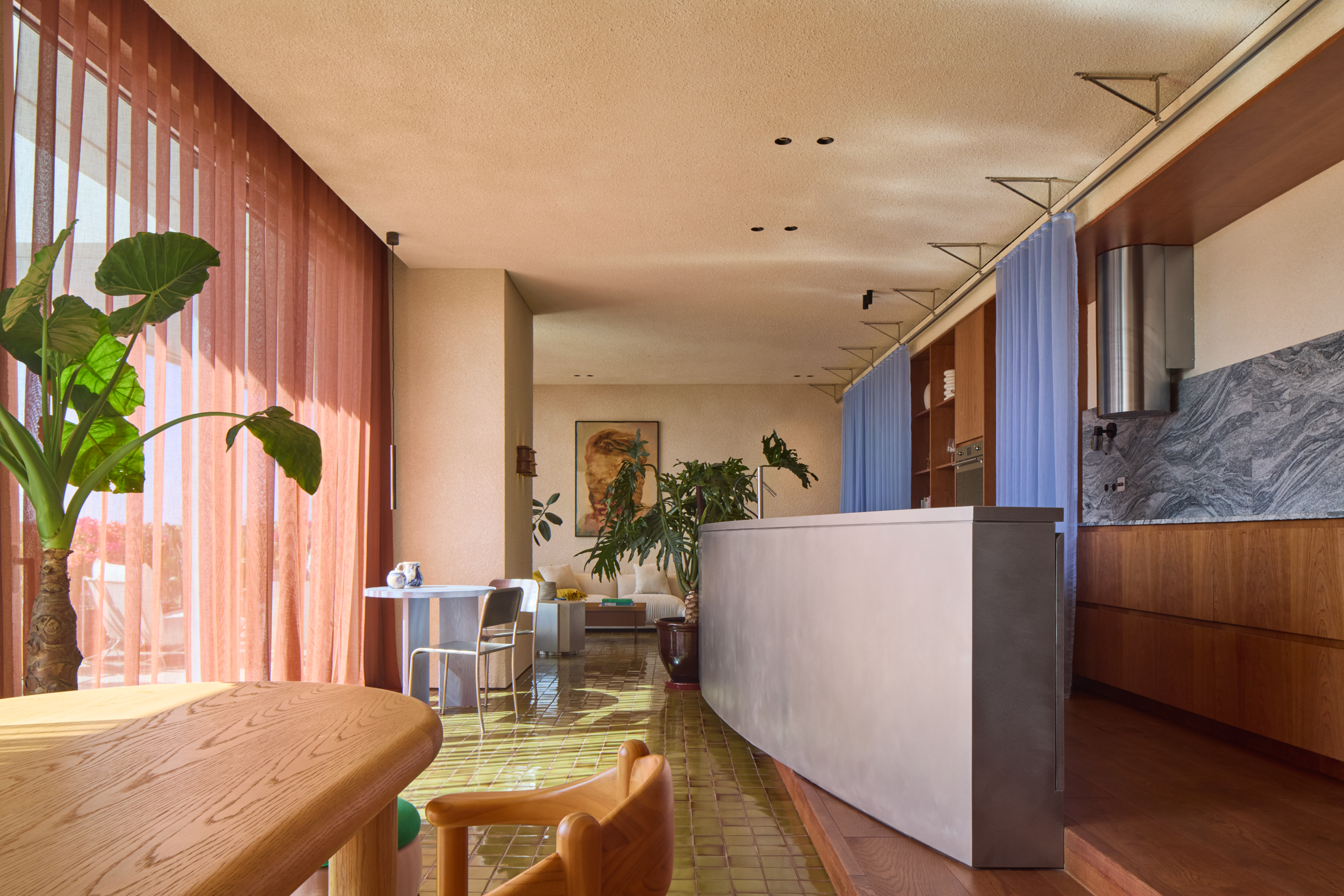
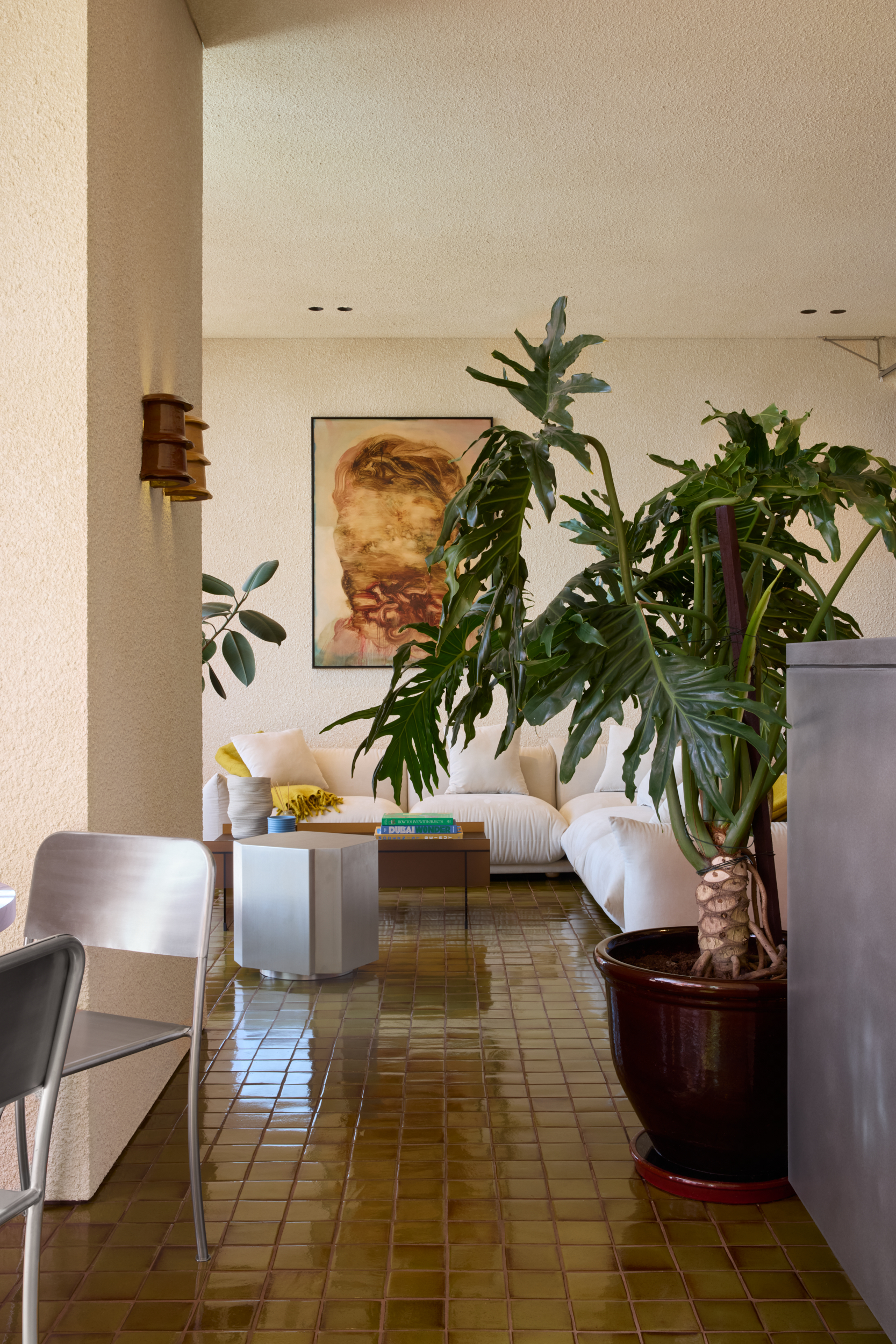
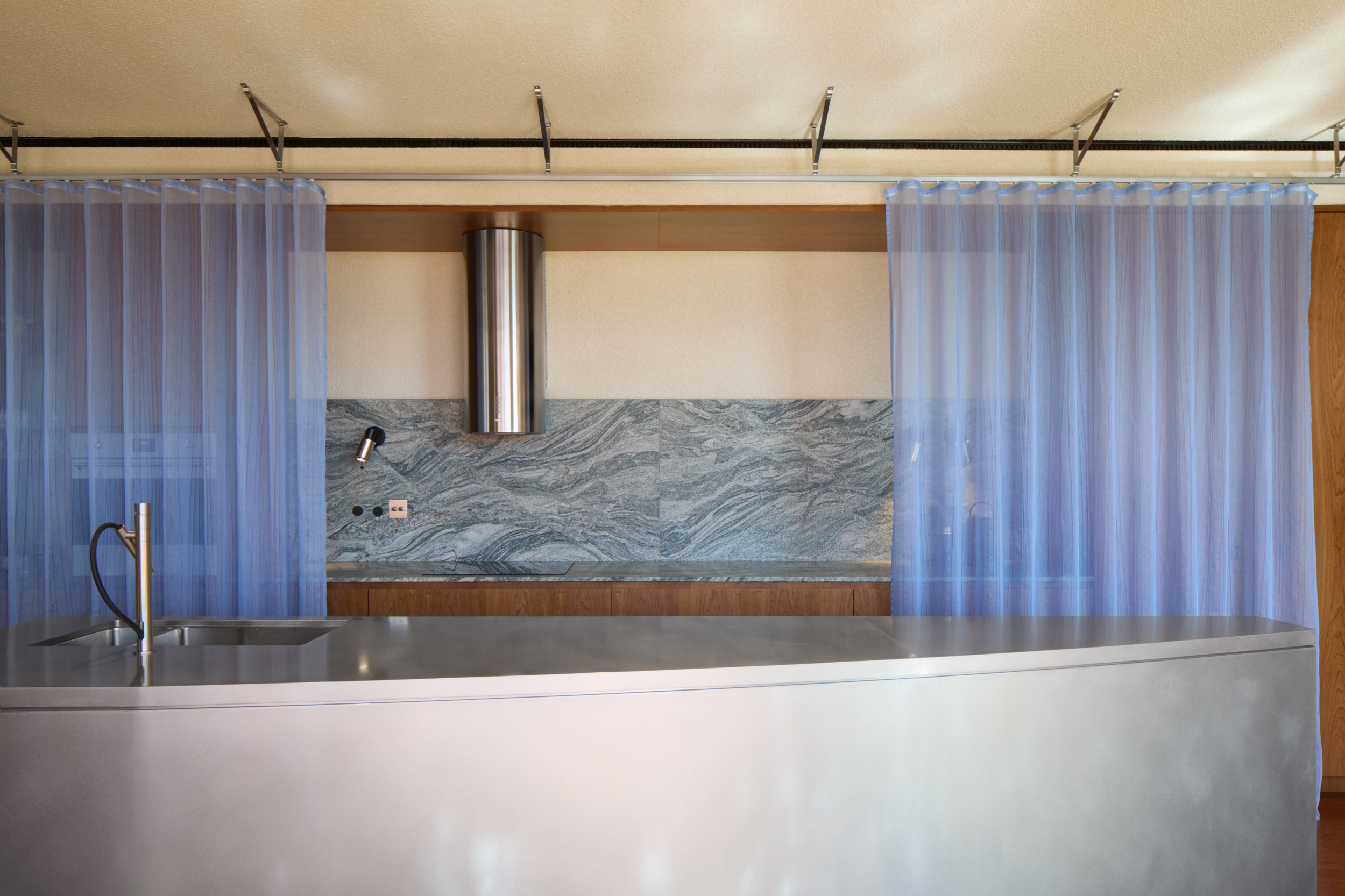
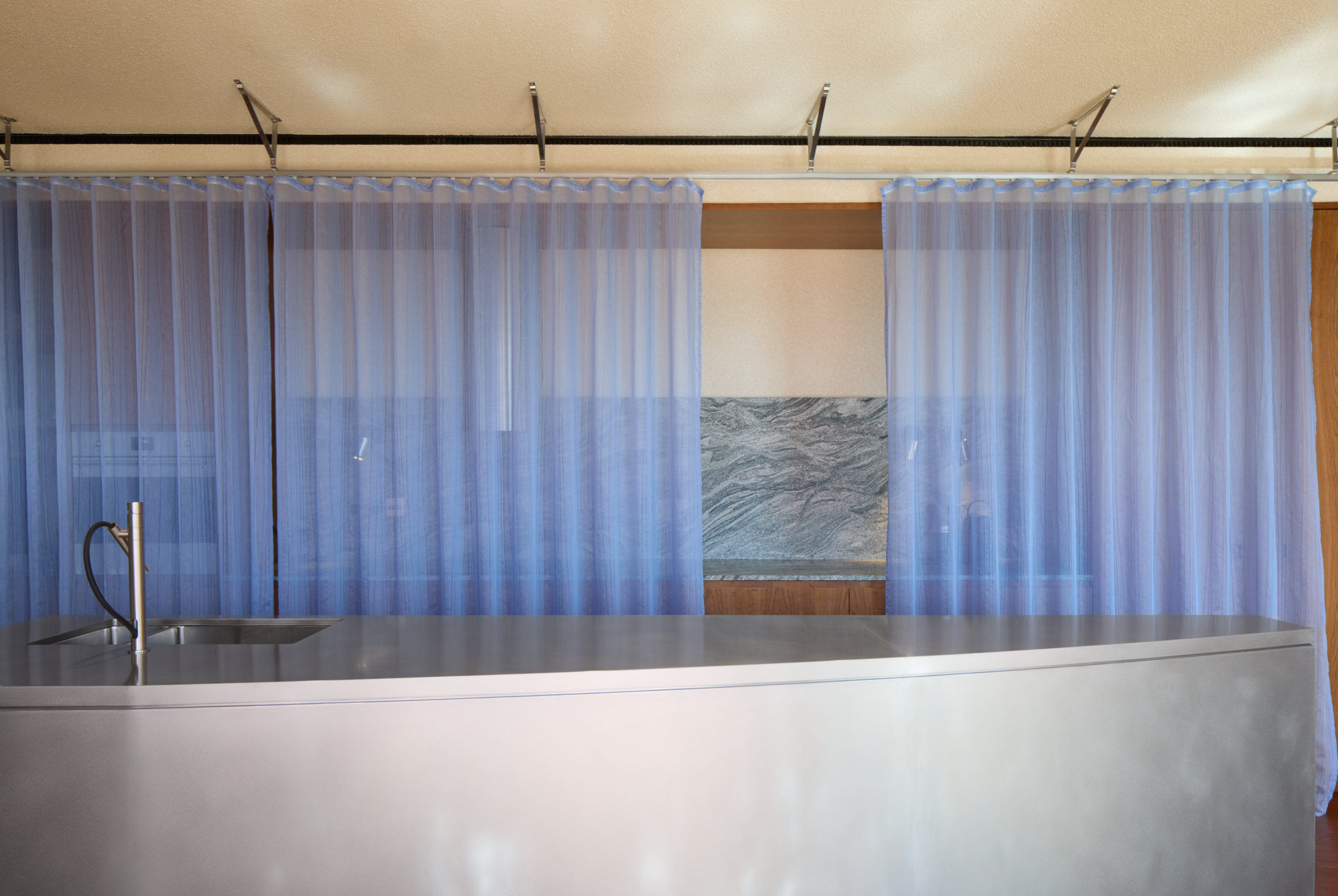
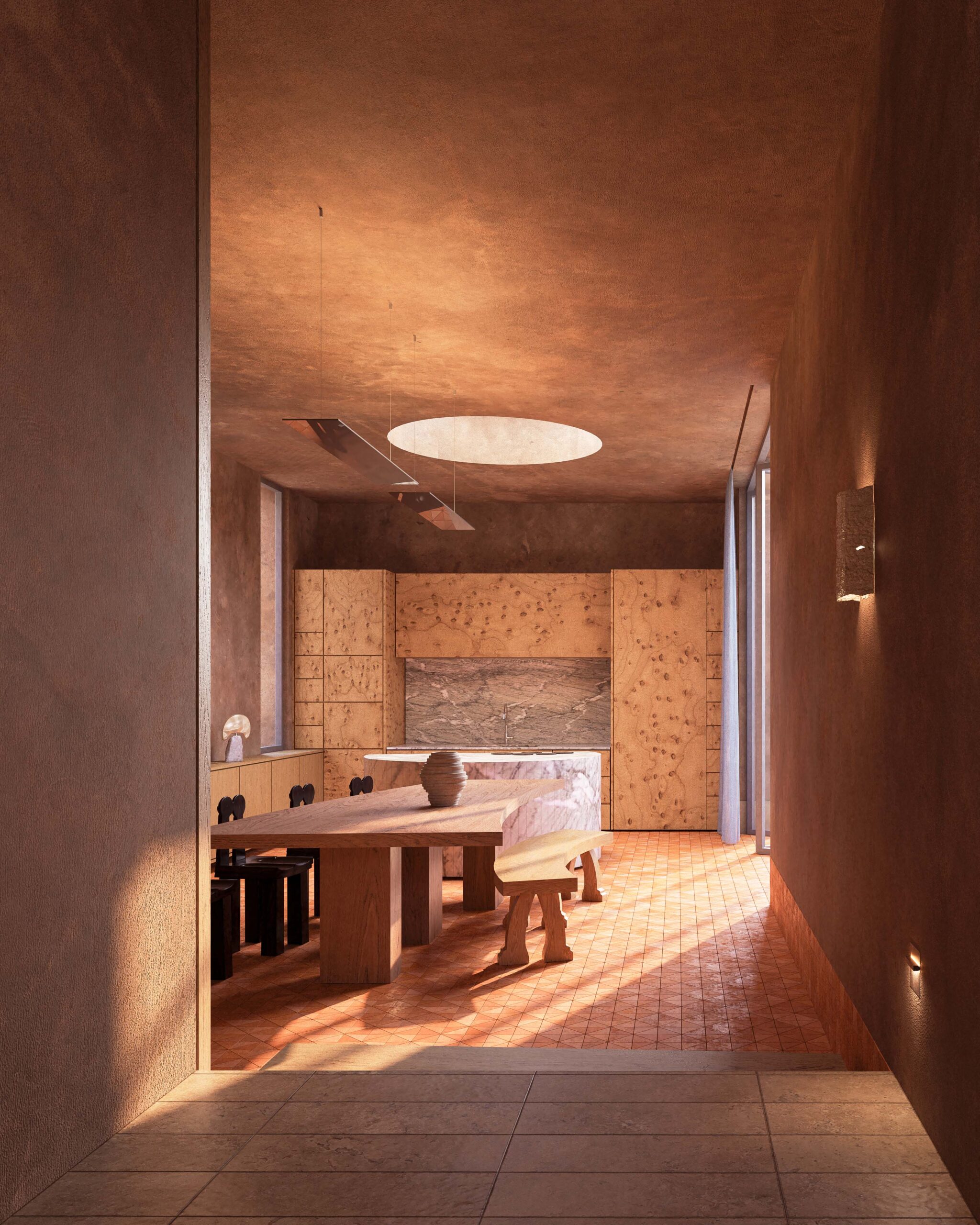
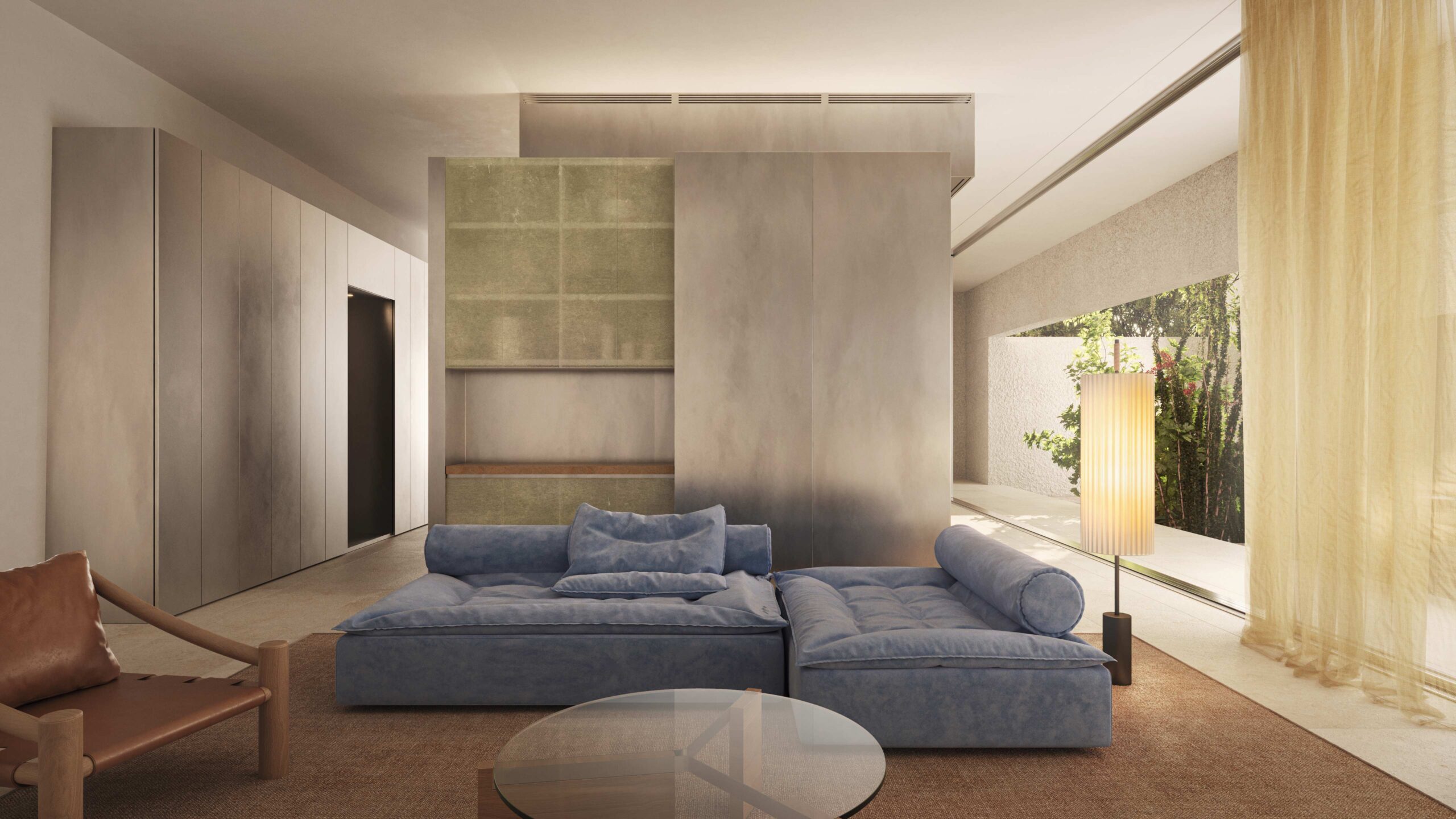
At the heart of the apartment sits the kitchen—an intentional departure from conventional layouts. Positioned between the dining and living areas, it anchors the home as a central hub for both daily rituals and social gatherings. A handcrafted spinal joinery cabinet acts as the backbone of this open layout, tying together the main spaces while offering storage, display, and gentle separation. A lilac-toned curtain slides along its length, introducing lightness and flexibility.

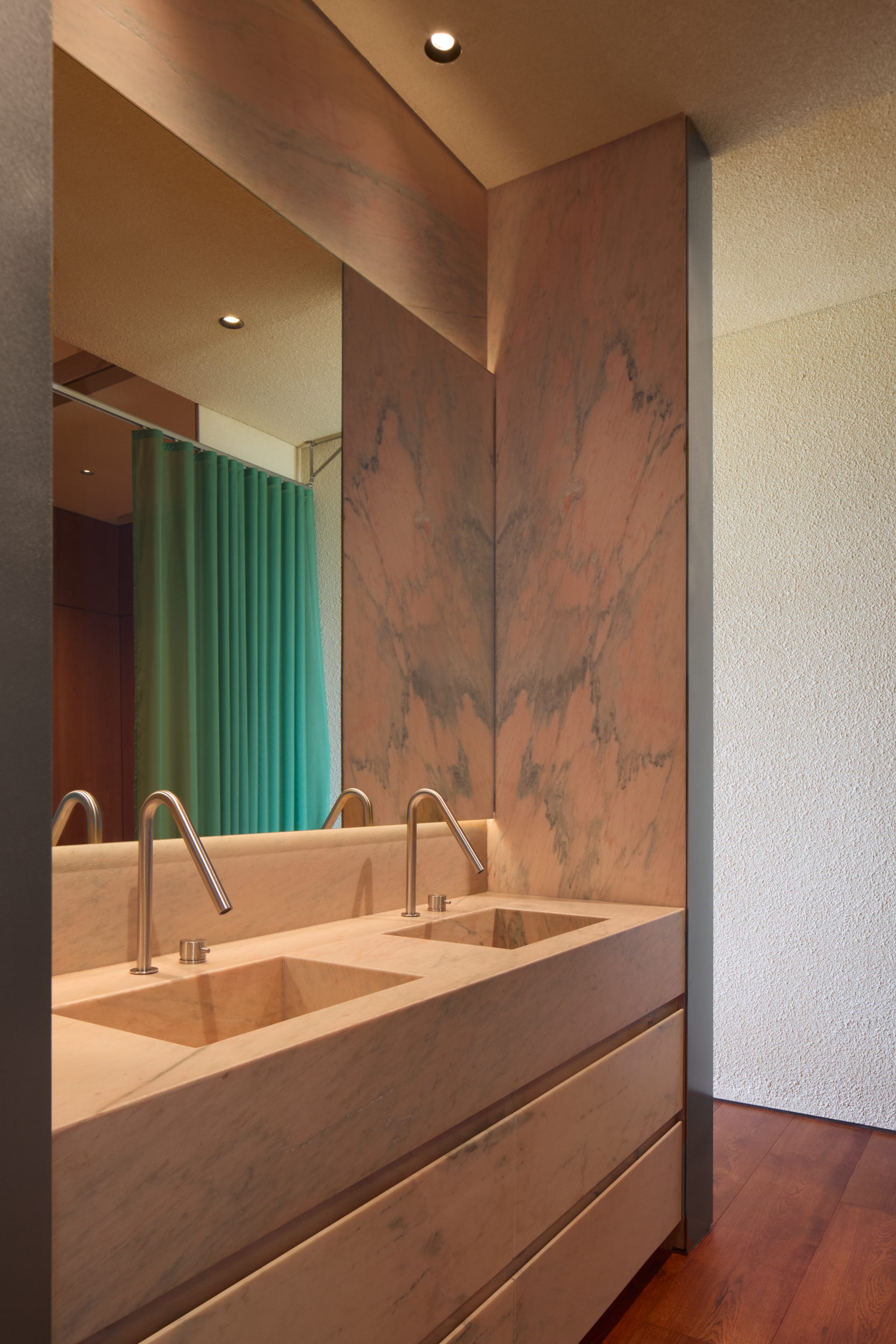
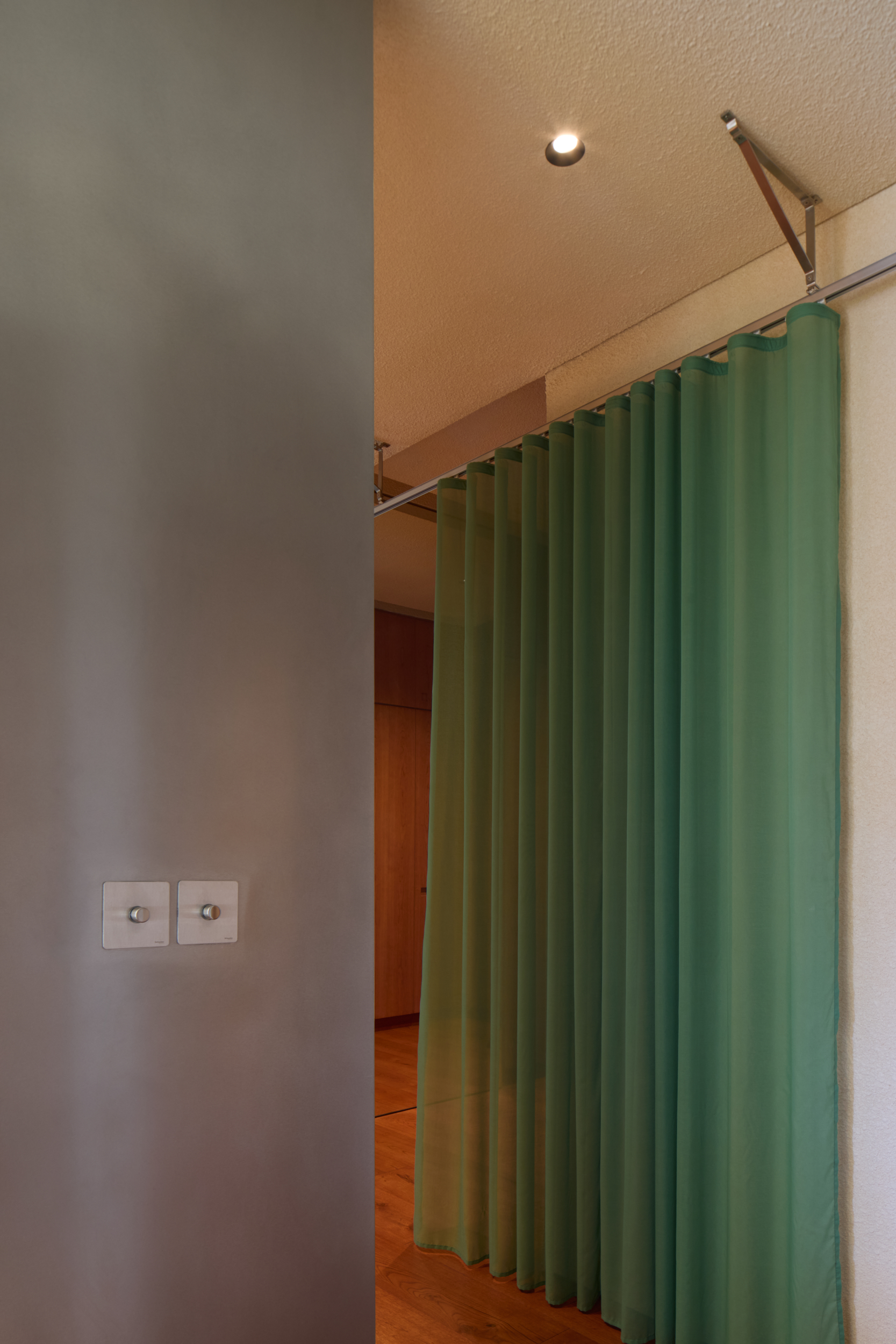
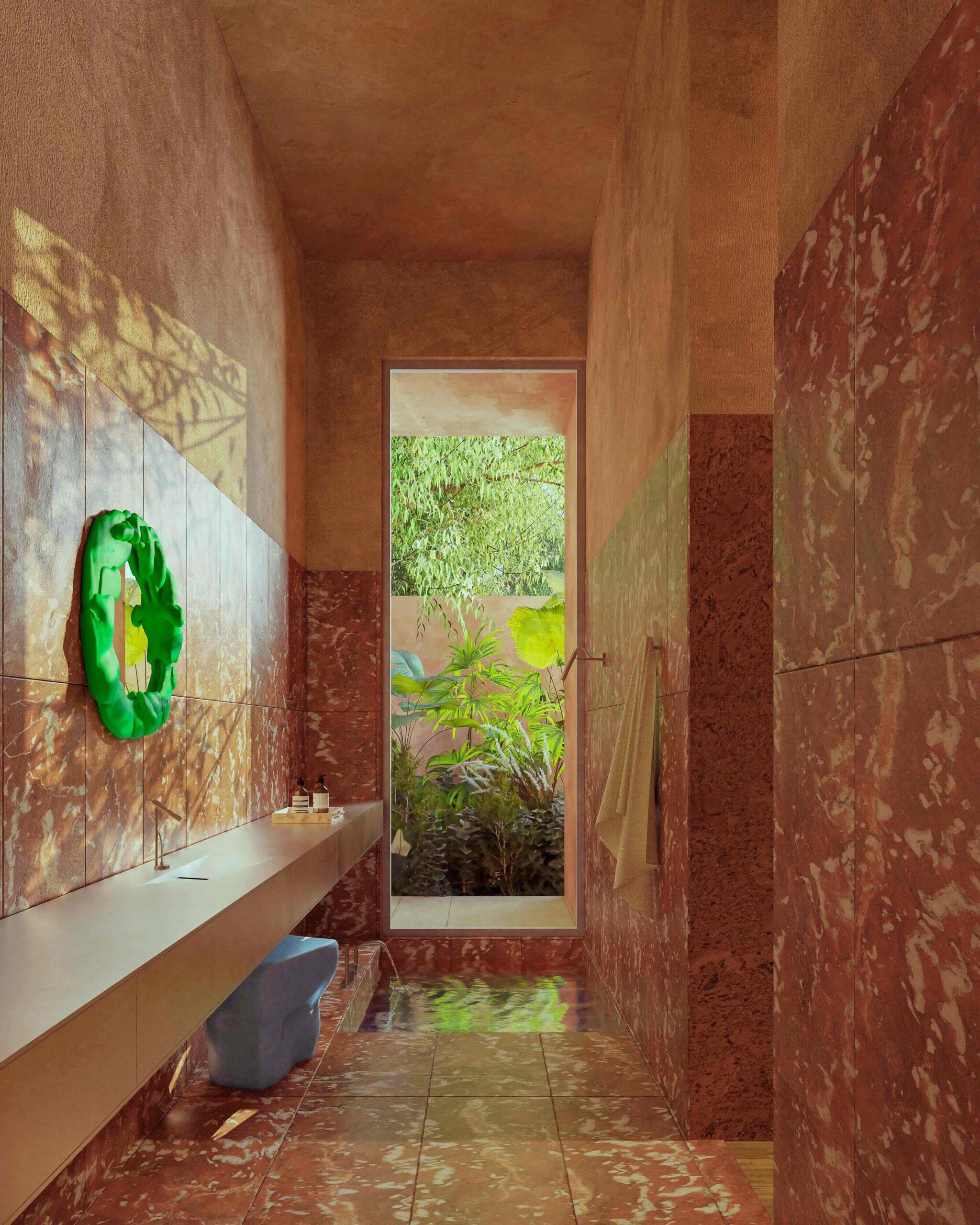
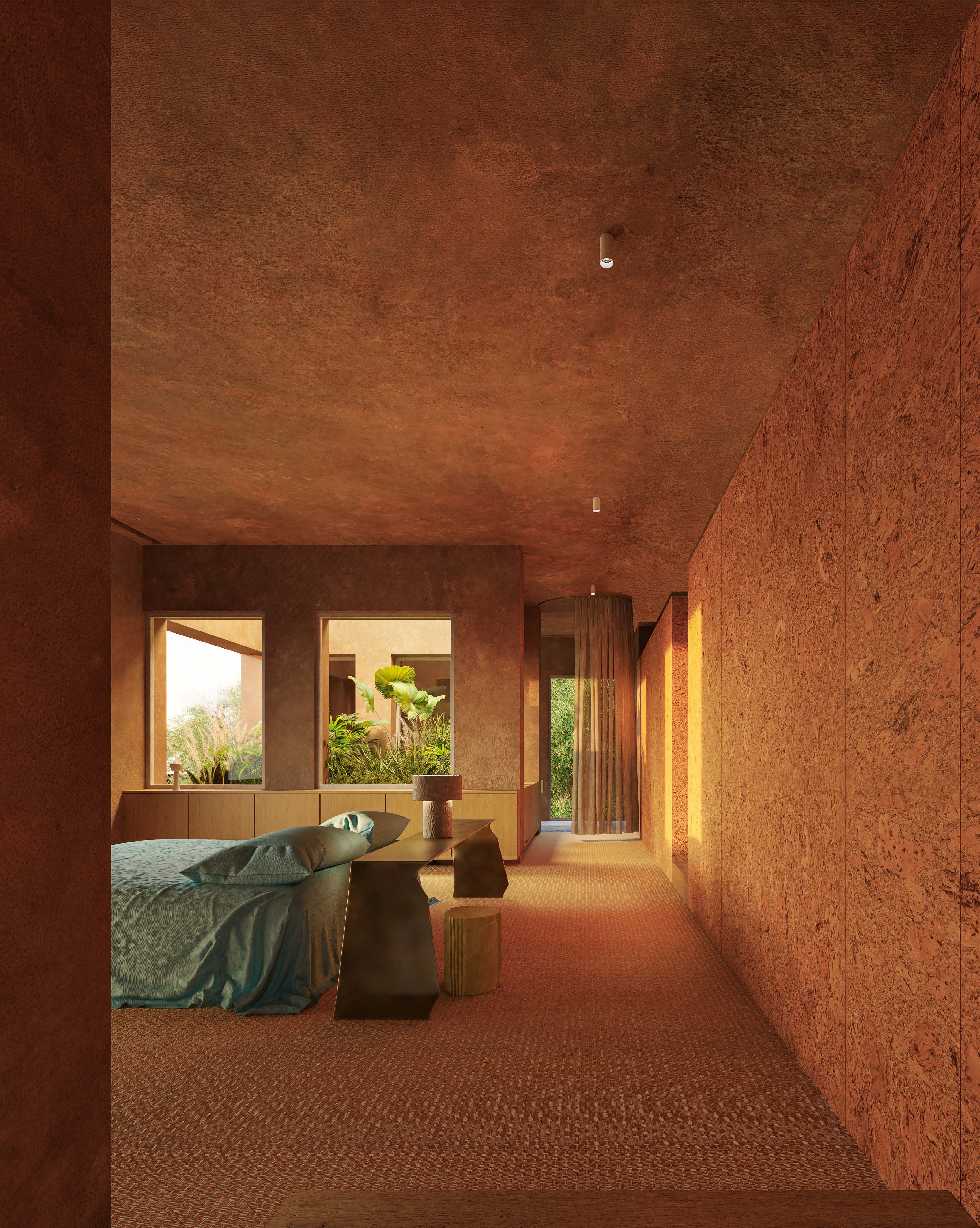
Materiality played a central role in establishing mood and comfort. A tactile lime-based stucco envelopes the walls and ceilings, bringing warmth, texture, and acoustic softness. In contrast, handmade glazed green tiles punctuate the surfaces with depth and vibrancy. Kvadrat curtains in coral, green, and lilac tones add softness and chromatic rhythm, while rich nut-toned timber and cork floors ground the interior in a natural palette. The bedrooms are finished with cork—a forgiving, quiet material that enhances the sense of calm and comfort. The bathrooms showcase bold material juxtapositions: stainless steel cladding for the custom shower-bathtub enclosure contrasts with soft-hued Portuguese stone, playing with temperature and texture in a single, sculptural gesture.

Throughout, the design embraces contrasts—rough and smooth, matte and glazed, opaque and translucent—to craft a layered and sensorial living environment.

VisualisationOzu

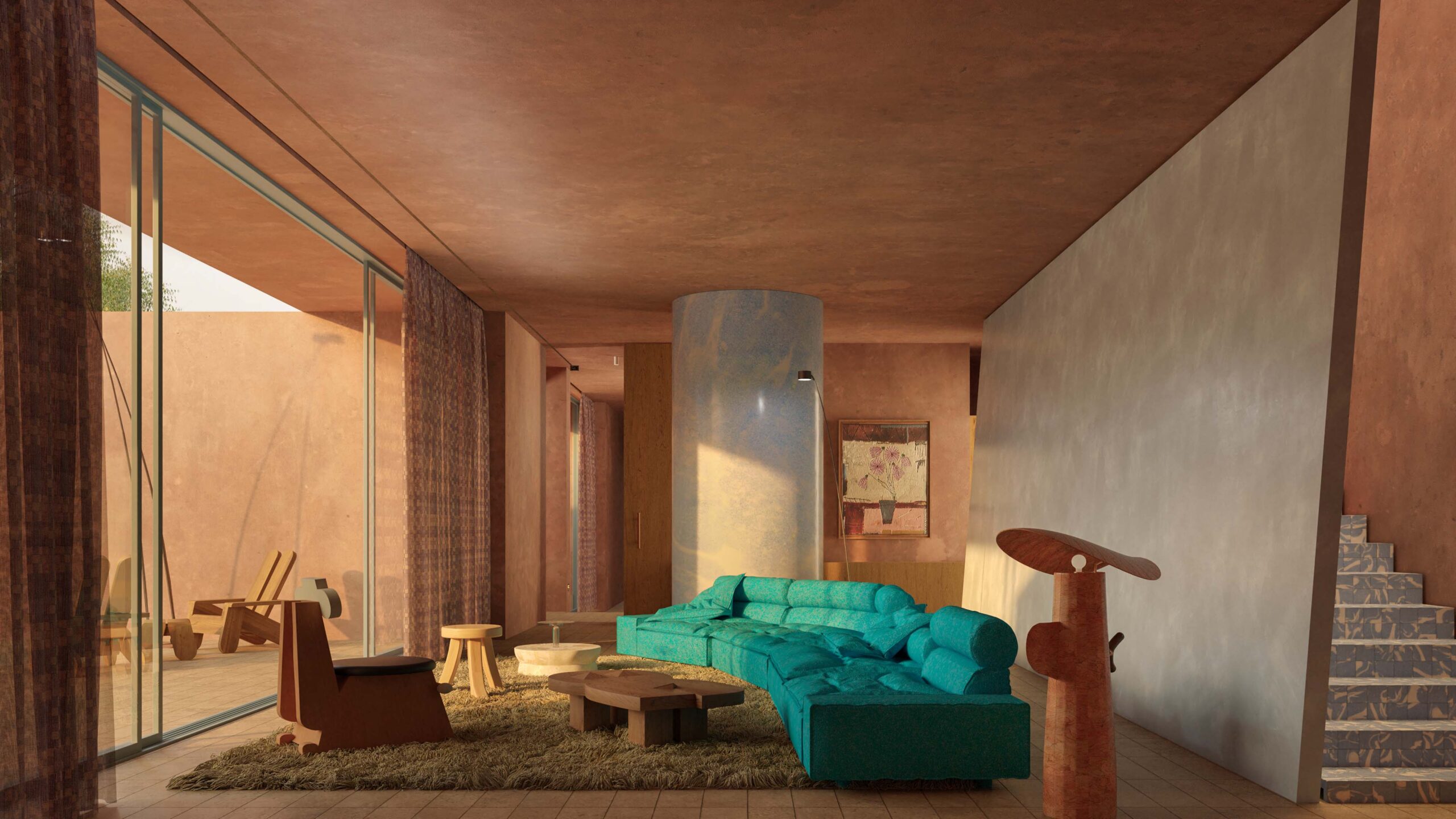
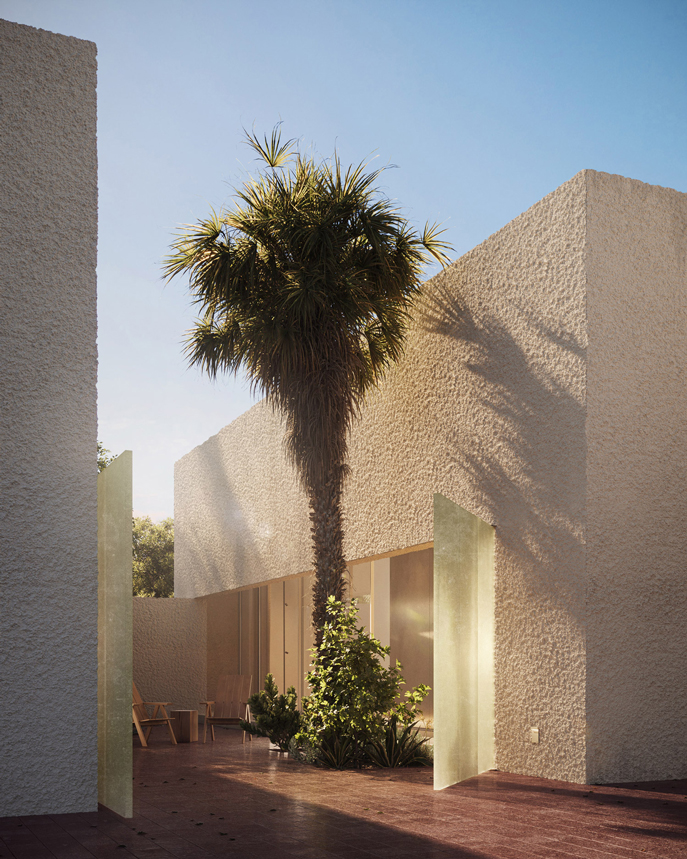
A private family residence in Dubai, this new architectural build is conceived as a harmonious blend of architecture and nature, seamlessly integrating the garden with the internal spaces. Each area is designed with direct access to lush gardens and serene courtyards, fostering a constant connection with nature. The ground floor is thoughtfully divided into distinct volumes, allowing the spaces in between to become areas of circulation. The staircase, perceived as a sculptural volume of its own, serves as a central axis connecting the ground floor to the upper level. On the upper level, the bedrooms are strategically positioned to overlook private courtyards, ensuring an abundance of natural light and providing views of greenery.

The upper level is designed to appear as a light, curtained volume, resting upon the solid volumes below. This design choice creates a visual contrast between the airy, delicate upper floor and the grounded, substantial ground floor. The interplay of light and shadow on the curtained facade adds a dynamic quality to the building’s appearance throughout the day.

LightingFabraca
FurnitureLiving Divani
PhotographyOculis Project

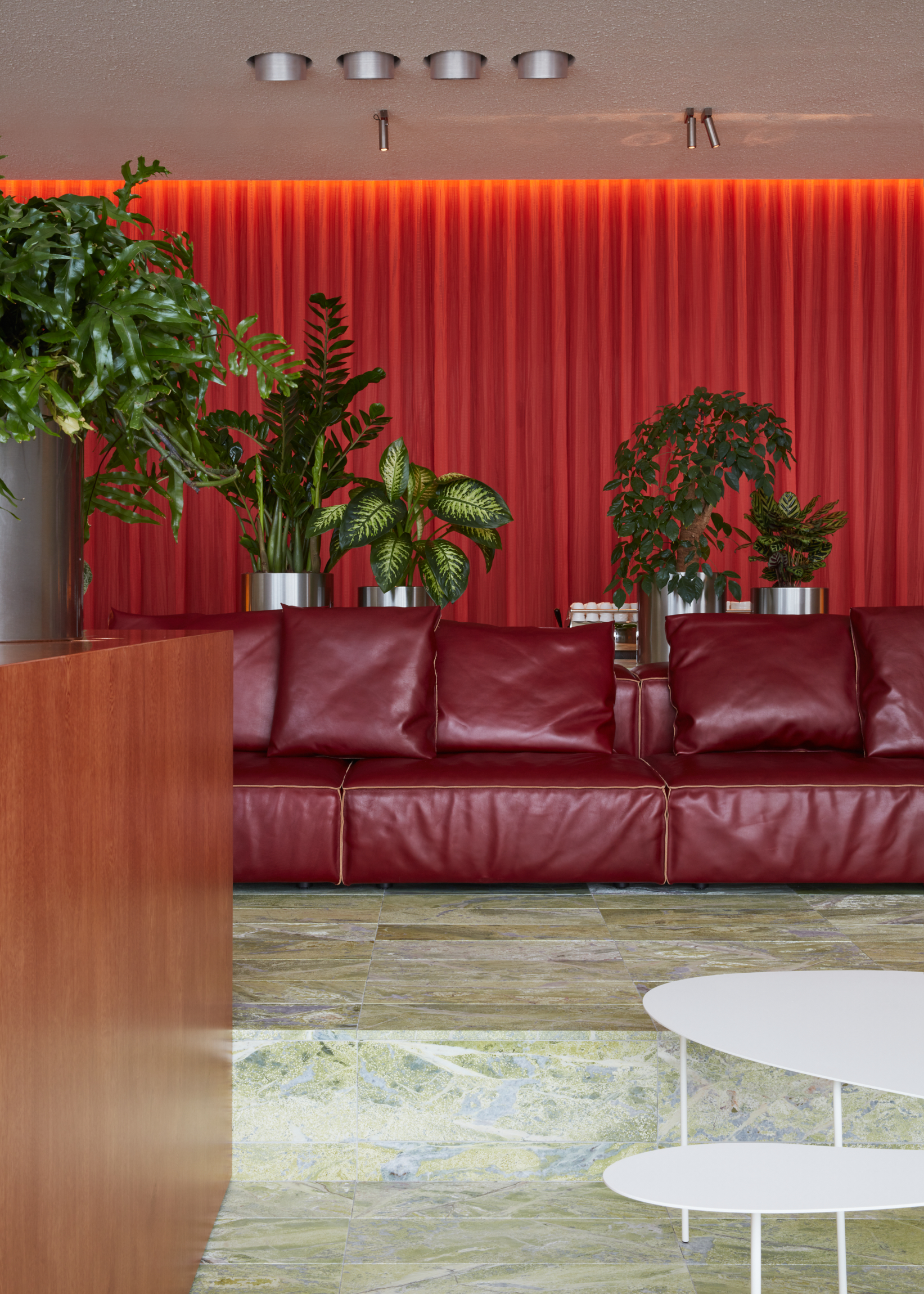
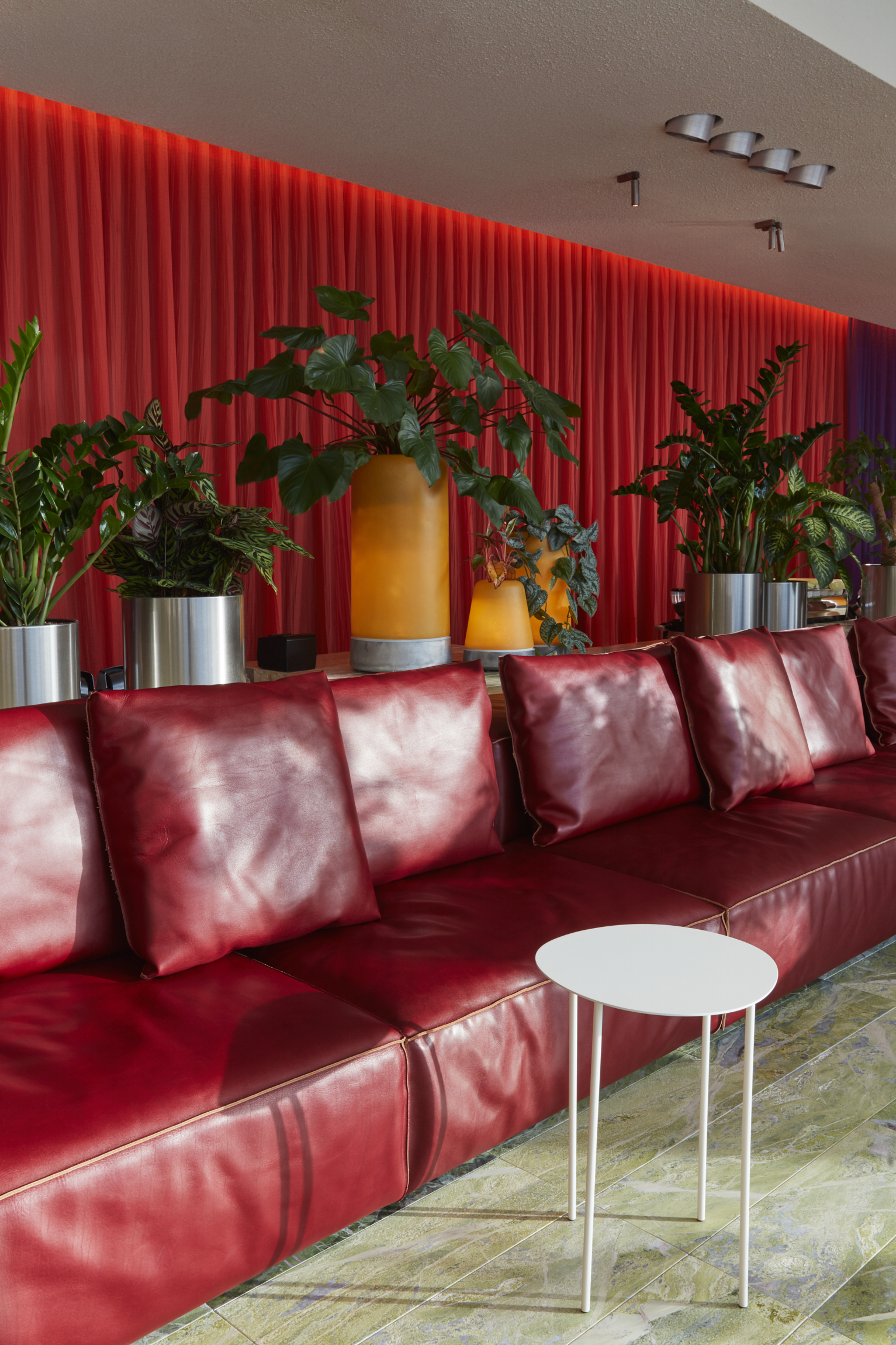
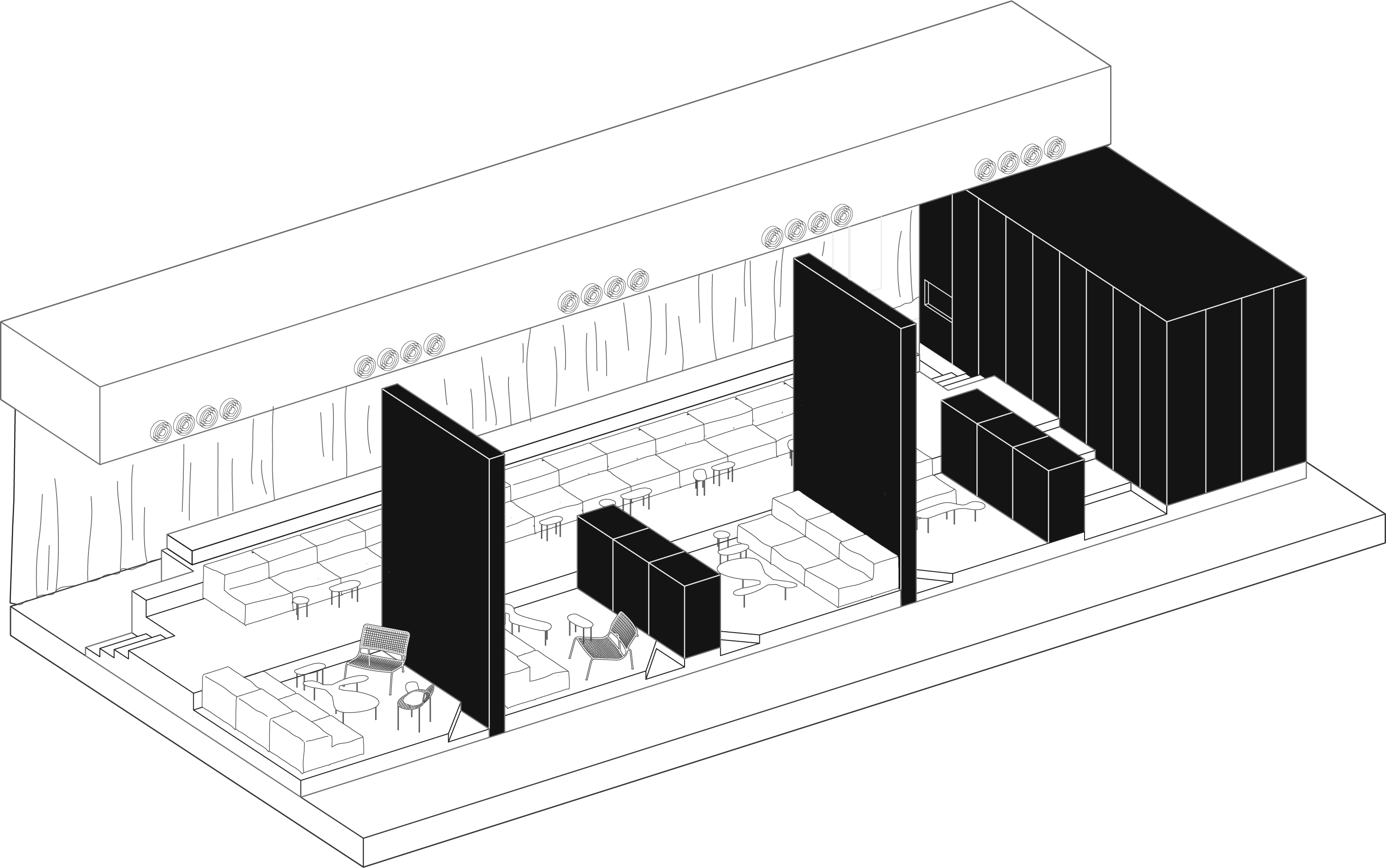
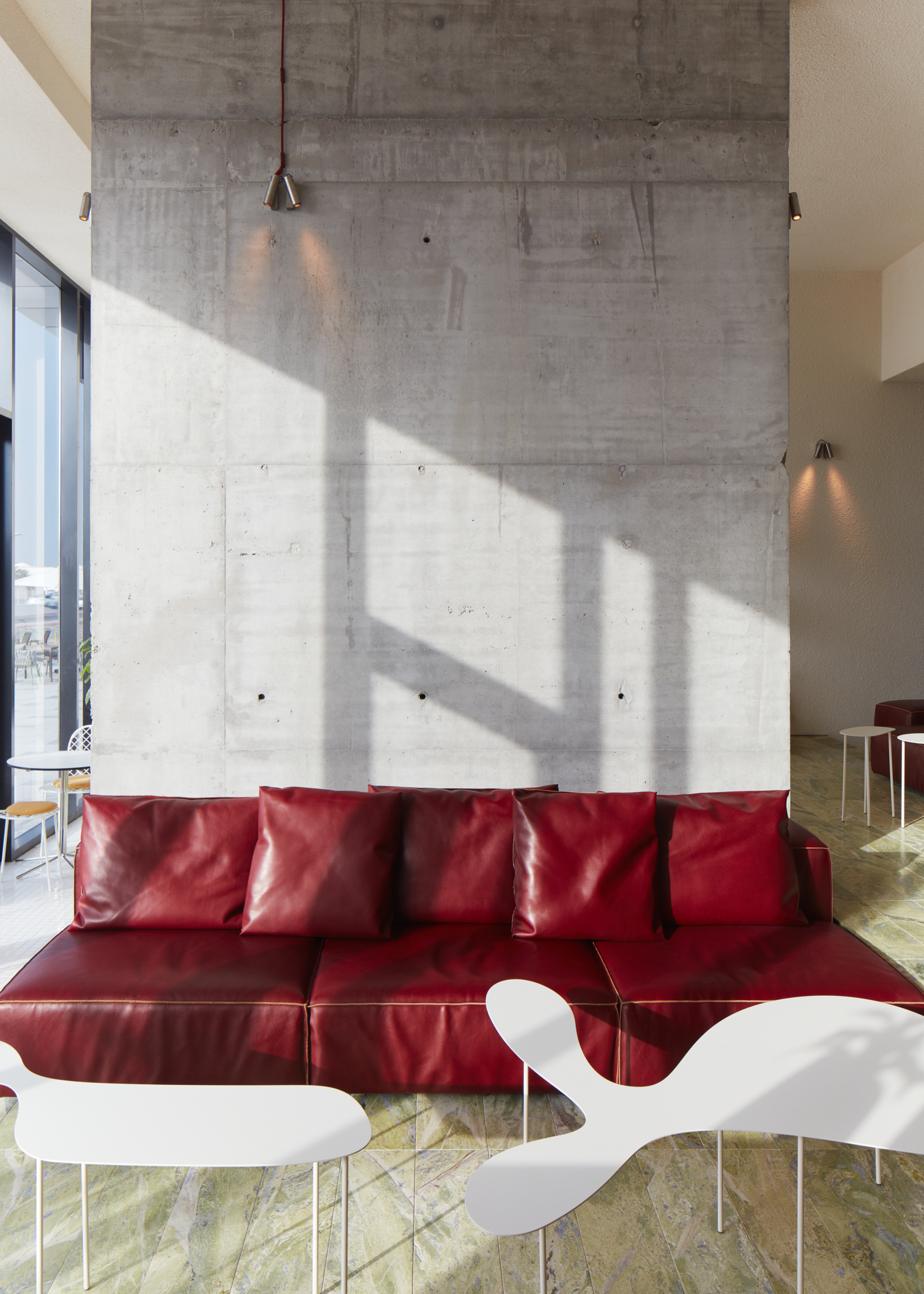
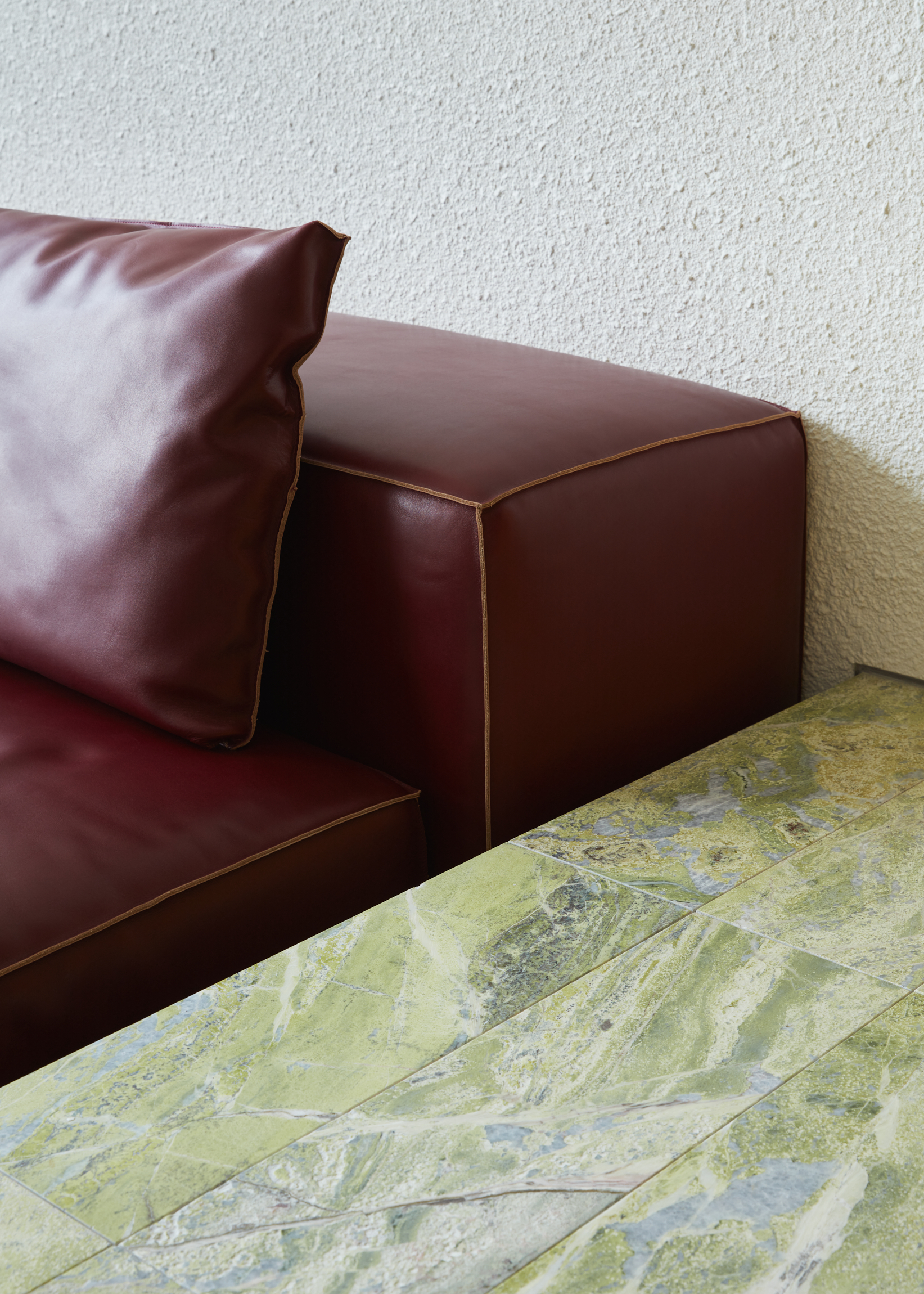
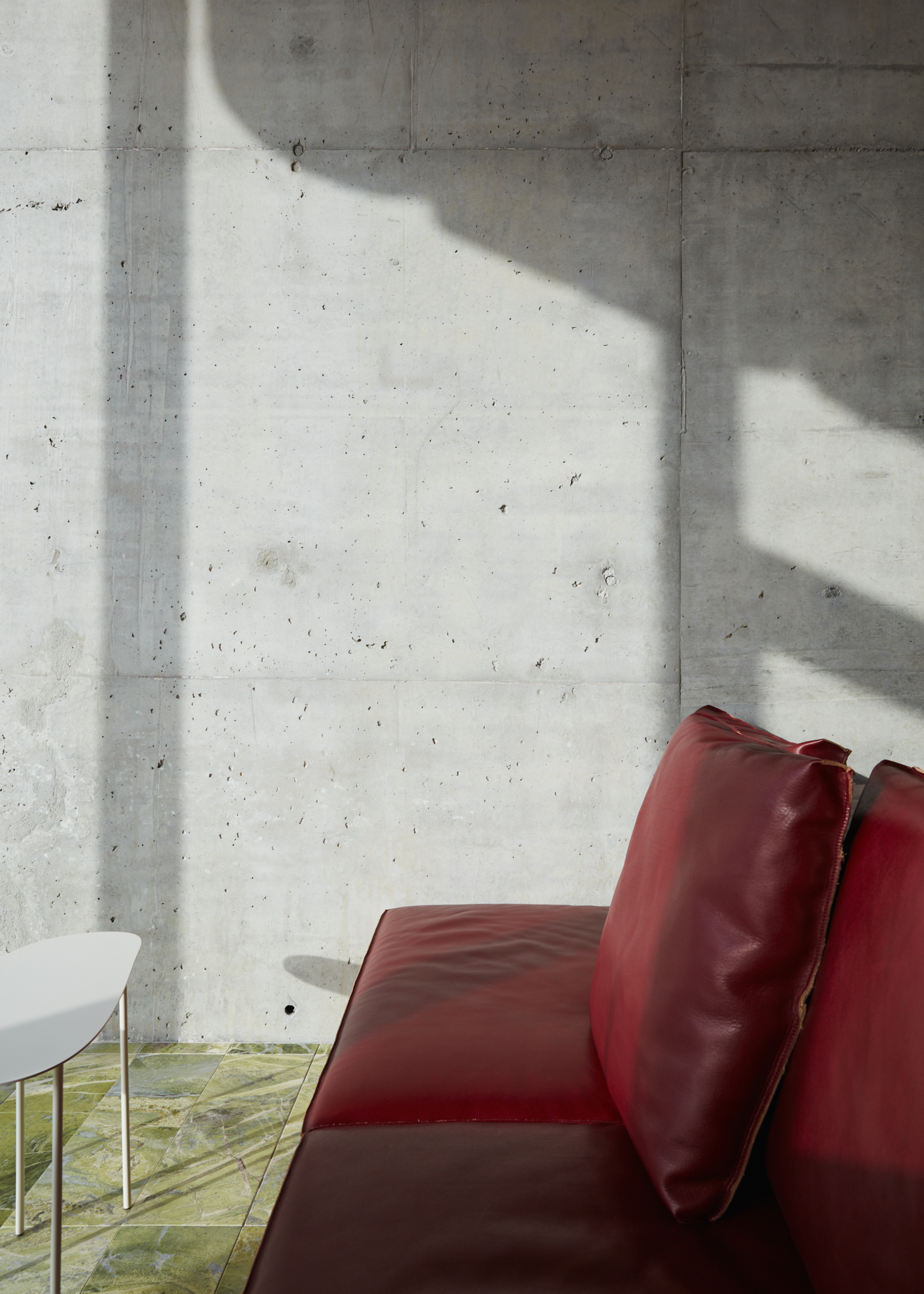
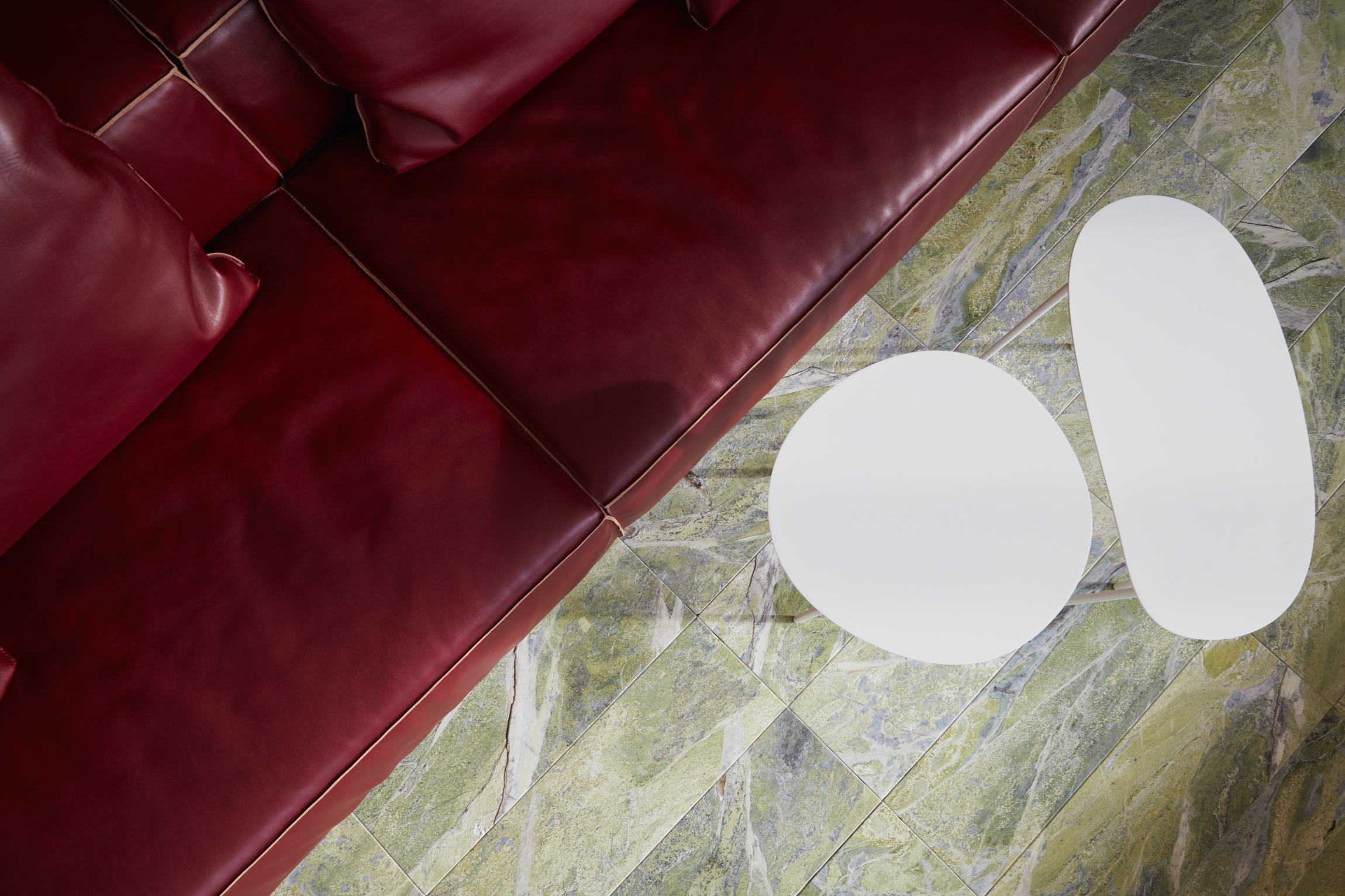
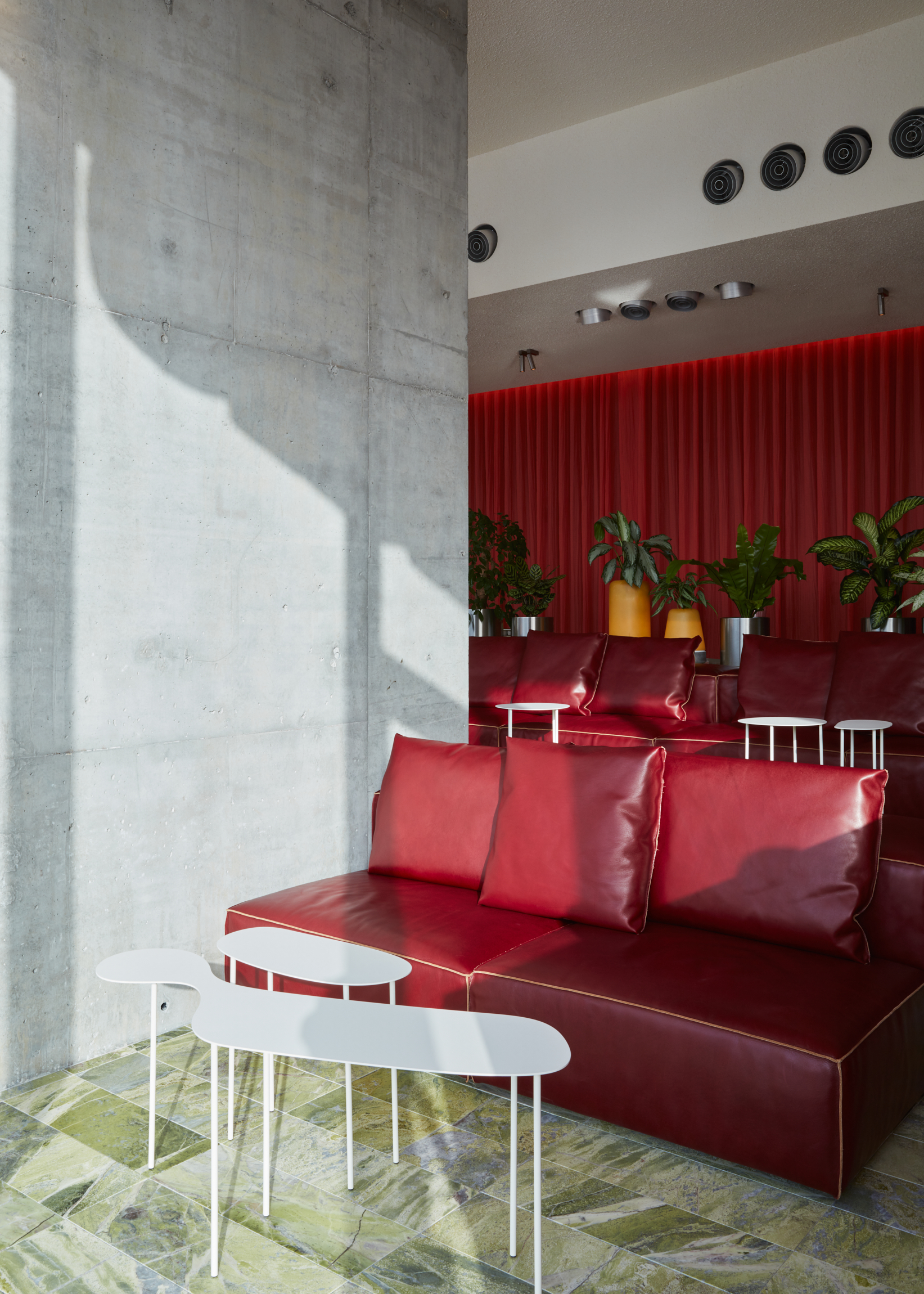
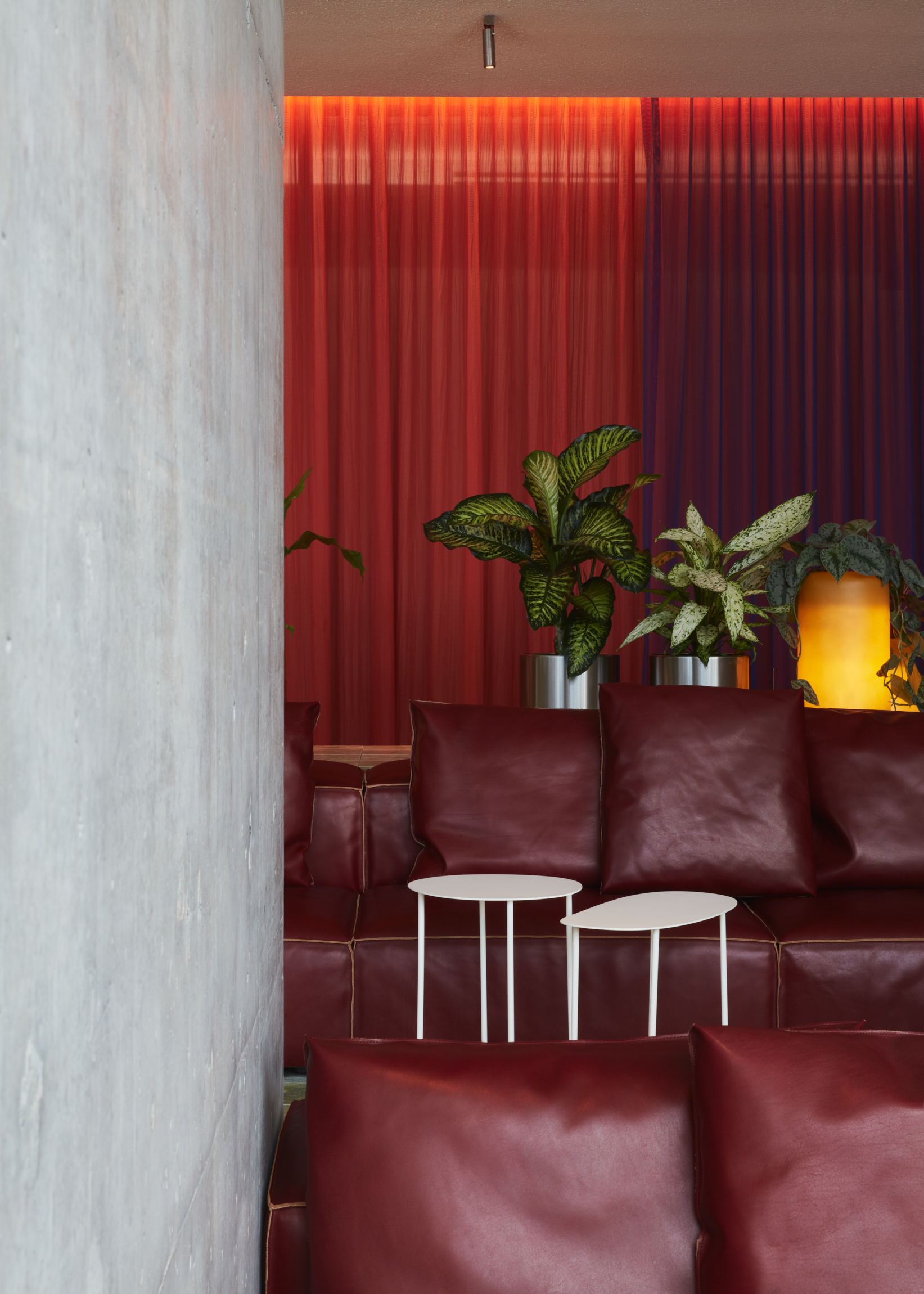
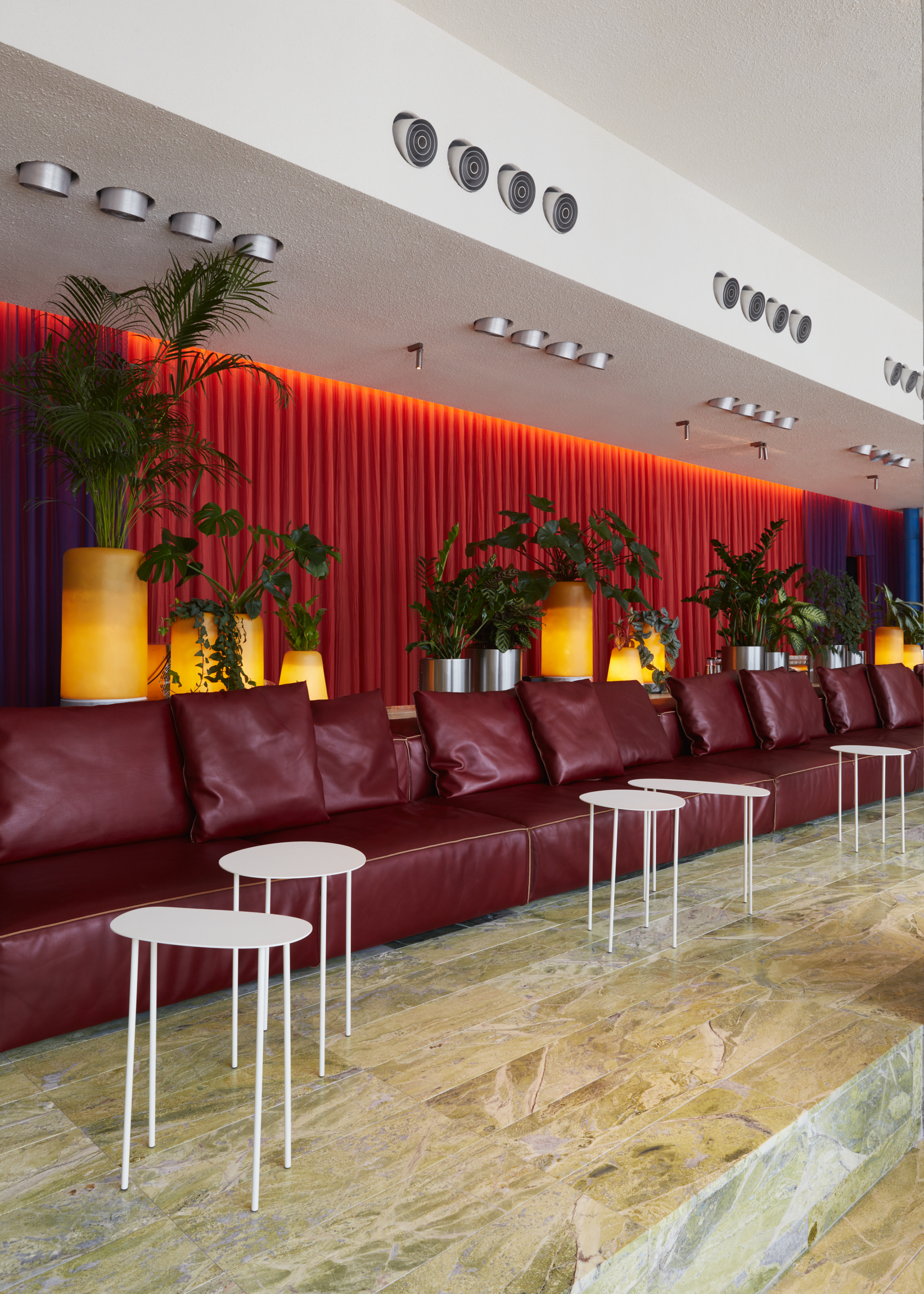
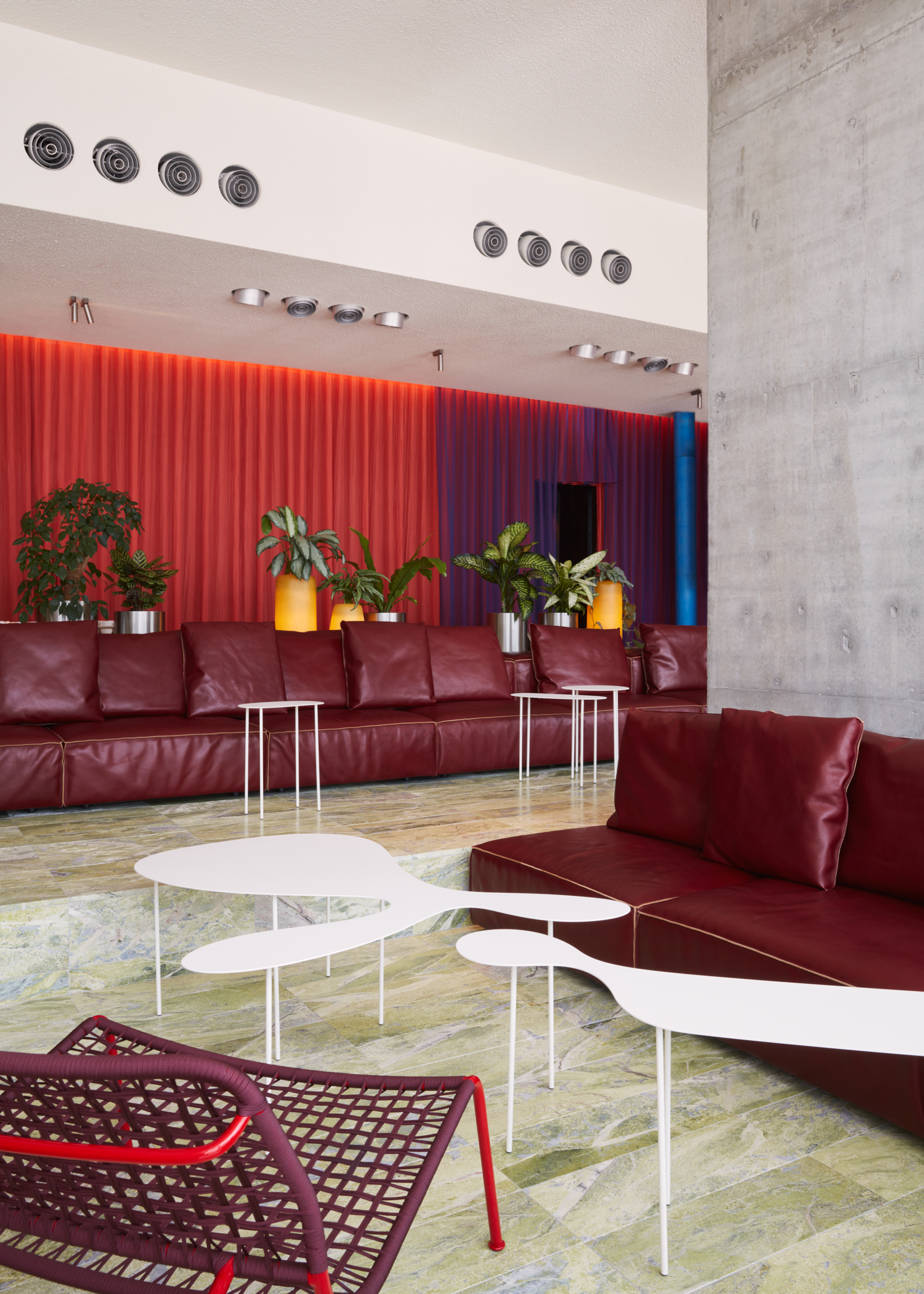
Onda introduces a dynamic spatial topography that enhances the dining experience through varied elevations, ensuring a discreet yet impactful presence of the bar. The design features a series of rich, deep red leather sofas by Living Divani, forming a continuous seating arrangement that offers a comprehensive view of the dining space.

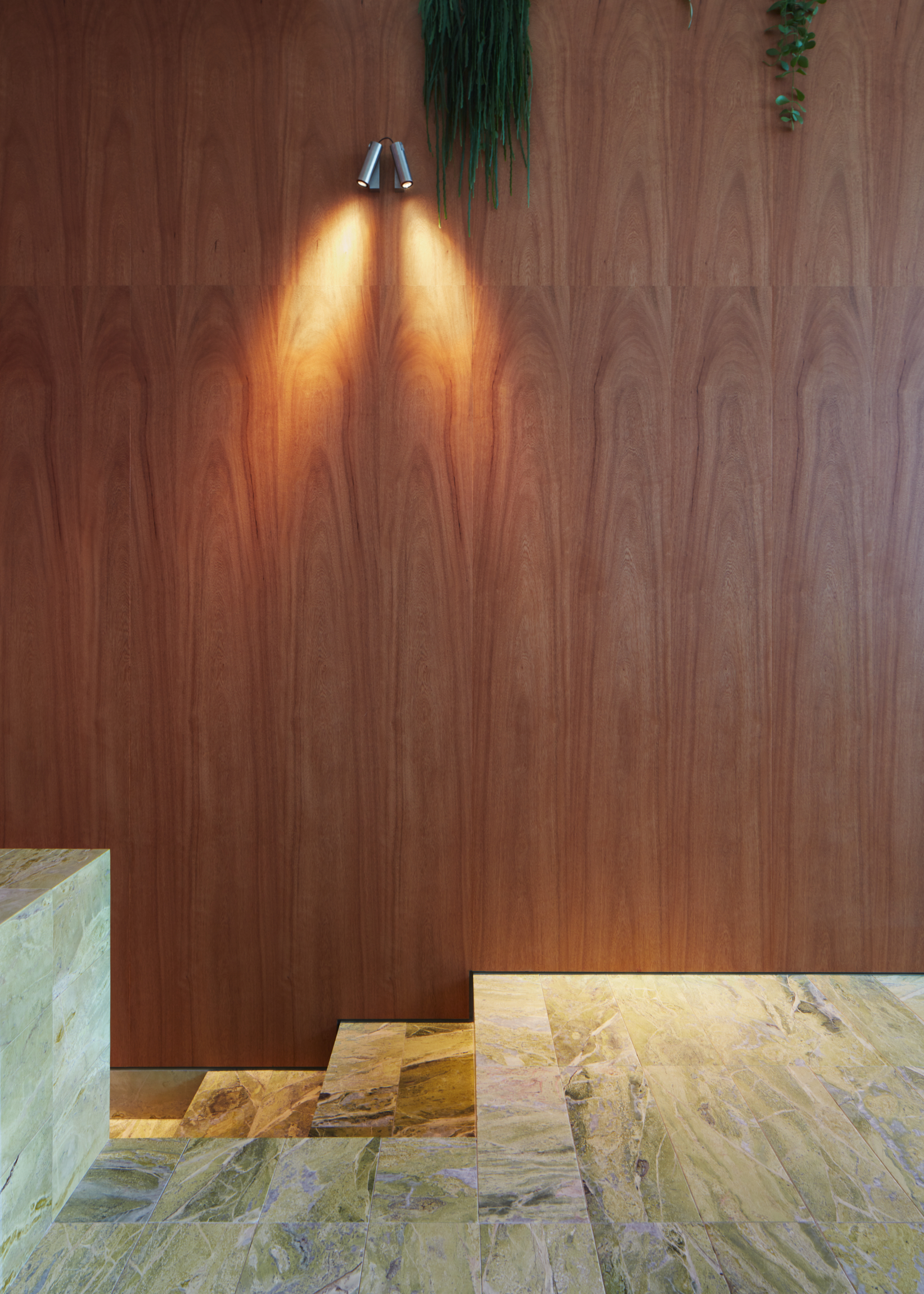
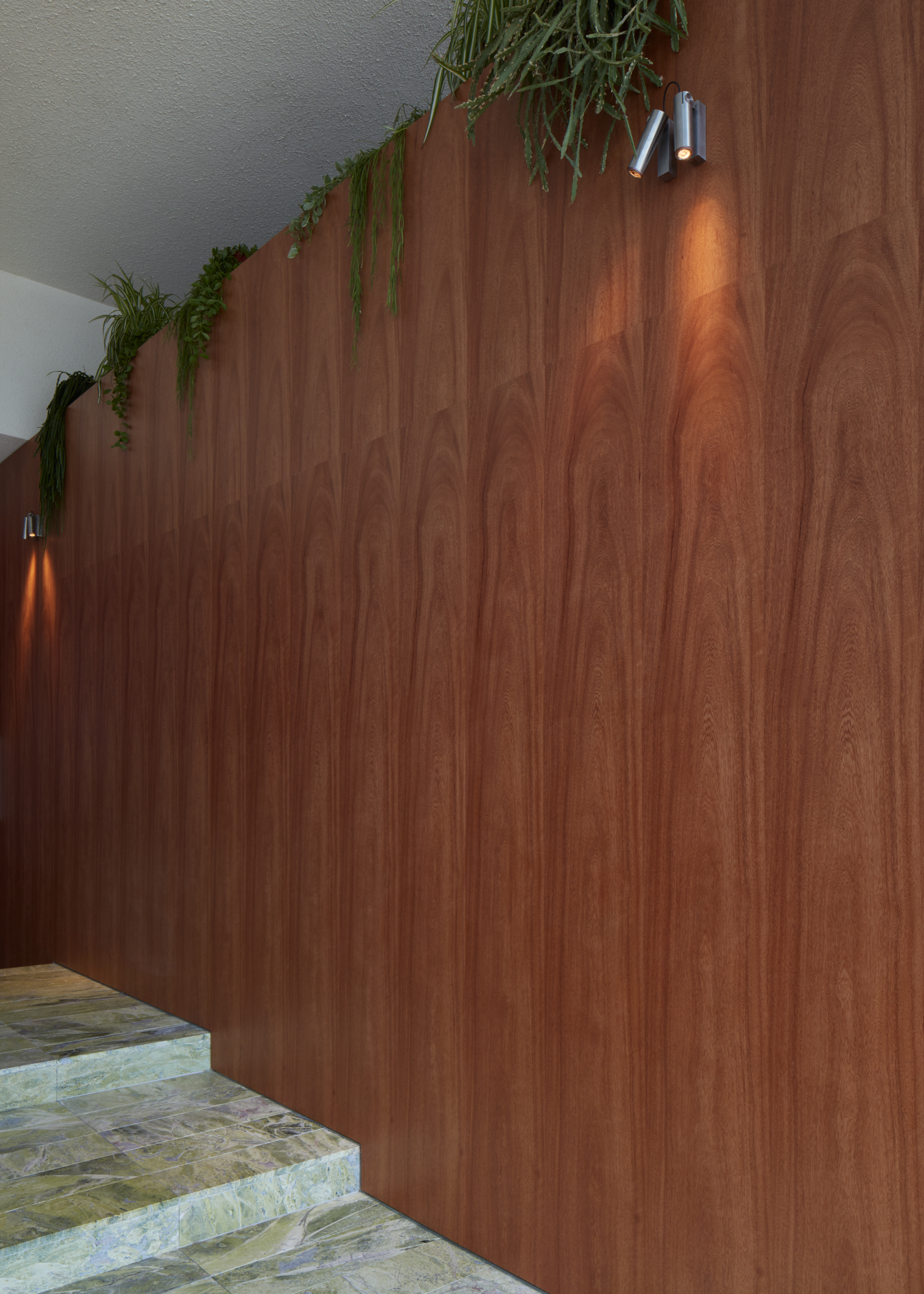
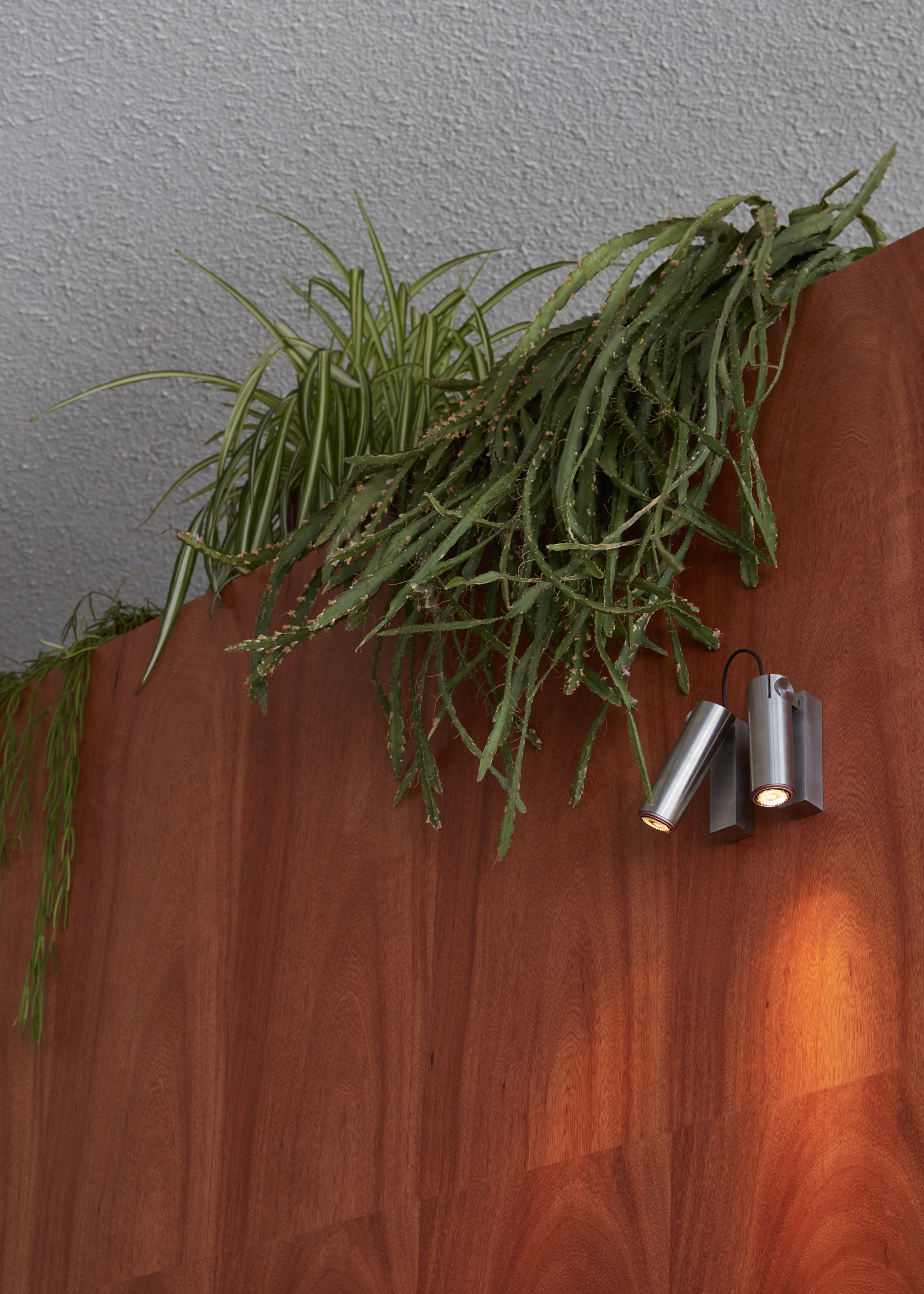
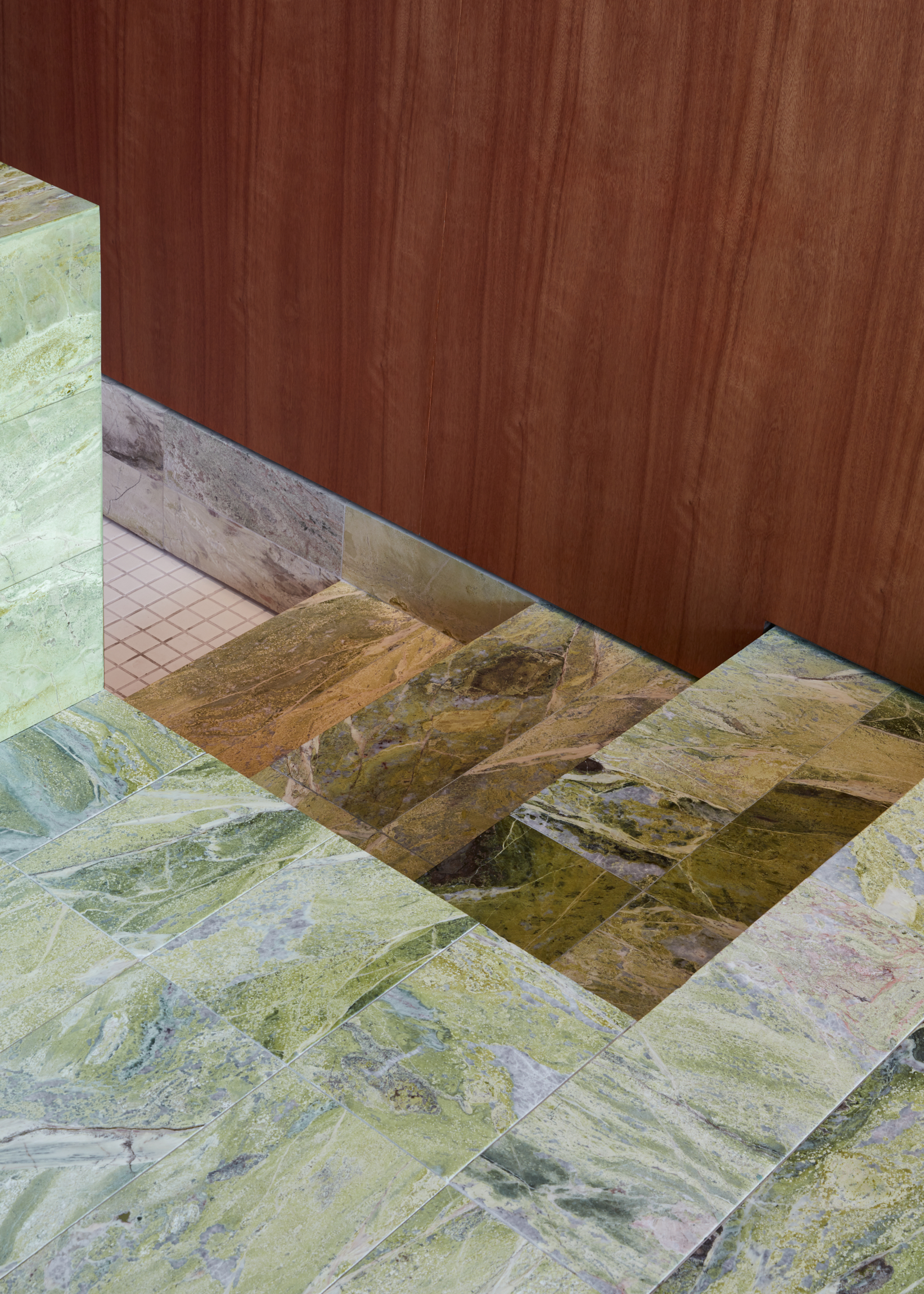
The platforms, covered in leathered Irish Green Stone, add a tactile richness to the environment, while the walls and volumes, constructed from warm cherry wood, provide a harmonious contrast. This choice of materials creates a seamless blend of natural elements and bold aesthetics.

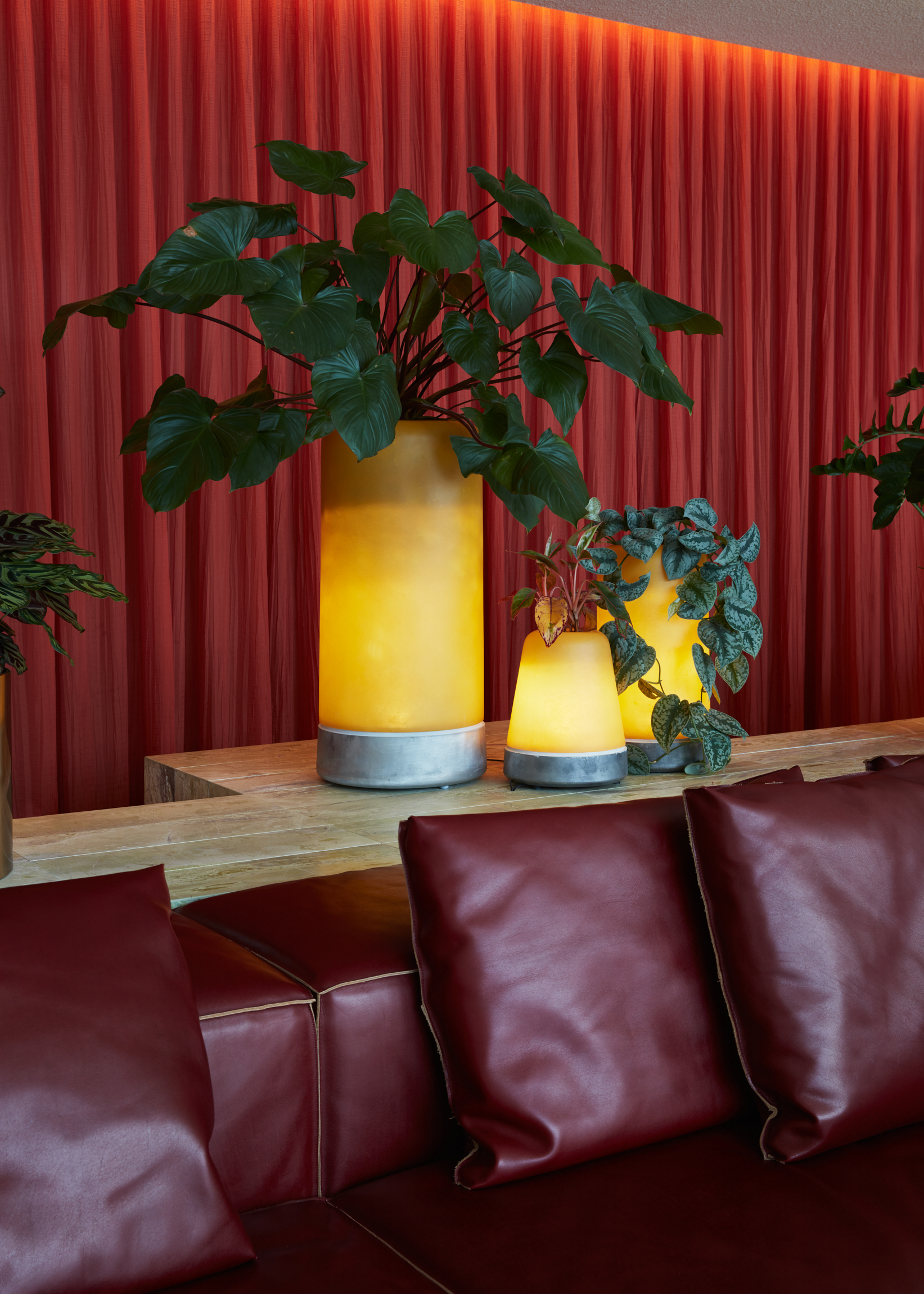
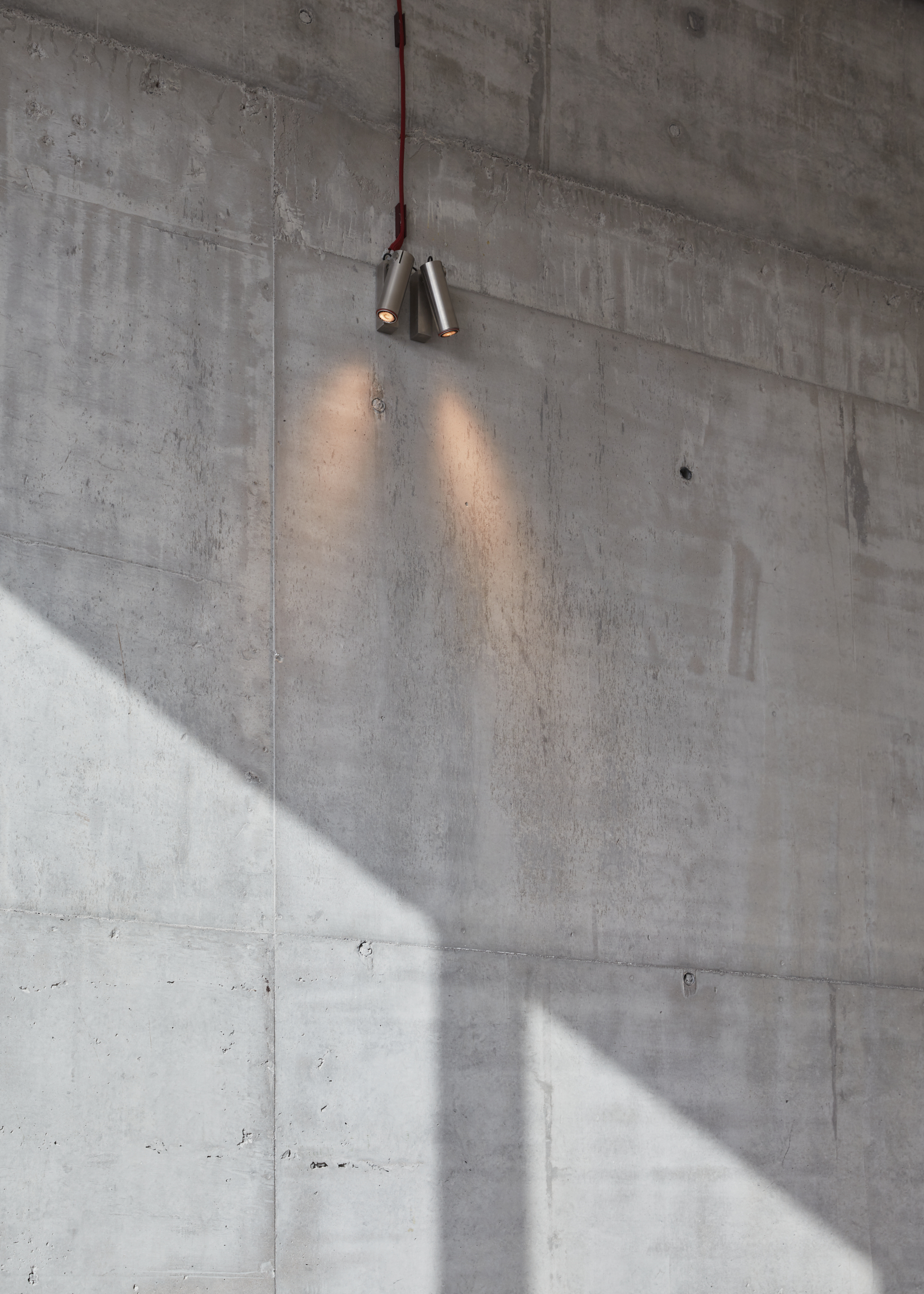
A luminous curtain backdrop behind the bar evokes a theatrical atmosphere, adding depth and intrigue to the space. The lighting strategy, meticulously crafted by Fabraca Studios, integrates illumination within fiberglass planters, casting a soft glow that enhances the bar platform and other key areas. This thoughtful lighting design not only highlights the architectural features but also adds a natural layer of warmth and intimacy to the space.

The spatial arrangement ensures that each customer enjoys a unique perspective, with seating at different elevations creating a dynamic and engaging dining environment. Onda’s design celebrates the interplay of light, material, and elevation, offering an immersive and inviting experience that is both playful and refined.
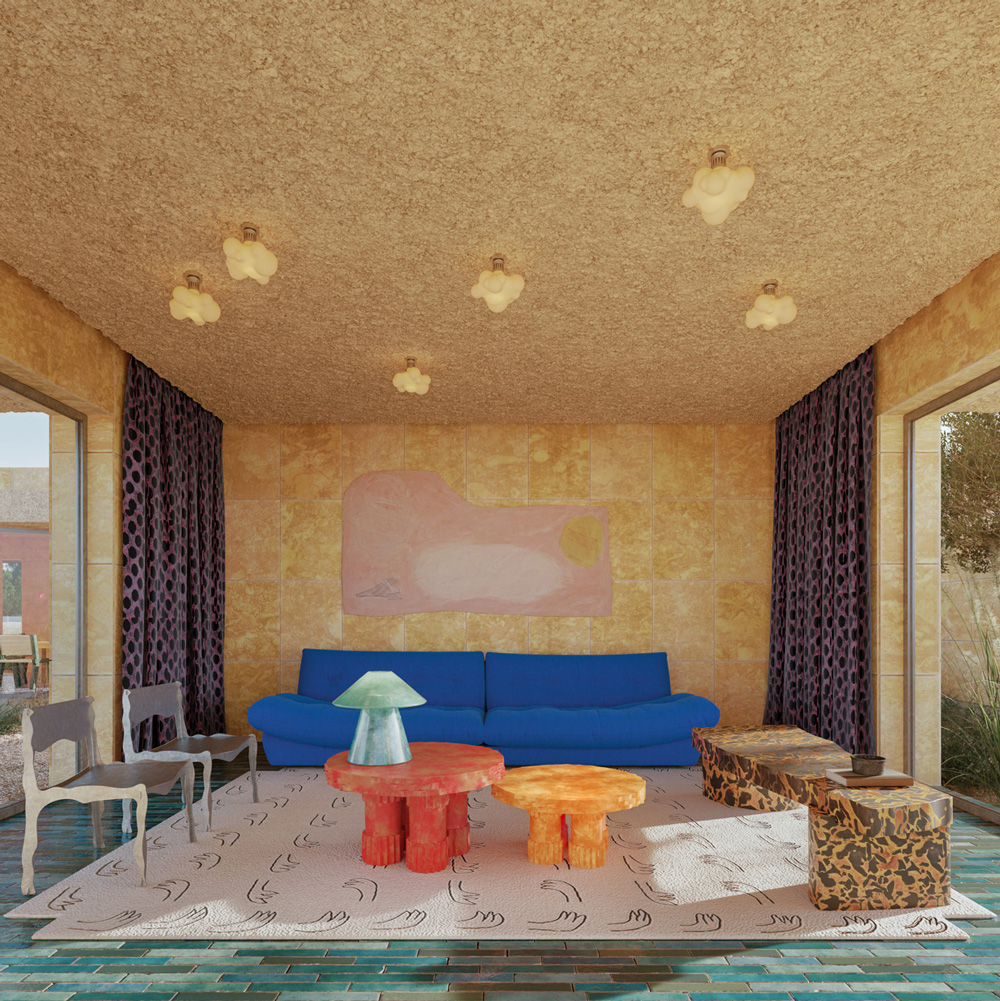
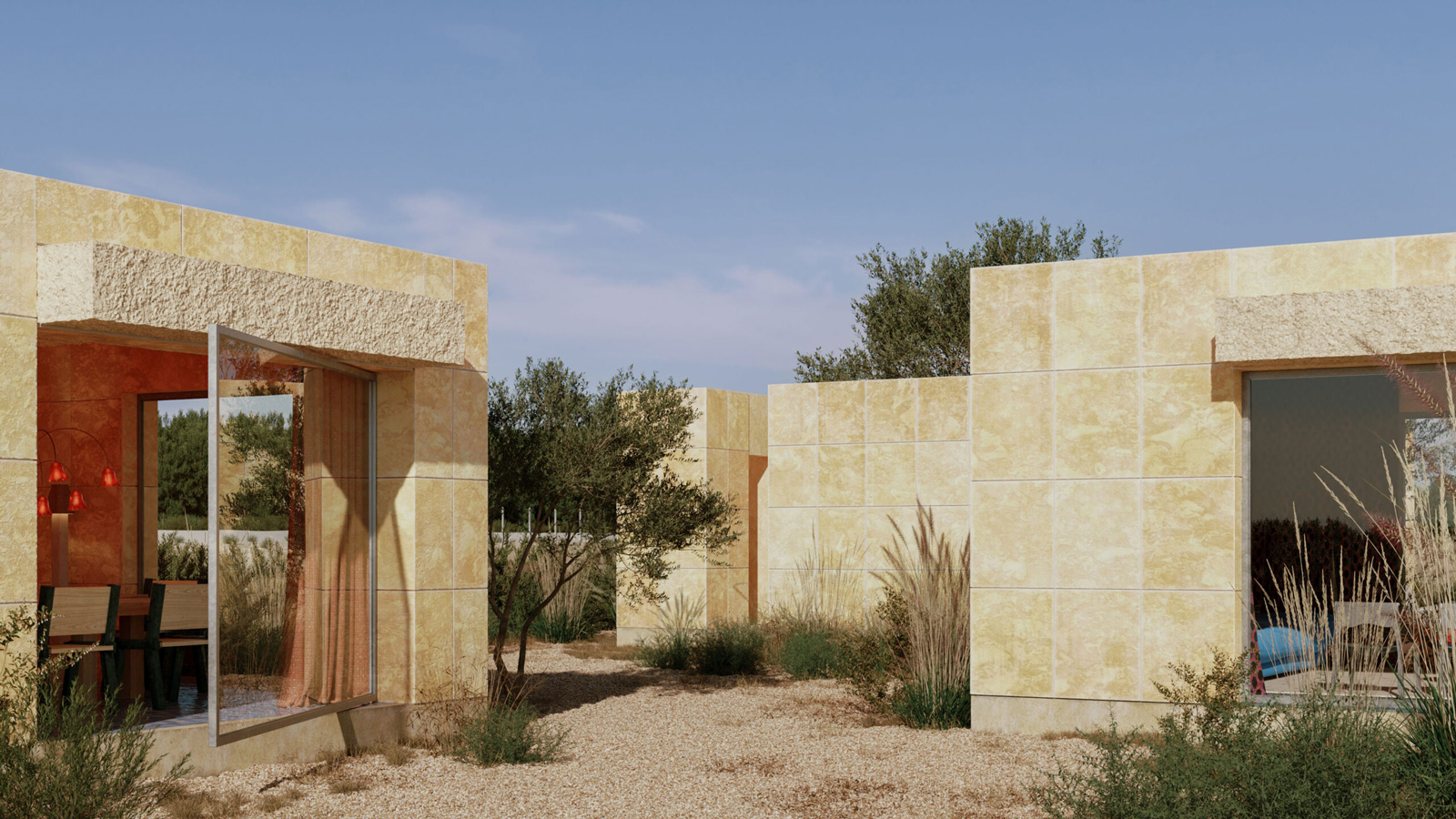
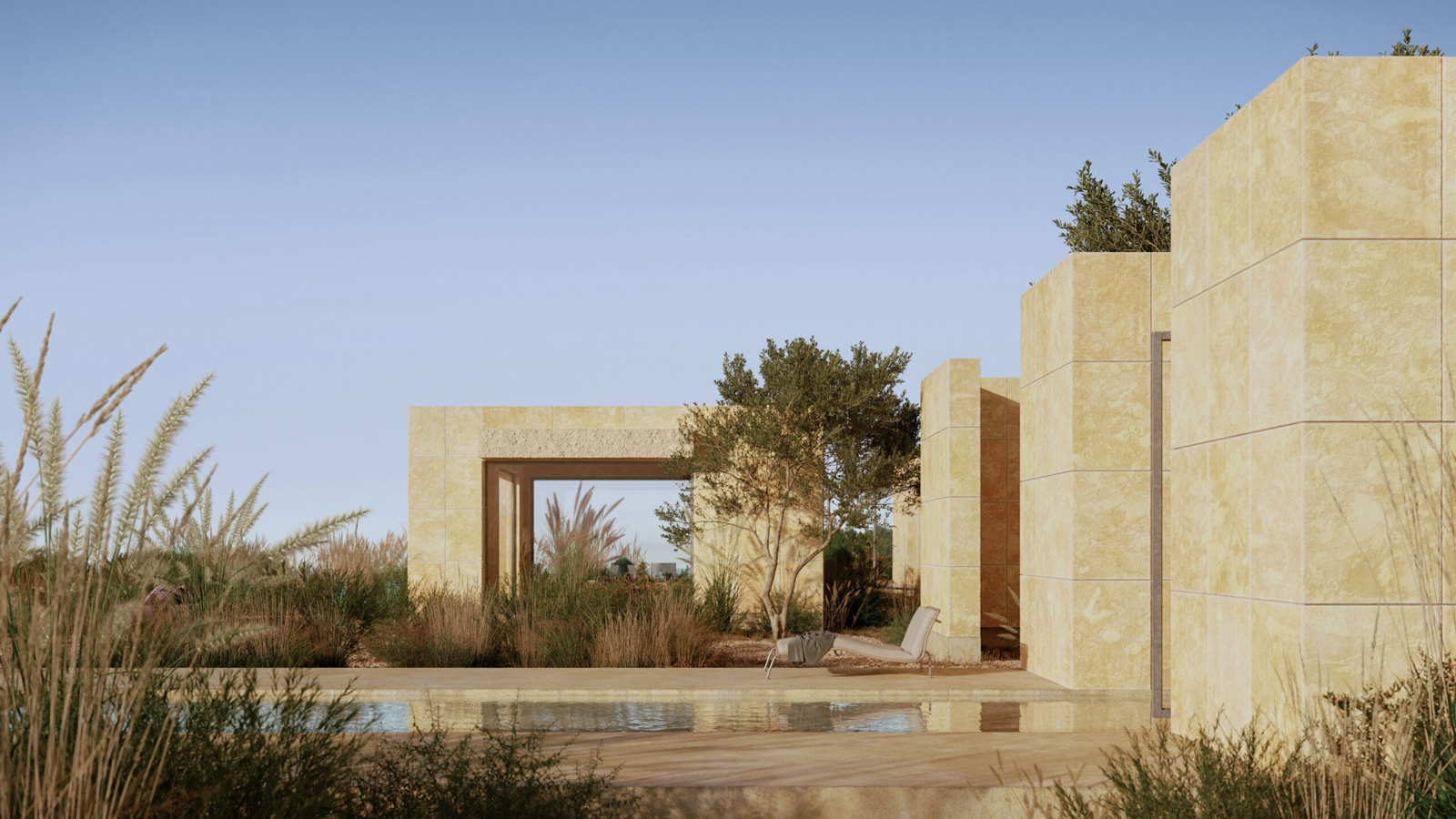
A private getaway home with expansive views of Abu Dhabi’s mangroves fragmented into a collection of four individual pavilions, each crafted with blocks of coral stone. Seamlessly blending with nature, the pavilions serve distinct functions – a bedroom with an ensuite bathroom, a living room, an outdoor bathroom, and a kitchen. Through dramatic doors and windows, the boundaries between the interiors and the surrounding environment blur, creating an immersive connection between the buildings, experiencing the beauty of the mangroves unfolding at every turn.
LightingFabraca Studios
MetalMetal Fabrik
Clay PlasterMatteo Brioni
Glazed TilesTajimi
FurnitureGervasoni and Internoitaliano

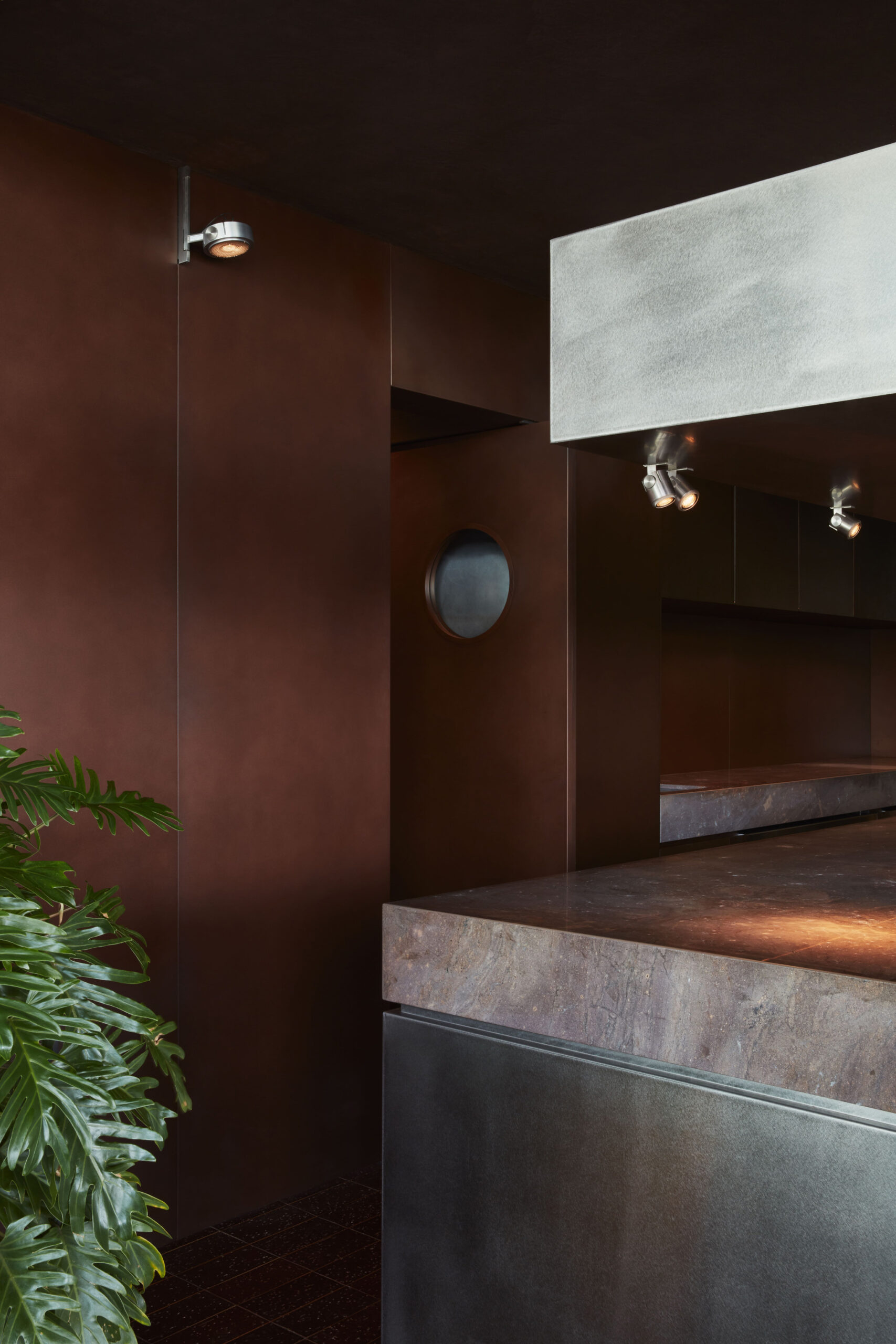
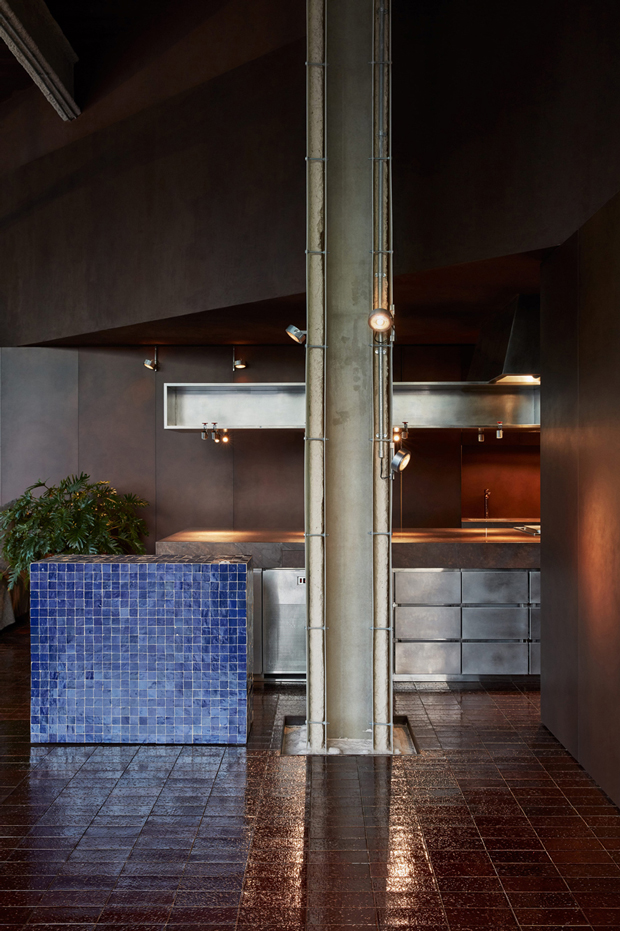
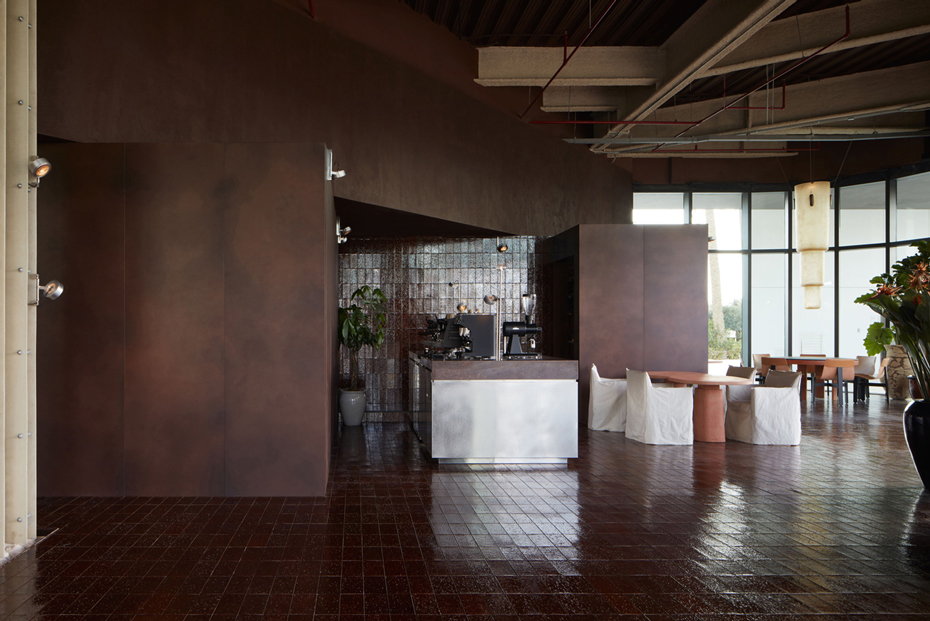
Terra’s new home at Al Qana, Abu Dhabi, seamlessly translates the brand’s distinct architecture while embracing the standards of the local residents and community.
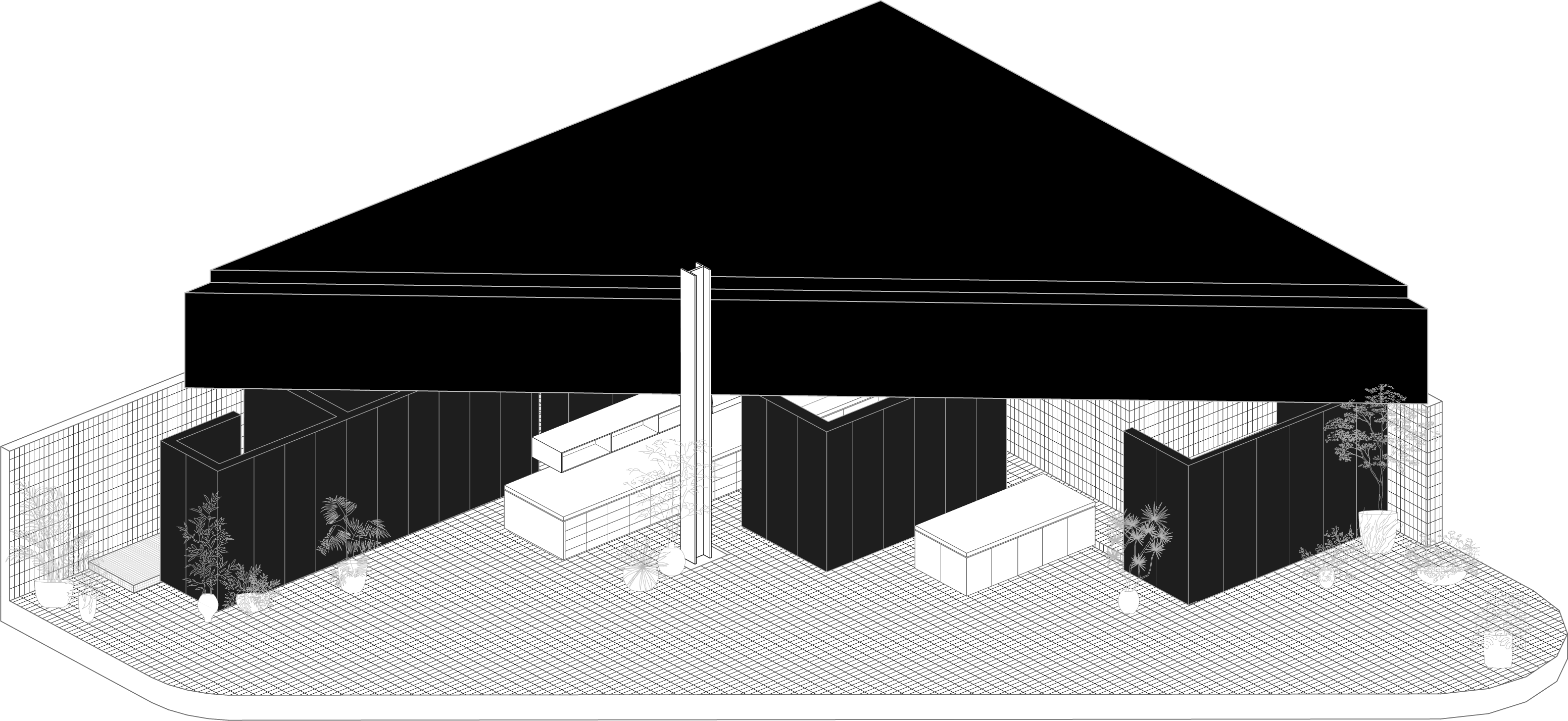
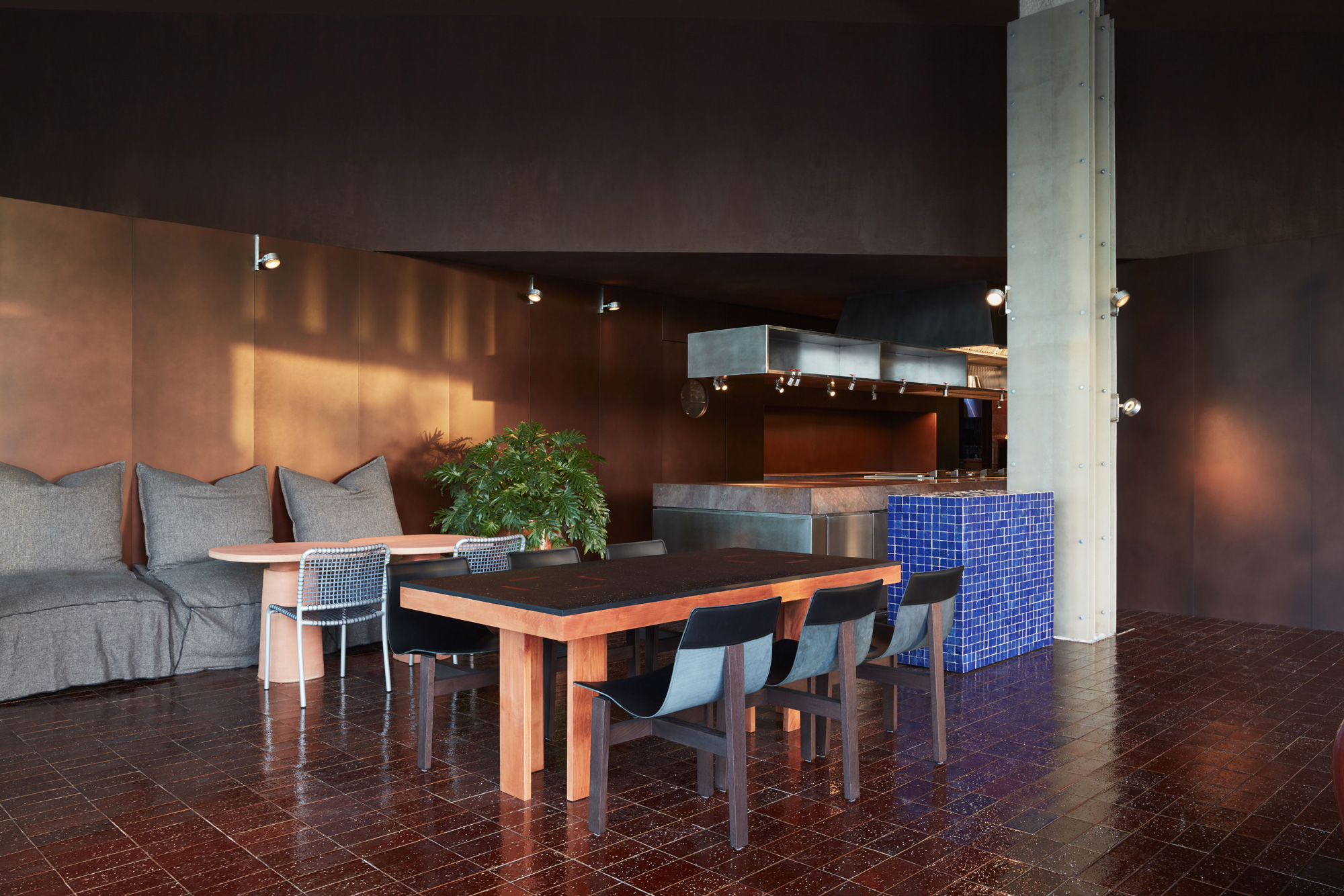
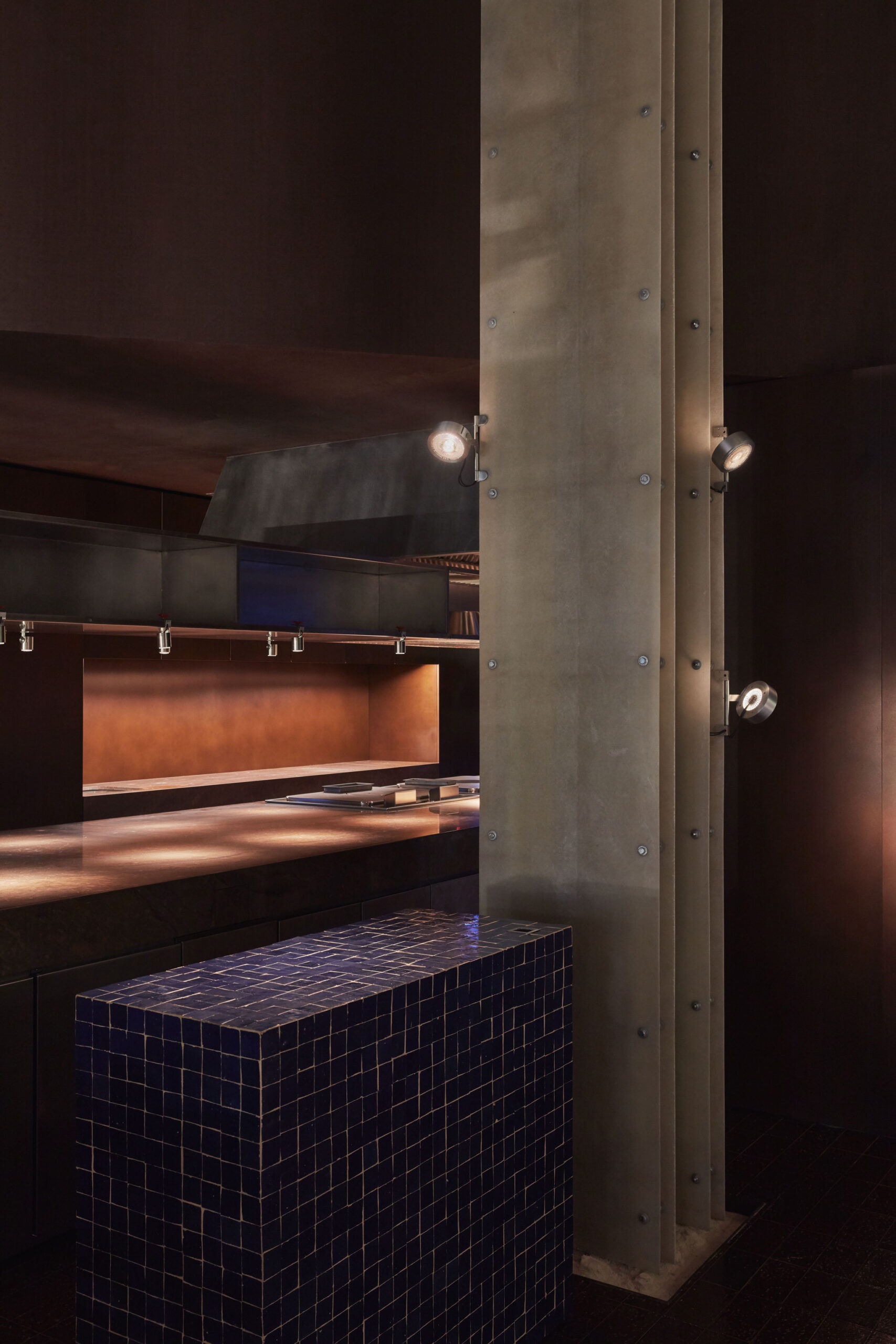
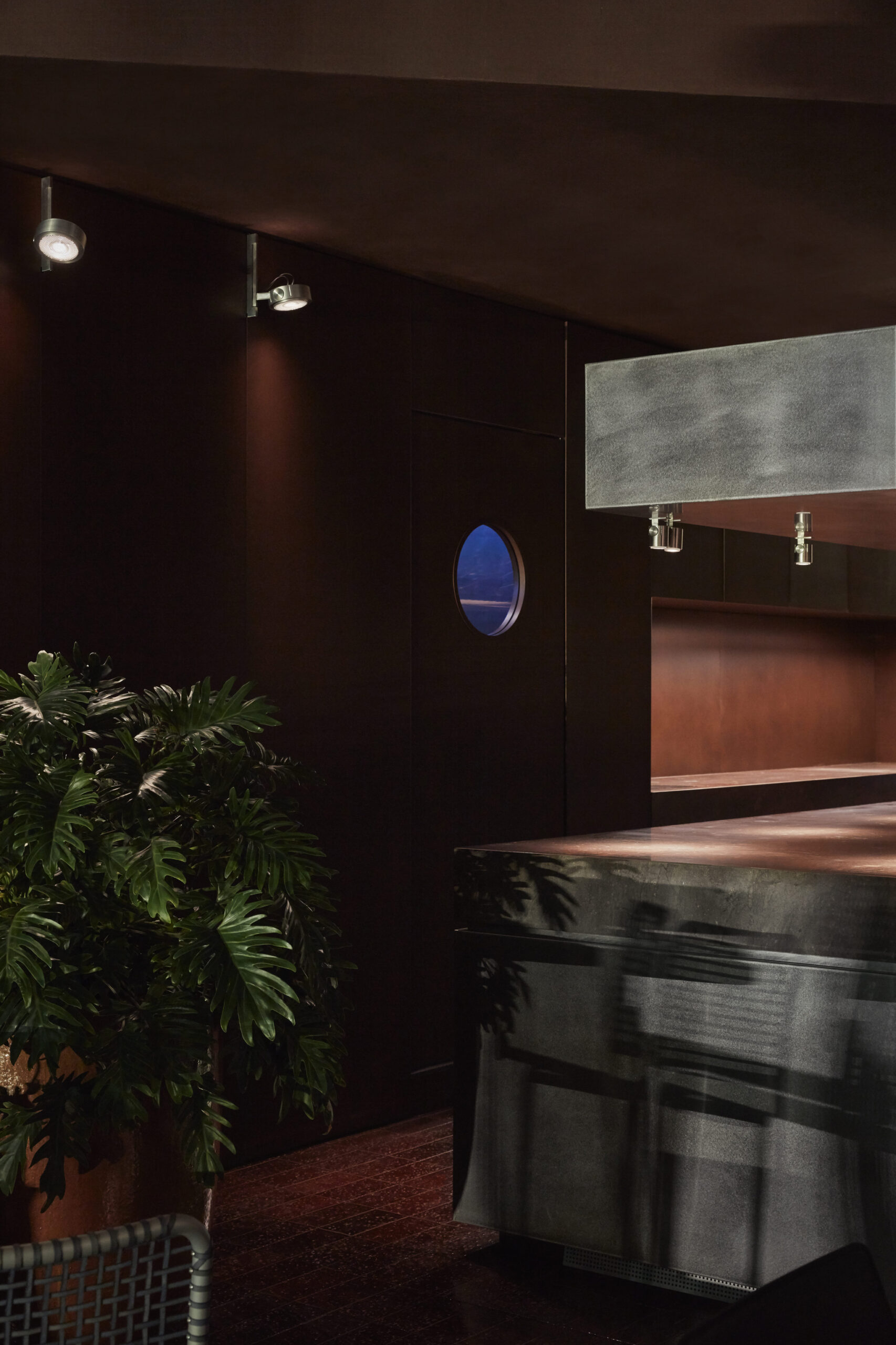
The intention was to establish a strong connection between the kitchen and the guests, challenging the conventional restaurant layout.  The triangular layout of the site presented unique challenges, prompting multiple iterations of the space design before settling on a solution that runs parallel to one of the three sides. This layout allowed for a staggering arrangement of sculptural volumes and open bays in between that harmoniously blend the dining space with the kitchen.

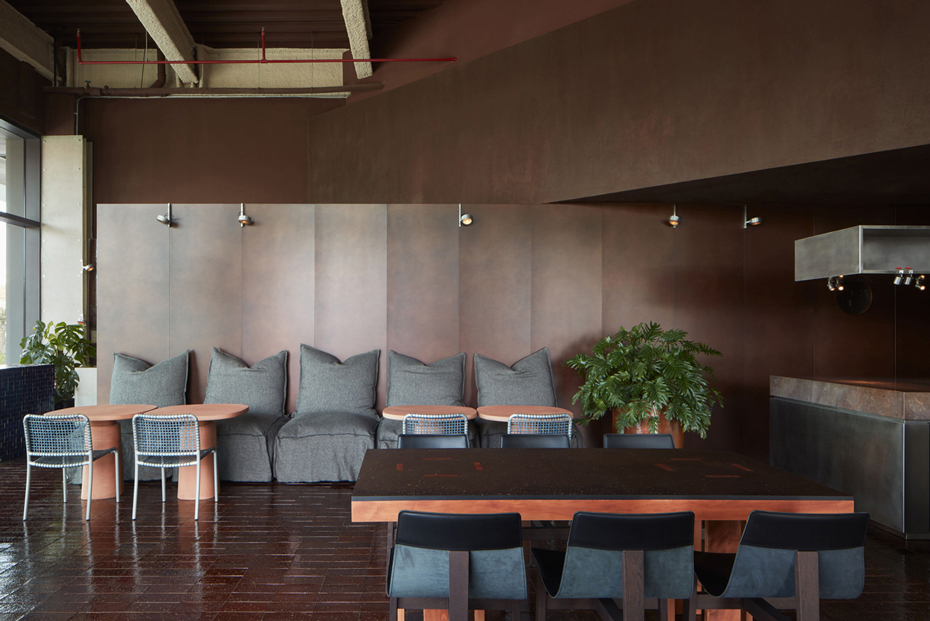
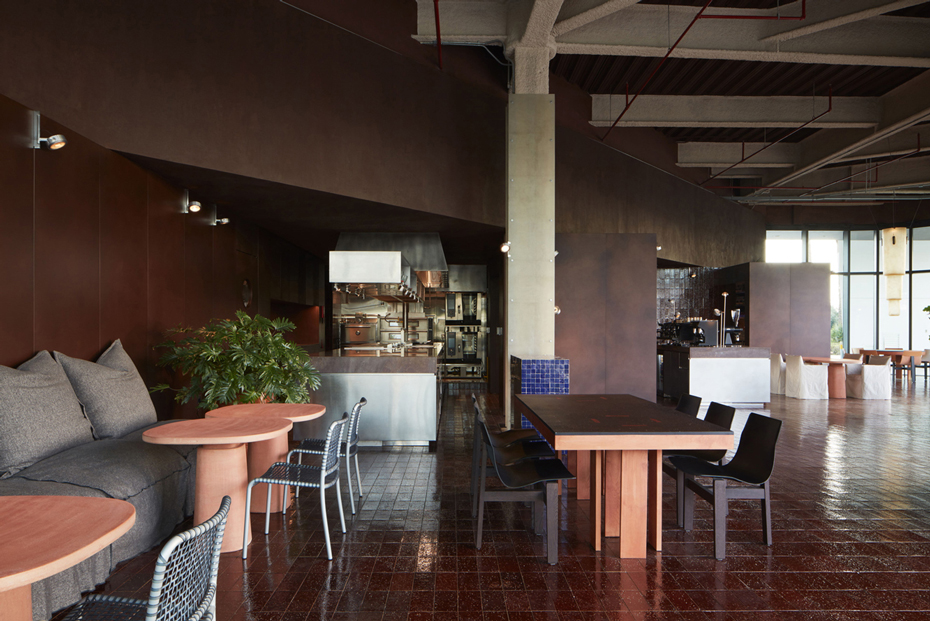
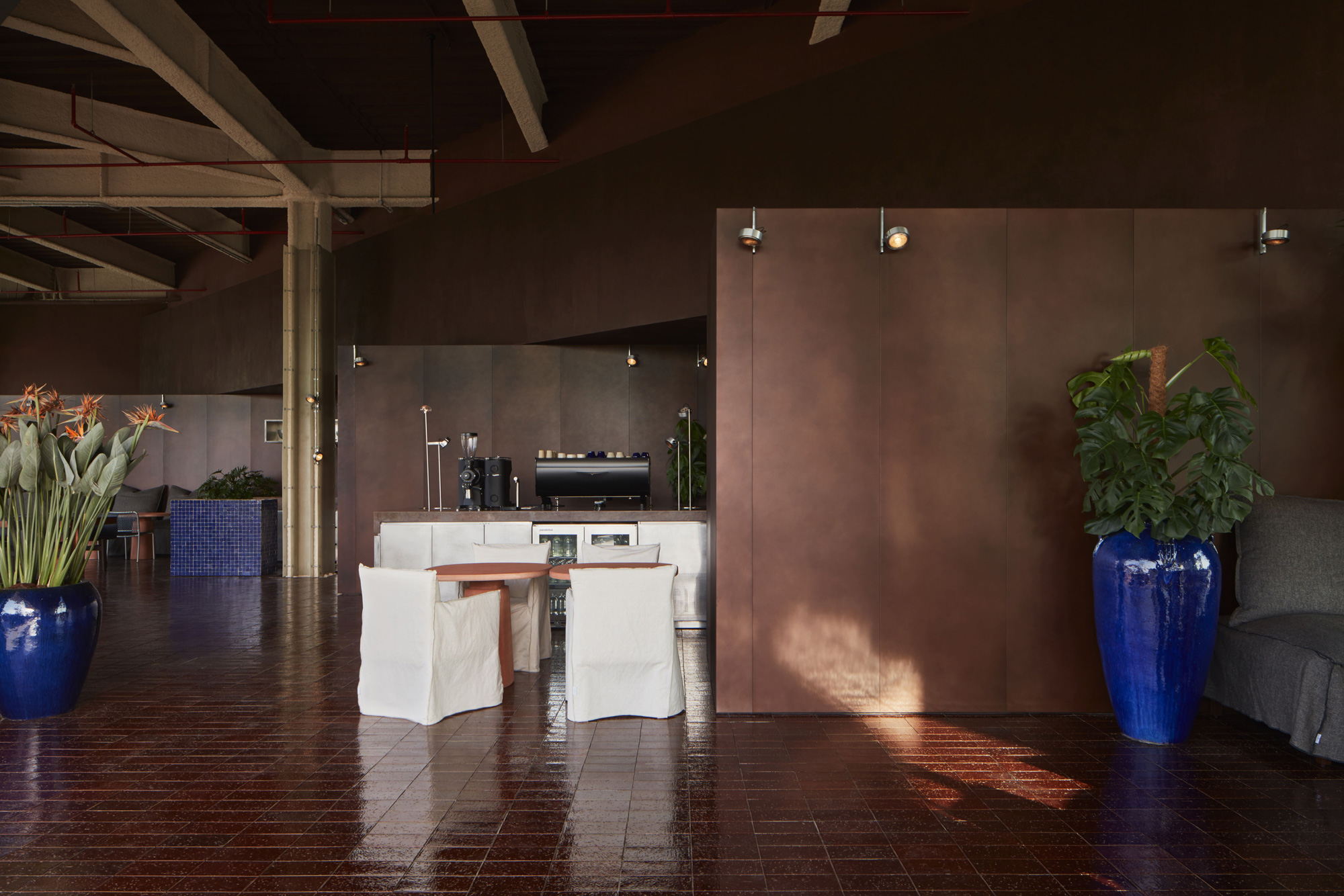
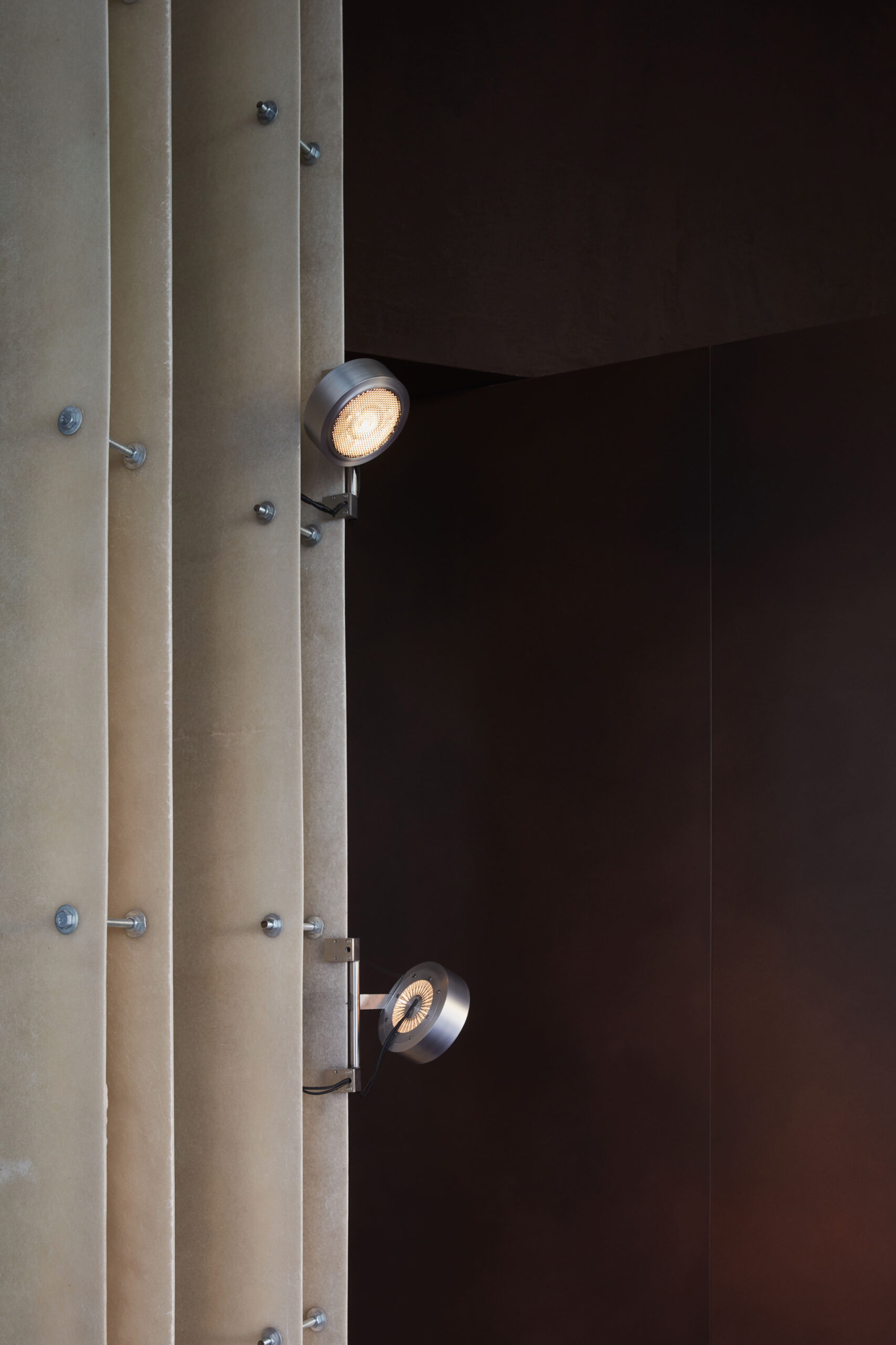
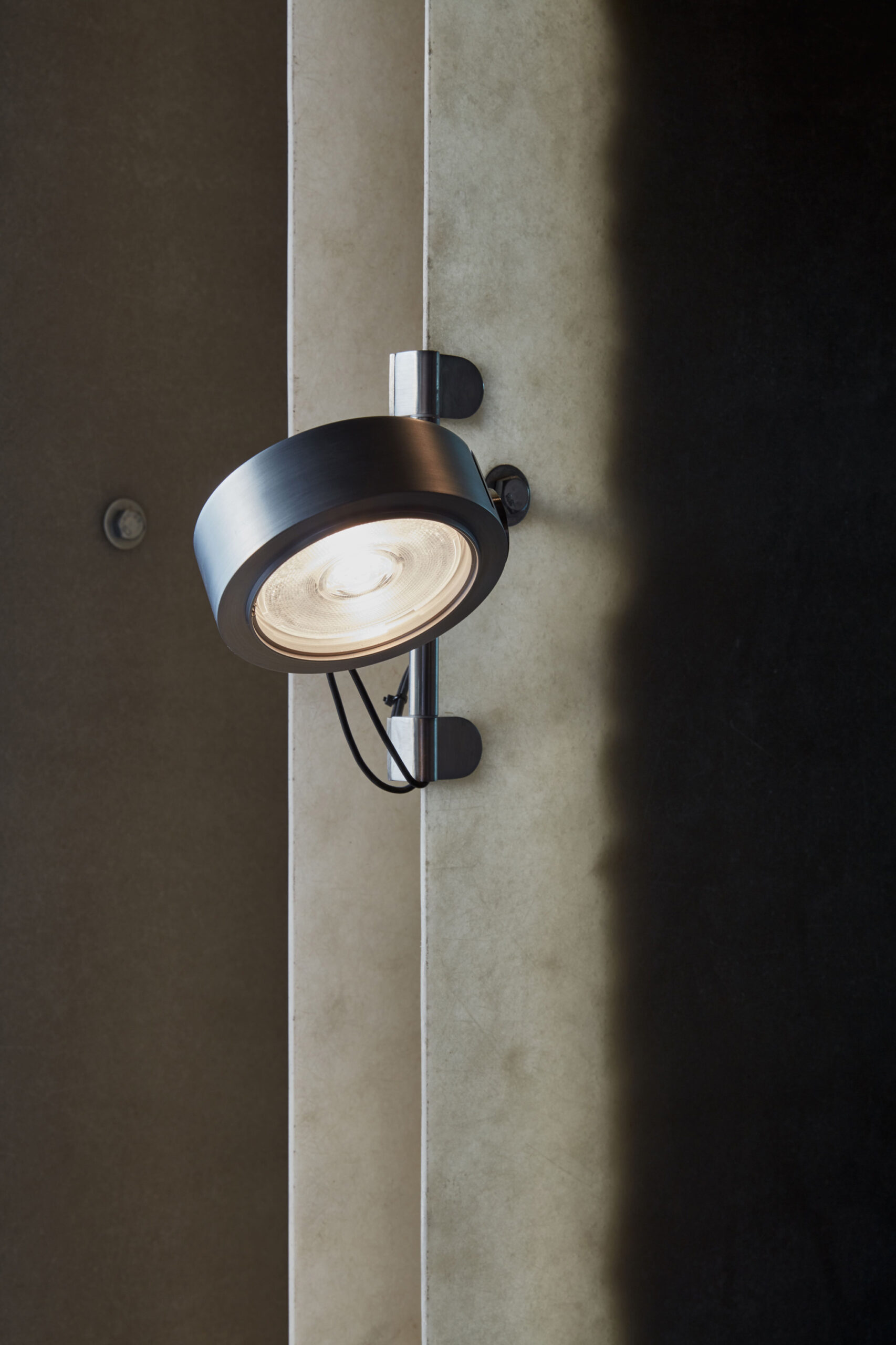
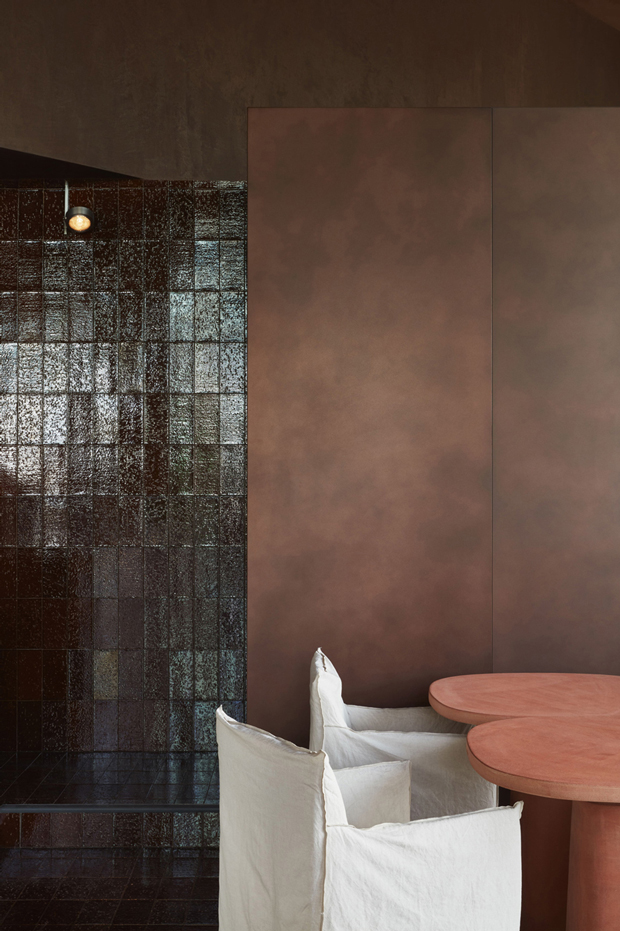
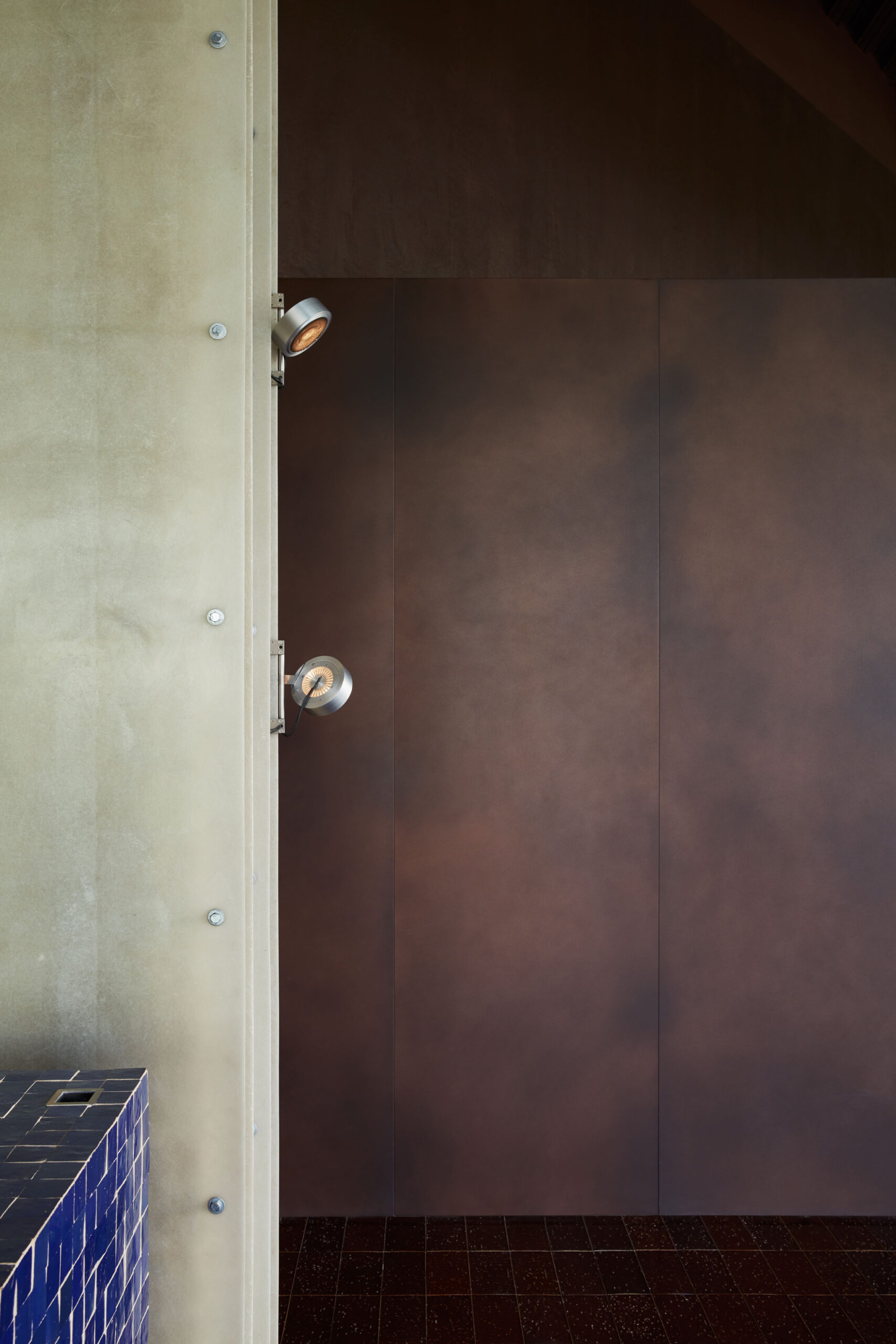
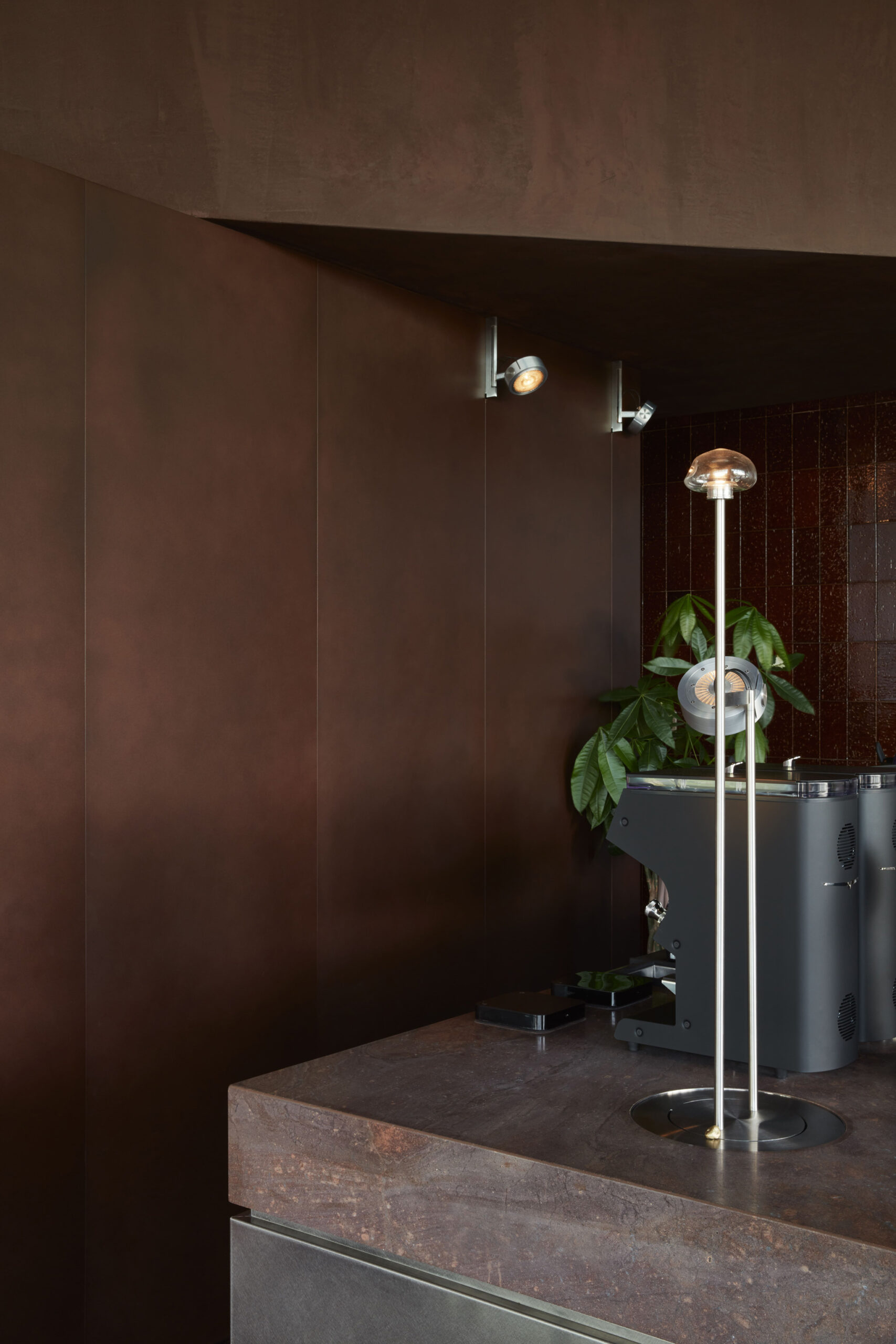
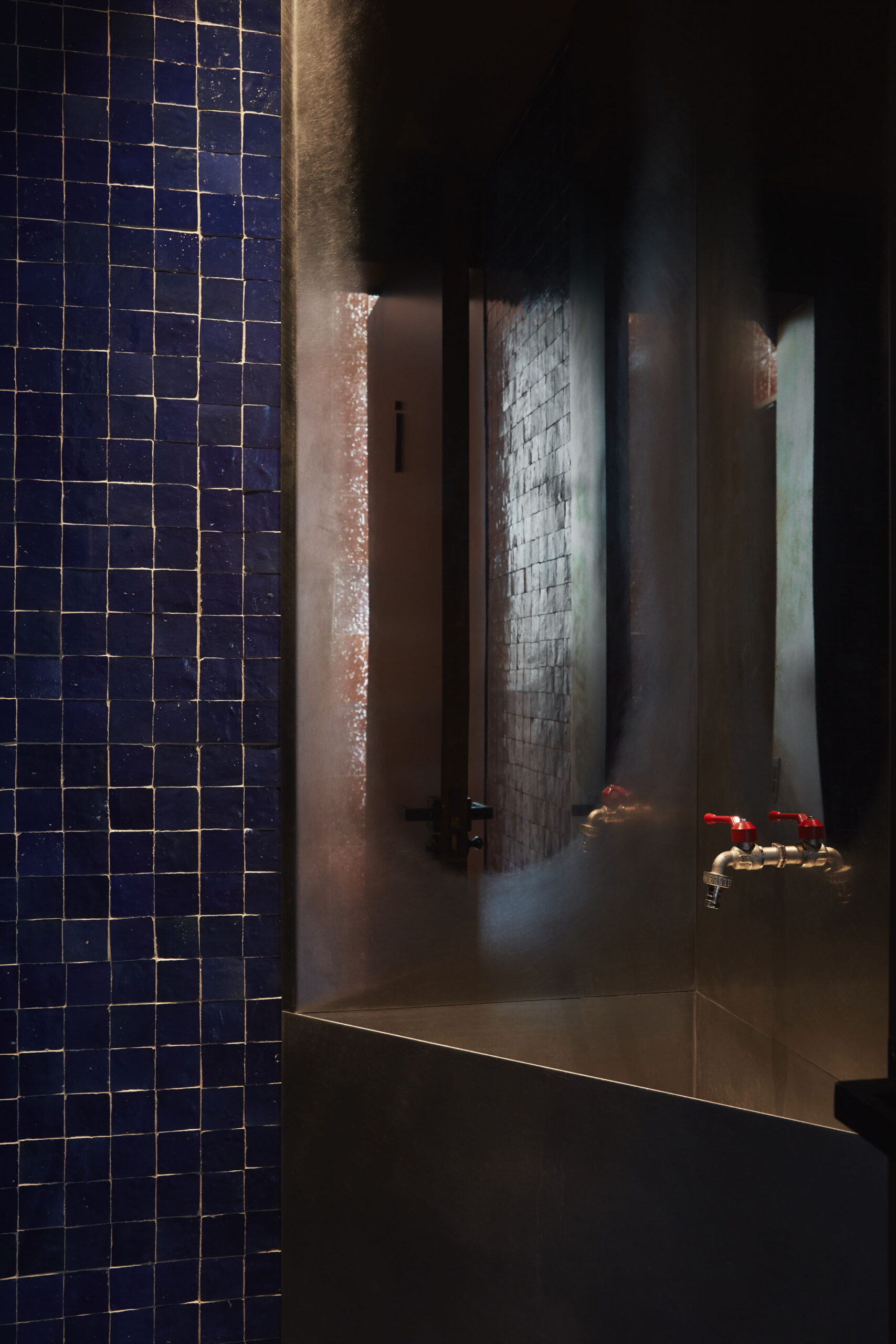
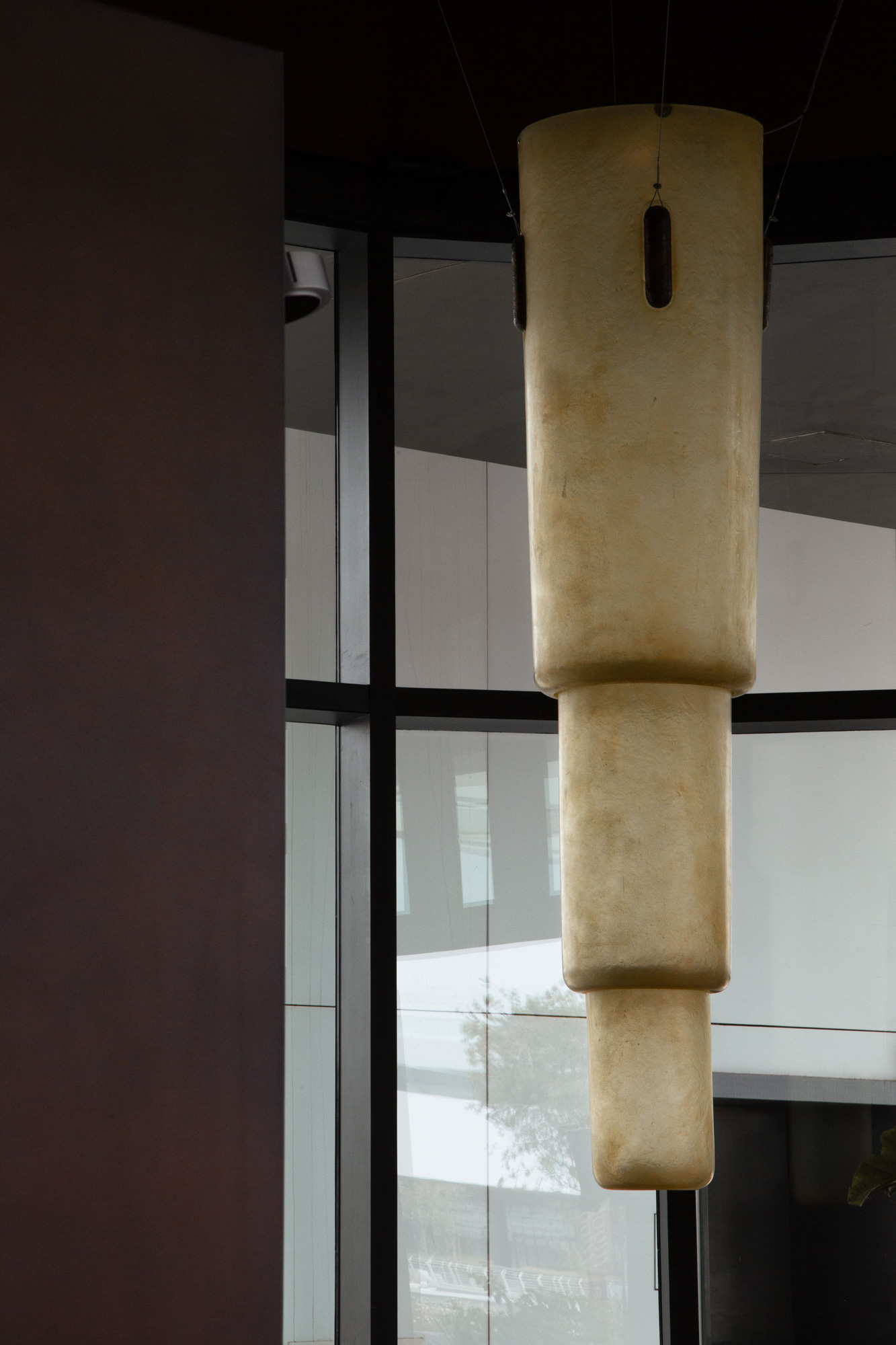
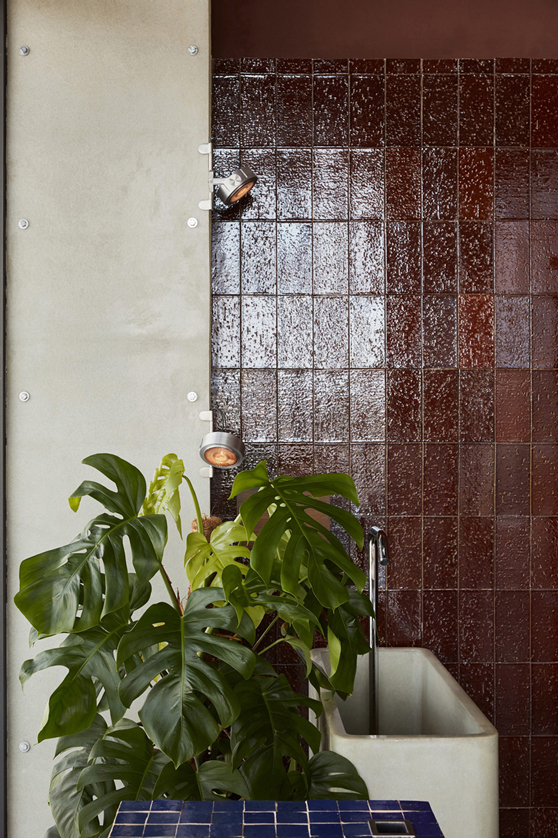
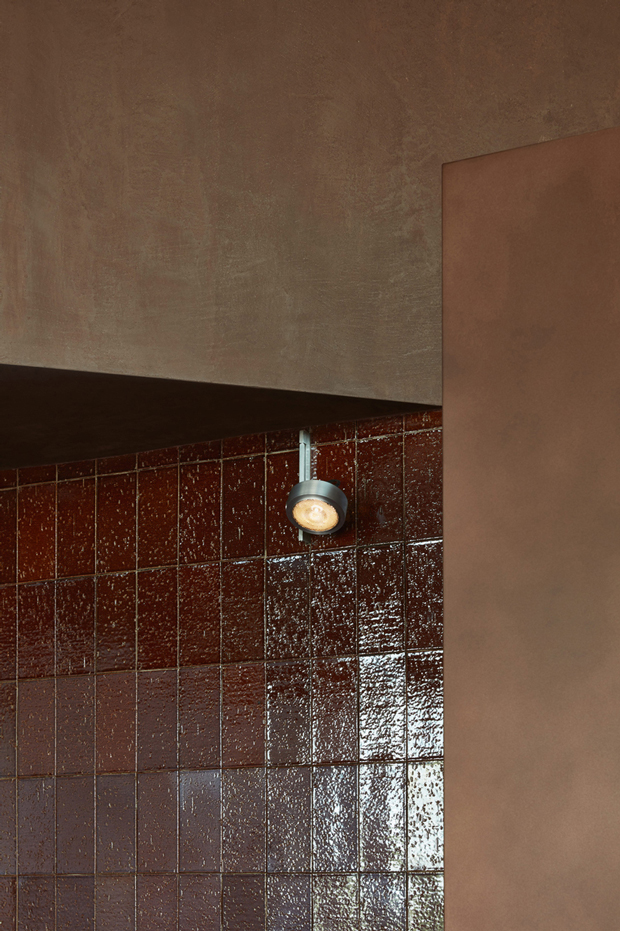
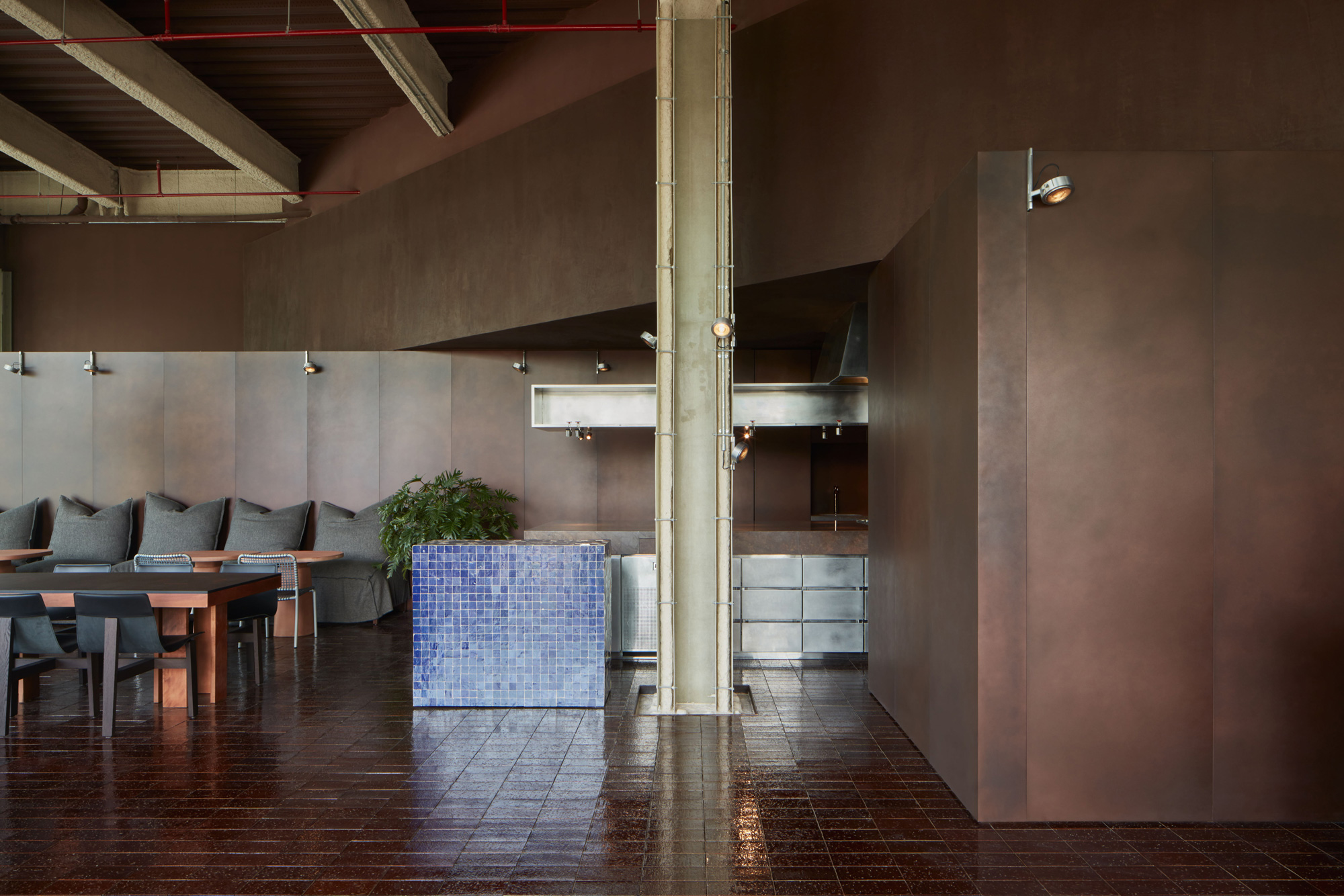
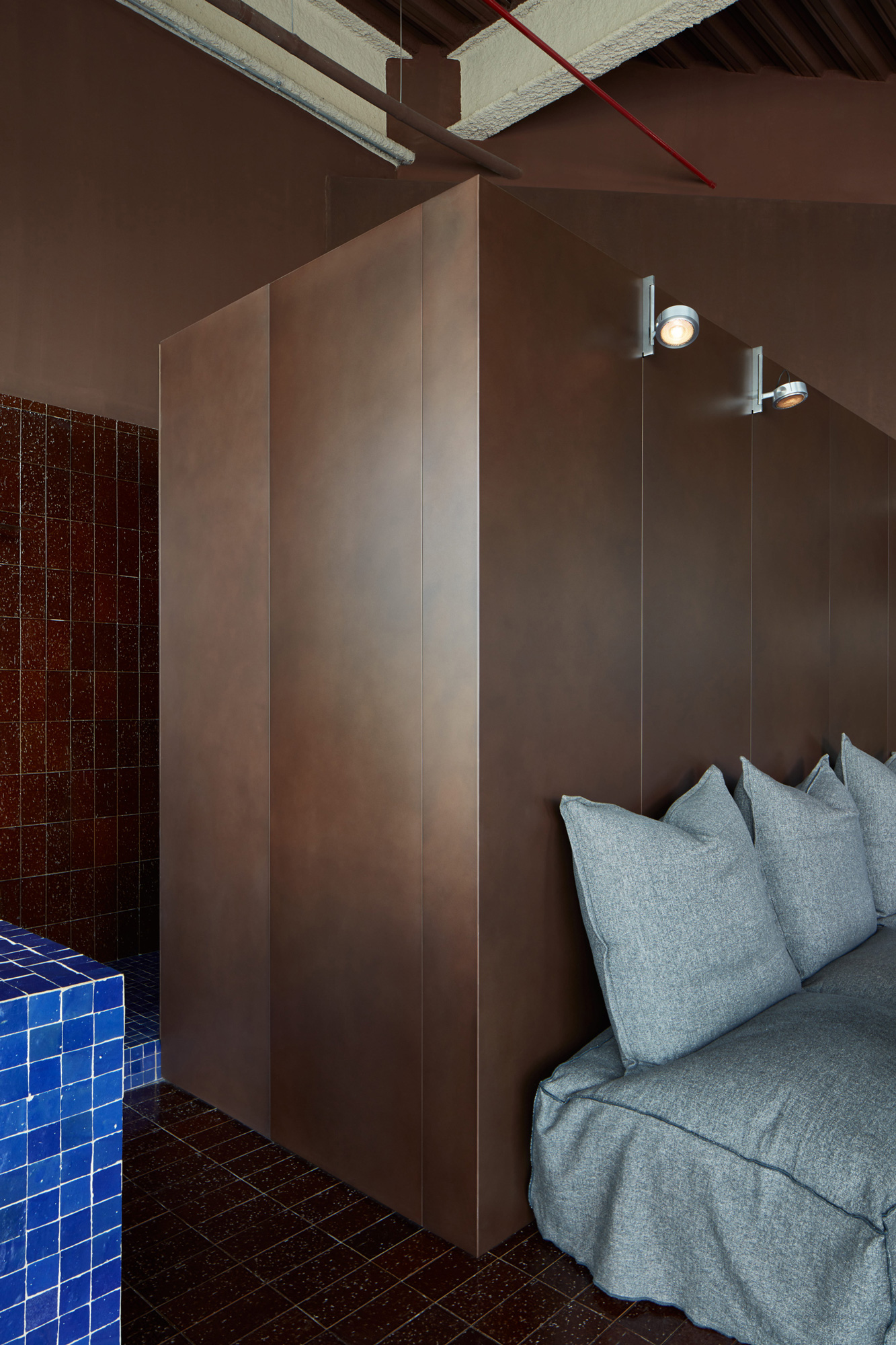
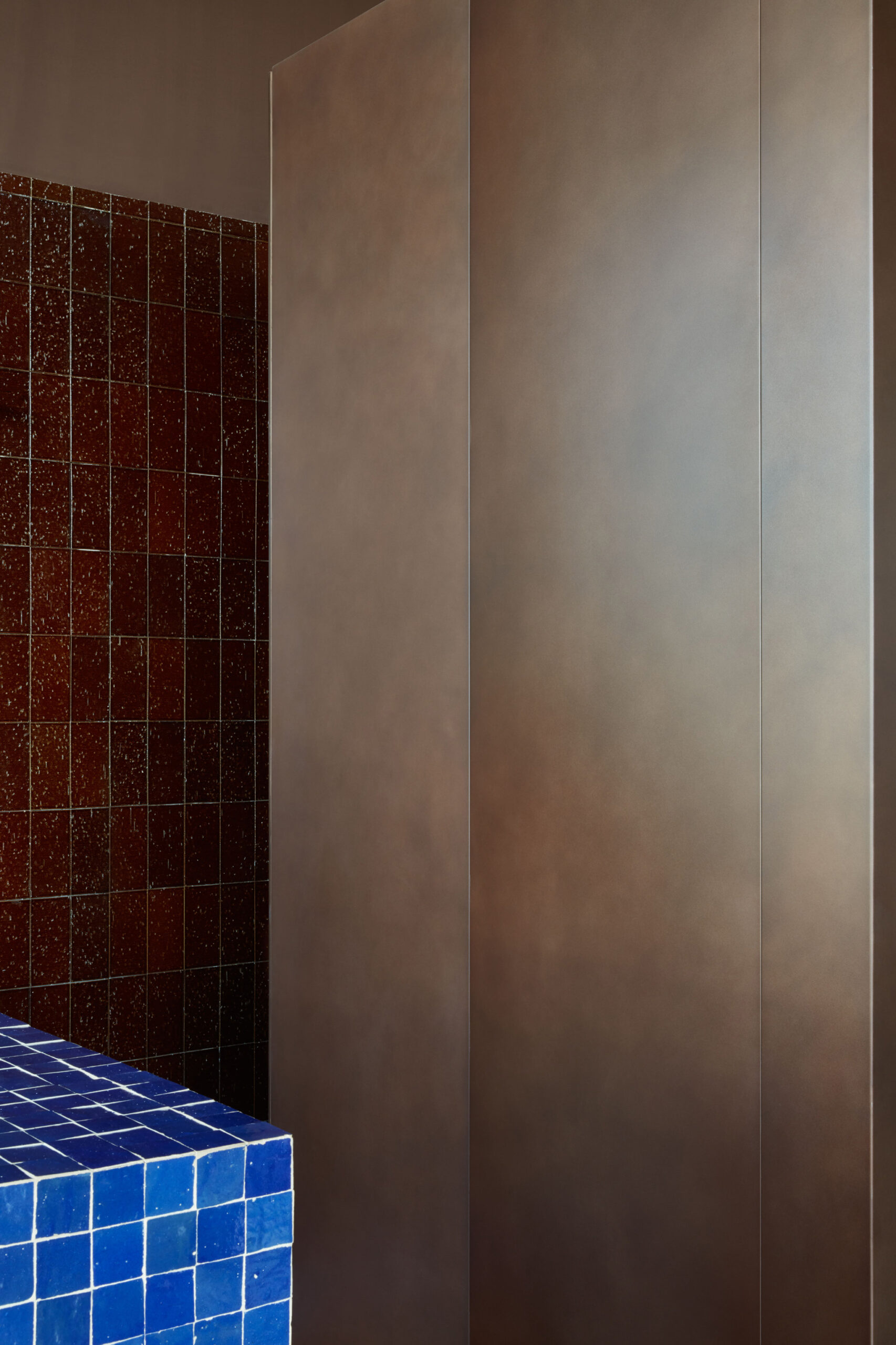
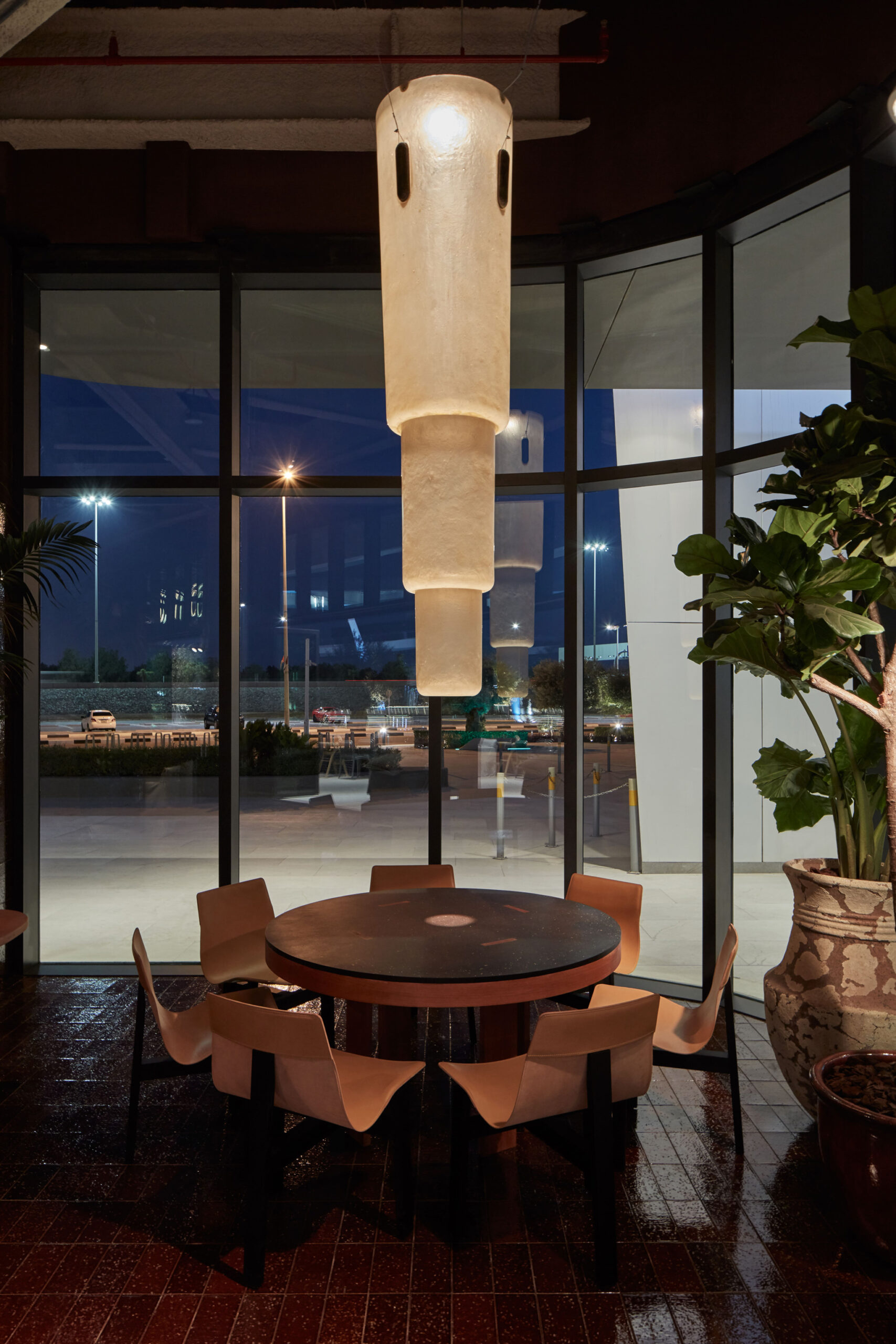
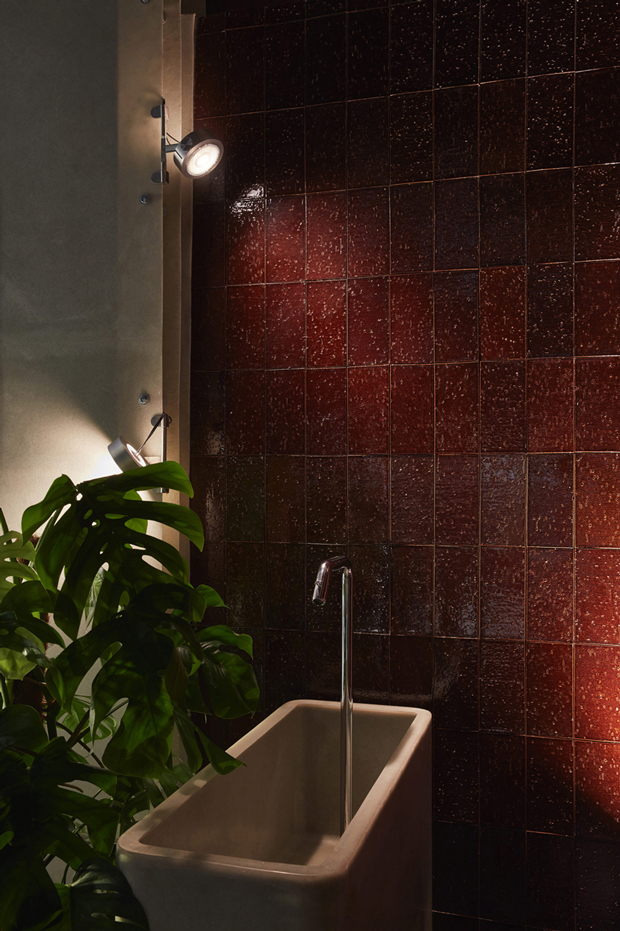
Lush greenery is scattered throughout, providing a place of refuge away from the surrounding shops and streets. A rich burgundy palette, incorporating materials like scratched glazed tiles, patina metal panels, and date seed panels – defines Terra’s identity and character. To complement the bold color, translucent raw fiberglass panels clad the existing columns. Fiberglass was also used as the material for the custom chandelier that hangs from one of the corners of the space. 

The lighting strategy by Fabraca Studios responds to the architectural forms and animates a dramatic night experience. Bespoke light fixtures feature a consistent design element repeated throughout the space, showcasing different mounting details. This cohesive lighting design enhances the overall atmosphere and accentuates the architectural features present in the space. 

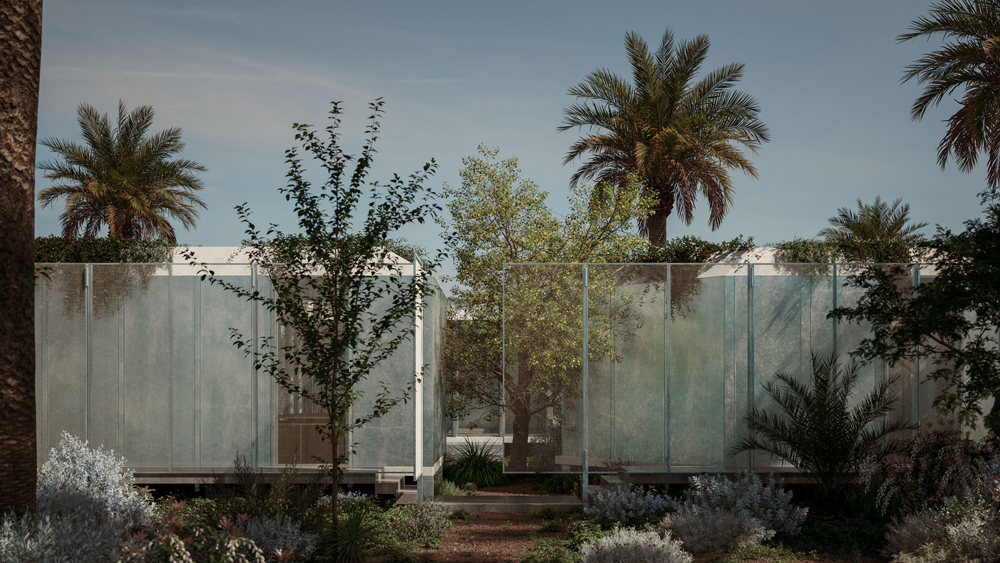
Metal Fabrik’s new offices was inspired by their daily activities, which informed the series of spaces.

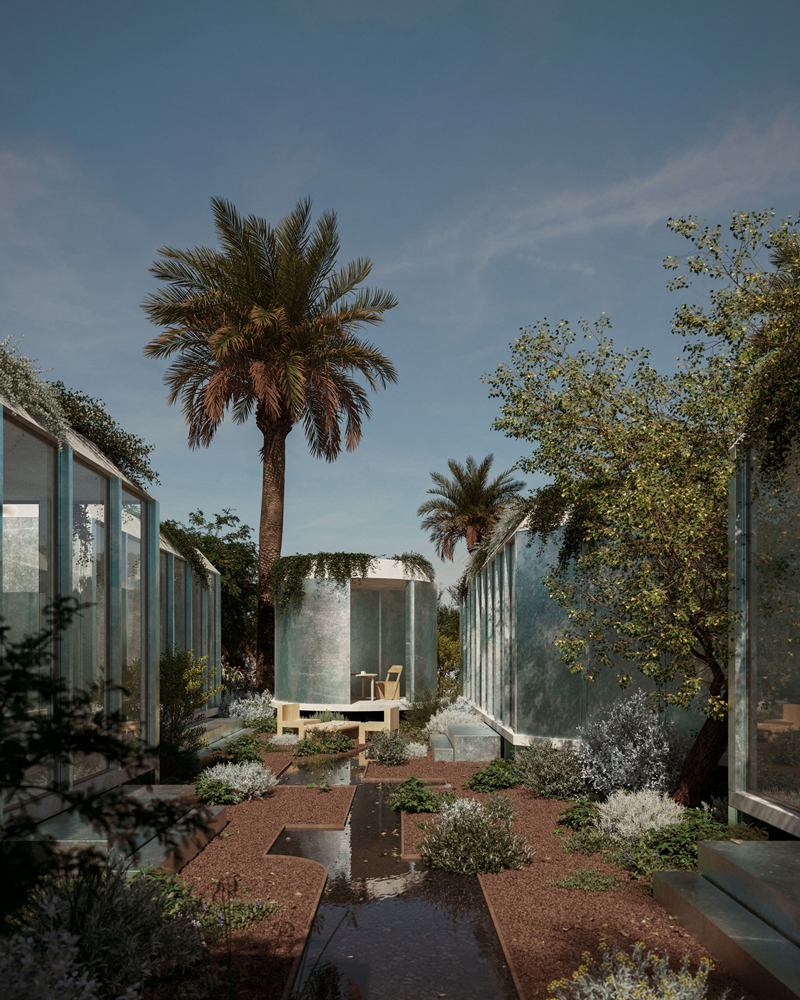
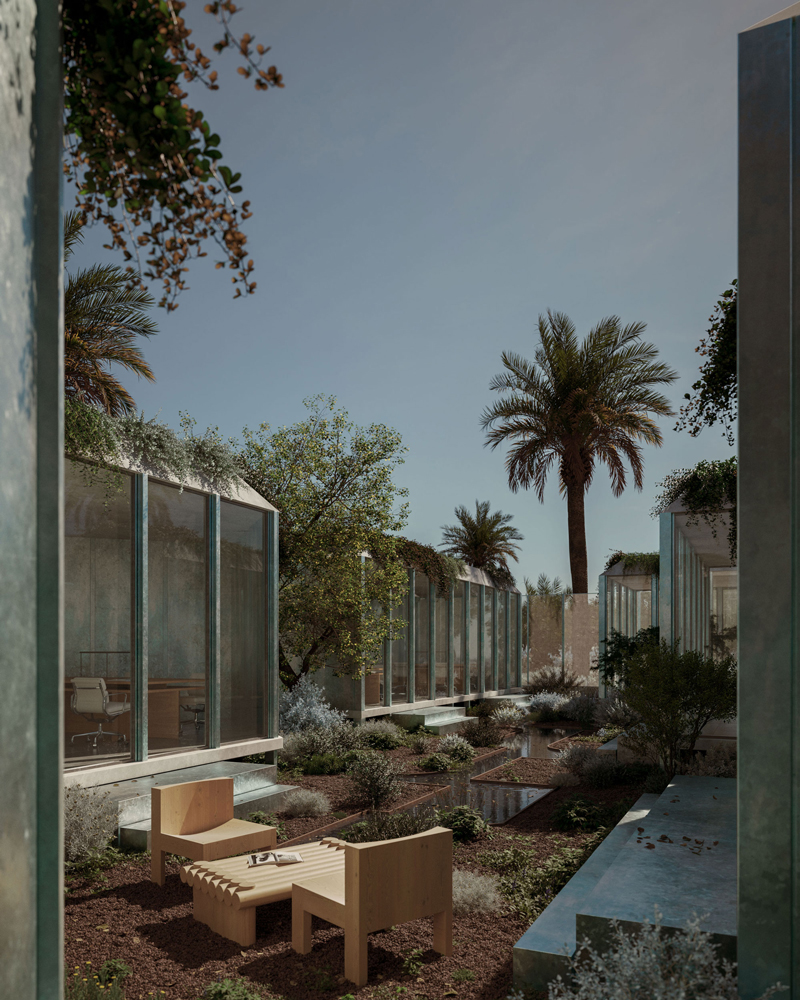
The design aimed to create a private cluster of pavilions cladded with galvanized steel panels, shielded from external visual noise of the adjacent factory and oriented towards an enclosed courtyard filled with native landscaping and a body of water.

The circulation between the pavilions was created by designing an outdoor fabric envelope around the perimeter of the plot. The elevated volumes of the pavilions provided an opportunity to extend the greenery beneath them.

VisualizerSpectrum

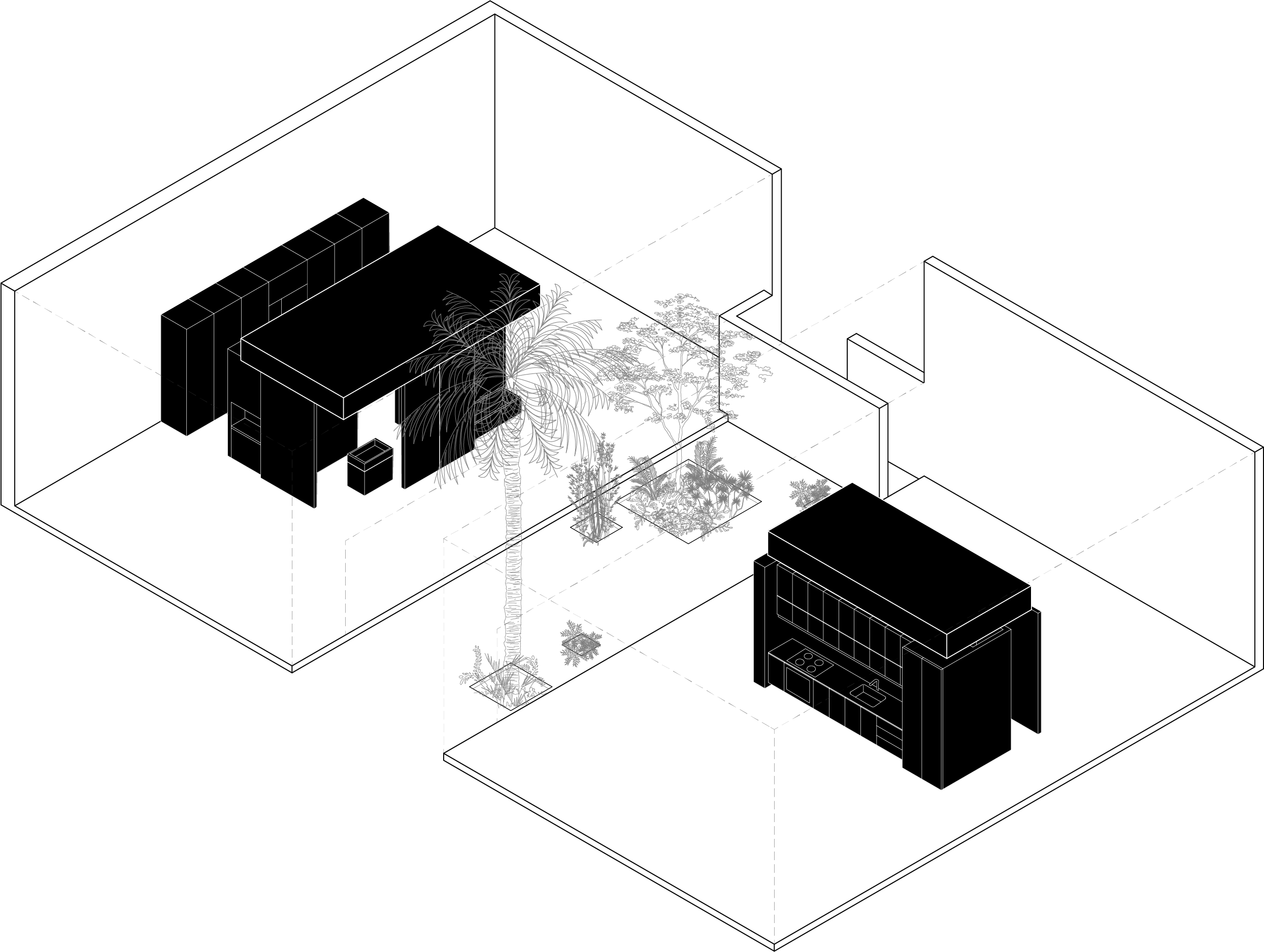
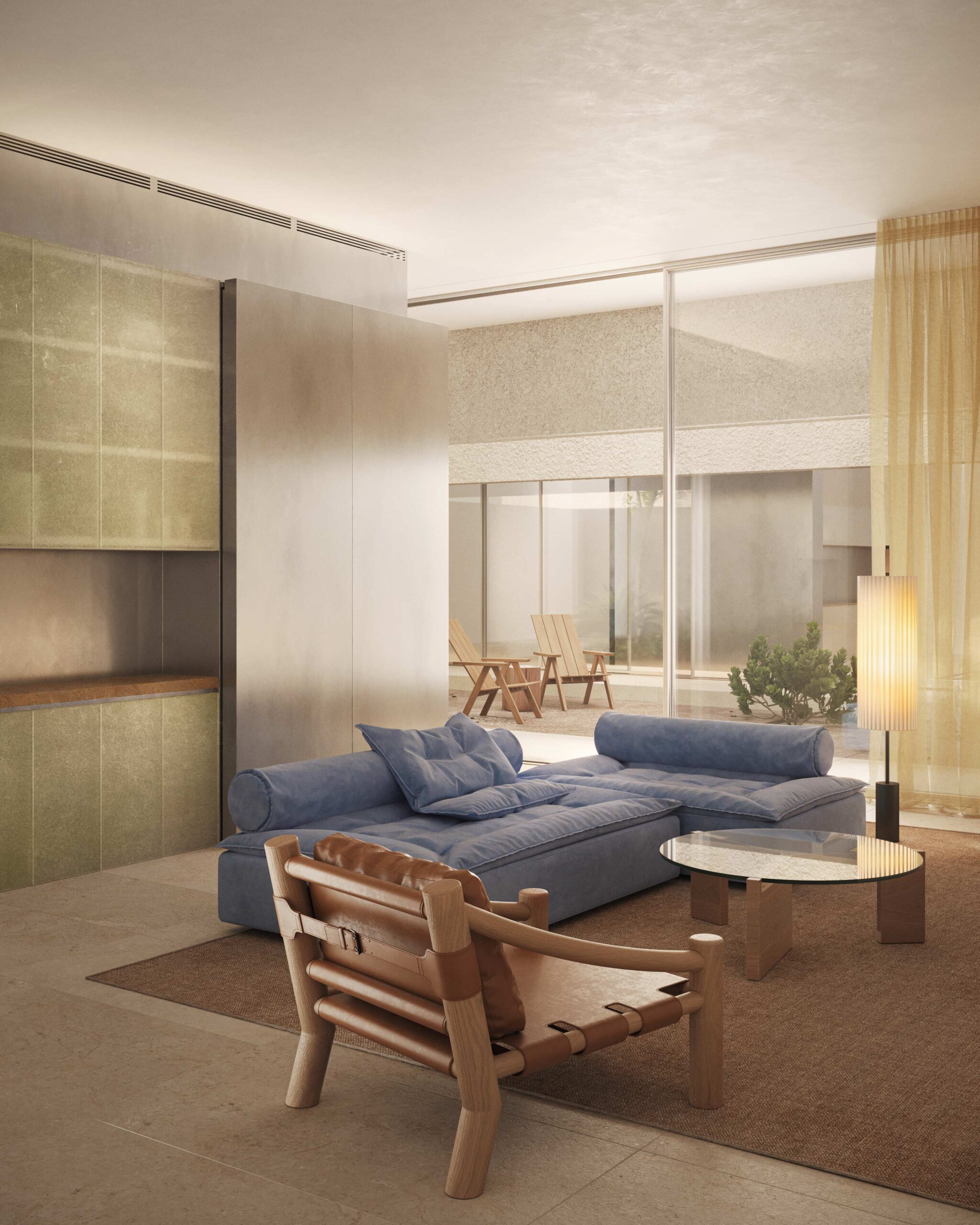
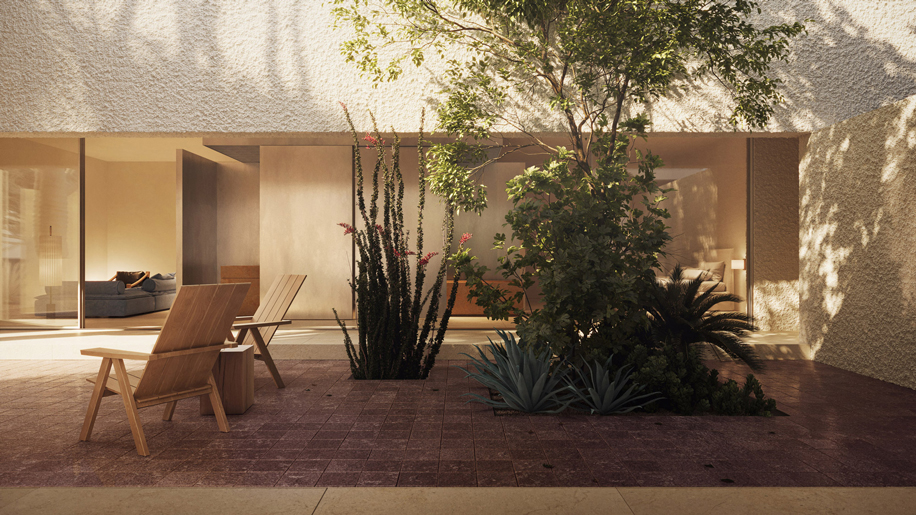
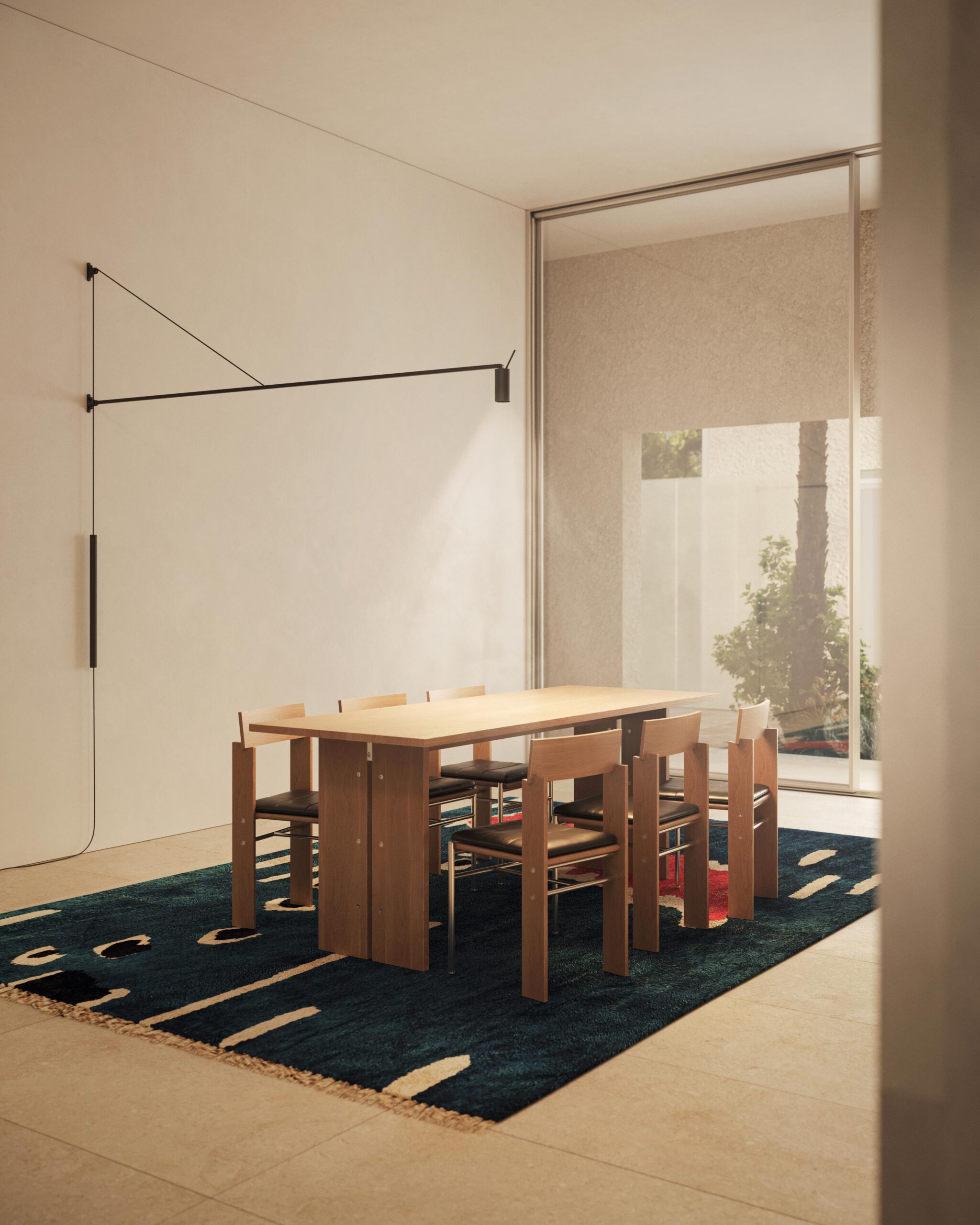
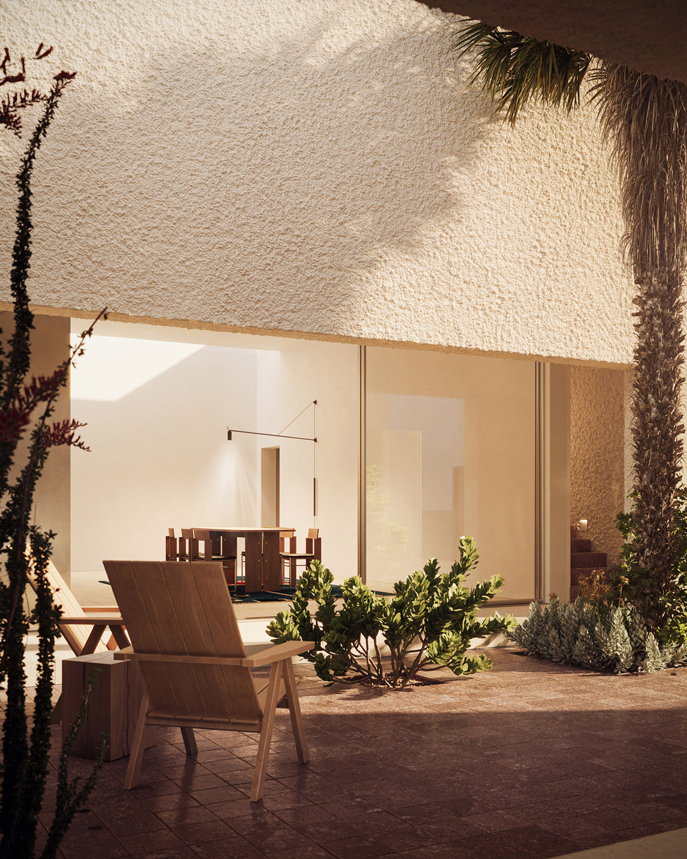
Art Estate is a residential project designed to accommodate for the client’s art practice and day to day life. The design presents a tactile expression of two volumes that actively participate in response to one another and are separated by a central courtyard. Each volume is anchored by a solid core which houses the functions needed to sustain the space along with the structure that carries the volumes. As a result, this liberates the space and maintains its purity. The volumes create a stark contrast with the open courtyard which is defined by their overlapping edge sitting on the courtyard’s boundary walls. The glazing that marks the entrance into the volumes is recessed inwards to protect the interior space from the southern sunlight. Essentially, the formal and material treatment sets a framework for the architecture to operate as a blank canvas for the client’s versatile program requirements. 
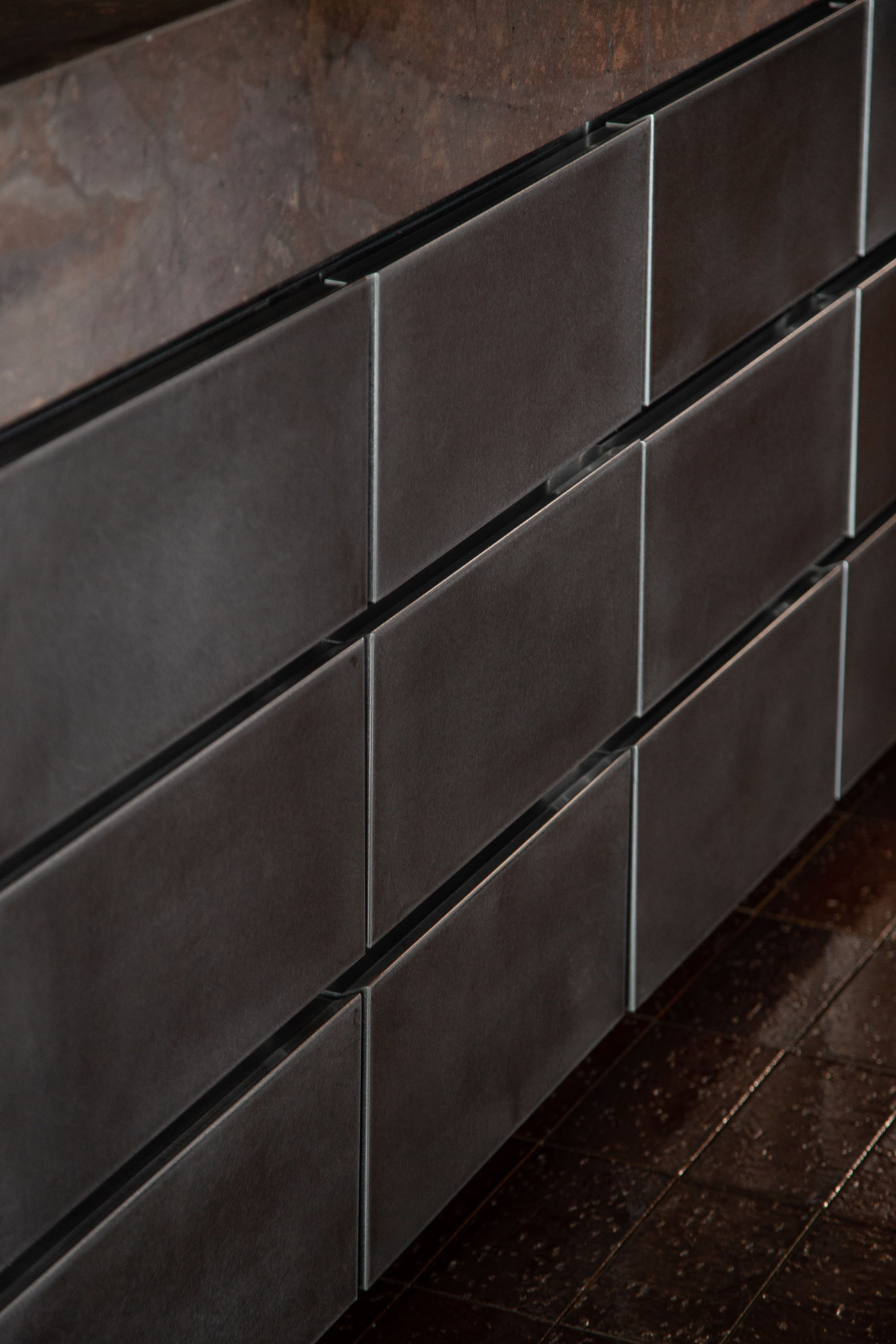
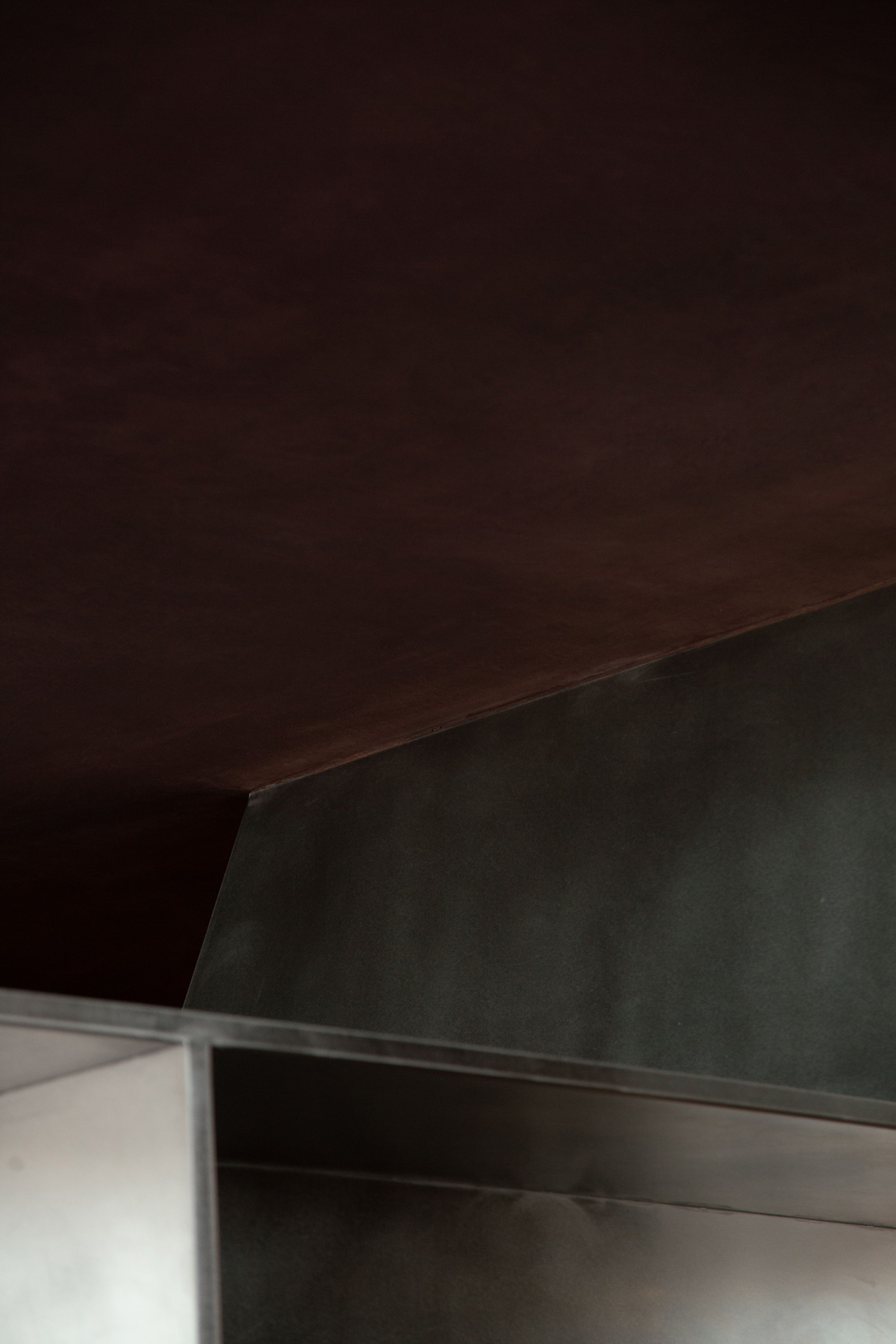
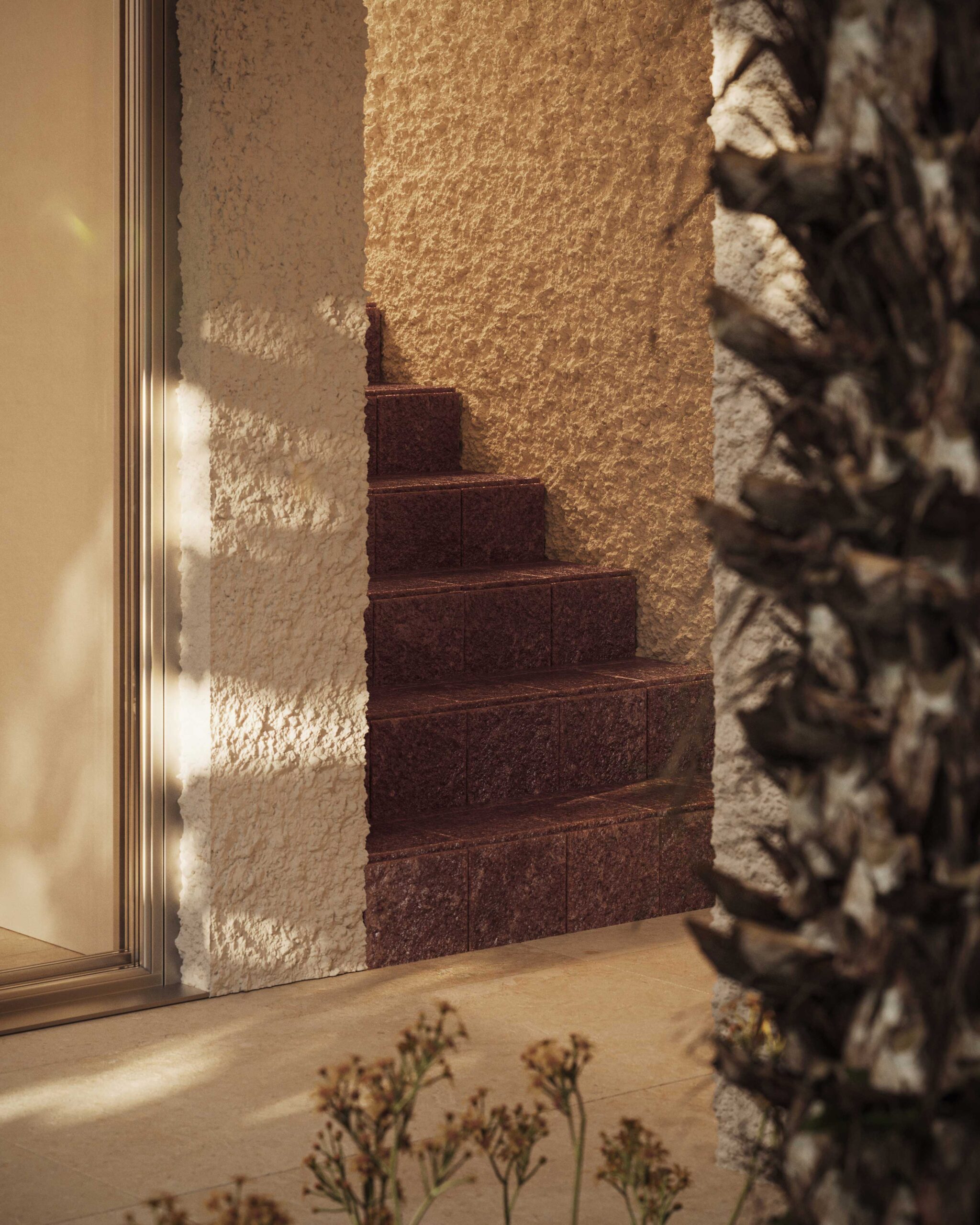
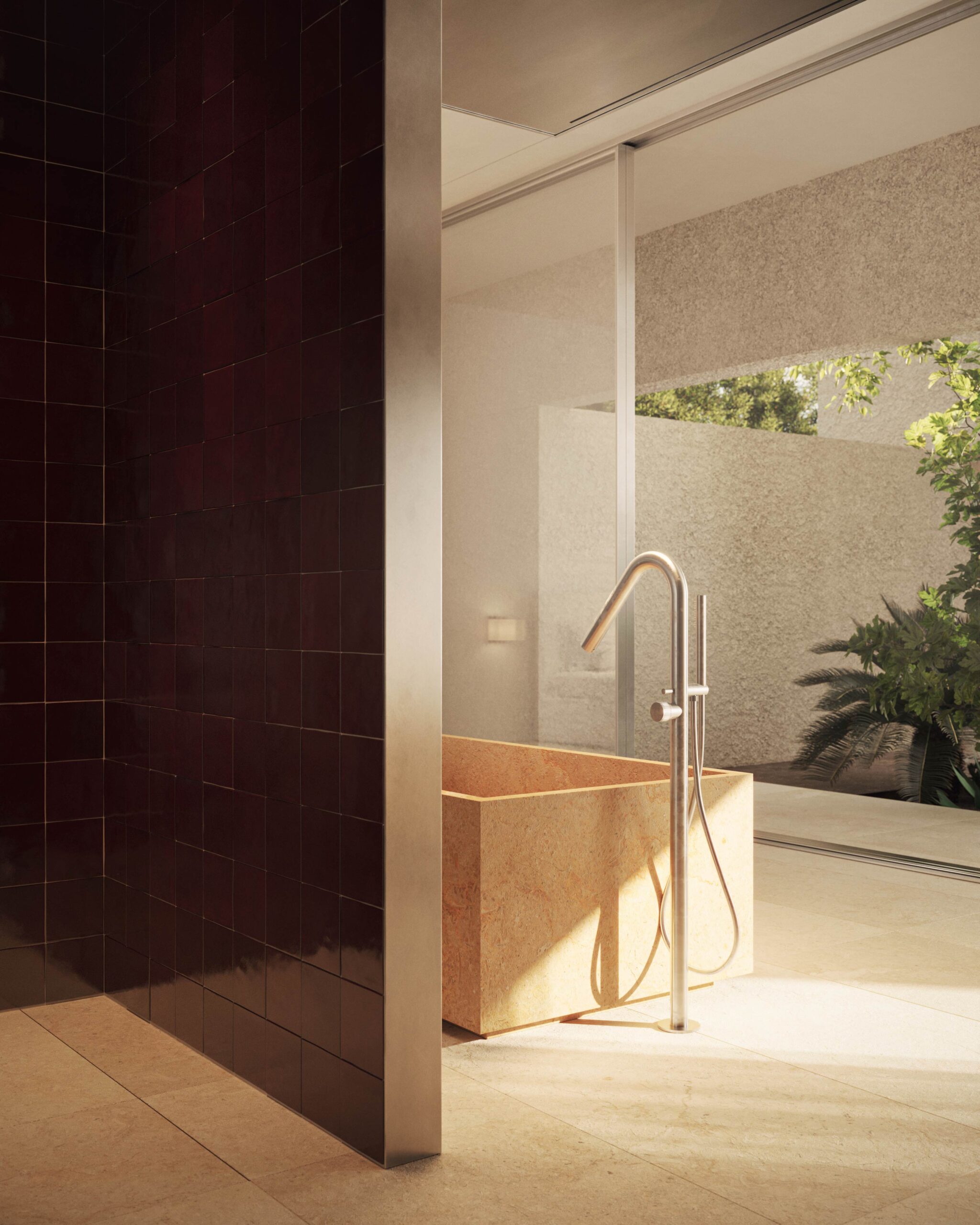
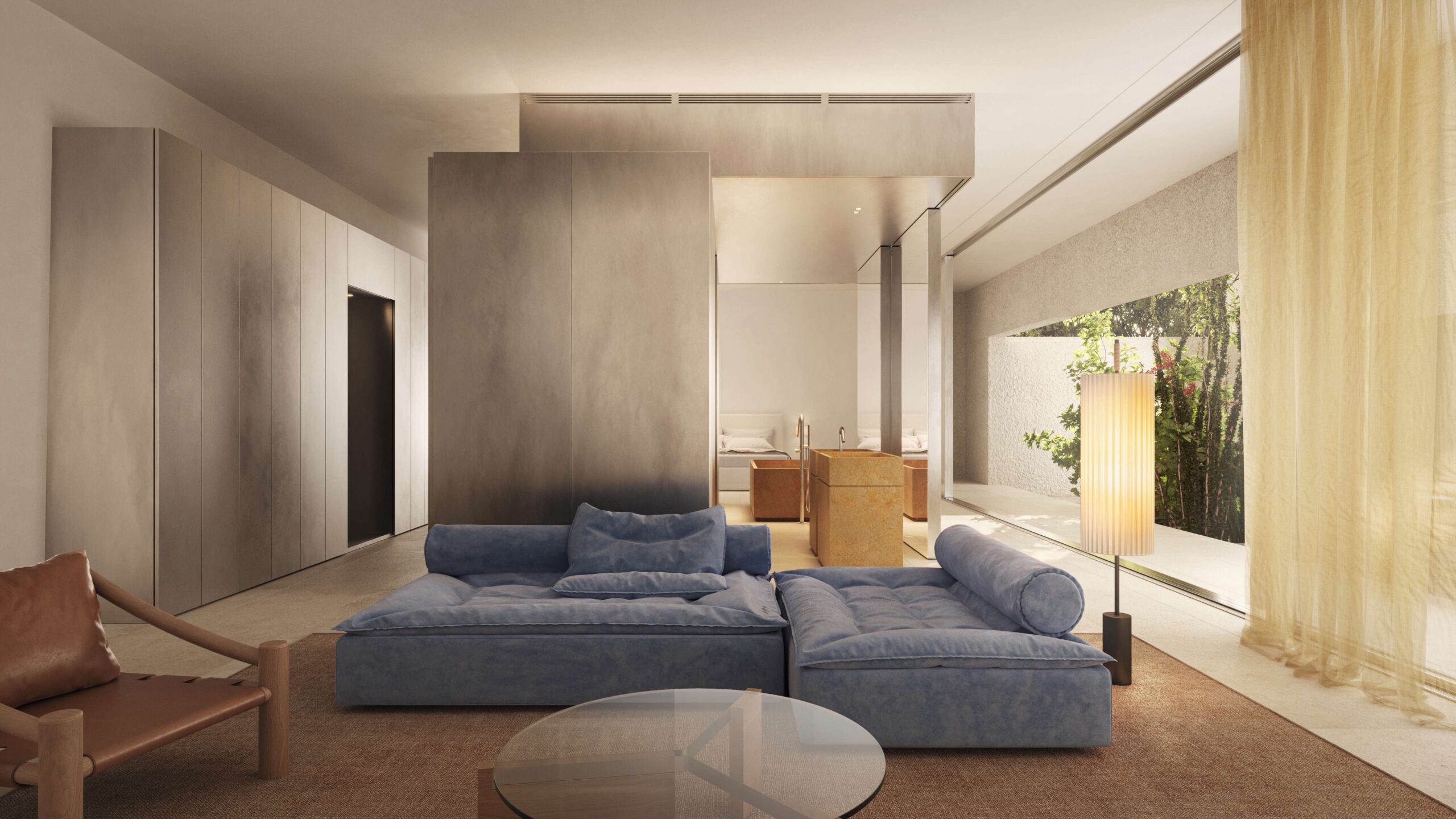
The architectural volumes which house the majority of the program maintain their pure volume and are finished with a rough textured plaster render. The interior volumes operate as the service cores that sustain each space. They contain the washroom areas, a kitchen, a pantry and a storage space. They also conceal the structure of the architecture and provide the air-conditioning to their respective spaces. The condensing of these service elements is reinforced by the clean geometry of the cores and the steel cladding used to the conceal the services. The tertiary volumes are utilized as vanity joineries. The joineries perform as the hearth of the client’s daily and personal needs as they sustain the bathing space in the private space of the project.