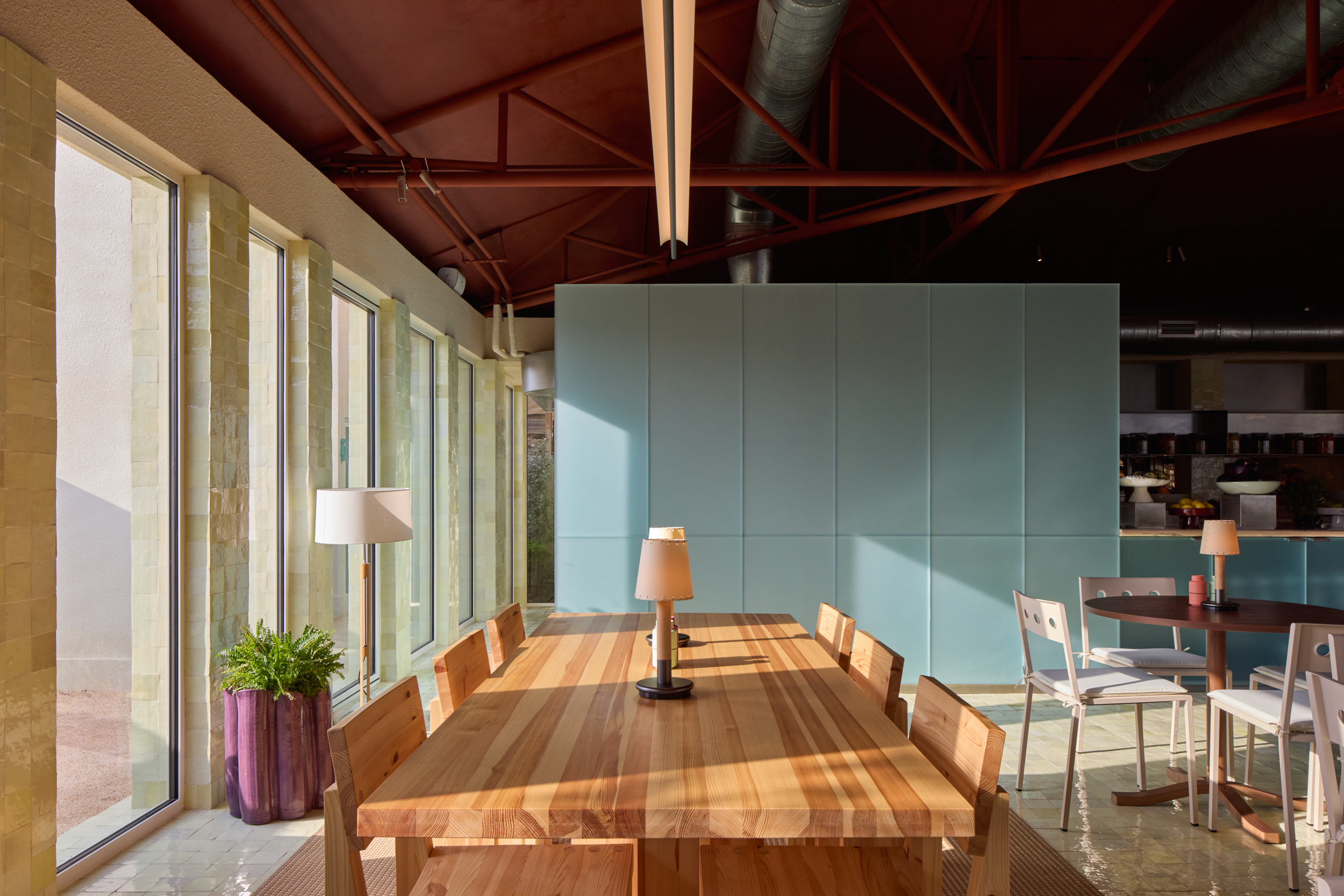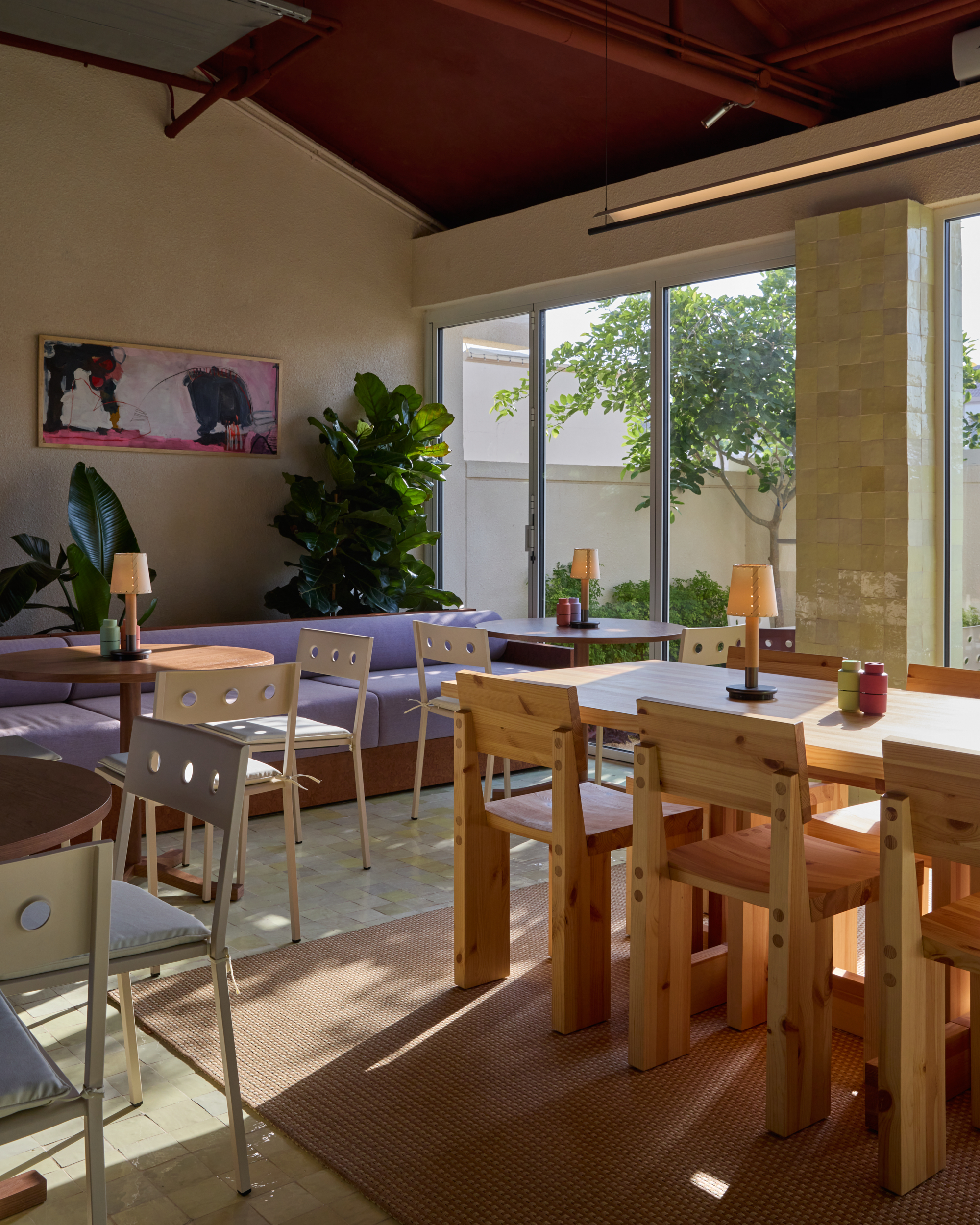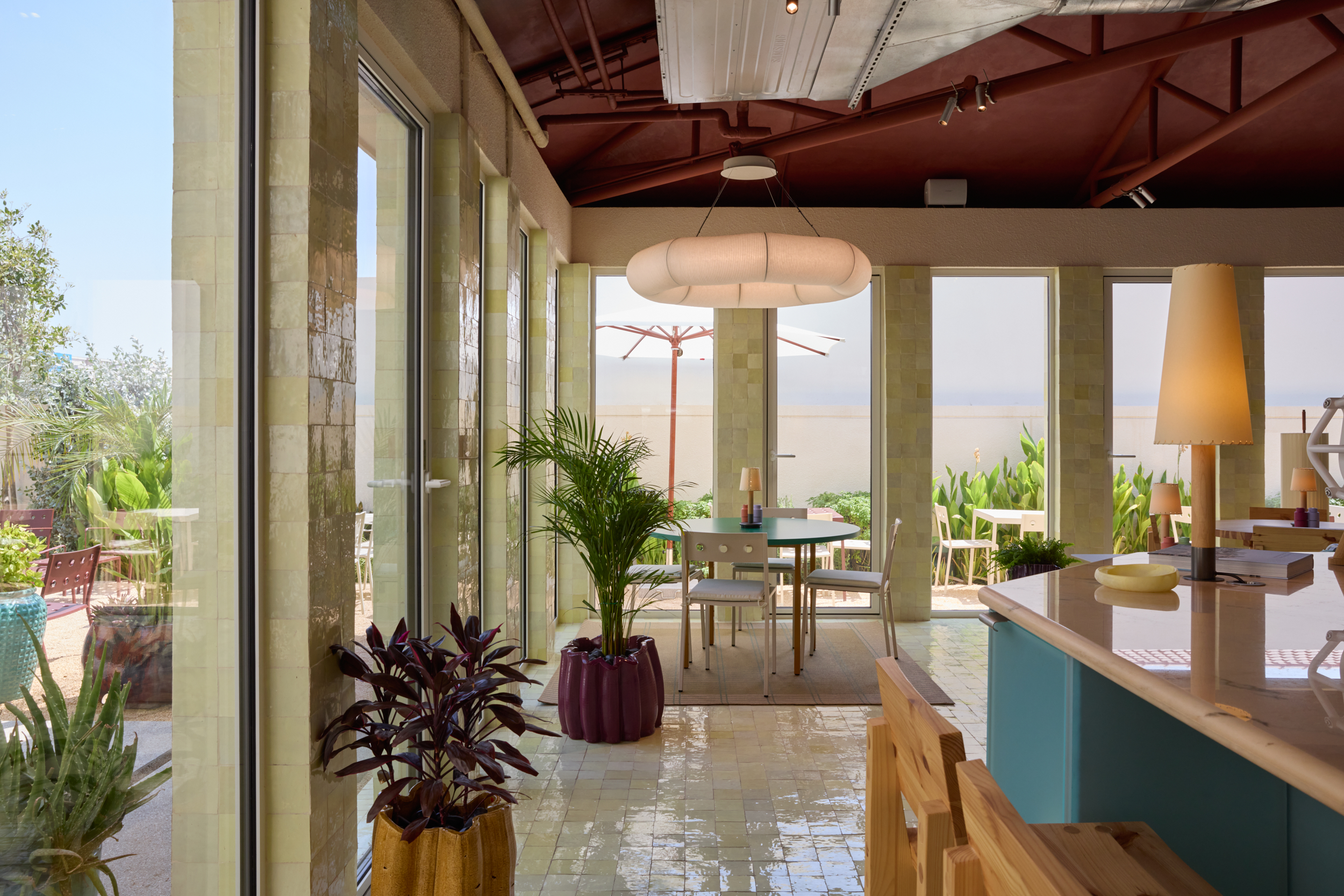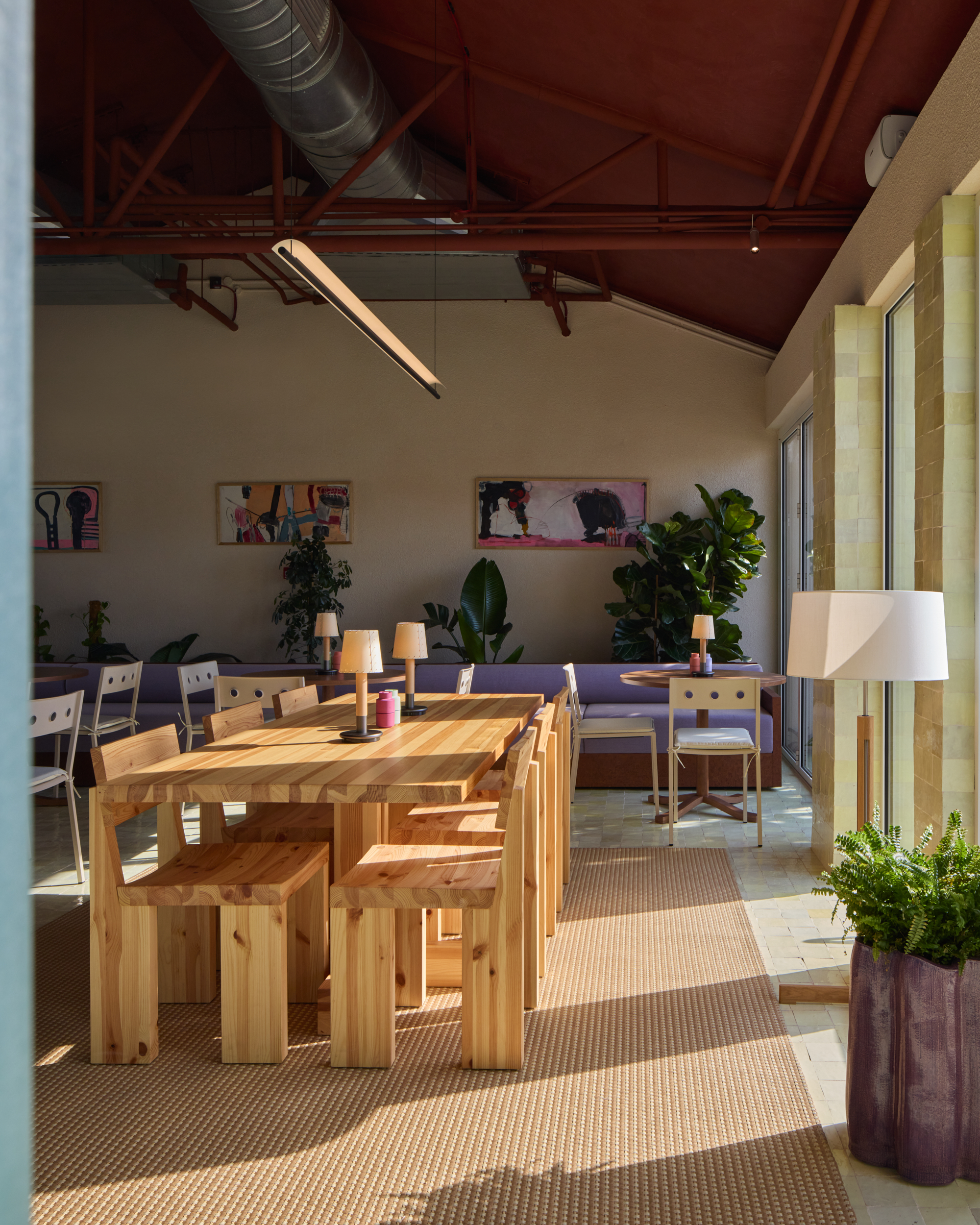
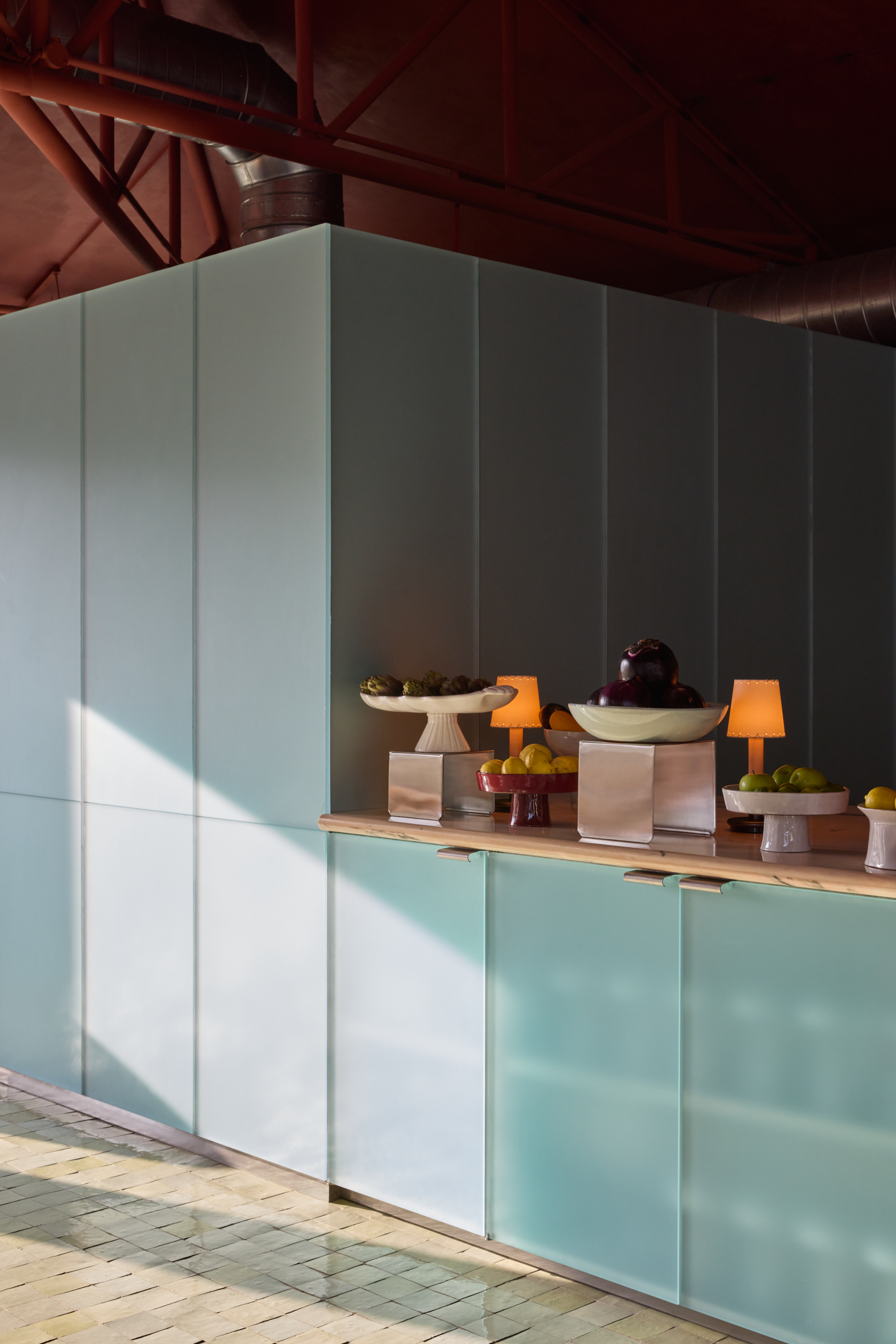
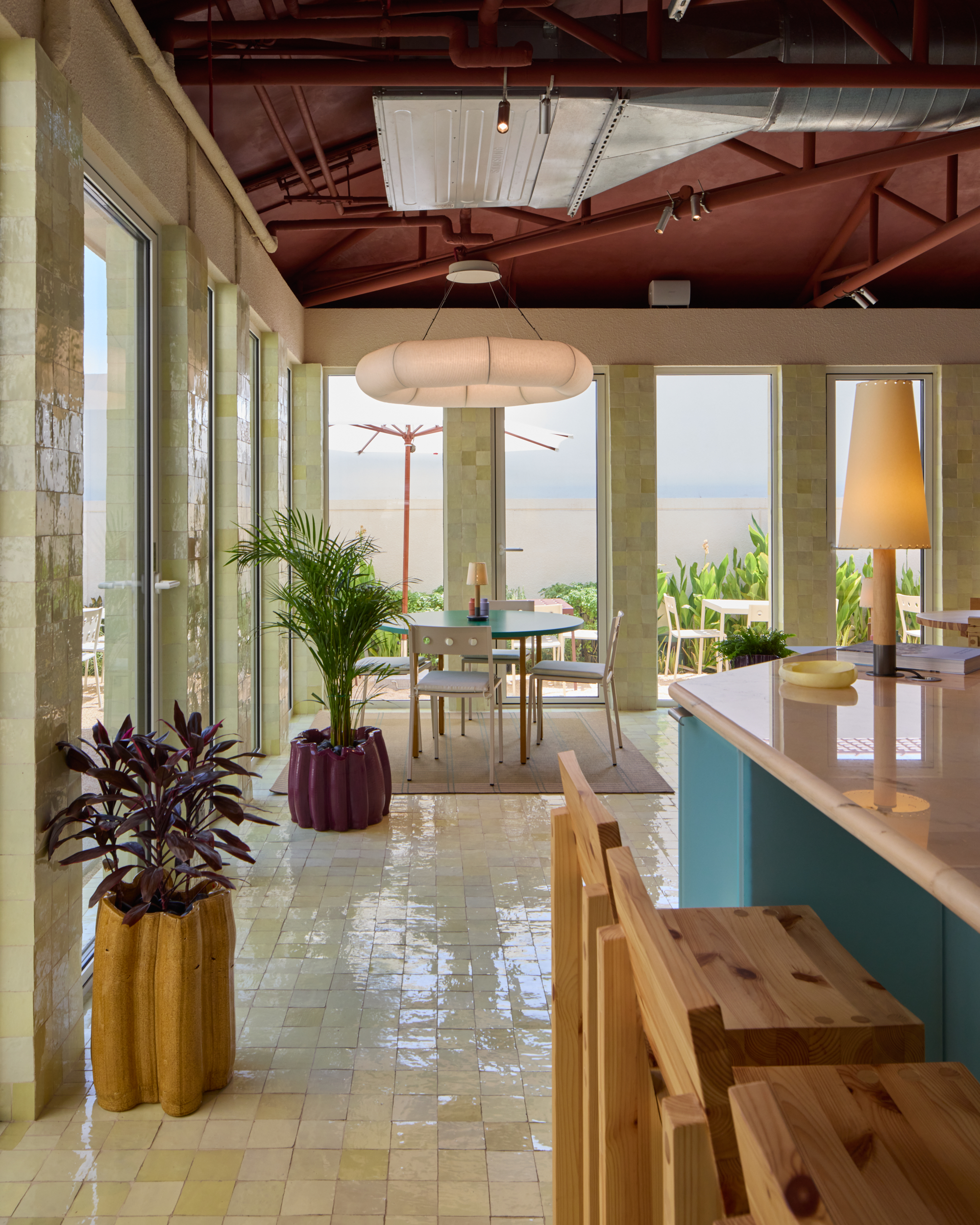
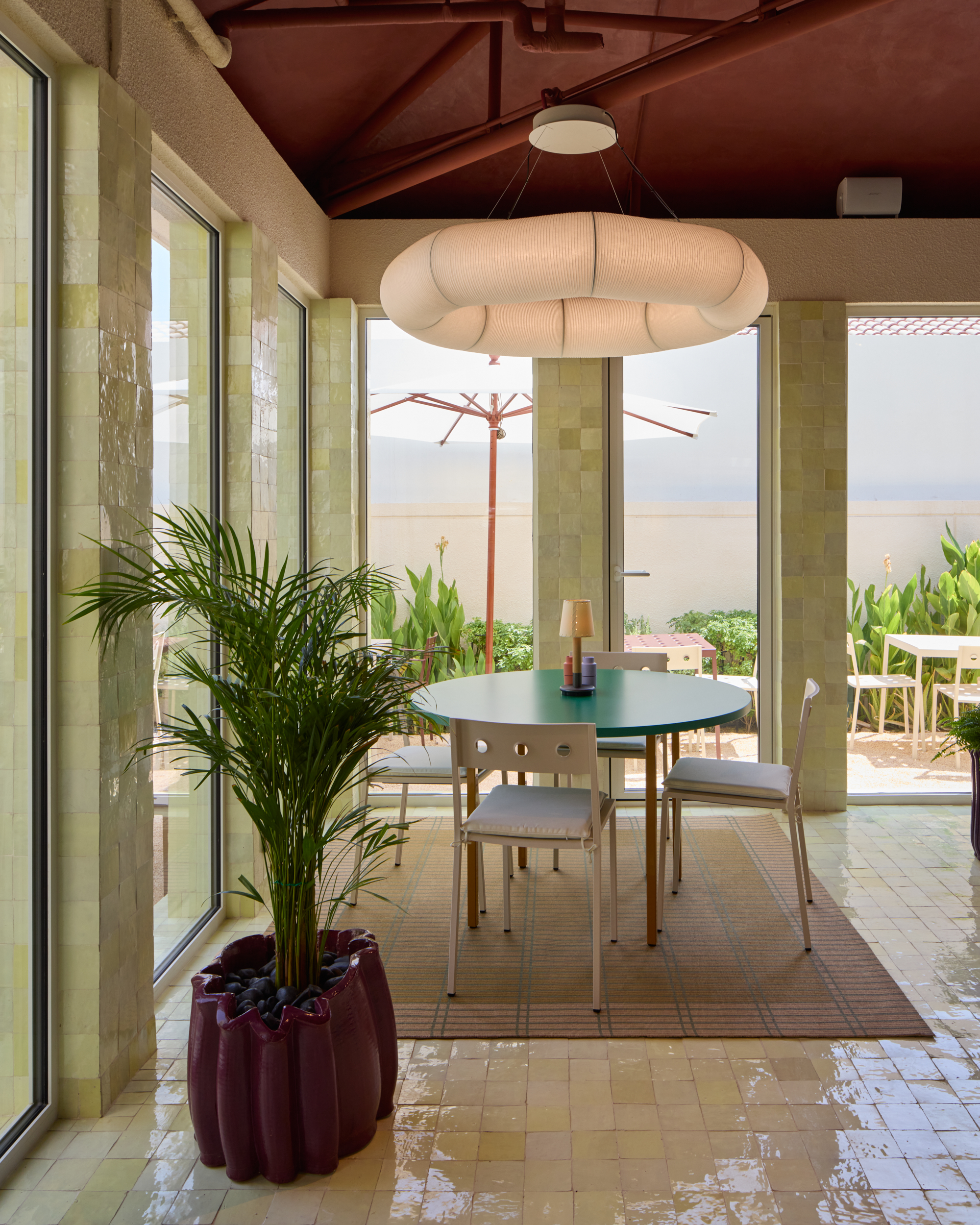
Set within a 1980s Dubai villa, Oppidan unfolds across a 390 sqm plot with a 170 sqm interior that has been reimagined into a warm and familiar dining destination. The project preserves the soul of the original home while transforming it into an environment that celebrates openness, rhythm, and connection.
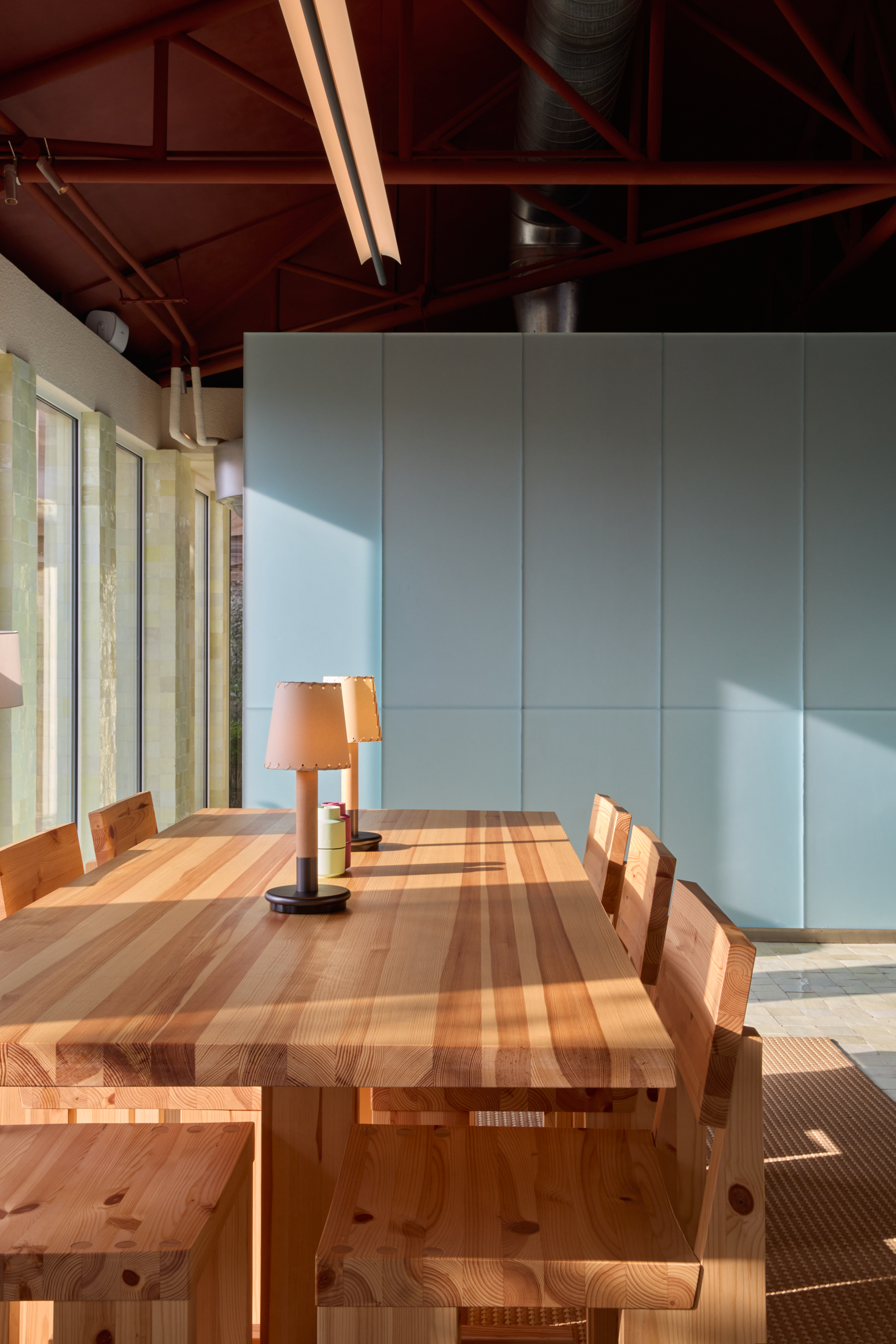
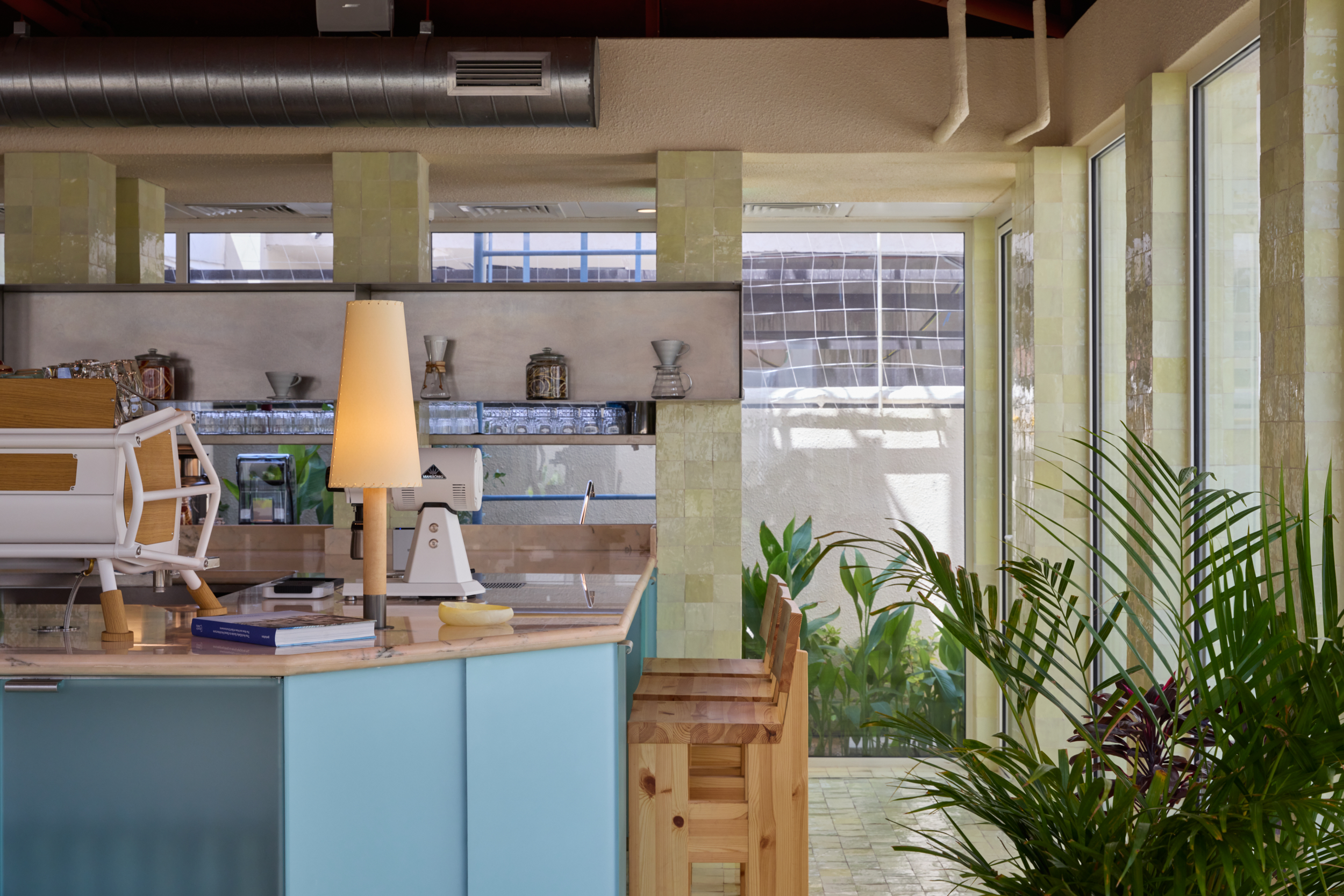
The villa’s roof structure, once concealed, was revealed and celebrated—its rhythmic bones now expressed as a sequence of colonnades that frame views toward the garden and anchor the interior. This architectural gesture became the project’s backbone, defining a sense of place and guiding the spatial narrative.
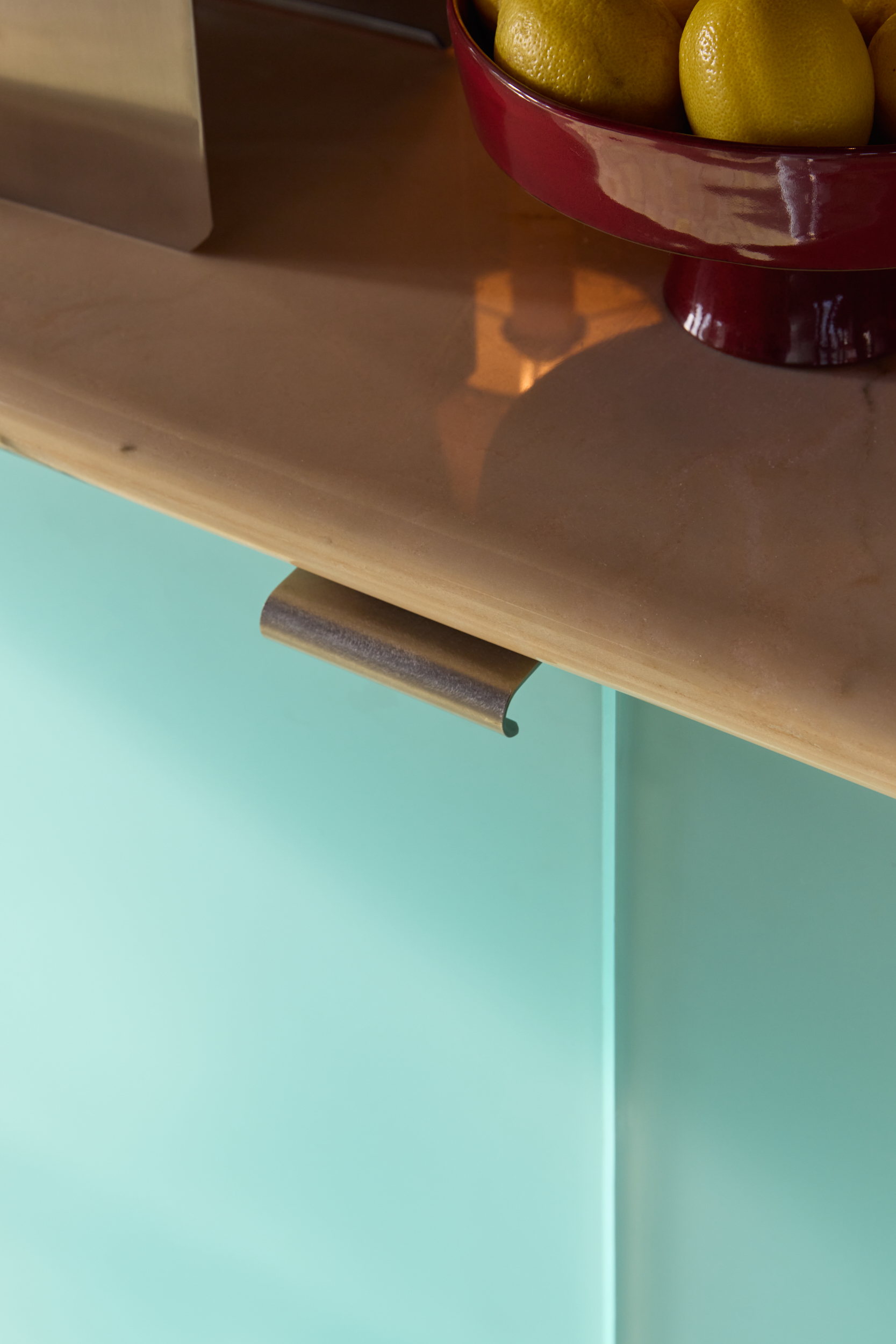
At the heart of Oppidan lies an oversized open kitchen—an intentional nod to the villa’s domestic origins. Positioned as the central hub, it overlooks the dining areas and reinforces a sense of inclusivity. Guests are drawn into the culinary ritual, experiencing the space not as spectators but as participants, blurring the line between home and hospitality.
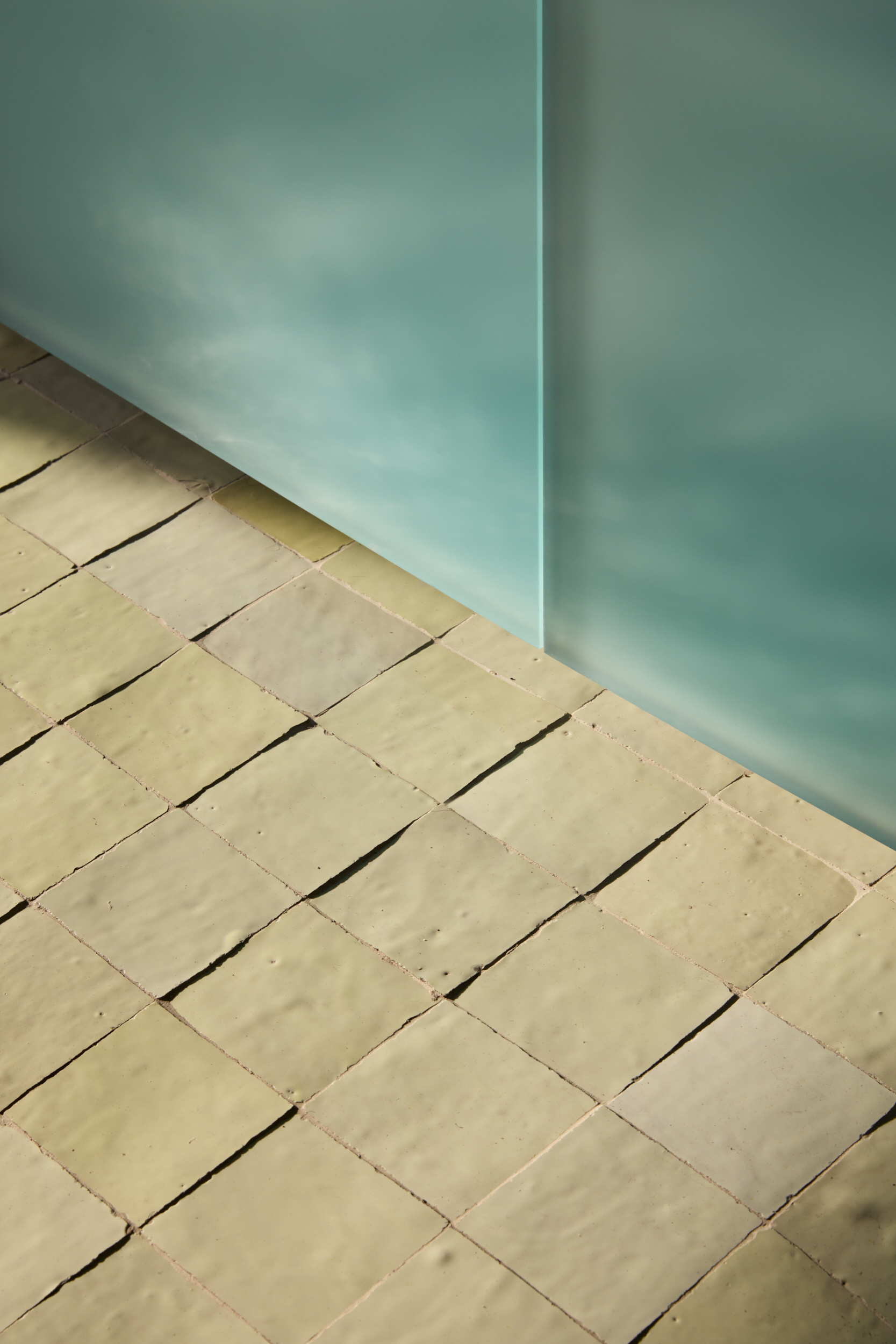
Materiality was approached with restraint, allowing the existing villa and its garden to remain the protagonists. Pale yellow Moroccan Zellige tiles catch the light with subtle shifts, their artisanal imperfections adding tactility and depth. The palette remains quiet and natural, emphasizing light, shadow, and the honest texture of surfaces. By day, generous daylight animates the colonnades and interiors, while by evening, the atmosphere softens into intimacy through carefully calibrated lighting.
Oppidan is a story of architectural honesty—embracing the villa’s authentic character, amplifying its structural rhythm, and layering it with moments of warmth and familiarity. It is a place where material, light, and memory converge to create a setting both grounded in heritage and open to new encounters.